How to Fish Safely Alone on Utah Ice
There’s something uniquely serene and deeply satisfying about being out on the vast, frozen expanse of a Utah lake, ice fishing all by yourself. The quiet, the crisp air, the singular focus on your line in the water – it’s an experience many of us chase. But that peaceful solitude can also mask significant dangers if you're not prepared. This guide is all about equipping you with the knowledge and strategies to ensure your solo ice fishing adventure in Utah is not just successful, but above all, safe.
The Lure and the Risks of Solo Ice Fishing
Let's be honest, there's a powerful draw to venturing out onto the ice by yourself. It's a chance to escape the hustle, to truly be present with nature, and to challenge your own skills. But that same solitude, while appealing, dramatically amplifies any potential hazards.
Why We Go Solo: Peace and Focus
For many of us veteran anglers, the appeal of solo ice fishing isn't just about catching fish; it's about the entire experience. It's the tranquility of a frozen landscape, the absence of chatter, and the intense focus you can bring to your technique without distraction. You can move at your own pace, experiment with different lures, and truly listen to the subtle signals coming up through your line. This singular focus can be incredibly rewarding, allowing for a deeper connection with the environment and a chance to really hone your craft. It’s a personal journey, often described as meditative, where the only expectations are your own. The satisfaction of a successful catch when you’re out there all by yourself, relying solely on your own wits and preparation, is immense.
This intense, personal connection to the sport is often why anglers choose to brave the elements alone. You can pick your spot, set up your gear exactly how you like it, and simply be. There's no pressure to entertain or to compromise on where to drill the next hole. You're the master of your own ice domain, for however long you choose to be out there. However, this very independence, while empowering, also means you bear the full weight of responsibility for your own safety.
The Inherent Dangers When You're Alone
While the peace of solo ice fishing is undeniable, it's absolutely critical to confront the inherent dangers head-on. A minor slip or a moment of carelessness that might be quickly remedied with a buddy present can rapidly escalate into a life-threatening situation when you're by yourself. Imagine hitting a patch of thin ice and falling through – with no one to throw you a rope, call for help, or even just offer a strong hand. A sprained ankle from a misplaced step, a medical emergency like a sudden heart attack, or even getting disoriented in a whiteout can become dire without immediate assistance.
Equipment failure is another sneaky risk. A broken auger, a dead snowmobile battery, or a phone that gets wet and stops working can leave you stranded and vulnerable to the cold. The frozen environment itself is unforgiving; hypothermia can set in surprisingly quickly if you're wet or exposed to the wind for too long, and without a second person to recognize the early signs and intervene, you might not even realize how serious your condition is until it's too late. These aren't scare tactics; they're realistic scenarios that underscore why meticulous planning and an unwavering commitment to safety protocols are not just recommendations, but absolute requirements for any solo ice angler.
Essential Pre-Trip Planning for Solo Ice Anglers
Before you even think about loading your auger into the truck, a solo ice fishing trip demands a level of planning that goes beyond what you might do with a group. Your life literally depends on the details.
Researching Conditions and Sharing Your Plan
The first, non-negotiable step is thorough research into the conditions of your chosen Utah fishing spot. Ice conditions can vary wildly, even on the same body of water, and can change day by day, or even hour by hour. Always check recent ice reports from reputable sources – local bait shops, the Utah Division of Wildlife Resources (UDWR), or online fishing forums are great places to start. Pay close attention to current and forecasted weather, including air temperature, wind chill, and any upcoming snow or rain, which can rapidly alter ice stability. A seemingly solid layer of ice can be compromised by recent warm spells, strong currents beneath the surface, or even fluctuating water levels. You can often find valuable, real-time insights by checking Where to Find Current Fishing Conditions for Utah Reservoirs.
Beyond understanding the ice, the single most critical safety measure for solo anglers is to always leave a detailed itinerary with a trusted friend or family member. This isn't just a suggestion; it's a lifeline. Tell them exactly where you're going, your planned route, what time you expect to arrive, and your estimated return time. Let them know what you’re wearing, what vehicle you’re driving, and even specifics about your gear if possible. Agree on a check-in time, and if they don't hear from you by that time, they should initiate a search. This simple act creates an essential safety net, ensuring that if something does go wrong, someone knows where to start looking for you.
Packing the Right Safety Gear – No Exceptions
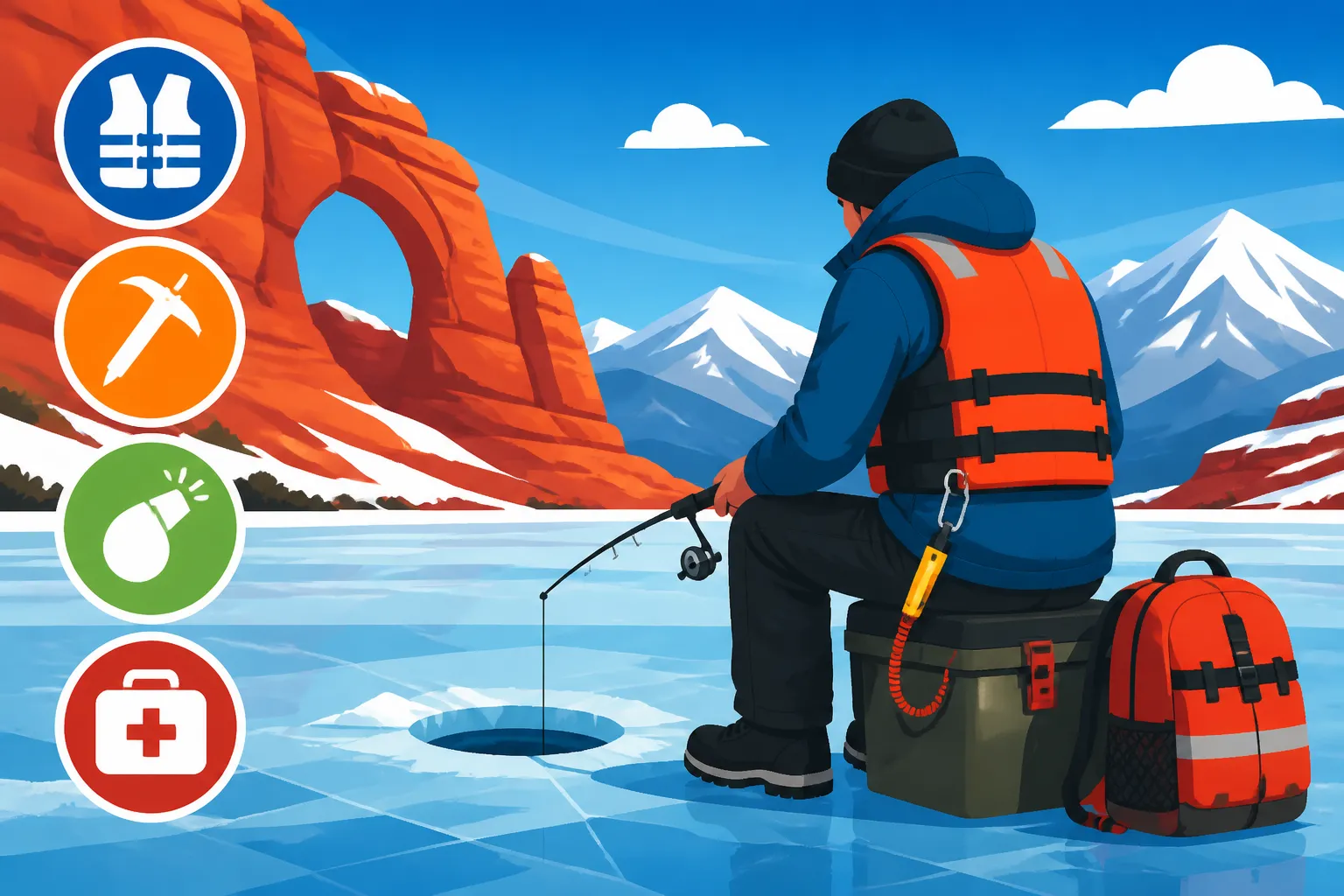
When you're out there alone on the ice, you are your own first responder. This means your gear isn't just about catching fish; it's about survival. First and foremost, a pair of ice picks (often called ice claws) is non-negotiable. Wear them around your neck or in an easily accessible pocket, ready to use immediately if you fall through. These will give you the grip needed to pull yourself out onto the ice. An insulated, buoyant flotation suit isn't just warm; it provides crucial thermal protection and helps you stay afloat if you take an unexpected plunge. It’s a significant investment, but one that could save your life.
Beyond personal flotation and rescue tools, pack a robust survival kit. This should include a length of strong rope (at least 50 feet, for throwing or self-rescue), a reliable headlamp with extra batteries (even if you plan to be back before dark, delays happen), a whistle to signal for help, a first-aid kit stocked for cold-weather injuries, and a fire starter (waterproof matches, lighter, or ferro rod). A fully charged power bank for your phone is essential, and consider a satellite communication device like a Garmin inReach or a SPOT device if you're venturing into areas with poor cell service. Many of these essential items can be found readily on platforms like Amazon, making it easy to ensure you're fully equipped before your trip. Don't forget an extra pair of dry gloves and socks, even if you don't expect to get wet – accidents happen.
Dressing for Survival, Not Just Comfort
Dressing appropriately for Utah's winter conditions is paramount, especially when fishing alone. You're not just aiming for comfort; you're preparing for survival in extreme cold, often compounded by wind and the possibility of getting wet. The key strategy is layering, which allows you to adjust your insulation as your activity level or the weather changes throughout the day. Start with a moisture-wicking base layer – think wool or synthetic fabrics – that pulls sweat away from your skin. Cotton is a definite no-go, as it loses all insulating properties when wet and takes forever to dry.
Next comes your insulating layer, such as a fleece jacket or down vest, to trap warm air. On top of that, a waterproof and windproof outer shell is crucial. This protects you from precipitation and blocks the biting winds that can make already cold temperatures feel brutal. Make sure your outerwear provides full coverage, protecting your head, neck, hands, and feet. A warm hat, insulated gloves or mittens, and waterproof, insulated boots are all critical components. Remember, a significant amount of body heat is lost through your head and extremities. For more detailed advice on what to wear, you might find How to Layer Clothing for a Utah Winter Fishing Trip extremely helpful in preparing for your outing.
On-Ice Protocols for Maintaining Your Safety
Once you're on the ice, vigilance is your constant companion. Every step, every decision, needs to be made with a keen awareness of your surroundings and the ice itself.
Always Check Ice Thickness and Quality
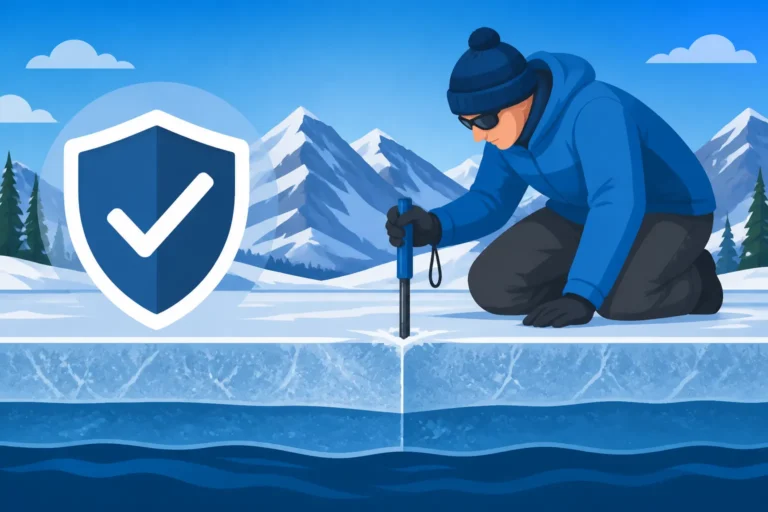
This isn't a one-time check at the shoreline; it's a continuous process that should define your movement across the ice. The general rule of thumb is "when in doubt, don't go out," but even when ice seems stable, you must constantly verify its integrity, especially when alone. As you move, use an ice chisel or an auger to drill test holes every 10-20 feet, particularly when entering a new area or after crossing a suspicious spot. Observe the color and texture of the ice. Clear, blue ice is generally the strongest, while milky or opaque ice may contain air bubbles and be weaker. Slushy, dark, or honeycombed ice is usually a warning sign to avoid.
Never assume the ice you walked on yesterday is safe today, or that the ice near the shore is indicative of conditions further out. Currents, natural springs, submerged structures, and fluctuating water levels can all create localized thin spots that are invisible from the surface. Always proceed with extreme caution, especially around inlets, outlets, points, and pressure ridges. Familiarize yourself with the recommended minimum ice thickness guidelines before you even step foot on the frozen surface; How Thick Does Utah Ice Need to Be Before You Can Fish On It? provides a crucial starting point. This constant vigilance is your best defense against an unexpected and dangerous plunge.
Here's a general guide for ice thickness, but remember these are minimums and local conditions always take precedence:
| Activity | Minimum Ice Thickness (Inches) | Notes |
|---|---|---|
| Ice Fishing (Alone) | 4-6 | Always check continuously. Spread out weight. |
| Small Group Fishing | 7-10 | Spread out, don't huddle together. |
| Snowmobile/ATV | 10-12 | Check carefully, avoid driving on cracked ice. |
| Light Vehicle (Car) | 12-15 | Very rare; not recommended. Check local regulations. |
| Medium Truck | 15+ | Extremely dangerous; almost never recommended for recreational use. |
(Remember: These are general guidelines. Always consult local authorities and conditions before venturing onto the ice. Clear, hard ice is stronger than cloudy or slushy ice of the same thickness.)
Maintaining Situational Awareness
When you're ice fishing alone, your "buddy" is your brain and your ability to be hyper-aware of your surroundings. Before you even drill your first hole, take a moment to survey the entire area. Look for other anglers, permanent structures, potential hazards like open water or visible pressure ridges, and an escape route back to shore. Avoid drilling too many holes in a small area, especially if the ice is borderline, as this can weaken the integrity of the ice around you.
Keep an eye on the weather as it unfolds. A sudden change in wind direction or intensity can create whiteout conditions, making it incredibly easy to get disoriented and lose sight of shore or your vehicle. Also, be mindful of slush pockets, which can conceal thin ice and make walking treacherous. If you fall and get wet, even just your boots, the cold can quickly become a serious issue. If you're using a portable ice shelter, ensure it's securely anchored, especially if you step away from it for a moment, as a gust of wind can quickly carry it across the ice. For comprehensive safety tips on checking ice, refer to How to Check Ice Thickness Safely Before Ice Fishing.
Communication and Emergency Preparedness
Your communication plan is just as vital as your ice picks when you're fishing solo. Even if you've told someone your plans (which you absolutely should have), you need a way to call for help if things go south. Keep your cell phone fully charged and protected from the cold and moisture, ideally in a waterproof case close to your body to preserve battery life. However, don't rely solely on cell service, especially in more remote Utah locations where coverage can be spotty at best.
This is where a satellite communication device truly earns its keep. Devices from companies often sold on Amazon, like InReach or Spot, allow you to send SOS signals and messages even when out of cell range. Practice using your ice picks for self-rescue; know how to get them out quickly and how to use them to pull yourself back onto solid ice. It's a skill you hope to never use, but one that is absolutely essential. Understanding What to Do If You Fall Through Utah Ice While Fishing and practicing the motions (even on dry land) can make all the difference in a real emergency. Remember, an emergency can arise quickly, so being proactive about your communication and self-rescue skills is paramount.
Post-Trip Safety and Best Practices
Your solo ice fishing adventure isn't truly over until you're home safe and sound, and your gear is properly stowed. The "post-trip" phase is just as important for maintaining long-term safety and preparedness.
Notifying Your Contact and Gear Check
The moment you are safely off the ice and back in a warm, secure location, your first action should be to contact the person you left your itinerary with. A quick text or phone call saying "I'm off the ice and safe" is a crucial step that closes the loop on your safety plan. This confirms that they don't need to worry or initiate an unnecessary search. It's a small act that carries significant weight in ensuring peace of mind for both you and your loved ones.
Once you've checked in, it’s time to take care of your gear. Don't just toss everything in a heap. Inspect all your equipment for any damage incurred during the trip. This is especially true for your safety gear: check your ice picks for corrosion or damage, ensure your rope is intact, and verify your headlamp batteries still have a charge. If your flotation suit got wet, hang it to dry thoroughly to prevent mildew and ensure its buoyancy remains intact for your next outing. A damaged or poorly maintained piece of equipment can compromise your safety on future trips, so treat this step as a vital part of your preparation for the next solo adventure.
Learning from Every Trip
Every time you step onto the ice, especially alone, you gain invaluable experience. Take a few moments after each trip to mentally "debrief." What went well? Did your gear perform as expected? Were there any unexpected ice conditions or weather changes? Did you feel adequately prepared for potential scenarios? Perhaps you realized your boots weren't warm enough, or you struggled with a specific piece of equipment. This reflective practice allows you to continually refine your gear, your planning, and your on-ice strategies.
Consider keeping a small journal of your trips, noting ice thickness, weather conditions, successful fishing spots, and, most importantly, any safety observations or lessons learned. This isn't just about finding more fish; it's about building a robust personal safety protocol that evolves with your experience. The world of ice fishing is constantly changing, from new gear innovations to fluctuating ice conditions, so staying informed and adaptable is key. Regular review of your methods, and perhaps reading up on related topics like How to Stay Warm Ice Fishing in Utah or best practices for Best Ice Fishing Shelters for Utah Winters, can help you proactively address potential issues before they become problems. Solo ice fishing is a journey of continuous learning and preparedness.
Disclaimer
This article is for general informational purposes only and does not constitute professional advice. Laws, prices and regulations vary by location and change over time. Consult a qualified professional for guidance on your specific situation.