How to Catch Bluegill at a Utah Community Pond
It can be incredibly frustrating to head out to a local community pond, expecting an easy day catching bluegill, only to find yourself casting without a single bite. You see kids around you pulling them in left and right, and you start to wonder if there's some secret handshake you're missing! But catching bluegill, while often seen as simple, definitely benefits from a few seasoned tricks and the right approach. This guide is here to walk you through exactly how to consistently catch bluegill in Utah's community ponds, turning those frustrating blank days into productive, fun outings.
Understanding Bluegill in Utah Community Ponds
Before we even talk about hooks and bait, let's get into the mind of a bluegill in one of our local ponds. Knowing their habits and why they thrive in these accessible waters will give you a significant advantage.
Why Community Ponds are Bluegill Havens
Utah's community ponds are absolute gems, especially if you're looking for an accessible and often productive fishing experience. The Utah Division of Wildlife Resources (DWR) actively manages many of these ponds, stocking them regularly with various fish species, including plenty of bluegill. These ponds are typically smaller, shallower bodies of water, which means they warm up faster in the spring and stay warmer longer into the fall, creating an ideal environment for bluegill to thrive and reproduce. They often have abundant vegetation, fallen trees, and other structures that provide cover and food sources for bluegill.
What makes them such great places for bluegill, and for anglers? Well, it's the combination of easy access, consistent stocking efforts, and the generally calm, protected waters. You'll find these ponds in urban and suburban areas, making them perfect for a quick after-work trip or a family outing. For a comprehensive list of these spots, check out our guide on Utah Community Pond Fishing Spots. The fish in these ponds, including bluegill, also get used to seeing people, which can make them a bit less wary than their counterparts in larger, wilder reservoirs, especially if you approach quietly and present your bait naturally.
Bluegill Behavior and Diet
Bluegill are fascinating little fish. They are members of the sunfish family, known for their distinctive "blue gill" flap and deep, slab-sided bodies. In community ponds, they tend to hang out in schools, which means if you catch one, there are often many more nearby! This schooling behavior is a key factor in how you approach fishing for them. They love structure – anything from weed beds, lily pads, submerged logs, brush piles, docks, or even shaded areas along the bank. These spots offer them protection from predators and provide a smorgasbord of food.
Their diet is quite varied, making them relatively easy to tempt with a wide range of offerings. Bluegill are opportunistic feeders. They'll munch on aquatic insects and their larvae, small crustaceans, snails, fish eggs, and even some plant matter. Larger bluegill might occasionally nip at tiny minnows or fry. This diverse diet is why traditional baits like worms are so effective, but also why small artificial lures can work wonders. Understanding that they are often looking for small, easy meals is crucial for selecting the right bait and presentation.
Essential Gear for Community Pond Bluegill
You don't need a boatload of expensive, high-tech gear to catch bluegill. In fact, simpler is often better. The key is to think light and finesse.
Rods, Reels, and Line – Keeping it Light
When targeting bluegill, think ultra-light. A small, sensitive setup will not only make catching these feisty panfish more fun, but it will also allow you to detect their often subtle bites. An ultra-light spinning rod, typically 5 to 6 feet long with a fast or moderate action, is perfect. Pair this with a small spinning reel (size 500 to 1000 series). This setup is ideal for casting small, lightweight baits and lures without overshooting your target or spooking the fish. You can find excellent, affordable combos on sites like Amazon that are specifically designed for panfish and trout, making them perfect for bluegill.
For line, you'll want something light. Monofilament line in 2 to 4-pound test is usually perfect. This light line is virtually invisible in the water, which is important for wary bluegill, and it allows your small baits to sink naturally. Heavier lines will hinder the action of tiny lures and can make it harder to feel those gentle bluegill nibbles. If you're just starting out, a basic 4-pound test mono is a fantastic all-around choice. For more general advice on rod selection, you might find our guide on Best Fishing Rods for Utah Anglers helpful, as many principles apply to panfish too.
Hooks, Sinkers, and Bobbers – The Classic Setup
The classic bluegill setup is tried and true for a reason: it works! Small hooks are absolutely essential. Bluegill have relatively small mouths, and anything larger than a size 8 hook can be difficult for them to get around. Sizes 8, 10, or even 12 are generally best. Long-shank hooks can be helpful for easier unhooking.
For sinkers, a few small split shot weights are all you need. You want just enough weight to get your bait down to the desired depth and allow for a decent cast, but not so much that it creates a splash that spooks the fish or sinks unnaturally. Start with one or two small split shot crimped a few inches above your hook.
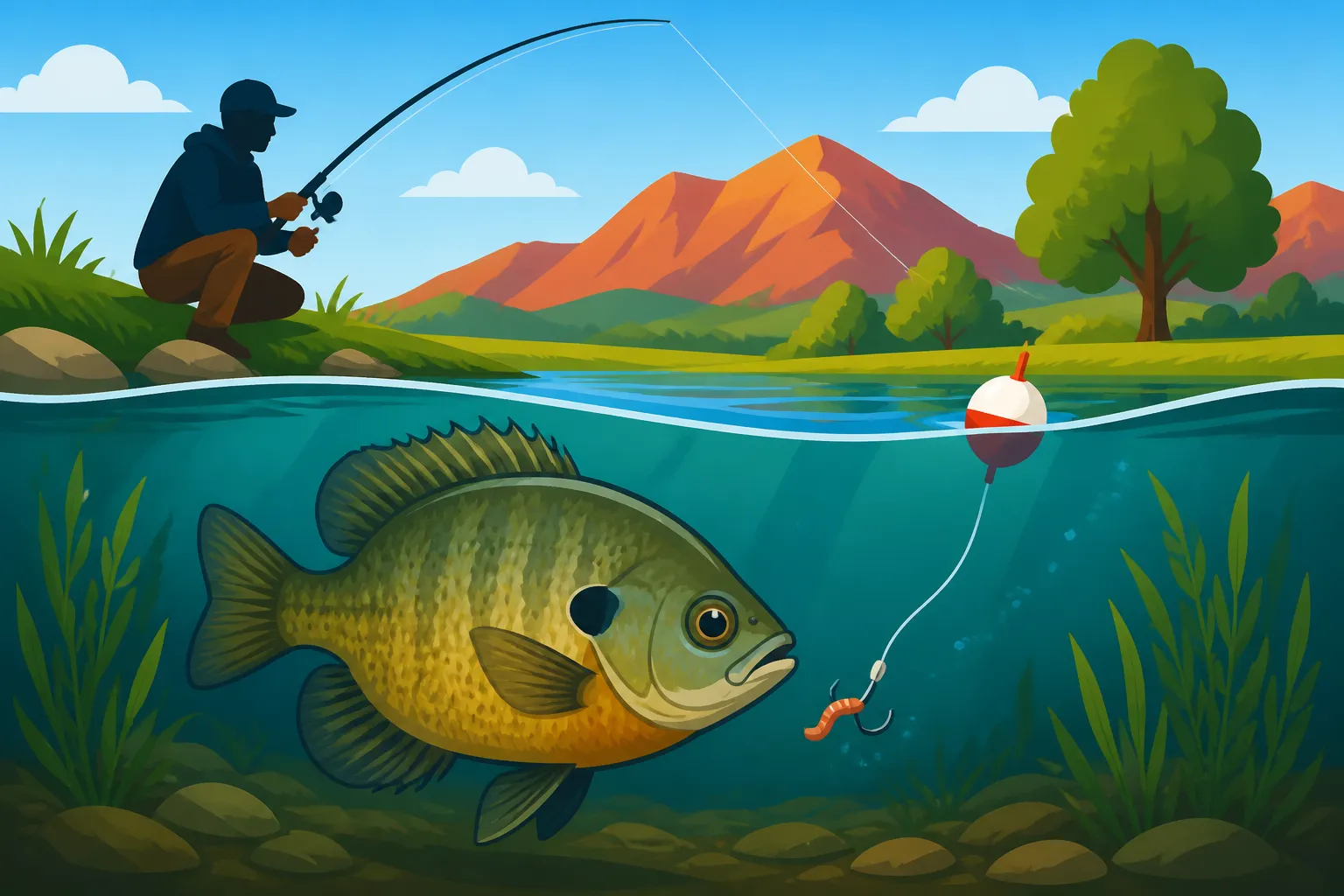
And then there's the bobber! A small, sensitive bobber is crucial for bluegill fishing. They often take the bait very gently, and a large, clumsy bobber won't show you these subtle bites. Small clip-on bobbers work fine, but slip bobbers offer more versatility, allowing you to easily adjust your depth without constantly retying. This is particularly useful if you need to fish deeper in the water column. Our article on How to Fish With Bobber and Bait for Beginners provides a great overview of getting this setup just right, which is perfect for bluegill.
The Best Baits and Lures for Utah Bluegill
Bluegill aren't typically picky eaters, which is great news for anglers. You have a lot of options when it comes to tempting them.
Natural Baits That Bluegill Can't Resist
When in doubt, go natural. Live bait is often the most effective choice for bluegill, appealing to their instinctual feeding habits.
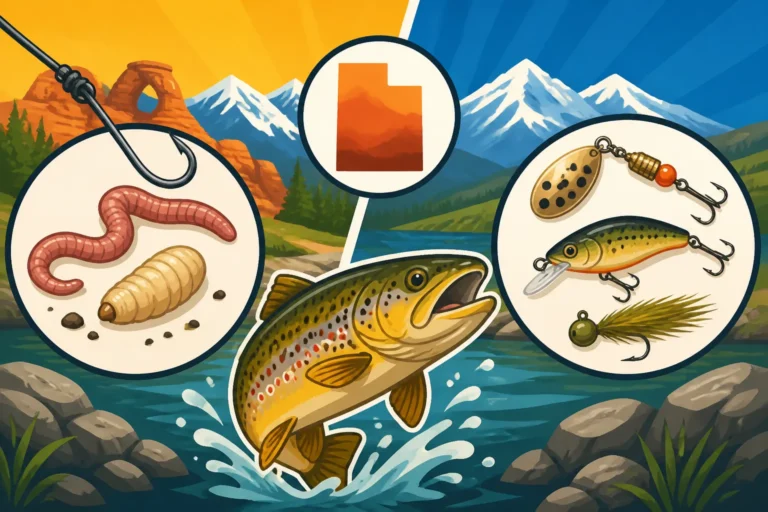
- Worms: This is the gold standard. Red worms (often sold as "garden worms" or "compost worms") are excellent because they're small, lively, and incredibly enticing. Nightcrawlers can also work, but you'll usually want to pinch off a small piece rather than using a whole one. Thread the worm onto your small hook, making sure the hook point is exposed.
- Crickets: These can be bluegill magnets, especially in ponds where insects are a primary food source. Hook them gently through the collar or behind the head to keep them lively.
- Mealworms and Wax Worms: Available at most bait shops and even pet stores, these grubs are fantastic for bluegill. They're easy to keep, easy to hook, and bluegill love them.
- Corn: Believe it or not, a kernel or two of canned sweet corn can be very effective, especially in ponds where fish are accustomed to human activity. It's cheap, easy to use, and often bright enough to grab their attention.
The key with natural baits is to use small pieces that fit comfortably into a bluegill's mouth. Don't be afraid to experiment to see what the fish are keying in on that particular day.
Small Lures for Active Bluegill
While live bait is king, small artificial lures can also be incredibly effective, especially when bluegill are more aggressive or you want to cover more water. Plus, they're cleaner and don't require keeping bait alive! You can find a huge variety of these small lures on Amazon, often in multi-packs that give you a great selection for different conditions.
- Tiny Jigs: Think 1/32 or 1/64 ounce jigs, often tipped with a small plastic grub, tube, or a feather/hair dressing. Colors like chartreuse, white, black, or pink can be very productive. Jigs are versatile; you can fish them under a bobber, slowly retrieve them, or even gently twitch them without a float. Our article on How to Rig a Jig for Utah Trout offers excellent foundational knowledge, which you can easily scale down for bluegill jigs.
- Micro-Spoons: These tiny, flashy spoons imitate small baitfish or insects. Cast them out and retrieve them with a slow, steady wobble. Colors with silver or gold can be especially good on sunny days.
- Small Spinners: In-line spinners with a small blade (size 0 or 1) are great for bluegill. The flash and vibration can draw them in from a distance. Again, a slow retrieve is key. Colors like silver, gold, or even a small beetle spin with a chartreuse grub can be very effective.
When using lures, pay attention to the retrieve speed. Bluegill are not typically chasing down fast-moving prey; they prefer a slower, more deliberate presentation that gives them time to inspect and strike.
Master Your Technique: How to Catch Bluegill
Having the right gear and bait is only half the battle. Knowing how to present it effectively is where you'll really start to see consistent success.
The Bobber and Bait Method
This is the quintessential bluegill fishing technique, and it's fantastic for beginners and experienced anglers alike.
- Rigging Up: Start by attaching your small bobber to your line. If it's a fixed bobber, clip it on at the desired depth. If it's a slip bobber, thread your line through it, add a bobber stop to set your depth, and then tie on your small hook. Crimp one or two small split shot weights about 4-6 inches above your hook. Finally, bait your hook with a small piece of worm, a mealworm, or a cricket.
- Casting: Make a gentle cast towards areas where you suspect bluegill are hiding – near weed lines, submerged cover, or shaded banks. Avoid heavy splashes. The goal is a soft, subtle entry into the water.
- Watching the Bobber: This is where the magic happens. Bluegill bites can be very subtle. Sometimes the bobber will just twitch, or slowly dip before disappearing. Don't wait for it to be fully submerged unless you want a deep hook set. At the first clear sign of a bite, get ready.
- Setting the Hook: With an ultra-light setup and small hooks, a gentle, upward flick of the wrist is usually all it takes to set the hook. Don't yank hard, as you can easily tear the hook out of their soft mouths or break your light line.
- Reeling In: Enjoy the fight! Bluegill, for their size, put up a surprisingly spirited fight on light tackle. Keep steady pressure and reel them in smoothly.
The beauty of the bobber and bait method is its simplicity and effectiveness. It allows your bait to suspend at a specific depth, right in the bluegill's strike zone, and provides clear visual indication of a bite.
Light Tackle Jigging and Casting
When bluegill are more active, or you want to cover more water to find schools, light tackle jigging and casting with small lures can be incredibly productive.
- Casting and Retrieving: Cast your tiny jig or spinner to likely bluegill holding spots. For jigs, allow it to sink for a few seconds (or longer if you suspect fish are deeper), then begin a slow, steady retrieve with occasional pauses or gentle twitches of the rod tip. For spinners, a consistent slow retrieve is usually best, just fast enough to get the blade spinning. The idea is to imitate a slow-moving insect or baitfish that's easy for a bluegill to ambush.
- Fan Casting: If you're not getting bites in one spot, try fan casting – making casts in a fan-like pattern to cover different angles and depths around your location. This helps you locate where the schools are congregating.
- Vertical Jigging: If you're fishing from a dock, pier, or a boat, you can drop a small jig straight down and gently bounce it off the bottom or suspend it at a specific depth. This is a very effective way to target bluegill that are holding tight to vertical structure.
The key with lures is experimentation. Try different retrieve speeds, pauses, and even colors until you find what the bluegill are responding to on a given day.
Finding Bluegill in the Pond
Bluegill are creatures of habit and structure. Knowing where to look for them dramatically increases your chances of success.
- Weed Lines and Aquatic Vegetation: This is prime bluegill territory. Weed beds provide cover from predators, shade from the sun, and a rich source of insects and other food. Cast your bait or lure right along the edges of these weed lines or into pockets within them.
- Submerged Structures: Fallen trees, brush piles, rocks, or old tires on the bottom are magnets for bluegill. They love to hide and ambush prey from these protected spots. If you can see or locate such structures, fish them thoroughly.
- Docks and Piers: The shaded areas directly underneath docks and piers can hold large schools of bluegill, especially on sunny days. The pilings themselves also provide vertical structure. Gently cast your bait underneath, or drop a jig straight down.
- Shaded Areas: Bluegill often seek refuge from direct sunlight, especially during the brighter parts of the day. Look for shaded banks, overhanging trees, or areas where the water is deeper and therefore cooler.
- Inlets and Outlets: If the pond has a small stream or culvert feeding into it, or an area where water drains out, these can be hotspots as they often concentrate food and provide slightly different water conditions that bluegill favor.
Don't be afraid to move around the pond. If a spot isn't producing after 15-20 minutes, try another area with different types of structure. Bluegill schools can be quite mobile.
Seasonal Considerations and Best Practices
Like all fish, bluegill behavior changes with the seasons and water temperatures. Adapting your approach will lead to more fish in your net.
Spring and Summer Bluegill Action
Spring and summer are prime times for bluegill fishing in Utah's community ponds. As the water warms up in spring, bluegill become increasingly active, moving into shallower areas to feed and eventually to spawn.
- Spring: In early spring, look for bluegill to be in slightly deeper areas near transitions to shallower water. As the water warms, they'll move shallower, especially on sunny days.
- Summer – Spawning: This is often the most exciting time. Bluegill create "beds" – circular depressions in shallow, sandy or gravelly bottom areas – to lay their eggs. These beds are often visible and close together, and the males will aggressively guard them. Fishing near these beds can lead to fast and furious action, as males will readily strike anything that comes near their nest. Just be mindful not to overfish these areas if you're practicing catch and release, as you want to allow them to successfully reproduce.
- Summer – Post-Spawn & Heat: After spawning, bluegill will spread out but remain highly active. During the heat of summer, they might move slightly deeper during the brightest part of the day, seeking cooler water and shade. Early mornings and late evenings are often the most productive times to target them in the shallows. Our guide on Best Time of Day to Fish for Utah Trout offers general principles for effective fishing times that also apply to bluegill and other panfish.
Fall and Winter Bluegill Strategies
Don't put your bluegill gear away just because the weather cools! Fall can offer excellent fishing, and even winter ice fishing can be very productive.
- Fall: As water temperatures drop in the fall, bluegill will transition out of the very shallow spawning areas. They often congregate in deeper holes or around submerged structures, feeding heavily to prepare for winter. Slower retrieves and allowing your bait to sit longer are good strategies. Look for them concentrated in deeper pockets of the pond.
- Winter (Ice Fishing): If the community pond freezes over safely, bluegill are a fantastic target through the ice. They tend to school up tightly in winter, often near the deepest parts of the pond or around structure. Small jigs, tipped with a wax worm or a mealworm, fished vertically through the ice, can be incredibly effective. A sensitive bobber or a spring bobber will help detect their light bites. While we have a dedicated Utah Ice Fishing Guide, the general principles of tiny baits and light lines are perfect for bluegill.
Always check local regulations before ice fishing and ensure the ice is safely thick enough before venturing out.
Catch and Release vs. Keeping Your Catch
Utah's community ponds are often managed for harvest, meaning you're generally encouraged to keep a reasonable number of panfish like bluegill for a meal. This helps manage populations and creates a healthier fishery. Always be aware of the Utah Daily Bag and Possession Limits for bluegill and other species in the specific pond you are fishing.
- Keeping Fish: If you plan to keep bluegill, bring a cooler with ice to keep them fresh. Bluegill are delicious table fare, especially when pan-fried.
- Catch and Release: For smaller bluegill, or if you simply prefer to release them, handle them gently. Wet your hands before touching the fish, use a de-hooking tool if the hook is deep, and quickly return them to the water. Avoid excessive handling or dropping them on hard surfaces. Healthy catch and release practices ensure future fishing opportunities for everyone.
By understanding bluegill behavior, using appropriate light tackle, choosing effective baits and lures, and adapting your techniques to the season, you'll be well on your way to becoming a bluegill master at any Utah community pond! With a little practice, you'll be teaching those kids your secrets in no time. For more tips on how to catch panfish in Utah in general, we have a specific guide to help you out.
Disclaimer
This article is for general informational purposes only and does not constitute professional advice. Laws, prices and regulations vary by location and change over time. Consult a qualified professional for guidance on your specific situation.