Best Season for Bass Fishing in Utah
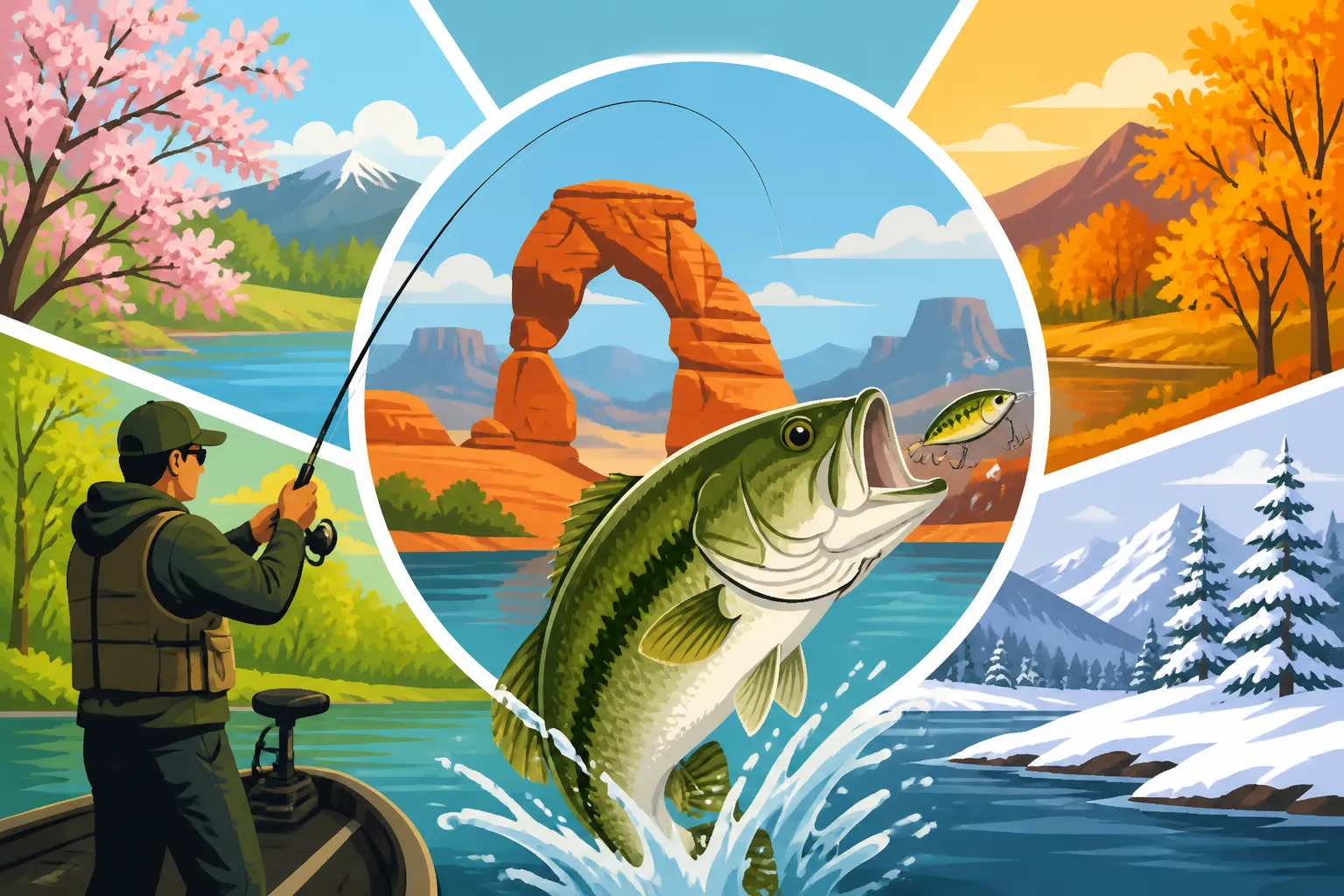
Trying to figure out the absolute best time to hit the water for bass in Utah can feel a bit like chasing a ghost. One minute they're splashing on the surface, the next they've seemingly vanished, leaving you scratching your head and wondering if you picked the wrong weekend entirely. This guide is all about cutting through that confusion, giving you a clear, season-by-season breakdown of bass behavior in Utah so you can plan your trips for maximum success and finally land that trophy catch.
Understanding Utah's Bass Species and Their Seasonal Habits
Before we dive deep into the calendar, it's crucial to understand that not all bass are created equal, and their preferences directly influence when and where you'll find them throughout the year. Utah is home to a couple of fantastic bass species, each with its own quirks and favored hangouts. Knowing these fundamental differences is your first step to becoming a more effective angler.
Largemouth Bass Preferences and Habitat
The largemouth bass is often what comes to mind when people think of bass fishing – big, aggressive, and a true fighter. These fish absolutely adore warm water and thrive in environments rich with cover. Think shallow bays, submerged vegetation, fallen trees, brush piles, and rocky outcroppings that offer ambush points. They are notorious for hiding in thick weeds or timber, waiting for an unsuspecting meal to swim by. Their metabolism is highly tuned to water temperature, meaning they become incredibly active in warmer months and slow down considerably as the water cools.
When the water temperatures are ideal, typically ranging from the mid-60s to low 80s Fahrenheit, largemouth are on the hunt. You'll find them cruising the shallower margins of lakes and reservoirs, especially in areas protected from wind and current. Their preference for these kinds of habitats means that finding them often involves looking for visual cues – lily pads, cattails, or areas where docks and structures extend into the water. Lakes like Sand Hollow Reservoir and Quail Creek Reservoir in Southern Utah are prime examples of largemouth strongholds, offering plenty of the warm, cover-rich environments these fish love.
Smallmouth Bass Adaptability and Habitat
Then you have the smallmouth bass, a magnificent fish known for its incredible fighting power and willingness to school up. Unlike their largemouth cousins, smallmouth are more adaptable to cooler water and prefer rocky habitats. You'll often find them congregating around rocky points, ledges, submerged humps, broken rock banks, and even main lake points that drop off into deeper water. They love areas with current, which often brings food to them, and aren't afraid to venture into surprisingly deep water, even in the middle of summer.
Smallmouth bass thrive in clear, cool to moderately warm water, typically preferring temperatures in the 55-70°F range. This tolerance for cooler conditions means they can remain active and catchable for a longer portion of the year compared to largemouth, especially in larger, deeper reservoirs. Iconic Utah fisheries like Flaming Gorge Reservoir and Deer Creek Reservoir are renowned for their robust smallmouth populations, offering anglers a fantastic opportunity to chase these bronze beauties. If you're curious about the specific characteristics, you can dive deeper into our guide on the Utah Smallmouth Bass Guide or understand the Largemouth vs Smallmouth Bass Differences.
Key Bass Waters in Utah
Utah boasts several excellent bass fisheries, each offering unique challenges and rewards. Knowing which lakes hold which species, and what conditions to expect, is invaluable.
- Lake Powell: This vast reservoir is a powerhouse for both largemouth and smallmouth bass. Its endless coves, rocky bluffs, and submerged structure create ideal habitats. Smallmouth are abundant along rocky shorelines and points, while largemouth tend to hide deeper in the canyons and in areas with flooded timber.
- Utah Lake: While perhaps better known for its walleye and catfish, Utah Lake also has a strong smallmouth bass population, especially around its rocky perimeter and man-made structures. Understanding Utah Lake Fishing Guide can give you more details.
- Flaming Gorge Reservoir: A true trophy smallmouth destination. The steep, rocky walls and countless ledges are perfect smallmouth territory. You can learn more in our Flaming Gorge Fishing Guide.
- Sand Hollow Reservoir: A warm-water gem in Southern Utah, offering fantastic largemouth bass fishing year-round, even through mild winters. Its red rock scenery and clear waters make for a unique experience.
- Deer Creek Reservoir: Another excellent smallmouth fishery, located conveniently near the Wasatch Front. Its rocky points and clear waters make it a popular spot. You can often find them cruising the shorelines in spring and fall.
Spring: The Pre-Spawn and Spawn Frenzy
Spring is arguably the most anticipated season for bass anglers in Utah, and for good reason. As the ice melts and water temperatures begin to climb, bass shake off their winter lethargy and begin their annual migration towards shallower waters. This period is often divided into three distinct phases: pre-spawn, spawn, and post-spawn, each offering incredible fishing opportunities with slightly different tactics required.
Early Spring (Pre-Spawn) Opportunities
As winter's grip begins to loosen, typically from late March through April, water temperatures start to nudge up from the low 40s into the low to mid-50s Fahrenheit. This is the pre-spawn phase, and it's a fantastic time to target bass. Fish, particularly the larger females, start moving from their deeper wintering grounds towards shallower staging areas. They're not yet on their spawning beds, but they're actively looking for food to bulk up before the arduous spawning process. This makes them incredibly aggressive and eager to strike.
During this time, bass will often congregate on points, humps, and the edges of flats near deeper water. They're often found around rocky structures or any kind of cover that provides a slight thermal advantage. Look for areas that receive direct sunlight, as these spots warm up faster. Lures that mimic baitfish, like jerkbaits, crankbaits, and spinnerbaits, can be incredibly effective as bass are focused on protein-rich meals. You might also find success with jigs or Texas-rigged plastics fished slowly along the bottom, probing for those hungry, staging fish. The key is often to slow down your presentation as the water is still on the cooler side, but don't be afraid to experiment with intermittent bursts of speed to trigger a reaction strike.
The Spawning Season Peak
Once water temperatures consistently hit the mid-50s to high 60s Fahrenheit, usually from late April through May and into early June, the bass spawn kicks into high gear. This is when bass move into very shallow water, often visible from shore, to build their nests (beds) and reproduce. Males arrive first to clear out a spot, often a circular depression on the bottom, usually near some form of cover like a log, rock, or even boat dock. Females then join them to lay eggs.
Fishing during the spawn can be incredibly exciting, as bass become highly protective of their beds. They're not necessarily feeding out of hunger, but rather striking aggressively at anything they perceive as a threat to their eggs or fry. Sight fishing becomes a popular tactic, where anglers literally look for bass on beds and present lures directly to them. Soft plastics, like Senkos, creature baits, or lizards, twitched enticingly on or near the bed, often provoke a strike. However, many anglers practice catch-and-release during the spawn to ensure the successful continuation of the bass population. It's a critical time for the fish, and ethical angling practices are paramount. Be aware of local regulations, as some waters may have specific rules regarding fishing during the spawn.
Post-Spawn Recovery and Feeding
After the rigors of spawning, which can leave bass exhausted and somewhat depleted, there's a brief post-spawn recovery period, typically stretching from late May through June. The females, especially, need time to regain their strength, and they'll often retreat to slightly deeper, cooler water for a few days to rest. However, this doesn't last long. As they recuperate, hunger quickly sets in, and bass become incredibly aggressive feeders once again. This phase is often described as a "second spring" because the fish are actively feeding but haven't yet settled into their deeper summer patterns.
During post-spawn, bass scatter a bit more, moving to various types of cover and structure to feed. They might be found around submerged humps, weed lines, brush piles, or still patrolling shallower areas, particularly if baitfish are abundant. Topwater lures can be explosive during this time, especially in the early morning or late evening, as bass are willing to chase a meal. Spinnerbaits, swimbaits, and various soft plastics fished around cover continue to be productive. The key is to cover water and look for active fish, as they're often grouped up but not necessarily holding to a specific piece of structure for long.
Summer: Deep Water and Early Morning/Late Evening Action
As Utah's summer temperatures soar, bass fishing often undergoes a significant shift. The easy shallow bites of spring become less consistent, and anglers need to adjust their strategies to find success. The main challenge in summer is heat, both air and water, which drives bass into different parts of the lake.
Mid-Summer Heat and Deep-Water Strategies
When surface water temperatures climb into the 70s and 80s Fahrenheit, typically from July through August, bass in many Utah reservoirs seek refuge in cooler, deeper water. This is when they move to the thermocline – a layer in the water column where the temperature changes rapidly. This layer provides optimal oxygen levels and cooler temperatures, making it a comfortable zone for bass. They'll relate to deep structure like submerged ledges, humps, rock piles, drop-offs, and even standing timber in deep water.
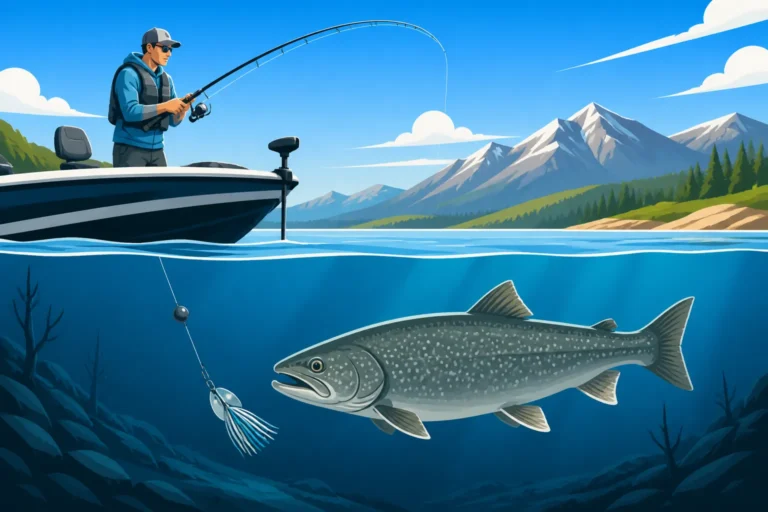
Targeting these deep-water bass requires a different approach. Techniques like drop-shotting, Carolina rigging, and deep cranking become incredibly effective. A good fish finder is invaluable here to locate structure and identify baitfish schools, which bass will often follow. For example, at Flaming Gorge, anglers often target smallmouth deep around submerged canyon walls and rock piles using drop-shot rigs. You might find a wide variety of excellent fish finders and related accessories on Amazon, which can really help pinpoint those elusive deep-water fish. Understanding How to Fish Deep Water for Summer Lake Trout can even offer some transferable concepts for finding deep bass. For specific lure recommendations, checking out Best Lures for Utah Smallmouth Bass can be a huge advantage.
Early Morning and Evening Surface Bites
Despite their preference for deeper water during the day, bass will still move shallow to feed during periods of low light. The early morning hours, right at dawn, and the late evening, as the sun dips below the horizon, can offer some of the most exciting summer bass fishing. During these times, the surface water is cooler, and bass feel more secure venturing into shallower coves, points, and weed lines to ambush baitfish.
This is prime time for topwater lures – poppers, walk-the-dog baits, and even buzzing frogs over lily pads can draw explosive strikes. Spinnerbaits and shallow-diving crankbaits can also be very effective as bass aggressively chase down meals before retreating to deeper water. Targeting areas with shade, like beneath overhanging trees or docks, can extend this shallow-water bite window. If you're wondering about the best times, our guide on the Best Time of Day to Fish in Summer Heat in Utah offers some great pointers.
Night Fishing for Bass
For serious summer bass anglers, especially those targeting larger fish, night fishing can be a game-changer. As the sun sets and surface temperatures drop significantly, bass become much more active and bold. They'll move into areas they wouldn't dare visit during the bright daylight hours, often feeding aggressively on baitfish and crawfish. This is particularly true for largemouth bass, which often prefer low-light conditions.
Night fishing requires specialized gear and patience. Dark-colored jigs, large spinnerbaits with thumping blades, and even slowly retrieved topwater lures can be incredibly effective. Fishing around lighted docks, if permitted, can also concentrate baitfish and, in turn, bass. Remember to bring a reliable headlamp (preferably with a red-light option to preserve night vision), insect repellent, and wear appropriate clothing. Safety is paramount when fishing at night, so make sure you're familiar with the area and your boat's operation if you're out on the water. Many anglers find high-quality headlamps and other night fishing essentials readily available on Amazon.
Fall: The Feasting Before Winter
Just when you think the best fishing is behind you, fall swoops in with some of the most consistent and exciting bass action of the entire year. As summer's heat fades and water temperatures begin their gradual descent, bass enter a crucial feeding period, gorging themselves in preparation for the long, lean months of winter. This can feel like a "second spring" in terms of bass activity.
Fall Turnover and Fish Movement
As air temperatures drop in late September and October, the surface water of deeper reservoirs cools. This cooler, denser water sinks, displacing the warmer water below and causing a phenomenon known as "fall turnover." This process essentially mixes the entire water column, equalizing temperatures and oxygen levels from top to bottom. While turnover can sometimes make fishing tricky for a few days, as fish disperse throughout the water column, it generally marks a period of increased activity once the lake stabilizes.
After turnover, bass are no longer restricted to specific temperature layers. They can be found at various depths, but they'll often key in on baitfish, which also become more active. Look for bass to start moving closer to main lake points, channel swings, and areas where baitfish are congregating. The cooler temperatures invigorate them, making them much more willing to chase and strike.
Aggressive Fall Feeding (The "Second Spring")
Once the lake settles after turnover and water temperatures are in the 50s and low 60s Fahrenheit, bass enter an intense feeding spree. This is a critical time for them to build up fat reserves for winter, making them highly aggressive and predictable. They are actively hunting baitfish, which are often schooling up in open water or along prominent structures. This is arguably the best time to catch larger bass.
During this "second spring," anglers can have success with a wide array of lures. Spinnerbaits, crankbaits, jerkbaits, and swimbaits that imitate baitfish are incredibly effective when retrieved at medium to fast speeds. Bass will often chase these lures down with gusto. Topwater bites can also persist into early fall, especially on warmer days, offering exhilarating surface strikes. Pay close attention to rocky points, the mouths of coves, and areas where creeks or rivers feed into the main lake, as these are often baitfish highways. Techniques like How to Catch Smallmouth Bass in Rocky Coves become incredibly relevant.
Late Fall Slowdown and Deeper Holds
As autumn progresses into late October and November, and water temperatures continue to drop into the 40s, the bass bite will gradually slow down. Fish will begin to move towards their deeper wintering grounds, congregating in large schools in specific areas. They'll still feed, but their metabolism will have significantly slowed, requiring a more subtle and deliberate presentation.
During late fall, bass will often hold tight to deep structure: steep bluffs, submerged timber, deep points, and channel edges. Vertical presentations become key. Jigs, jigging spoons, and slowly worked soft plastics (like drop-shots or Ned rigs) fished directly over and around these deep structures are your best bet. The bites will be lighter, and the retrieve speed needs to be much slower. It's a challenging period, but anglers who can pinpoint these deep schools can still have banner days, often catching multiple fish from a single spot. Patience and a good understanding of your fish finder are paramount here.
Winter: Challenging But Rewarding Opportunities
Winter bass fishing in Utah isn't for the faint of heart, but for those willing to brave the cold, it can offer unique and often rewarding experiences. Bass activity slows dramatically as water temperatures plummet, but they don't stop feeding entirely. The key is understanding their drastically reduced metabolism and adjusting your tactics accordingly.
Ice Fishing for Bass (Where Applicable)
In some of Utah's colder bass fisheries that completely freeze over, like parts of Deer Creek or even some coves in larger reservoirs, ice fishing for bass is an option. While not as common as ice fishing for trout or perch, smallmouth bass can certainly be caught through the ice. They'll typically hold near the bottom in deeper sections of the lake, often around rocky structures or humps.
When ice fishing for bass, very small, subtle presentations are key. Jigging spoons, small jigs tipped with a grub or a piece of nightcrawler, and even tiny swimbaits fished slowly and deliberately near the bottom can entice a strike. A sensitive ice fishing rod is crucial to detect the often incredibly light bites. Flashers or fish finders designed for ice fishing are also invaluable for locating bass and determining their depth. Always prioritize safety on the ice by checking ice thickness and fishing with a buddy. You can find essential Utah Ice Fishing Gear Guide items and more information on Amazon, from augers to shelters.
Open Water Winter Fishing
For those Utah lakes that remain largely ice-free, such as Lake Powell or Sand Hollow, open-water winter bass fishing presents a different challenge. Bass will typically be schooled up in their deepest wintering haunts, often suspend over deep water, or relate tightly to extreme deep structure. Their metabolism is at its lowest, meaning they won't chase a lure far, and strikes will be very subtle.
Success in open-water winter bass fishing hinges on slow, precise presentations. Vertically jigging spoons, blade baits, or heavy jigs tipped with soft plastics are highly effective when dropped directly onto a school of fish. Deep-diving crankbaits might work if you can slowly retrieve them along deep contours. The retrieve speed should be painstakingly slow, allowing the lure to remain in the strike zone for as long as possible. Many anglers find that fishing during the warmest part of the day, when bass might be slightly more active, can increase their chances. A quality fish finder is absolutely essential for locating these deep, lethargic schools.
Seasonal Bass Fishing Hotspots and Gear Recommendations
Knowing the best season is only half the battle; knowing where to go and what to bring completes the picture. Utah offers diverse opportunities, and being prepared makes all the difference.
Top Utah Bass Fisheries by Season
Here's a quick overview of some top bass fisheries in Utah and when they tend to shine for bass anglers:
| Fishery | Primary Bass Species | Best Season(s) | Key Areas/Techniques |
|---|---|---|---|
| Flaming Gorge | Smallmouth Bass | Late Spring, Summer, Early Fall | Rocky points, ledges, coves. Drop-shot, tubes, jigs. Deep summer fishing. Flaming Gorge Trophy Lake Trout Spots can sometimes relate to smallmouth structure. |
| Lake Powell | Largemouth, Smallmouth | Spring, Summer (night), Fall | Canyon walls, submerged timber, rocky shorelines. Crankbaits, jigs, topwater (spring/fall). Night fishing for stripers and bass. |
| Sand Hollow Reservoir | Largemouth Bass | Year-round (especially Spring, Fall, mild Winter) | Submerged brush, rocky points, weed lines. Jigs, swimbaits, jerkbaits, topwater. |
| Deer Creek Reservoir | Smallmouth Bass | Spring, Summer, Fall | Rocky points, main lake points, dam face. Drop-shot, Ned rig, crankbaits. |
| Utah Lake | Smallmouth Bass | Spring, Summer, Fall | Rocky perimeter, harbors, causeways. Jigs, crankbaits, soft plastics. |
| Quail Creek Reservoir | Largemouth Bass | Spring, Summer, Fall | Weed lines, coves, brush. Spinnerbaits, frogs, Senkos. |
Essential Gear for Year-Round Bass Success
Building a versatile tackle box is crucial for year-round bass fishing in Utah. You'll want to have options for different conditions and depths.
- Rods and Reels: A medium-heavy spinning rod (6'6" to 7') paired with a 2500-3000 size reel is excellent for most smallmouth and finesse techniques. For largemouth and heavier cover, a medium-heavy baitcasting rod (7' to 7'6") with a reliable baitcasting reel is indispensable. Look for quality rods and reels on Amazon that offer a good balance of sensitivity and power.
- Line: Keep a variety of line on hand. Fluorocarbon line (8-12lb test) is fantastic for its low visibility and sensitivity in clear waters, especially for drop-shotting and jigs. Monofilament (10-17lb test) works well for topwater and crankbaits due to its stretch. Braided line (20-40lb test) is excellent for fishing heavy cover, especially for largemouth, paired with a fluorocarbon leader. You can find a great selection of lines from brands like Seaguar, Berkley, or PowerPro on Amazon.
- Lures:
- Soft Plastics: Essential for all seasons. Senkos, worms, creature baits, and swimbaits in various colors (greens, browns, black/blue) will cover most situations. Be sure to have a variety of weights for Texas rigs, Carolina rigs, and drop-shot setups.
- Jigs: From finesse jigs for smallmouth to heavy flipping jigs for largemouth, these are incredibly versatile. Colors like black/blue, green pumpkin, and brown are staples.
- Crankbaits: Shallow-diving crankbaits for spring and fall, and deep-diving crankbaits for summer are crucial. Have a mix of natural baitfish colors and brighter patterns.
- Spinnerbaits: Great for covering water in spring and fall, especially around sparse cover. White, chartreuse, and natural patterns are popular.
- Topwater Lures: Poppers, walk-the-dog baits, and frogs provide thrilling action in spring, summer mornings/evenings, and fall.
- Jerkbaits: Excellent for aggressive bass in cooler water during spring and fall.
- Terminal Tackle: Hooks (EWG, straight shank, circle hooks), weights (bullet, worm, drop-shot), swivels, and split rings.
- Accessories: Pliers, line cutters, a good landing net, a scale, and a quality tackle box to keep everything organized. Many of these essential fishing accessories are widely available and well-reviewed on Amazon. Don't forget a first-aid kit for any unexpected cuts or scrapes on the water.
By understanding the seasonal shifts in bass behavior, knowing where to find them, and equipping yourself with the right gear, you'll be well on your way to consistent success on Utah's bass waters, no matter the time of year.
Disclaimer
The information provided in this guide is for general informational purposes only and does not constitute legal advice or guarantee fishing success. Fishing regulations, seasons, and limits are subject to change by the Utah Division of Wildlife Resources (UDWR). Always consult the most current official UDWR Fishing Guidebook before heading out on the water. Adherence to all local, state, and federal laws and regulations is the responsibility of the angler. Fishing carries inherent risks, and personal safety should always be prioritized.