Bear Lake Cutthroat Trout Facts
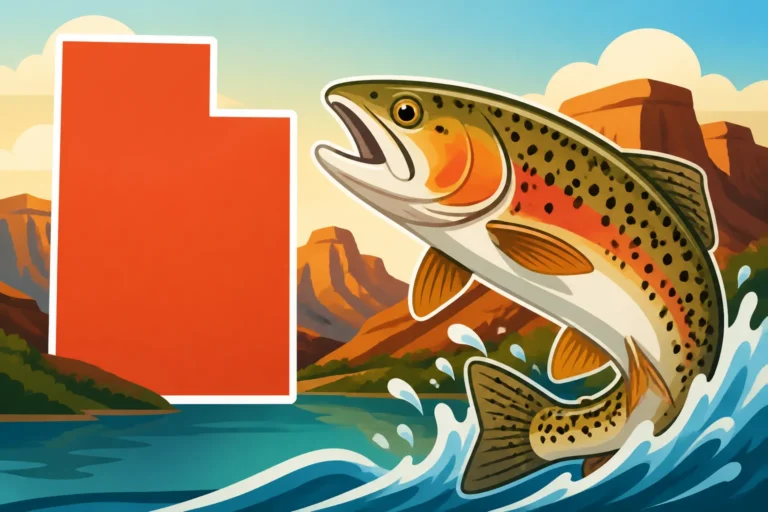
When you think about fishing in Utah, certain iconic species and locations immediately come to mind. But there's one particular trout that truly stands apart, a living legend confined almost exclusively to a single, breathtaking body of water: the Bear Lake Cutthroat Trout. Many anglers dream of encountering this magnificent fish, yet understanding its unique characteristics, habitat, and the efforts to preserve it can sometimes feel like sifting through a stack of old, dusty fishing tales rather than finding solid, actionable information. This guide will cut through the myths and give you the real facts about these incredible fish, helping you appreciate their distinct place in Utah's angling world and understand how to responsibly pursue them.
The Unique Heritage of Bear Lake Cutthroat Trout
Bear Lake, straddling the Utah-Idaho border, is a truly special place, often referred to as the "Caribbean of the Rockies" for its stunning turquoise waters. But beneath its beautiful surface lies an even more remarkable story: that of its native fish. Among these, the Bear Lake Cutthroat Trout holds a place of honor, representing a living connection to the lake's ancient past.
A Native Gem with a Rich History
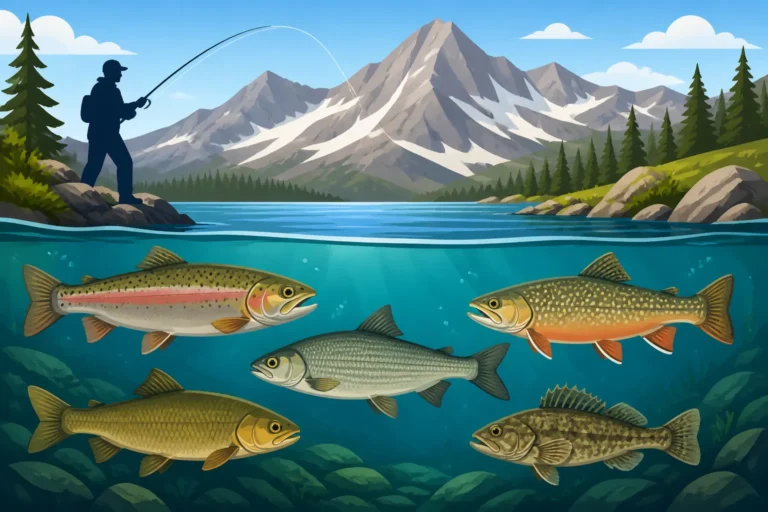
The Bear Lake Cutthroat Trout (Oncorhynchus clarkii utah) is not just any cutthroat; it's a unique subspecies that has evolved in isolation within Bear Lake for thousands of years. Imagine a lineage of fish that has seen countless seasons pass, adapting perfectly to the deep, cold, and incredibly clear waters of this natural wonder. Before the arrival of European settlers and the subsequent introduction of other fish species, the Bear Lake Cutthroat, alongside other endemic species like the Bonneville Cisco and Bear Lake Whitefish, ruled these waters. They are a testament to the lake's ecological integrity and a vital part of its natural heritage. Their history is intertwined with the very formation and unique characteristics of Bear Lake itself. When you hold one in your hands, you're not just holding a fish; you're connecting with millennia of evolutionary history.
These trout have faced numerous challenges over the centuries, from historical overfishing to competition with introduced species. Despite these pressures, dedicated conservation efforts have helped maintain their presence, though their populations require continuous monitoring and management. Understanding their historical context really drives home the importance of responsible angling and conservation practices today. They're a truly irreplaceable part of the aquatic tapestry, and their story is one of perseverance in a changing world.
Why Bear Lake Is Their Exclusive Domain
One of the most fascinating aspects of the Bear Lake Cutthroat Trout is their near-exclusive confinement to Bear Lake. While other subspecies of cutthroat trout, like the Bonneville Cutthroat, are found in various streams and lakes across the Great Basin, the Bear Lake Cutthroat is intrinsically linked to this specific body of water. This isn't just a preference; it's a result of geological history and unique hydrological conditions. Bear Lake is an ancient, natural lake, quite deep and cold, providing the ideal habitat for these trout. Its tributary streams also offer the specific spawning grounds they need.
The isolation of Bear Lake, coupled with its distinct ecosystem, allowed these cutthroat to develop unique genetic traits that differentiate them from their cousins. While some stocking programs have introduced Bear Lake Cutthroat into other waters to establish new populations or bolster existing ones, their native, thriving populations are found almost solely within Bear Lake and its immediate spawning tributaries. This makes them a true endemic species, a biological treasure that underscores the importance of protecting the lake's delicate balance. Fish Species Found Only in Bear Lake delves deeper into the other unique species found here. It's a prime example of how specific environmental conditions can lead to the evolution of distinct species, making Bear Lake a living laboratory for natural selection.
Identifying the Bear Lake Cutthroat
Spotting a Bear Lake Cutthroat Trout can be a thrill, especially when you understand what makes them special. While they share general characteristics with other cutthroat species, there are specific nuances that set them apart.
Distinctive Physical Characteristics
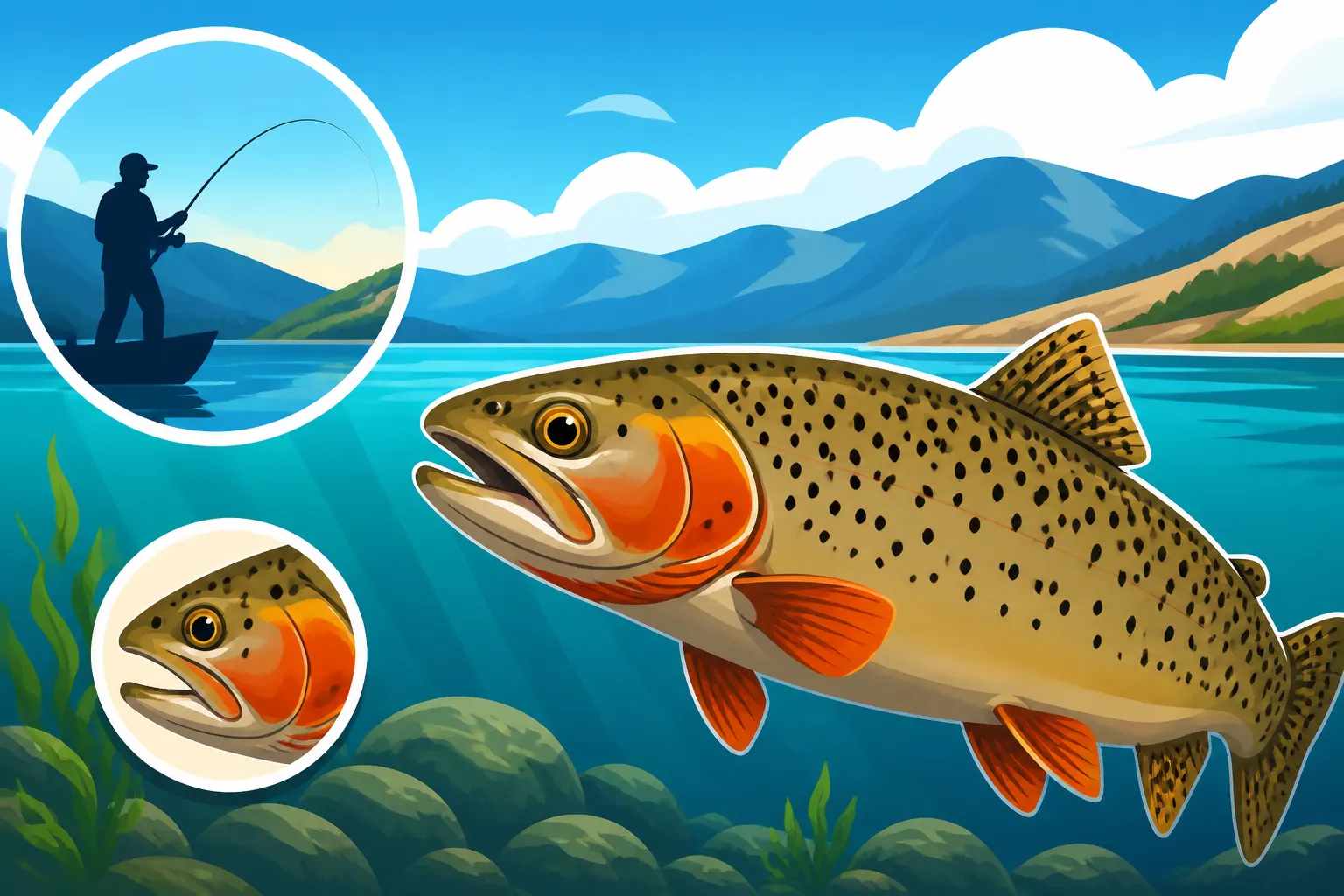
Like all cutthroat trout, the Bear Lake subspecies gets its name from the distinctive red, orange, or crimson slashes found under the lower jaw. This "cutthroat" mark can vary in intensity, sometimes appearing faint or almost non-existent in younger fish or those in different water conditions, but it's generally a reliable identifier. However, the Bear Lake Cutthroat often displays a few additional characteristics that help distinguish them.
They typically have a relatively small number of large, dark spots that are usually concentrated towards the tail, with fewer spots on the forward part of the body. Their overall coloration can range from silvery-green to bronze, often with a paler belly, but this can vary depending on their diet and the depth of water they inhabit. Fish caught in deeper, open water tend to be more silvery, while those found closer to shore or in shallower spawning tributaries might exhibit more vibrant, darker hues. Their heads are often proportionally larger than some other trout species, giving them a robust appearance that reflects their predatory nature in the deep lake environment.
Differentiating Them from Other Cutthroat Subspecies
Distinguishing a Bear Lake Cutthroat from other cutthroat subspecies, like the Bonneville Cutthroat Trout, can sometimes be challenging even for experienced anglers, as there can be overlap in appearance. However, there are general patterns to look for. Bonneville Cutthroat, for instance, tend to have more uniform spotting that extends further forward onto the body, sometimes even on the head. Their overall body shape might also be slightly different, reflecting their adaptation to riverine environments or smaller lake systems.
The genetic markers are the most definitive way to differentiate subspecies, but for anglers, paying close attention to the spotting pattern, the intensity of the cutthroat slash, and the general body morphology within the context of where the fish was caught can provide strong clues. Bear Lake Cutthroat tend to have those larger, sparser spots concentrated on the posterior half of the body. Furthermore, understanding the native range of each subspecies is key. If you're fishing in Bear Lake, the likelihood of catching a pure Bear Lake Cutthroat is very high, while in other drainages, you'd expect to find different subspecies. Knowing the specific water you're fishing helps immensely. For more on the broader family, check out Utah Trout Species Guide.
Bear Lake Cutthroat Life Cycle and Diet
Understanding the life cycle and dietary preferences of the Bear Lake Cutthroat Trout is crucial for both conservation efforts and for any angler hoping to successfully target these unique fish. Their strategies for survival and reproduction are finely tuned to the specific environment of Bear Lake.
Spawning Habits and Reproduction
The reproductive cycle of the Bear Lake Cutthroat is a critical period that dictates much of the lake's management. Unlike many trout that might spawn in the spring, Bear Lake Cutthroat typically undertake their spawning migrations in late winter and early spring, often beginning in February and extending into April. During this time, the mature trout leave the main body of Bear Lake and migrate into its tributary streams, such as St. Charles Creek, Swan Creek, and Fish Haven Creek. These streams provide the gravelly beds and cool, oxygenated water essential for egg development.
Female cutthroat dig redds (nests) in the gravel, deposit their eggs, and males fertilize them. After spawning, the adult fish return to the lake, leaving the eggs to hatch. The fry, once emerged, spend some time in the nursery streams, feeding on aquatic insects before eventually migrating downstream to the larger, richer waters of Bear Lake. This reliance on specific, clean tributary streams makes these areas incredibly important for the future of the species. Any degradation of these stream habitats, whether from pollution, development, or water diversion, can have a severe impact on the entire Bear Lake Cutthroat population. Regulations are often put in place to protect these critical spawning runs, so it's always wise to check Utah Fishing Season Dates and Limits before heading out.
What Keeps These Trout Thriving
The diet of Bear Lake Cutthroat Trout is robust and varied, reflecting their position as a top predator in the lake's ecosystem. Young cutthroat in the tributary streams will primarily feed on aquatic insects like mayflies, caddisflies, and stoneflies. Once they migrate into the vastness of Bear Lake, their diet expands significantly. A major food source, and what truly allows them to grow to impressive sizes, is the Bonneville Cisco.
The Bonneville Cisco is another species unique to Bear Lake, a small, silvery fish that schools in massive numbers, especially during its own spawning run in January. Cutthroat trout actively prey on these abundant forage fish. Beyond cisco, Bear Lake Cutthroat will also consume other small fish, such as sculpins, and various invertebrates found in the lake, including freshwater shrimp and insect larvae. This rich and diverse food base, particularly the protein-packed cisco, is what enables the cutthroat to put on significant weight and achieve trophy sizes. This intricate food web highlights the interconnectedness of all species within the Bear Lake ecosystem. If you're looking for bait, considering what they naturally eat is always a smart move. Many anglers find success with lures and baits mimicking these natural prey items, often available at local tackle shops or online at retailers like Amazon.
Conservation Efforts and Fishing Regulations
The Bear Lake Cutthroat Trout, despite its resilience, faces ongoing pressures from a variety of sources. Because of its unique status and the ecological importance of Bear Lake, significant conservation efforts are in place, supported by specific fishing regulations designed to protect and sustain this valuable fishery.
Protecting This Unique Fishery
Conservation of the Bear Lake Cutthroat Trout involves a multi-faceted approach, coordinated between Utah and Idaho wildlife agencies. One of the primary strategies is habitat protection and restoration, focusing particularly on the critical spawning tributaries. Efforts include managing stream flows, improving water quality, and ensuring adequate gravel beds for successful spawning. Without healthy streams, the cutthroat simply cannot reproduce effectively.
Another key component is managing the populations of non-native fish species that have been introduced into Bear Lake over the years. Some introduced species can compete with cutthroat for food or even prey on their young. Strategic stocking programs also play a role, sometimes supplementing natural reproduction or introducing genetically pure Bear Lake Cutthroat into other carefully selected waters as a safeguard. Research and monitoring are continuous, with biologists regularly assessing fish populations, growth rates, and reproductive success to inform management decisions. This scientific approach ensures that conservation efforts are effective and adapt to changing conditions. The health of the entire Bear Lake ecosystem is paramount to the survival of this incredible fish.
Rules for Anglers Targeting Bear Lake Cutthroat
Because of their unique and protected status, fishing for Bear Lake Cutthroat Trout comes with specific rules and regulations that every angler must be aware of and adhere to. These rules are designed to balance angling opportunities with the need for species preservation. Firstly, a valid Utah or Idaho fishing license is required, depending on which side of the lake you are fishing. Always carry your license and be ready to present it. You can find detailed information on how to get one in How to Buy a Utah Fishing License.
Specific bag and possession limits are in place for cutthroat trout, and these can vary by season, location (e.g., in tributaries versus the main lake), and even the size of the fish. Often, there might be length restrictions, such as slot limits, which require anglers to release fish within a certain size range while allowing them to keep smaller or larger fish. There might also be special restrictions during spawning season in the tributary streams, sometimes closing them entirely to fishing to protect the vulnerable spawning fish. Utah Fishing Regulations Explained will offer comprehensive details, but always consult the most current guide from the Utah Division of Wildlife Resources (DWR) or Idaho Department of Fish and Game. Responsible angling is not just about following the law; it's about being an active participant in conservation.
| Characteristic | Bear Lake Cutthroat Trout | Bonneville Cutthroat Trout | Rainbow Trout |
|---|---|---|---|
| Native Range | Bear Lake and tributaries | Great Basin, specific drainages | Pacific Ocean drainages, widely stocked |
| Jaw Slash | Present, variable | Present, variable | Absent |
| Spotting | Fewer, larger spots, concentrated towards tail | More numerous, smaller spots, extending further forward | Numerous, smaller spots, often covering entire body |
| Coloration | Silvery-green to bronze | Greenish-gold to tan | Silvery with pink/red band along side |
| Habitat Preference | Deep, cold lake, spawning in tributaries | Rivers, streams, smaller lakes | Adaptable to various habitats, common in stocked waters |
Angling for Bear Lake Cutthroat Trout
If you're ready to test your skills and try to catch one of these magnificent fish, there are specific strategies and gear considerations that will increase your chances of success while ensuring you fish responsibly.
Best Times and Techniques
Timing is everything when pursuing Bear Lake Cutthroat Trout. While they can be caught year-round, certain seasons offer better opportunities, largely influenced by their feeding patterns and spawning cycles.
- Winter (Ice Fishing): Ice fishing can be incredibly productive for cutthroat, especially during the famous Bear Lake Cisco Run Fishing Spots in January. During this period, cutthroat actively feed on spawning cisco. Jigging with tube jigs, spoons, or small swimbaits that imitate cisco can be very effective. Anglers often fish near structure or drop-offs where cutthroat ambush their prey.
- Spring: As the ice melts and temperatures rise, cutthroat become more active. Trolling with spoons, stickbaits, or pop gear and a worm can be successful in the main lake. During the early spring spawning runs in the tributaries (while adhering to specific regulations), fly fishing with streamer patterns that imitate baitfish or nymphs can also be fruitful.
- Summer: In the warmer months, cutthroat often retreat to deeper, cooler waters. Trolling becomes the dominant method, often using downriggers to get lures down to the thermocline where the fish reside. Early mornings and late evenings are typically the most productive times during summer.
- Fall: As water temperatures begin to drop, cutthroat once again become more active in shallower waters and near structure. Trolling remains effective, and shore anglers might find success casting spoons or spinners, especially during overcast days.
Regardless of the season, understanding the behavior of their primary forage, the Bonneville Cisco, is key. If you can locate schools of cisco, you're likely to find cutthroat nearby.
Essential Gear for Success
Having the right gear makes a huge difference, especially when you're targeting a powerful, deep-water fish like the Bear Lake Cutthroat.
- Rods and Reels: For trolling in the main lake, a medium-heavy action rod (7-9 feet) paired with a sturdy baitcasting or spinning reel spooled with 10-20 lb monofilament or braided line is ideal. You need something robust enough to handle the fight of a larger cutthroat and the drag of trolling gear. For ice fishing, a medium-action ice rod with a sensitive tip is crucial for detecting subtle bites in deep water.
- Lures and Bait: As mentioned, lures that imitate Bonneville Cisco are highly effective. This includes various spoons (like Daredevles, Kastmasters, or Tui Chub spoons), stickbaits (such as Rapalas or Thundersticks), and soft plastics like tube jigs or grub tails. Colors like silver, blue, white, and chartreuse tend to work well. Natural bait like minnows (where legal) or worms can also be effective, often fished under a bobber or on a bottom rig. Check local regulations on bait use.
- Electronics: A good fish finder is an invaluable tool, especially for locating schools of cisco and identifying where cutthroat are holding in the deeper water. For ice fishing, portable flasher units are essential for real-time depth and fish detection. Many anglers purchase these versatile units from Amazon or their local sporting goods store.
- Downriggers and Planer Boards: For effective summer trolling, downriggers are often necessary to present lures at precise depths. Planer boards can help spread your lines out, preventing tangles and covering more water.
- Safety Gear: Bear Lake is a large body of water that can become rough quickly. Always carry appropriate safety gear, including life jackets, communication devices, and know how to operate your boat safely. Utah Boating and Fishing Rules provides more detail.
- Landing Net and Release Tools: If you're planning to practice catch-and-release, a large, rubber-mesh landing net is essential to minimize harm to the fish. Barbless hooks are also highly recommended. If you're lucky enough to hook into a trophy, you'll want a reliable net, and you can find many great options on Amazon. Always know how to properly handle and release a fish safely. Read How to Release a Fish Without Hurting It in Utah for best practices.
Catching a Bear Lake Cutthroat Trout is an experience that combines a challenge with the immense satisfaction of connecting with a truly unique and beautiful native fish. Remember to always respect the regulations and the environment, ensuring these magnificent trout continue to thrive for generations to come.
Disclaimer
This article is for general informational purposes only and does not constitute professional advice. Laws, prices and regulations vary by location and change over time. Consult a qualified professional for guidance on your specific situation.