Fish Species in Deer Creek Reservoir
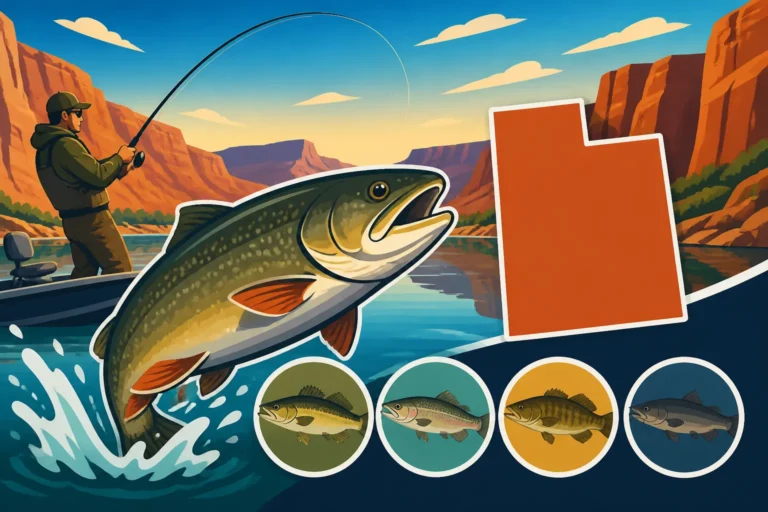
One of the most common questions I get from anglers looking to explore a new spot, or even revisit a familiar one, is "What fish can I actually catch there?" It's a valid concern! Nobody wants to spend hours on the water only to find out they're fishing for a species that doesn't even live there, or that the main draw of the lake is something completely different than what they packed for. Deer Creek Reservoir is a popular destination, easily accessible for many, but knowing its inhabitants is key to a successful and enjoyable day. This guide is all about peeling back the layers of Deer Creek to reveal the finned friends you're likely to encounter, helping you plan your next angling adventure with confidence.
A Diverse Fishery: What You'll Find Swimming in Deer Creek
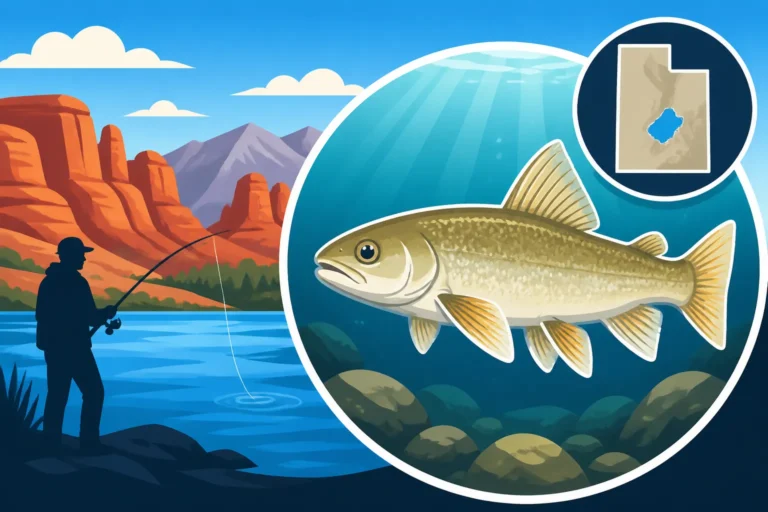
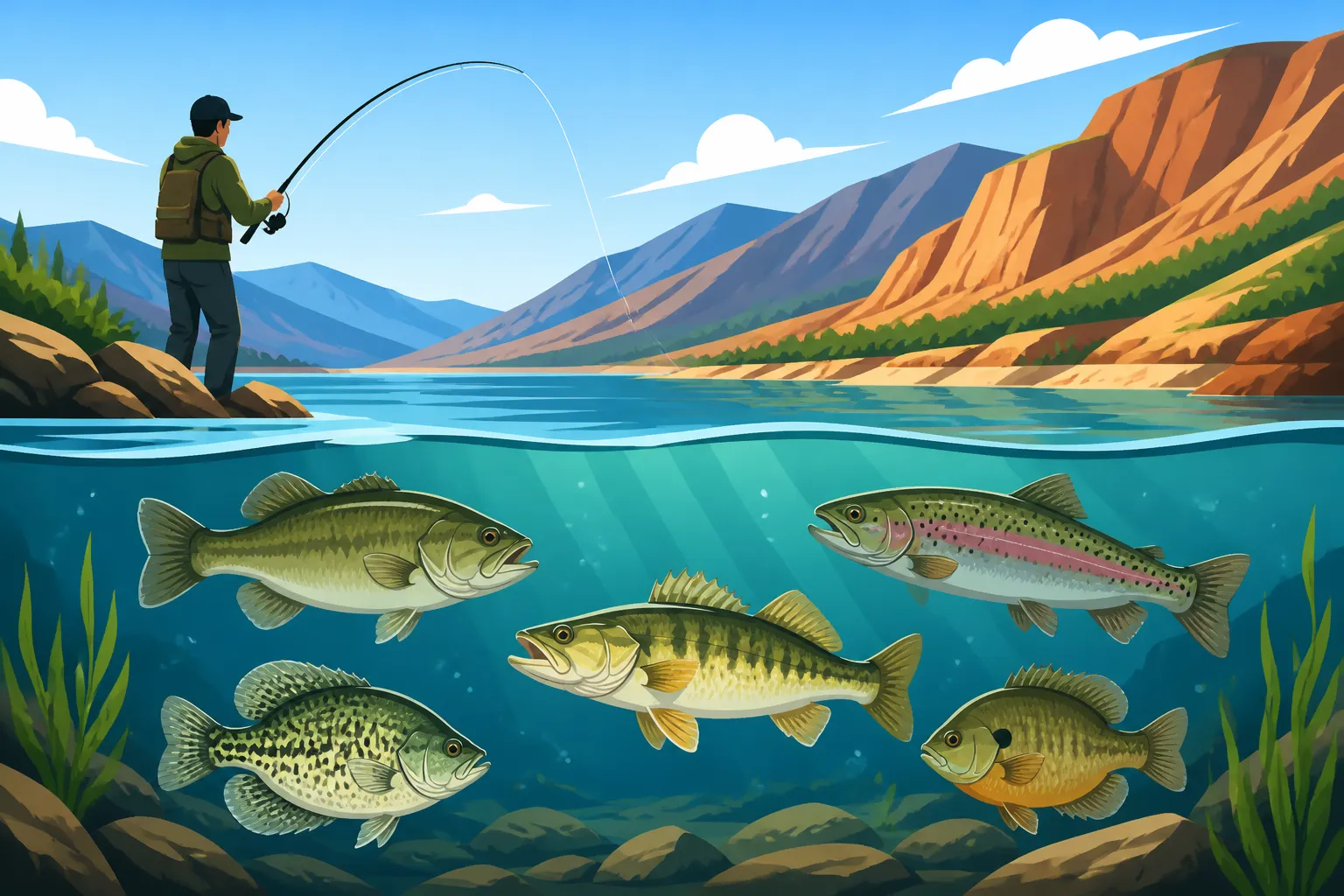
Deer Creek Reservoir, nestled in the scenic Heber Valley, is truly a jewel in Utah's fishing crown. It's a diverse body of water that offers a little something for everyone, whether you're chasing hard-fighting sportfish or just looking to put some tasty panfish on the stringer. The Utah Division of Wildlife Resources (UDWR) works hard to manage this fishery, ensuring a healthy population of several desirable species.
The Prized Trout Populations
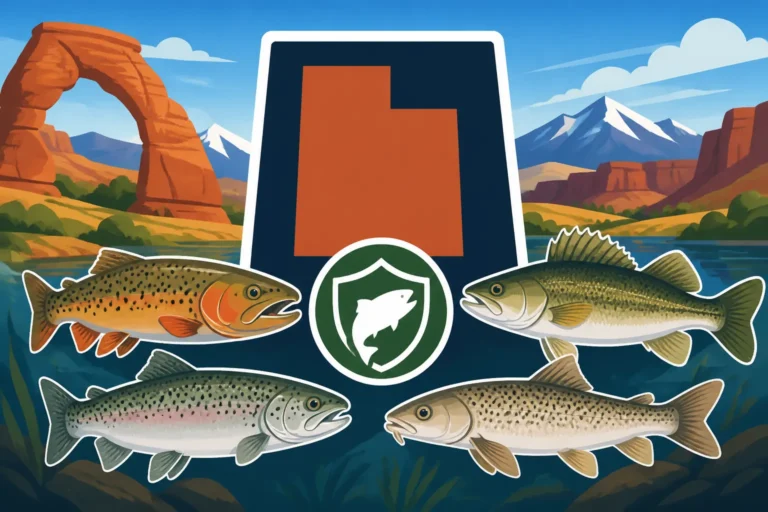
When you think about fishing in Utah, trout are often the first fish that come to mind, and Deer Creek certainly delivers on that front. The reservoir boasts strong populations of several trout species, making it a fantastic destination for fly anglers, bait fishermen, and trollers alike.
Rainbow trout are undoubtedly the most common trout you'll encounter here. These feisty, colorful fish are regularly stocked by the UDWR, providing consistent action for anglers of all skill levels. They're often found throughout the reservoir, cruising the shoreline in spring and fall, and heading to deeper, cooler waters during the summer months. You'll find them hitting a wide variety of baits and lures, from traditional worms and PowerBait to flashy spoons and spinners. Many anglers enjoy chasing these stocked rainbows because they offer a consistent bite, making for a great family fishing trip or a fun day out when you just want to feel a tug on the line. They're also quite delicious when fresh.
Brown trout, on the other hand, tend to be a bit more elusive and are highly prized by those who manage to hook into them. These beautiful, often larger trout are known for their predatory nature and their tendency to hide in structure or along drop-offs. While not as heavily stocked as rainbows, Deer Creek does have a self-sustaining population of brown trout, particularly in the deeper parts of the reservoir and near the inlets of the Provo River. Targeting brown trout often requires a bit more patience and specialized techniques, such as trolling larger crankbaits or presenting streamers on a fly rod. They're definitely a trophy species for many anglers who visit Deer Creek. If you're looking for tips, check out our Utah Brown Trout in Utah Rivers guide.
You might also come across cutthroat trout, particularly the Bonneville cutthroat, which is native to Utah. While not as prevalent as rainbows or browns in Deer Creek, they are present, often around the river inlets or cooler spring areas. Catching a native cutthroat is always a special experience, and they share many habits with their rainbow trout cousins, making them susceptible to similar presentations. They're often a bit more sensitive to warmer water, so focusing on cooler depths or early morning/late evening fishing can increase your chances.
Smallmouth Bass: A Fighting Favorite
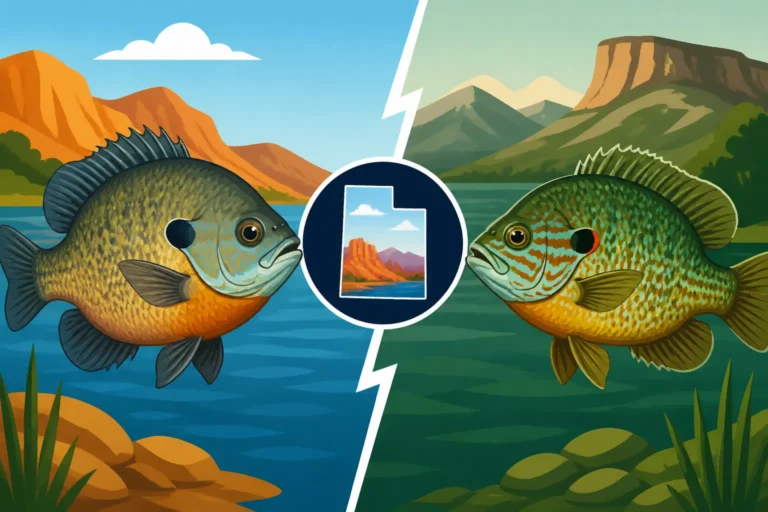
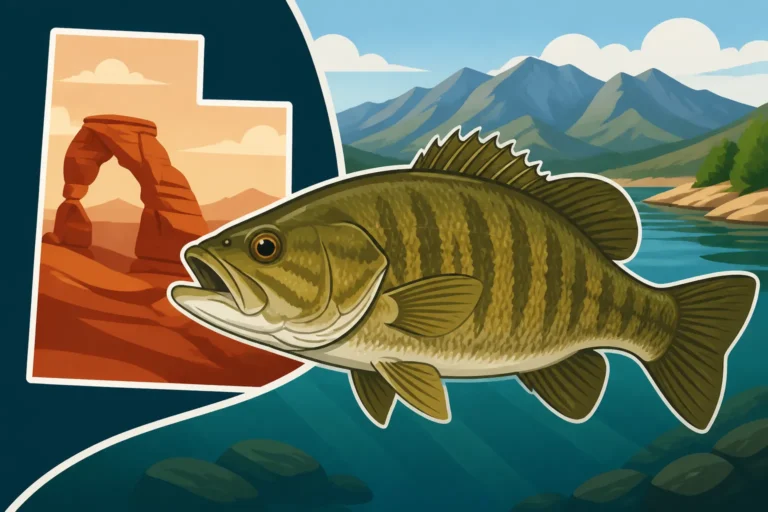
Beyond the trout, Deer Creek Reservoir is also home to a thriving population of smallmouth bass. For those who love a good fight, these bronze beauties are hard to beat. Smallmouth bass are known for their aggressive strikes and powerful, acrobatic leaps once hooked, often earning them the nickname "bronzebacks." They absolutely love rocky shorelines, submerged ledges, and areas with broken rock structure, which Deer Creek has in abundance.
You'll typically find smallmouth bass shallower in the spring when they're spawning, and then they'll follow baitfish into slightly deeper water as the summer progresses. They're extremely responsive to a variety of artificial lures, including crankbaits, spinnerbaits, jigs, and soft plastics. Many anglers find tremendous success throwing smallmouth bass lures like tubes or grubs on light jig heads, slowly working them along the bottom near rocky points. They offer an exciting change of pace from trout fishing and can provide intense action, especially during peak feeding times. Targeting them can be a great way to explore different sections of the reservoir and really get a feel for its varied structure. If you're getting started, our Best Lures for Utah Smallmouth Bass article has great tips.
Other Notable Residents
Deer Creek is a diverse aquatic ecosystem, and while trout and smallmouth bass tend to get most of the angler attention, there are a few other species that are well worth noting.
Kokanee salmon are a truly unique and exciting fish species found in Deer Creek. These landlocked sockeye salmon are distinct because they spend their entire lives in freshwater. They are incredibly popular among a dedicated group of anglers, particularly as they approach their spawning run in the fall when their silver bodies turn a brilliant red. During the spring and summer, kokanee are often found suspended in the water column, feeding on zooplankton. This makes them a challenging but rewarding target for trollers using downriggers and specialized small lures or wedding rings. When they start their spawning run, they can be targeted near the main river inlets. The challenge of catching these bright red beauties is what draws many back year after year. For those interested in the seasonal shifts, our Utah Fishing Season Dates and Limits guide can offer additional context.
And let's not forget about yellow perch. These panfish are abundant in Deer Creek and are fantastic for kids and beginners, or anyone just looking for some consistent action and a delicious meal. Perch are schooling fish, so where you catch one, you're likely to catch more! They tend to prefer weed beds, submerged brush, and slower-moving areas. They'll readily take small jigs tipped with bait like worms or mealworms, and are a blast to catch on light tackle. In winter, they become a primary target for ice fishermen, offering a lot of fun when other species slow down. They're truly a year-round opportunity at Deer Creek, providing fun for the whole family. If you're wondering about general trout fishing, check out Utah Trout Fishing Tips.
Seasonal Fishing for Deer Creek's Species
Understanding the fish species in Deer Creek is one thing, but knowing when and where to target them effectively throughout the year is another. Each season brings its own set of challenges and opportunities, influencing fish behavior and, consequently, your angling strategy.
Spring Excitement: Post-Spawn and Stocking
Spring is a season of renewal, and for fishing at Deer Creek, it's a time of increasing activity. As the ice recedes and water temperatures slowly climb, the fish begin to shake off their winter lethargy. This is a prime time for rainbow trout, as the UDWR often conducts significant stocking efforts, bringing fresh, hungry fish into the reservoir. These stocked rainbows are typically found closer to shore, cruising for easy meals, making them accessible to shore anglers using PowerBait, worms, or small spinners.
Smallmouth bass also become very active in the spring, especially as they move into shallower, warmer waters to begin their spawning rituals. You can often find them on rocky points and gravelly flats. Targeting them with jigs, soft plastics, or small crankbaits can be incredibly effective. The cooler water also means brown trout are more active and can be found closer to shore or around submerged structures before they retreat to deeper, cooler water in the summer. It's a great time for both quantity and quality, as many fish are eager to feed after the long winter.
Summer Strategies: Deep Water and Early Mornings
As Utah's summer sun intensifies and water temperatures rise, fish behavior at Deer Creek shifts dramatically. The trout, particularly the larger browns and even many rainbows, will seek refuge in the cooler, deeper sections of the reservoir. This means anglers often need to adjust their tactics to target these fish. Trolling with downriggers becomes a popular method for reaching suspended kokanee salmon and deep-dwelling trout, often using flashers, dodgers, and small spoons or wedding rings. If you're new to this, our Utah Trolling Techniques for Lake Trout article might provide some transferable insights.
Smallmouth bass will still be active, but you'll often find them congregating around deeper structure, such as submerged rock piles, ledges, and drop-offs. Early mornings and late evenings can be particularly productive as they move shallower to feed under lower light conditions. Fishing topwater lures during these times can be incredibly exciting. For shore anglers, focusing on shaded areas or fishing into the deeper pockets of the reservoir can still yield results. The middle of the day can be slower, so smart anglers adjust their schedules to hit the feeding windows.
Fall Feast: Aggressive Bites Before Winter
Fall is arguably one of the most beautiful and productive seasons for fishing Deer Creek. As temperatures begin to cool, the fish sense the impending winter and go on a feeding binge to pack on calories. This means aggressive bites and fantastic action across multiple species. Brown trout become especially active and aggressive, often moving shallower to feed heavily. This is a prime time for casting larger crankbaits or swimbaits from shore or boat, targeting their ambush points.
Kokanee salmon also become a significant draw in the fall as they complete their life cycle and stage for their spawning run. Their vibrant red colors are unmistakable, and while they can be challenging to entice to bite once they are fully focused on spawning, many anglers still pursue them. They'll congregate near river inlets, particularly the Provo River arm, providing unique sight-fishing opportunities. Rainbow trout remain active, feeding heavily and providing consistent action, especially as the water temperatures become ideal for them. This season offers a fantastic blend of trophy potential and consistent action.
Winter Wonderland: Ice Fishing Opportunities
When Deer Creek freezes over, it transforms into a winter wonderland for ice anglers. The reservoir typically develops a safe layer of ice, making it a popular spot for those who enjoy drilling holes and dropping lines. Ice fishing at Deer Creek primarily targets rainbow trout and yellow perch. These fish remain active under the ice, although their metabolism slows down, requiring a more subtle presentation.
Small jigs tipped with wax worms, mealworms, or small pieces of PowerBait are highly effective for both trout and perch. Flashy spoons can also attract attention. For perch, finding schools is key, and once you locate them, you can often enjoy fast-paced action. Trout tend to cruise more individually or in smaller groups. You'll find anglers setting up portable shelters or simply fishing in the open, enjoying the tranquility of the frozen landscape. Just be sure to check ice conditions regularly; safety is paramount. If you're getting started with ice fishing, our Utah Ice Fishing Guide is a great resource, and finding some essential gear on Amazon can help you get started comfortably.
Regulations and Conservation for Deer Creek Species
Fishing is a privilege, and with that comes the responsibility of adhering to regulations and practicing good conservation. The Utah Division of Wildlife Resources sets specific rules for Deer Creek Reservoir to ensure healthy fish populations for generations to come. It’s important to always consult the current Utah Fishing Guidebook before heading out, as rules can change.
Understanding Bag and Possession Limits
For each fish species in Deer Creek, there are specific daily bag and possession limits. These limits dictate how many fish of a certain species you can keep in a single day, and how many you can have in your possession (which includes fish at home from previous trips). For example, rainbow trout might have a general limit, but brown trout or kokanee salmon could have different, sometimes more restrictive, limits depending on the time of year or specific management goals.
These limits are not arbitrary; they are carefully determined by fisheries biologists to manage population health, ensure sustainable angling opportunities, and prevent overfishing. Ignoring these limits can lead to significant penalties, including fines and license suspension. Always count your fish carefully, and if you're uncertain, err on the side of caution. If you plan to keep fish, having a reliable cooler, perhaps one you found on Amazon, to keep your catch fresh is essential. The guide Utah Daily Bag and Possession Limits offers comprehensive details.
Protecting Deer Creek's Ecosystem
Beyond adhering to limits, practicing good conservation ethics is vital for maintaining the quality of fishing at Deer Creek. This includes proper catch and release techniques for fish you don't intend to keep, minimizing stress and injury to ensure they can survive and thrive. Wet hands, minimizing time out of water, and using de-barbed hooks are all simple but impactful practices.
Another critical aspect of conservation, especially in Utah, is preventing the spread of Aquatic Invasive Species (AIS) like quagga mussels. While not directly a fish species, these invasive organisms can decimate ecosystems, impacting fish populations and fishing opportunities. Always remember to Clean, Drain, and Dry your boat and gear after every outing at Deer Creek, especially if you plan to visit other waters. This simple act helps protect not only Deer Creek but all of Utah's precious waterways. Our Utah Aquatic Invasive Species Rules for Anglers covers this in more detail.
The Role of Stocking Programs
The healthy populations of many fish species in Deer Creek, particularly rainbow trout, are largely a result of ongoing stocking programs by the UDWR. These programs are a cornerstone of modern fisheries management, ensuring that popular fishing spots remain productive and accessible to anglers. Stocking helps to supplement natural reproduction, especially for species that might not reproduce effectively in the reservoir or to boost populations for recreational purposes.
These efforts provide consistent angling opportunities, which is fantastic for families, beginners, and anyone who enjoys reliable action. The UDWR carefully monitors fish health and growth, adjusting stocking numbers and species mixes as needed to maintain a balanced and vibrant fishery. So, while you're enjoying your day at Deer Creek, remember that a lot of science and hard work goes into ensuring those fish are there for you to catch! You can learn more about securing your access in our How to Buy a Utah Fishing License article.
Here's a quick overview of some of the key fish species you can target at Deer Creek Reservoir:
| Species | Primary Seasons | Common Techniques | Notes |
|---|---|---|---|
| Rainbow Trout | Year-round (Spring, Fall, Ice) | Bait, Spinners, Trolling, Jigs, Flies | Heavily stocked, great for all skill levels. |
| Brown Trout | Spring, Fall (Summer deep) | Trolling, Larger Lures, Streamers, Bait | More elusive, larger size potential. |
| Smallmouth Bass | Spring, Summer, Fall | Jigs, Crankbaits, Soft Plastics, Spinnerbaits | Aggressive fighters, prefer rocky structure. |
| Kokanee Salmon | Summer, Fall | Trolling with Downriggers, Small Lures | Challenging, turns red in fall spawn. |
| Yellow Perch | Year-round (Ice) | Small Jigs, Worms, Mealworms, Small Spinners | Abundant, excellent for kids and ice fishing. |
| Cutthroat Trout | Spring, Fall | Bait, Small Lures, Flies | Present but less common than rainbows/browns. |
Disclaimer
This article is for general informational purposes only and does not constitute professional advice. Laws, prices and regulations vary by location and change over time. Consult a qualified professional for guidance on your specific situation.