Tiger Muskie in Utah Reservoirs
If you've ever heard whispers around the boat ramp about a fish that's a true beast, a toothy predator that challenges even the most seasoned angler, chances are they were talking about the tiger muskie in Utah. These incredible hybrids are truly special, offering an intense fishing experience unlike anything else our reservoirs provide. But let's be real, chasing after these elusive giants can be incredibly frustrating if you don't know what you're doing. This guide is here to unravel the mystery, sharing everything you need to know to pursue these magnificent fish, from understanding their nature to the specialized gear and techniques required for success.
Understanding the Elusive Tiger Muskie
The tiger muskie isn't just another fish; it's a legend in the making for many anglers. Its unique characteristics make it both a formidable opponent and a crucial part of Utah's fisheries management strategy. It's a fish that demands respect and a whole lot of patience.
What Exactly is a Tiger Muskie?
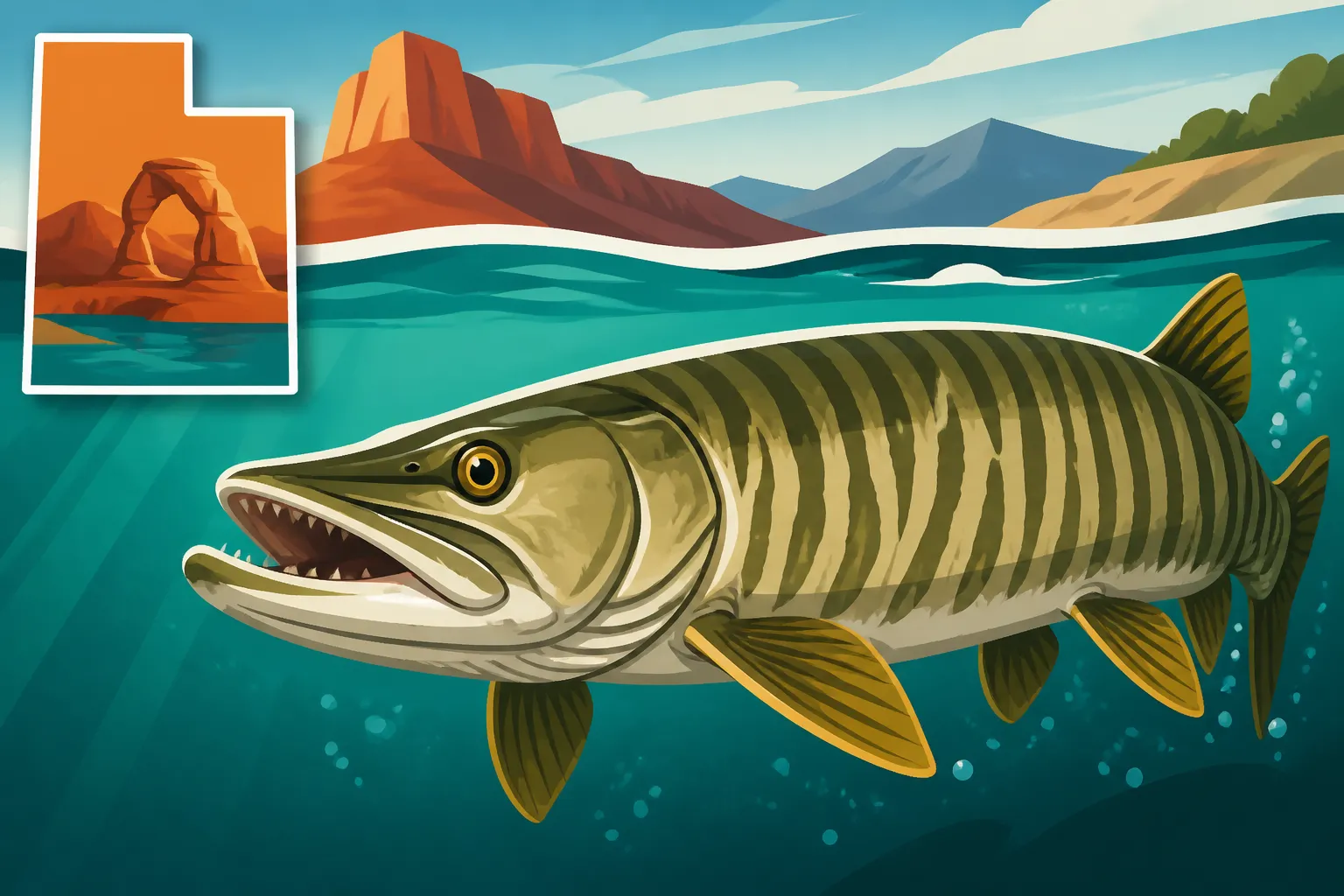
Imagine the sleek, elongated body of a northern pike, but with the distinctive tiger-striped patterns of a muskellunge. That's essentially what a tiger muskie is – a sterile hybrid, intentionally bred between a true muskellunge and a northern pike. These fish don't occur naturally in the wild, which is pretty cool when you think about it. They have those intimidating duck-bill shaped jaws filled with razor-sharp teeth, perfect for ambushing their prey. They're built like torpedoes, incredibly powerful, and known for their explosive strikes and head-shaking fights that can absolutely test your tackle and your nerves.
Their appearance is striking: dark, irregular vertical bars or spots over a lighter background, giving them that signature "tiger" look. No two tiger muskie look exactly alike, which adds to their allure. They can grow to impressive sizes, making them a top-tier trophy fish for those dedicated enough to pursue them. When you finally get one of these beauties to the boat, you'll instantly understand why they command such awe among anglers.
Why Were Tiger Muskie Introduced to Utah?
You might wonder why Utah's fisheries biologists decided to bring in such a formidable predator. It's actually a pretty clever management strategy! Tiger muskie are primarily stocked in certain Utah reservoirs to help control populations of less desirable or overpopulated fish species, particularly common carp and suckers. These "rough fish" can sometimes outcompete native or sport fish for food and habitat, throwing the delicate ecosystem out of balance. Because tiger muskie are voracious predators, they act as a natural, biological control, helping to reduce these populations.
Another major reason for their introduction is that they are sterile. This means they cannot reproduce in the wild. This is a huge benefit for fisheries managers because it allows them to introduce a strong predator without worrying about it overpopulating a water body or establishing an uncontrolled population that could negatively impact other species in the long term. They can be stocked as needed to maintain a balanced ecosystem, and their numbers are entirely controlled by the Utah Division of Wildlife Resources (DWR). Plus, let's be honest, they provide an incredible, unique trophy fishing opportunity for anglers, adding another exciting dimension to Utah's diverse fishing scene. It's a win-win for both the environment and us anglers!
Where to Find Tiger Muskie in Utah
Finding tiger muskie isn't like finding stocked rainbow trout; these fish are far less common and prefer specific environments. Knowing where to start looking is half the battle.
Primary Utah Reservoirs Known for Tiger Muskie
When we talk about tiger muskie in Utah, one name almost always comes up first: Pineview Reservoir. This beautiful body of water, nestled in Ogden Valley, is undoubtedly Utah's premier tiger muskie destination. It's where most anglers dedicate their time and effort, and for good reason—it consistently produces some truly magnificent fish. Pineview's habitat, with its varying depths, submerged structure, and healthy forage base, makes it an ideal home for these predators. It's truly a special place to target them.
While Pineview is the king, other reservoirs have seen tiger muskie stockings historically or periodically, such as Johnson Reservoir in Southern Utah, or Joes Valley Reservoir. However, these are often less consistent for trophy muskie. Always check the current Utah DWR fishing guide for the most up-to-date information on where tiger muskie might be found, as stocking efforts can change. The key is to focus your efforts where they're known to thrive, and currently, that's Pineview. Just remember that even in prime waters, success is never guaranteed with these fish – that's part of their mystique! For broader regulations, you can always consult the Utah Fishing Regulations Explained.
Preferred Habitats Within Reservoirs
Tiger muskie are ambush predators, so they're always looking for places to hide and surprise their prey. Within a reservoir, they absolutely love structure. Think about expansive weed beds, especially those with deeper edges or pockets, where they can lurk undetected. Submerged timber – old trees or brush piles – is another prime location, offering both cover and ambush points. Rock piles, ledges, and sharp drop-offs are also excellent spots, particularly if they are adjacent to shallower feeding flats.
During different seasons, their depth preferences can shift. In spring and fall, when water temperatures are cooler, they might be found shallower, cruising flats or the edges of weed beds looking for an easy meal. During the hotter summer months, they often retreat to deeper, cooler water, relating to deep structure or thermoclines, but they'll still make forays into shallower areas at dawn or dusk to feed. Understanding these habitat preferences is crucial for effective targeting. It's not enough to just be in a muskie lake; you need to be where the muskie are.
Essential Gear for Utah Tiger Muskie Fishing
Chasing tiger muskie isn't a job for your ultralight trout setup. These fish are big, powerful, and will expose any weakness in your tackle. Investing in the right gear is non-negotiable if you want a real shot at landing one.
Heavy-Duty Rods and Reels
When it comes to tiger muskie, "heavy-duty" is the operative phrase. You'll need a stout baitcasting rod, typically 7 to 9 feet in length, with a heavy or extra-heavy power rating and a fast action. This kind of rod has the backbone to cast large, heavy lures all day long and the power to set hooks firmly into a muskie's bony mouth. Trying to use a lighter rod is a recipe for fatigue and heartbreak. Many anglers find their preferred setup on retailers like Amazon, as the specialized nature of muskie gear sometimes isn't available in every local shop.
Pair your rod with a robust baitcasting reel designed for large game fish. Look for models with a high line capacity, a strong drag system, and durable gears. A smooth retrieve is also important, as you'll be making countless casts. For line, braided line is almost universally recommended for muskie fishing. Opt for a heavy braid, usually in the 65-100 pound test range. This provides the necessary strength, sensitivity, and resistance to abrasion. Remember, these fish have teeth! A strong leader made of heavy fluorocarbon (80-130lb test) or a specialized wire leader is absolutely essential to prevent bite-offs. Without it, you're just feeding lures to the muskie population.
Lures and Baits That Entice Tiger Muskie
Tiger muskie respond well to large, aggressive lures that mimic the forage fish in their environment, or simply annoy them into striking. You'll be throwing some truly imposing baits! Popular choices include large bucktail spinners, which create a lot of flash and vibration; big jerkbaits that you can rip and pause to imitate a wounded fish; and substantial swimbaits that look incredibly realistic in the water. Topwater lures, particularly walk-the-dog style baits or prop baits, can also be incredibly exciting when a muskie explodes on them at the surface.
Color patterns often depend on water clarity and forage. Natural baitfish colors (silver, white, perch patterns) are always a good starting point. Brighter colors (chartreuse, orange) can be effective in stained water or when trying to trigger an aggressive response. Regardless of the lure type, ensure it's equipped with strong, sharp hooks. Many anglers upgrade their hooks right out of the package to ensure they can stand up to a muskie's power. It's a good idea to research What Lures Work Best for Tiger Muskie in Utah? specifically for our local conditions to refine your selection.
Crucial Accessories for Landing and Handling
Landing and handling a tiger muskie safely, for both you and the fish, requires specialized tools. The most critical item is a large, sturdy landing net with a rubberized, tangle-free mesh. This protects the fish's slime coat and prevents hooks from getting hopelessly tangled. A net with a long handle is a huge advantage when battling a large fish boat-side.
Next, you'll need a serious set of long-nose pliers or specialized muskie hook removers. Their mouths are full of teeth, and reaching in with your bare hands is a very bad idea. Many seasoned muskie anglers also carry bolt cutters, specifically for cutting hooks if they're too deeply embedded or if the fish is too stressed to remove them conventionally. This sounds drastic, but it's often the fastest way to get a fish released, and hooks will rust out. A measuring board is essential for quickly getting the length of your trophy. Lastly, good quality, heavy-duty fishing gloves can offer some protection against those sharp teeth and gill plates if you absolutely need to handle the fish. Remember, catch and release is paramount for these magnificent fish, so having the right tools for a swift and safe release is just as important as the gear you use to catch them.
Techniques for Hooking a Utah Tiger Muskie
Catching a tiger muskie is often described as "the fish of 10,000 casts," and while that might be an exaggeration, it certainly speaks to the dedication and specific techniques required. These aren't passive fish; you need to actively hunt them.
Casting and Retrieval Strategies
Muskie fishing is a very active pursuit, primarily involving casting and retrieving. The goal is to cover as much water as possible, repeatedly presenting your lure to potential ambush points. When casting, aim for structure: weed line edges, submerged trees, rock piles, or transition areas where shallow water drops off into deeper sections. Cast beyond your target and retrieve through it, varying your retrieve speed and incorporating pauses, jerks, and twitches to make your lure look like an injured or erratic baitfish.
One of the most crucial techniques in muskie fishing, especially when using a boat, is the "figure eight." This is performed right at the side of the boat when your lure is almost back to you. Instead of lifting the lure out of the water, plunge your rod tip into the water and draw the lure in a large "figure eight" pattern beside the boat. Many muskie are known to follow a lure right up to the boat before striking, and this maneuver often triggers a bite from a hesitant fish. It can be startling when a muskie suddenly appears and crushes your lure a few feet away!
Trolling and Other Approaches
While casting is king for many muskie anglers, trolling can be a highly effective method, especially for covering large areas of water or targeting deeper-holding fish. Trolling allows you to present a lure at a consistent depth and speed for extended periods, which can be advantageous when fish are scattered or holding in open water. Large crankbaits, swimbaits, or even oversized spinners can be trolled successfully.
When trolling, pay close attention to your speed and the depth of your lures. Using a fish finder to identify schooling baitfish, structure, or even individual muskie is incredibly helpful. Downriggers or lead-core line might be necessary to get your lures down to the desired depths, particularly during the warmer months when muskie retreat to cooler water. Experiment with different depths and speeds until you find what triggers a bite. Some anglers also use live bait (where legal and appropriate for the species) for muskie, presenting large suckers or other baitfish under a float or on the bottom, though this is less common than artificial lure fishing in Utah for tiger muskie.
Seasonality and Prime Times
Understanding the best times to fish can dramatically increase your chances of success. Generally, spring and fall are considered prime seasons for tiger muskie in Utah. In spring, as water temperatures rise, muskie become more active and move into shallower areas to feed heavily after the winter. Fall is another fantastic time, often referred to as "the big fish season," as muskie feed aggressively to put on weight for the upcoming colder months. Overcast days or periods of stable weather, particularly before a cold front, can also trigger feeding frenzies.
During the summer, fishing can be tougher as muskie often go deeper to find cooler water. However, early mornings and late evenings, or even night fishing (where permitted), can be productive as they venture into shallower areas under low light conditions. Water temperature plays a huge role in muskie activity; they are often most aggressive when the water is in the 55-70 degree Fahrenheit range. Always consult a thermometer and fishing reports to help gauge activity. How to Catch Tiger Muskie in Utah offers even more specific advice on timing your trips.
Catch and Release Best Practices for Tiger Muskie
Given that tiger muskie are often sterile and stocked for management purposes, and that they represent a truly special trophy fish, proper catch and release techniques are absolutely critical. We want these magnificent fish to survive and grow for future angling opportunities.
Minimizing Stress on the Fish
The moment a tiger muskie hits your lure, the clock starts ticking. Your goal should be to land the fish as quickly and efficiently as possible to minimize its fight time and subsequent stress. This is one of the key reasons for using heavy gear; it allows you to bring the fish in without an extended battle that can exhaust it to the point of no return. Avoid chasing the fish around with your boat excessively. Once landed, keep the muskie in the water as much as possible. A large net, as mentioned earlier, is invaluable here.
Try to avoid lifting the fish vertically by its head or tail, as this can cause internal damage. If you absolutely must remove it from the water for a quick photo, support its entire body horizontally with both hands—one hand under the belly and the other supporting the tail. Minimize its time out of the water to mere seconds. Excessive handling, squeezing, or allowing the fish to flop around on a hard surface strips off its protective slime coat and can lead to injury or infection. Treat every muskie as a precious resource, because they truly are.
Safe Hook Removal and Release
This is where your specialized tools really shine. With the fish still in the net and submerged, use your long-nose pliers or hook removers to carefully extract the hooks. Sometimes, muskie will be "lip-hooked," making removal relatively straightforward. Other times, the hooks might be deeply embedded. This is when patience and knowing when to cut the line (using those bolt cutters) become vital. If the hooks are too deep or the fish is thrashing, it's far better to cut the line and leave a hook in than to prolong the ordeal. Hooks will eventually rust out, and the fish has a much better chance of survival.
Once the hooks are out, support the fish gently in the water, holding it upright by the tail and allowing water to flow over its gills. This revives the fish. Don't simply toss it back; wait until it actively kicks its tail and swims away under its own power. Sometimes, this can take a few minutes. Release the fish only when it's strong enough to swim off on its own. For more general advice on handling fish, you can check out How to Release a Fish Without Hurting It in Utah.
Regulatory Considerations
Always, always, always be aware of the current Utah fishing regulations for tiger muskie. These can include specific size limits (minimum or slot limits), daily bag and possession limits, and even tackle restrictions for certain waters. These rules are in place for a reason – to protect the fishery and ensure its health for years to come. The Utah DWR fishing guide is your authoritative source for this information.
You might find that some waters have very restrictive harvest rules, or even require immediate release for tiger muskie. Penalties for violating these regulations can be significant, so don't risk it. Before you head out, make it a habit to check the DWR website or pick up a printed copy of the Utah Fishing Season Dates and Limits to ensure you're compliant. Knowing the rules isn't just about avoiding a fine; it's about being a responsible and ethical angler who cares for the resource.
The Thrill and Challenge of Tiger Muskie Fishing
Few fish capture the imagination of anglers quite like the tiger muskie. It's not just a fish; it's an experience, a relentless pursuit that builds character and rewards patience like no other.
Why Anglers Seek Out Tiger Muskie
The allure of the tiger muskie lies in its status as a true trophy fish. It's not uncommon to hear it called "the fish of 10,000 casts," a testament to its elusive nature and the dedication required to catch one. When you finally connect with a muskie, the strike is often savage and unforgettable. The fight that follows is powerful, characterized by explosive runs, head shakes, and sometimes even acrobatic leaps. It's a true test of an angler's skill, strength, and tackle. There's a certain prestige that comes with landing one of these striped giants, a sense of accomplishment that few other fish can provide.
Beyond the fight, there's the unique beauty of the fish itself. Each tiger muskie has its own distinct pattern, making every catch a unique visual experience. For many, it's not just about the numbers; it's about the quality of the encounter. The challenge of outsmarting such an intelligent and wary predator is immensely satisfying, fostering a deep respect for the fish and the natural world it inhabits. It's why anglers spend countless hours, often in less-than-ideal weather, just for the chance to tangle with one.
| Characteristic | Tiger Muskie | Northern Pike | Muskellunge |
|---|---|---|---|
| Origin | Sterile Hybrid | Native to Northern Hemisphere | Native to North America |
| Appearance | Irregular dark bars/spots on light body | Light spots on dark body | Dark bars/spots on light body (more regular) |
| Cheek Scales | Partially scaled | Fully scaled | Partially scaled |
| Tail Fin | Rounded | Rounded | Pointed |
| Growth Rate | Very fast | Moderate | Moderate to fast |
| Max Size (approx.) | 50+ inches | 40-50 inches | 60+ inches |
| Reproduction | Sterile (no natural reproduction) | Reproduces naturally | Reproduces naturally |
| Behavior | Aggressive, ambush predator | Aggressive, ambush predator | Aggressive, ambush predator |
Patience, Persistence, and Learning
If there's one thing tiger muskie fishing will teach you, it's patience. You can fish for hours, even days, without a single bite. It's easy to get discouraged, but true muskie anglers understand that persistence is key. Every cast is an opportunity, and every follow (when a muskie trails your lure but doesn't strike) is a valuable piece of information. Learning from these follows—changing your retrieve, your lure, or your presentation—is how you eventually trick these wary fish into biting.
The journey of becoming a successful muskie angler is ongoing. It involves endless hours on the water, meticulous attention to detail, and a willingness to adapt. You'll learn about seasonal patterns, preferred forage, water temperatures, and the subtle cues that indicate a muskie might be present. It's a demanding pursuit, both physically and mentally, but the rewards are immeasurable. When that moment comes, and a massive tiger muskie slams your lure, all those hours of casting, all the frustration, simply melt away, replaced by pure, exhilarating adrenaline. It's a special kind of fishing that truly gets in your blood. For those just starting out, remember that while Utah Fishing Techniques for Beginners are a good start, muskie fishing is a master's course.
Disclaimer
This article is for general informational purposes only and does not constitute professional advice. Laws, prices and regulations vary by location and change over time. Consult a qualified professional for guidance on your specific situation.