Why Flaming Gorge Kokanee Populations Are Declining
It’s a tough pill to swallow when you hear news about a beloved fishery struggling, and for many of us who cherish the turquoise waters of Flaming Gorge, the whispers about declining Kokanee salmon populations hit especially hard. You plan your trips, you invest in specific gear, and you dream of those vibrant, hard-fighting silver bullets, only to wonder if the fishing will be as good as it used to be. This guide dives deep into the complex reasons behind the challenges facing Flaming Gorge Kokanee and what’s being done to help this incredible fishery thrive once more.
Understanding the Kokanee Salmon at Flaming Gorge
For anglers across Utah and beyond, the Kokanee salmon at Flaming Gorge are more than just a fish; they're an experience. These landlocked sockeye salmon offer a unique and exciting challenge, known for their powerful runs and delicious pink flesh. But to understand their decline, we first need to appreciate their place in this magnificent reservoir.
A Beloved Fishery and Its Unique Challenge
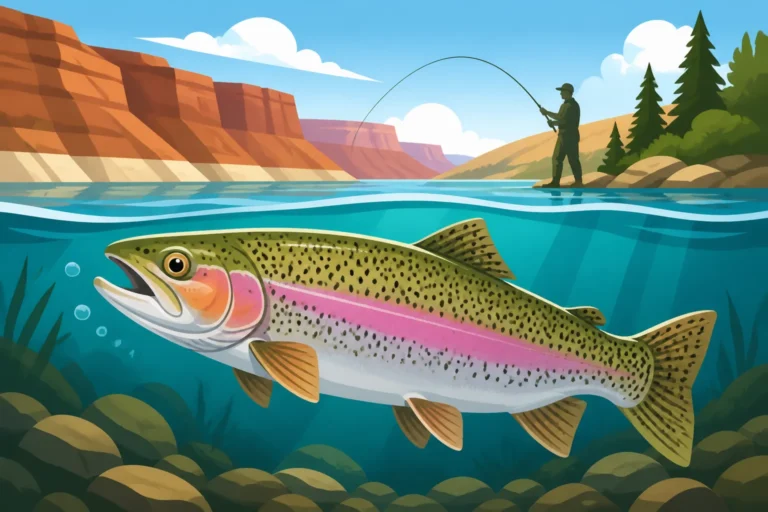
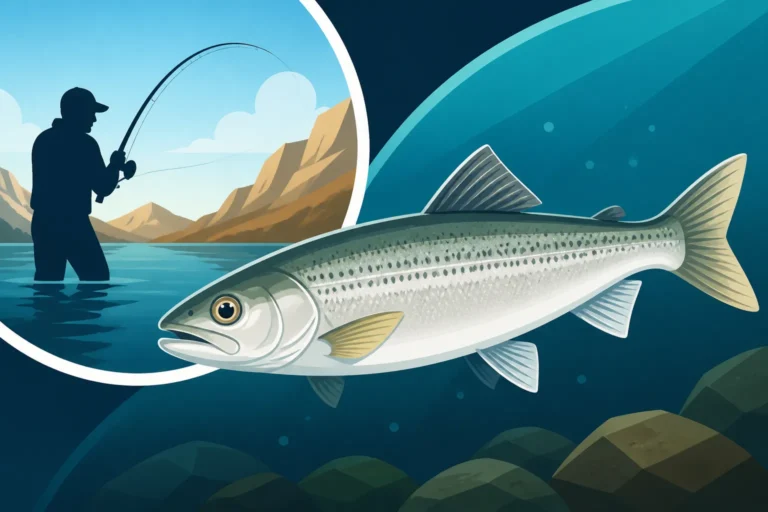
Flaming Gorge Reservoir, straddling the Utah-Wyoming border, is renowned for its diverse fishing opportunities, and the Kokanee salmon stands out as a true gem. Anglers often spend countless hours perfecting their trolling techniques, trying to entice these schooling fish. There's a real thrill in seeing that rod bend over the side of the boat as a Kokanee hits your lure, fighting with all its might. For many, a successful day means a cooler full of these prized fish, ready for the smoker or grill. The sheer beauty of catching a brilliant red Kokanee during the fall spawn is an unforgettable experience, drawing crowds to certain areas of the reservoir.
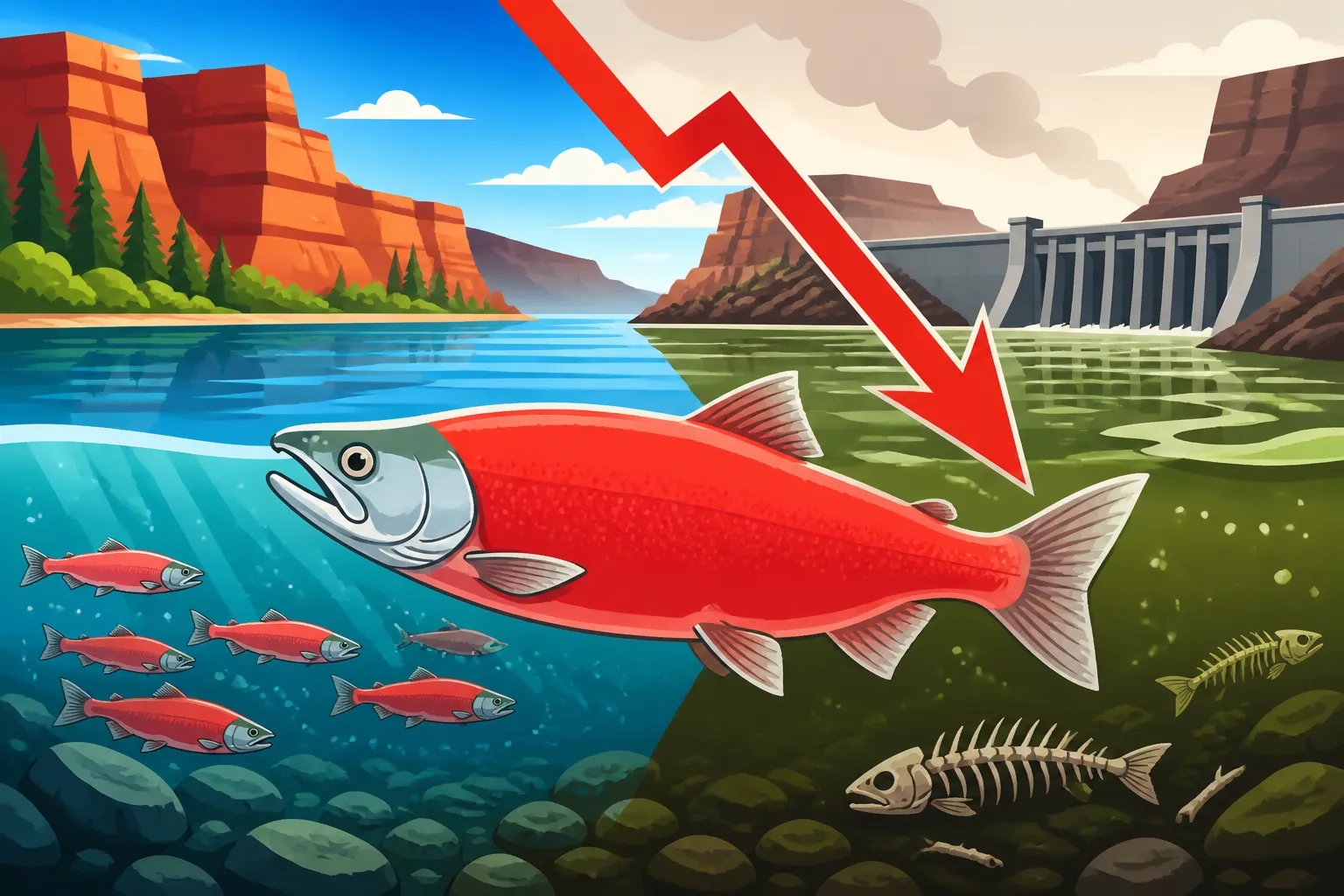
However, over the last few years, a concerning trend has emerged: fewer fish, smaller sizes, and a palpable shift in the fishing experience. This isn't just anecdotal; it's a recognized challenge for fisheries managers and a source of frustration for dedicated anglers. The complexity comes from Flaming Gorge being a massive, deep reservoir with multiple predator and prey species, each playing a critical role in the overall ecosystem balance. Any shift in one area can have a ripple effect throughout the entire system.
The Life Cycle of Kokanee in Utah
Kokanee salmon are fascinating fish, essentially sockeye salmon that have adapted to live their entire lives in freshwater lakes and reservoirs rather than migrating to the ocean. Their life cycle is relatively short, typically spanning three to four years. They start as eggs, usually laid in the shallow, gravelly areas of tributary streams or sometimes along reservoir shorelines in the fall. After hatching, the fry spend some time in the safety of these areas before venturing into the main body of the reservoir.
As they grow, Kokanee feed almost exclusively on zooplankton – tiny, microscopic crustaceans that drift in the water column. This specialized diet means they are incredibly sensitive to the availability and quality of this food source. They mature rapidly, spending their adult lives in the open waters of the reservoir, often schooling together. Once they reach maturity, usually in their third or fourth year, their biological clock tells them it's time to spawn. Their bodies transform, turning a brilliant red, and the males develop a distinctive hooked jaw. They then undertake a final, arduous migration back to their natal streams or chosen shoreline areas to spawn, after which they complete their life cycle and die. This "semelparous" life history, where they reproduce once and then perish, means that each generation's success is absolutely vital for the population's continuation. Understanding this delicate cycle is key to understanding why they're so vulnerable to changes in their environment. Utah Kokanee Salmon Guide provides more detail on these unique fish.
Key Factors Contributing to the Decline
When we talk about the decline of Kokanee in Flaming Gorge, it's rarely a single culprit. It's often a confluence of interconnected factors that create a "perfect storm" for these sensitive fish. Pinpointing these issues helps us understand the challenge and potential solutions.
Changing Forage Base and Competition
One of the most critical elements for any fish population is its food source. For Kokanee, it's almost entirely zooplankton. Imagine a vast underwater buffet, and Kokanee are the picky eaters who only want a specific type of tiny shrimp. If that buffet starts running low, or if too many other diners show up, the Kokanee are going to struggle.
Historically, Flaming Gorge has been rich in the right types of zooplankton to support a robust Kokanee population. However, ecosystems are dynamic. Changes in water temperature, nutrient levels, or even the introduction of new species can alter the zooplankton community. If the abundance of preferred zooplankton decreases, or if its distribution changes (e.g., deeper in the water column), Kokanee must expend more energy to find food, impacting their growth and survival rates. Adding to this pressure is the competition from other fish species. While Lake Trout are often seen as the primary predator, species like rainbow trout and even smallmouth bass, especially during their juvenile stages, can also feed on zooplankton or compete for smaller prey items. This competition can indirectly reduce the food available for young Kokanee, impacting their ability to grow and survive to adulthood. This makes them less robust before they even encounter their main predators.
Predation Pressure from Top Predators
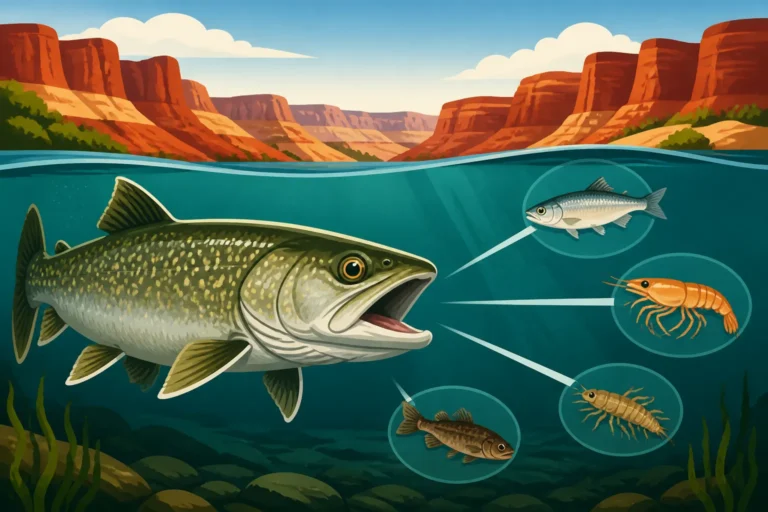
It's a harsh reality in any ecosystem: bigger fish eat smaller fish. In Flaming Gorge, the biggest and most effective predator of Kokanee salmon is the lake trout, often called "Mackinaw" by local anglers. These apex predators can grow to immense sizes in Flaming Gorge, and they have a voracious appetite. As the lake trout population has grown and sustained itself with a plentiful food source (Kokanee), the pressure on the Kokanee has intensified.
Think about it this way: if a few years back, you had a certain number of Kokanee stocked, and a certain number of Mackinaw present, the balance might have been sustainable. But if the Mackinaw population grows, and each individual Mackinaw is getting larger, they need to eat more Kokanee to sustain themselves. This creates a predator pit that the Kokanee struggle to escape. State wildlife agencies, recognizing this imbalance, have taken significant steps, including removing bag and possession limits for lake trout under a certain size in some areas of Flaming Gorge. The idea is to encourage anglers to harvest more of the smaller, more numerous lake trout, thereby reducing the overall predation pressure on Kokanee. Why Utah and Wyoming Removed Lake Trout Limits at Flaming Gorge delves into the reasons behind these drastic but necessary measures. While this sounds like it directly benefits Kokanee, it requires active angler participation to be truly effective.
Environmental Variables and Habitat Concerns
Beyond the intricate dance of predator and prey, the physical environment of Flaming Gorge plays a massive role in the health of its Kokanee. Just like us, fish need stable and suitable living conditions. Any significant deviation can cause stress, reduce survival, or impact their food sources.
Water levels in large reservoirs like Flaming Gorge are influenced by snowpack, rainfall, and downstream demands. Prolonged periods of drought can lead to lower water levels, which might reduce the overall volume of suitable habitat for Kokanee, especially during critical times like spawning. Lower water levels can also lead to warmer water temperatures in shallower areas, which can be stressful for Kokanee, as they prefer cooler waters. Changing water temperatures can also affect the zooplankton bloom, altering when and where their primary food source is available.
Water quality, including factors like dissolved oxygen levels and nutrient content, is also vital. While Flaming Gorge generally boasts excellent water quality, any localized issues could impact fish health. For example, if a tributary stream where Kokanee spawn experiences unusual sediment runoff or pollution, it could reduce the success of egg incubation. These environmental shifts, often linked to broader climate patterns, add another layer of complexity to the conservation efforts for these beautiful salmon.
Management Strategies and Angler Involvement
Addressing the decline of a fish population in a vast and complex ecosystem like Flaming Gorge requires a multi-pronged approach. It’s not just about what the fish are doing, but also how fisheries managers respond and, crucially, how anglers participate.
Fisheries Management Efforts by Wildlife Agencies
The wildlife agencies in Utah and Wyoming (primarily the Utah Division of Wildlife Resources, or UDWR, and the Wyoming Game & Fish Department) are actively engaged in managing the Flaming Gorge fishery. Their efforts are data-driven and aim to restore balance to the ecosystem. One of the primary tools in their arsenal is stocking. Because Kokanee salmon die after spawning, populations are often maintained and supplemented through annual stocking programs. Millions of Kokanee fry are released into the reservoir each year, carefully timed to give them the best chance of survival. The agencies continually monitor these stocked fish to assess their growth, survival, and contribution to the overall fishery.
Another critical area is regulation adjustment. As mentioned earlier, the decision to remove bag and possession limits for smaller lake trout was a direct response to the predation pressure on Kokanee. This isn't a decision made lightly; it's based on extensive research and population modeling. They also implement other regulations, like specific bag limits for Kokanee themselves during certain seasons, or restrictions on gear, all designed to protect the population and ensure a sustainable harvest. Furthermore, agencies conduct ongoing monitoring and research. This involves netting surveys, angler creel surveys, and sophisticated tracking of fish movements and health. They analyze data on zooplankton populations, water quality, and the health of other fish species to gain a holistic understanding of the reservoir's ecosystem. This scientific approach helps them adapt strategies as conditions change.
The Role of Anglers in Conservation
While fisheries managers set the rules and conduct the science, the success of any conservation effort ultimately relies on the actions of individual anglers. We are the boots on the ground, the eyes on the water, and our collective impact is significant. The most crucial role an angler plays is adhering to regulations. This means understanding and following all bag limits, size restrictions, and specific rules for certain species. For example, knowing that there's a mandatory harvest for smaller lake trout in Flaming Gorge means consciously choosing to keep those fish rather than releasing them, even if you typically practice catch-and-release for other species. Finding the right gear to safely handle and dispatch these fish can be a good investment; many excellent filleting knives and cool storage solutions are available on platforms like Amazon.
Responsible fishing practices go beyond just regulations. It includes minimizing stress on released fish, properly disposing of trash and fishing line, and being mindful of aquatic invasive species rules. When it comes to Utah Aquatic Invasive Species Inspection Stations, remember that clean, drain, and dry is the mantra to prevent further ecological disruption. Anglers can also contribute by reporting observations. If you notice unusual fish behavior, discover a new invasive species, or have consistent feedback on fishing success (or lack thereof), sharing this information with the UDWR can be incredibly valuable to their monitoring efforts. Being an informed, ethical, and engaged angler is arguably the most powerful tool in helping the Kokanee, and the entire Flaming Gorge ecosystem, recover and thrive.
Here's a quick comparison of the Kokanee and their primary predator in Flaming Gorge:
| Feature | Kokanee Salmon (Prey) | Lake Trout (Predator) |
|---|---|---|
| Primary Diet | Zooplankton (microscopic crustaceans) | Smaller fish (primarily Kokanee, whitefish) |
| Typical Size in FG | 12-18 inches | 20-40+ inches (can be very large) |
| Lifespan | 3-4 years (die after spawning) | 15-25+ years |
| Preferred Habitat | Open, cooler water; schools often near surface | Deep, cold water; structure-oriented |
| Reproduction | Spawn in streams/shorelines (fall) | Spawn in deep rocky areas (fall) |
| Angler Pressure Goal | Sustainable harvest; protect spawning stock | Increased harvest of smaller fish to reduce predation |
The decline in Flaming Gorge Kokanee populations is a complex issue, intertwined with the reservoir's delicate ecosystem, the dynamics between predator and prey, and environmental shifts. However, it's not a hopeless situation. Through dedicated efforts from fisheries managers—who are constantly adapting their stocking programs and regulations like those discussed in Utah Fishing Regulations Explained—and the proactive involvement of anglers, there is a strong commitment to restore the balance. Understanding the challenges, actively participating in conservation efforts by following regulations, and appreciating the intricate life cycle of these incredible fish are all steps we can take to ensure future generations can experience the thrill of fishing for Flaming Gorge Kokanee. Keep an eye on local reports and regulations, and let's work together to help this iconic fishery rebound.
Disclaimer
This article is for general informational purposes only and does not constitute professional advice. Laws, prices and regulations vary by location and change over time. Consult a qualified professional for guidance on your specific situation.