Are Smallmouth Bass Considered Invasive in Utah?
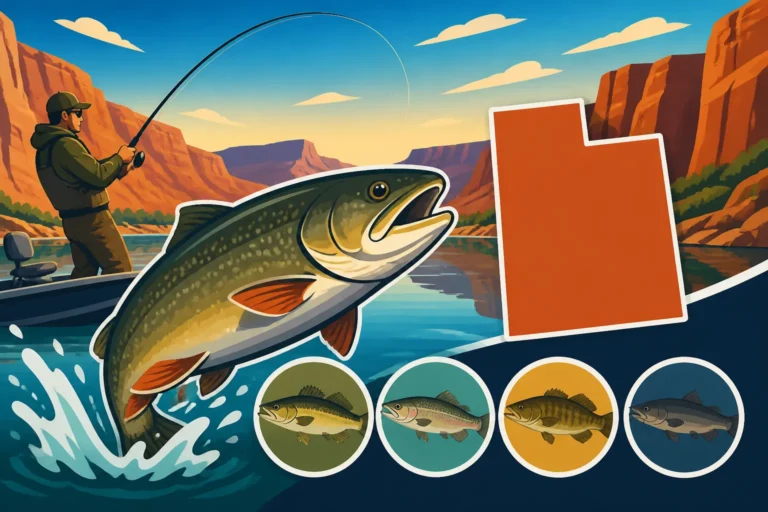
It's a question many Utah anglers ponder as they cast their lines into our beautiful reservoirs and rivers: are smallmouth bass a welcome addition to our waters, or are they causing problems for native fish? The topic of "invasive" species can feel pretty loaded, and it's easy to get confused by all the conflicting information out there. This guide aims to clear up the confusion surrounding smallmouth bass in Utah, explaining their history here, their ecological impact, and what that means for both conservation and your fishing plans.
Understanding "Invasive" in the Context of Utah Fisheries
When we talk about fish in Utah, the terms "native," "introduced," and "invasive" get thrown around a lot, and it can be tough to distinguish between them. For many anglers, the line feels blurry, especially when a fish provides great sport. But understanding these distinctions is crucial for appreciating the delicate balance of our aquatic ecosystems and how our fishing practices play a part.
What Truly Defines an Invasive Species?
Let's get down to brass tacks: what makes a species truly "invasive"? It's not just about whether a fish is from somewhere else. An invasive species is a non-native organism that causes economic or environmental harm, or harm to human health. Think about it this way: plenty of fish, like rainbow trout, were introduced to Utah from other places, but they generally coexist without completely derailing our ecosystems. They've found their niche. An invasive species, however, outcompetes native species for food and habitat, preys on them, or disrupts the food web in a way that causes significant, often irreversible, damage. This disruption can lead to a decline in native populations, or even local extinctions. The key is the harm they inflict.
Utah's Unique Aquatic Ecosystems
Utah's waterways are incredibly diverse, from cold, clear mountain streams supporting Bonneville Cutthroat Trout Identification to warm, silty desert reservoirs. Each of these environments has its own delicate balance of native fish, insects, and plant life that have evolved together over millennia. Our native fish, like the Bonneville cutthroat trout, June sucker, and various minnows, are often highly specialized for their specific habitats. They might have unique spawning habits, diets, or defenses that are perfectly suited to their native environment. When a new species is introduced, especially one that is highly adaptable and aggressive, it can throw these finely tuned systems into chaos.
The Nuance: Native vs. Introduced vs. Invasive
It's helpful to understand the spectrum. "Native" species are those that originated and naturally occur in a particular ecosystem. They are the foundation of our local aquatic food webs. "Introduced" or "non-native" species are those brought to an area, either intentionally or accidentally, by human activity. Many popular game fish in Utah fall into this category, like rainbow trout and brown trout, which were stocked to provide recreational fishing opportunities. They may not cause significant harm and can even become established parts of the fishery. "Invasive" species take it a step further. They are also introduced, but their impact is overwhelmingly negative, threatening biodiversity and ecosystem health. This table helps to clarify:
| Category | Origin | Impact on Native Ecosystems | Management Approach | Example (Utah Fishing Context) |
|---|---|---|---|---|
| Native | Evolved in this specific region | Essential for ecosystem balance and biodiversity | Protection, restoration of habitat | Bonneville Cutthroat Trout |
| Introduced | Brought from another region by humans | Generally established, can provide recreational value | Managed for recreational fishing, monitored for negative impacts | Rainbow Trout, Brown Trout |
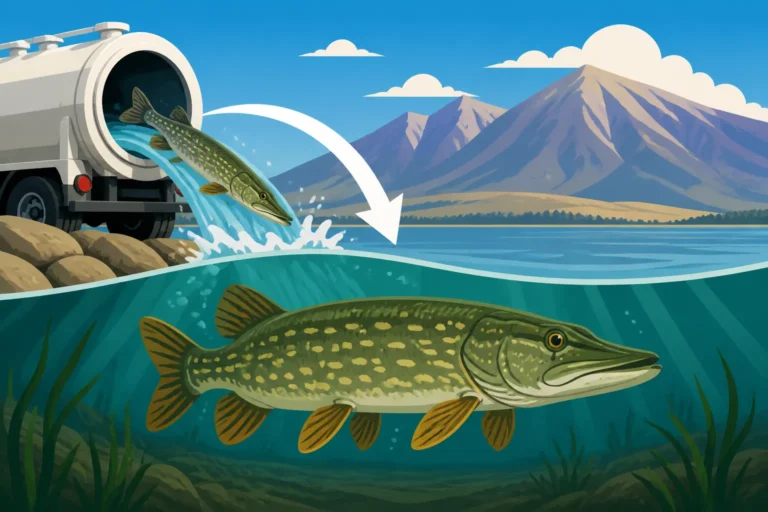
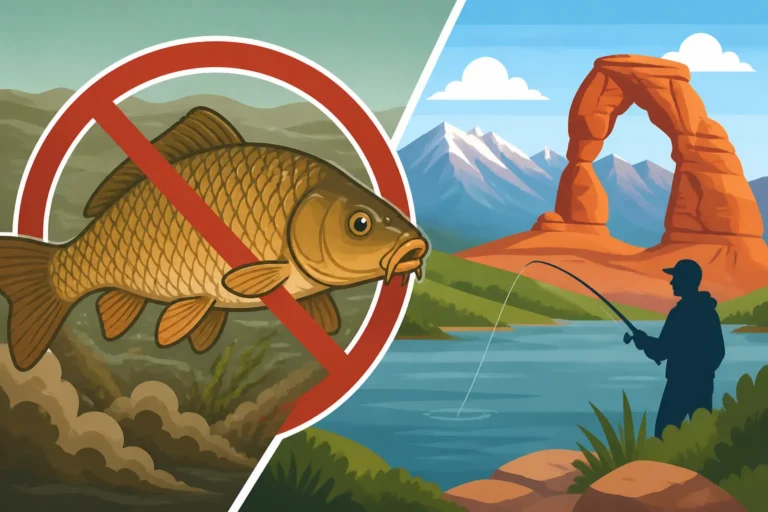
| Invasive | Introduced, causes significant harm | Disrupts food webs, outcompetes/preys on natives | Control, eradication (if possible), mandatory harvest rules | Northern Pike, Common Carp (in many waters) |
Knowing this helps frame the discussion around smallmouth bass. While they are definitely introduced, the question is whether their presence crosses the line into truly "invasive" territory in all of Utah's waters.
The Story of Smallmouth Bass in Utah Waters
Smallmouth bass are feisty, hard-fighting fish that provide incredible angling opportunities. For many of us, catching a smallmouth means an exciting day on the water. But their journey to Utah, and their subsequent establishment, is a story with different sides. They weren't always here, and their presence has definitely stirred the pot in some conservation circles.
How Smallmouth Bass Arrived in Utah
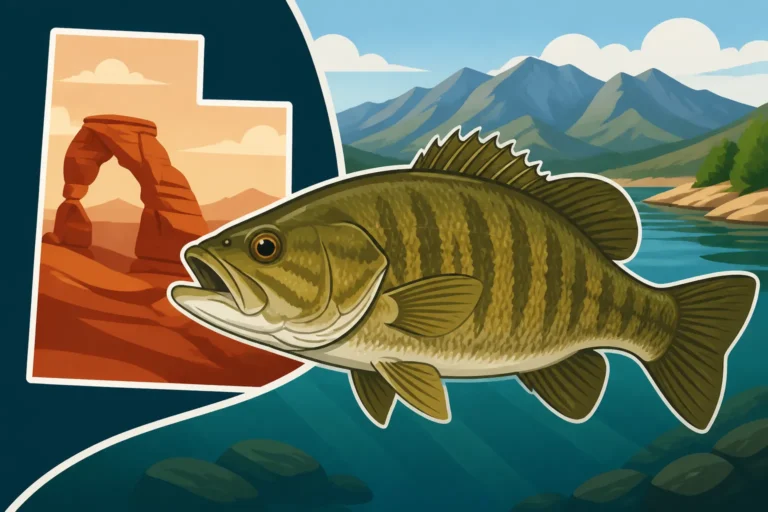
Smallmouth bass (Micropterus dolomieu) are not native to Utah. Their ancestral range is primarily the central and eastern United States and parts of Canada. They were intentionally introduced into Utah waters by wildlife agencies and, in some cases, likely by anglers, starting many decades ago. The primary motivation was to diversify fishing opportunities and provide a robust game fish for certain reservoir environments. Smallmouth bass are known for their adaptability and willingness to strike a variety of lures, making them a popular target for recreational anglers. They were seen as a valuable addition to waters where native trout might not thrive as well, particularly in warmer, rockier reservoirs.
Where Smallmouth Bass Thrive in Utah Today
Today, smallmouth bass have established healthy populations in several key Utah reservoirs. Flaming Gorge Fishing Guide is perhaps the most famous, boasting a phenomenal smallmouth fishery with many anglers targeting them. You'll find them abundant in the rocky shorelines, submerged timber, and ledges of Flaming Gorge, where they feast on crayfish and smaller fish. Other places include Lake Powell, particularly in its many rocky coves, and Deer Creek Reservoir. They prefer clear, cool-to-warm water with plenty of rocky structure for ambush points and spawning. This preference often puts them in competition with other species for habitat, but in these specific reservoirs, they've found a robust niche. If you're looking to target them, these are definitely the places to start. You can learn more about specific locations in Flaming Gorge Smallmouth Bass Coves or by looking at Best Boat Ramps on Flaming Gorge Reservoir to access prime smallmouth habitat.
The Ecological Impact: Why the Debate Exists
Here's where the "invasive" debate really heats up. While smallmouth bass provide fantastic sport, their ecological impact is complex. In their native range, they are part of a balanced ecosystem. In Utah, however, they are a formidable predator and competitor.
The Concerns:
- Predation on Native Species: Smallmouth bass are opportunistic predators. While they eat crayfish and insects, they will also readily prey on smaller fish, including the fry and juveniles of native species like cutthroat trout or other vulnerable native fish. This is a primary concern, especially in waters where native fish populations are already stressed.
- Competition for Resources: They compete with native fish for food and habitat. Their aggressive nature means they can outcompete less aggressive native species for prime feeding and spawning grounds.
- Impact on Food Webs: By adding a new, highly effective predator and competitor, the entire food web can be altered, potentially reducing the populations of organisms that native fish rely on for food, or increasing pressure on those same food sources.
The Benefits (from an angler's perspective):
- Excellent Sport Fish: Smallmouth bass are renowned for their aggressive strikes and powerful fights, making them a top target for many anglers. This recreational value is significant for the state's fishing economy.
- Filling a Niche: In some larger reservoirs, particularly those with conditions not ideal for cold-water native trout, smallmouth bass can effectively utilize available forage and structure, providing a diverse fishery.
- Management Tool: In some cases, their presence can help control populations of other undesirable or overpopulated non-native species.
So, are they invasive? It's often a "depends on the water" answer. In some waters, their impact is minimal or even seen as beneficial for recreational purposes. In others, particularly those with delicate native fish populations, they are indeed viewed with concern and their populations are closely monitored and managed to mitigate negative effects.
Smallmouth Bass and Utah's Conservation Efforts
Given the varied impacts, how does Utah manage smallmouth bass? It's a balancing act, trying to provide diverse angling opportunities while also protecting the state's precious native aquatic life. The Utah Division of Wildlife Resources (UDWR) takes a nuanced approach, recognizing that not all non-native species are created equal in terms of their impact.
Current Management Strategies for Smallmouth Bass
The UDWR uses a variety of strategies to manage smallmouth bass populations. For waters where they are considered a positive addition to the fishery, such as Flaming Gorge, management focuses on maintaining healthy populations for anglers. This might involve setting Utah Bass Daily Limit and Minimum Length regulations that allow for sustainable harvest, or conducting surveys to monitor fish health and population dynamics. For other waters, particularly those that are sensitive native trout habitats, smallmouth bass might be managed more aggressively to limit their spread or reduce their numbers. This could include more liberal bag limits, or even no limit at all, to encourage anglers to harvest them, thereby reducing their predatory and competitive pressure on native species. It's a constant effort to assess, monitor, and adjust.
Angler Responsibility: Fishing for Smallmouth Bass Ethically
As anglers, we have a big role to play in conservation. When you're out fishing for smallmouth bass, especially in waters where their presence might be a concern, responsible angling is key. This means understanding and adhering to all current Utah Fishing Regulations Explained for the specific water body you're fishing. If a water has a mandatory harvest rule for smallmouth, it's crucial to follow it. This isn't just a suggestion; it's a legal requirement aimed at protecting the ecosystem. Beyond regulations, practicing good catch-and-release techniques when appropriate (e.g., in waters where they are managed as a sport fish) and always preventing the unauthorized movement of any fish from one water body to another are paramount. Never "bucket stock" fish; it can have devastating consequences for native species.
The Future of Smallmouth Bass in Utah's Fisheries
The future of smallmouth bass in Utah will likely continue to involve careful management. There's an ongoing commitment to conservation, especially for threatened and endangered native species like the June sucker or certain cutthroat trout strains. As research continues into the interactions between introduced and native species, management strategies will evolve. Anglers can expect to see regulations shift as biologists gain a deeper understanding of these complex ecosystems. For example, if a smallmouth population begins to negatively impact a crucial native fish recovery effort in a specific body of water, regulations might become more restrictive regarding their presence. Conversely, if they are found to coexist sustainably in certain reservoirs, they will continue to be managed as a valued sport fish.
Where to Enjoy Smallmouth Bass Fishing in Utah (and How to Help)
If you're passionate about smallmouth bass fishing, Utah offers some fantastic opportunities. And by being informed and responsible, you can enjoy these fisheries while also contributing to the overall health of Utah's aquatic environments.
Top Utah Waters for Smallmouth Bass Anglers
Without a doubt, Flaming Gorge Reservoir stands out as a premier smallmouth bass destination. The rocky shores, abundant structure, and clear water create an ideal habitat for these aggressive fish. Anglers often report catching numerous fish in a day, with plenty of opportunities for larger specimens. Lake Powell, particularly in its upper reaches and rocky coves, also offers excellent smallmouth fishing, often alongside striped bass. Deer Creek Reservoir is another popular spot, known for its healthy smallmouth population. These are places where smallmouth bass are managed as a valuable sport fish, and you can focus on enjoying the fight they provide. You can explore more about these areas in Best Places to Fish in Utah or Flaming Gorge Fishing Guide.
Gear and Techniques for Effective Smallmouth Bass Fishing
Smallmouth bass are a blast to catch on light to medium spinning tackle. A 6'6" to 7' medium-light or medium action rod paired with a matching spinning reel spooled with 6-10 lb fluorocarbon or braided line with a fluorocarbon leader is a great all-around setup. When it comes to lures, they are not particularly picky! Here are some tried-and-true options:
- Jigs: Small finesse jigs, often tipped with a plastic craw or tube bait, are incredibly effective, especially when fished around rocky structure.
- Crankbaits: Smaller, shallow-diving crankbaits that mimic baitfish or crayfish can entice aggressive strikes. Look for natural colors or those that stand out in clear water.
- Soft Plastics: Tubes, grubs, and creature baits rigged on a jig head or a drop shot rig are deadly for probing deeper structure. Many anglers find great success with these, often available on Amazon for convenience.
- Topwater Lures: In the warmer months, small poppers, walk-the-dog baits, and prop baits can provide thrilling topwater action, especially during dawn and dusk.
Understanding how to fish specific structures like rocky coves How to Catch Smallmouth Bass in Rocky Coves and adjusting your retrieve speed based on water temperature What Retrieve Speed Works Best for Smallmouth Bass in Cold Water? will greatly improve your success. For more specific lure advice, check out Best Lures for Utah Smallmouth Bass.
Contributing to Healthy Ecosystems While Fishing
Beyond following regulations, there are active steps you can take to be a good steward of Utah's fisheries:
- Educate Yourself: Stay informed about the regulations for each specific water body you plan to fish. The UDWR website is an excellent resource.
- Clean, Drain, Dry: Always clean, drain, and dry your boat, kayak, and fishing gear after each outing, especially when moving between different bodies of water. This is crucial for preventing the spread of aquatic invasive species like quagga and zebra mussels, which are a much more universally destructive problem than smallmouth bass.
- Report Violations: If you see someone illegally moving fish or violating regulations, report it to the UDWR.
- Support Conservation Efforts: Consider purchasing a Utah Combination Hunting and Fishing License or donating to conservation groups that work to protect and restore native fisheries.
- Share Your Knowledge: Help educate other anglers, especially new ones, about responsible fishing practices. Many useful resources and beginner gear kits can be found on Amazon.
By taking these steps, you help ensure that Utah's diverse fisheries, including those with smallmouth bass, remain healthy and vibrant for generations to come.
Disclaimer
This article is for general informational purposes only and does not constitute professional advice. Laws, prices and regulations vary by location and change over time. Consult a qualified professional for guidance on your specific situation.