The Utah Record Lake Trout Catch at Flaming Gorge
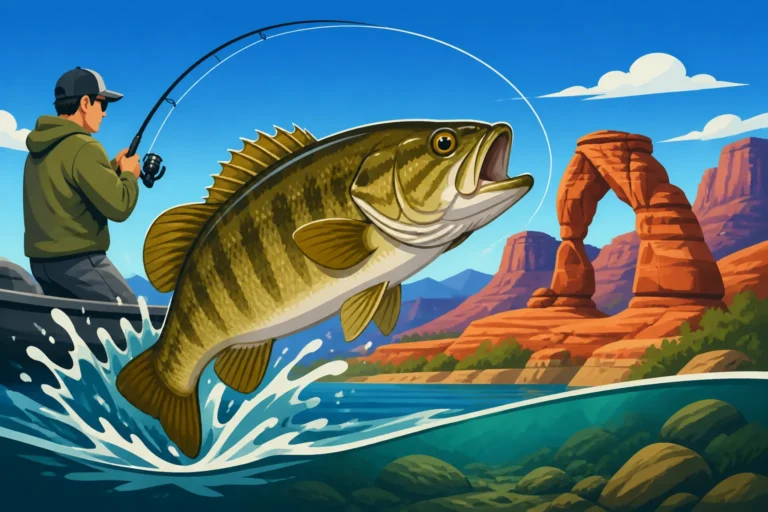
Catching a fish of a lifetime is a dream for many anglers, especially when that dream involves battling one of the giants lurking in Utah's deep, cold waters. The story of Utah's record lake trout from Flaming Gorge is one that sparks awe and fuels countless fishing expeditions, proving that truly massive fish swim in our reservoirs. This guide will dive deep into the legendary catch, what it takes to pursue such a magnificent creature, and what makes Flaming Gorge a prime location for trophy lake trout.
The Legendary Catch: Details of Utah's Record Lake Trout
There’s nothing quite like the story of a state record fish to get an angler's blood pumping. It's not just about the numbers on the scale; it's about the grit, the luck, and the sheer power of the fish that makes such a tale unforgettable. For Utah anglers, the record lake trout caught at Flaming Gorge stands as a testament to the incredible fishery we have in our state and the potential for any cast to be the one.
When we talk about the biggest fish, we're really talking about a rare combination of factors: perfect habitat, abundant food, genetic potential, and an angler who put in the time and had a little bit of magic on their side. Flaming Gorge, known for its vast, cold waters, has consistently proven to be a powerhouse for these deep-dwelling giants. It’s where legends are made, and where many a hopeful fisherman sets out with dreams of their own monstrous catch.
The pursuit of these giants isn't just about showing up; it's about understanding the environment, the fish, and having the right equipment. The sheer scale of these fish demands respect and preparation. Many anglers spend years, even decades, honing their craft, learning the subtle nuances of the water and the species they pursue, all for that one moment when everything comes together.
Who Caught It and When
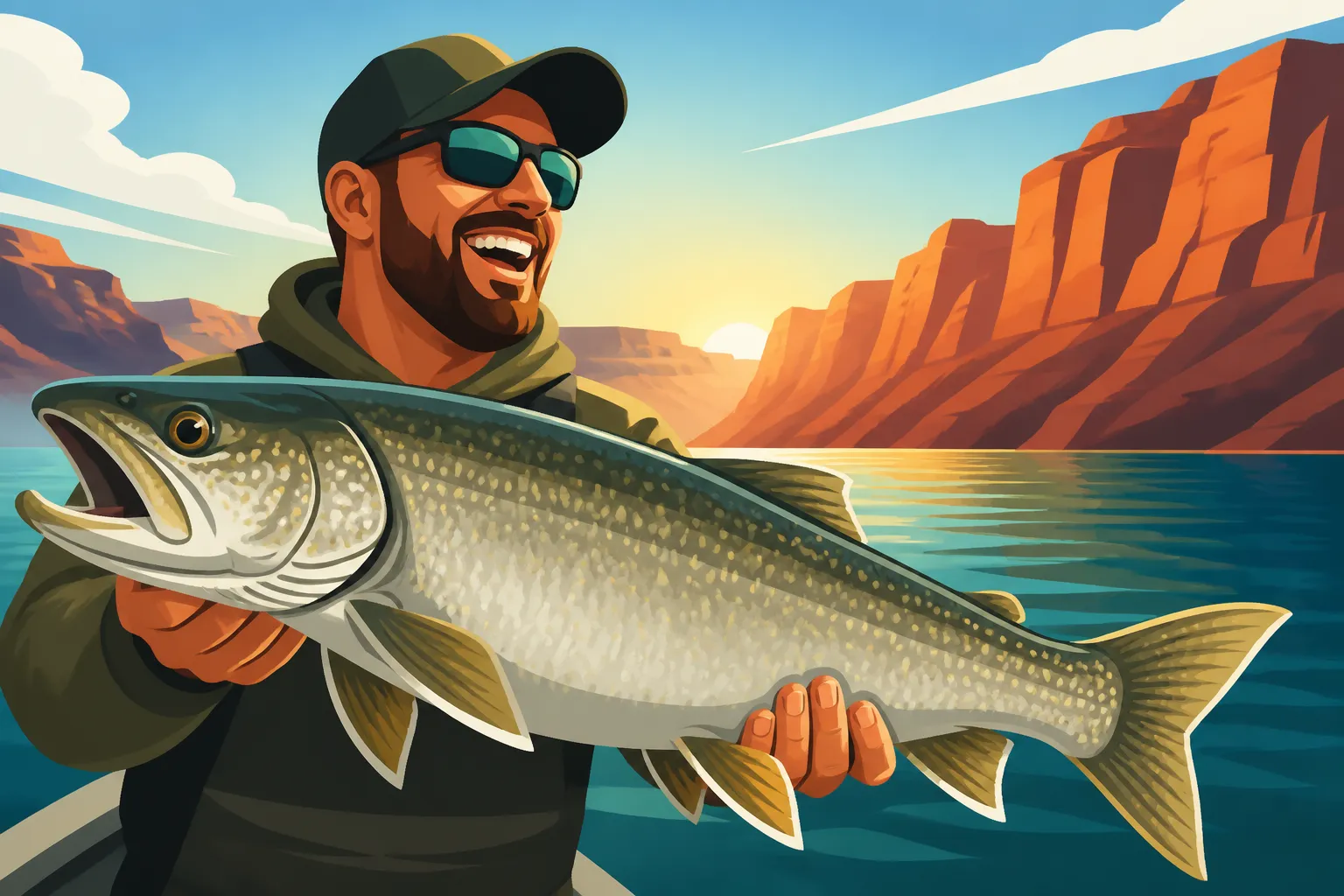
The specific details surrounding the Utah state record lake trout are etched into local fishing lore. It was a monumental catch made by Sidney Celek, who landed the enormous fish back in 1982. This incredible feat happened on Flaming Gorge Reservoir, a body of water renowned across the West for its potential to yield true lunker lake trout, often referred to as "Mackinaw" by old-timers.
Sidney's catch wasn't just a big fish; it was a record-setter that has stood the test of time, an achievement that speaks volumes about the quality of fishing in Flaming Gorge decades ago, and continues to inspire anglers today. Imagine the excitement, the trembling hands, and the sheer disbelief of seeing such a magnificent creature emerge from the depths. It’s the kind of story that gets passed down through generations of fishing families.
The fact that this record has held for so long only adds to its mystique. In an era of evolving fishing techniques and advanced electronics, it's a reminder that sometimes, the simple act of being on the water, combined with dedication, can lead to monumental success. It also highlights the robust nature of the Flaming Gorge fishery at that time, which was capable of growing fish to such incredible proportions.
The Sheer Size and Weight
Sidney Celek's record-setting lake trout weighed a staggering 57 pounds, 8 ounces. Just try to picture that for a moment – nearly 60 pounds of pure, muscle-bound fish, pulled from the cold, dark waters of Flaming Gorge. While exact length measurements aren't always widely publicized for such a long-standing record, you can bet this fish was an absolute beast, easily stretching well over 40 inches, perhaps even pushing 50 inches or more.
To put that into perspective, most anglers are thrilled to catch a lake trout in the 10-20 pound range. A 30-pounder is considered a trophy by any standard. So, a fish approaching 60 pounds is truly in a league of its own, a rare specimen that few will ever encounter in their lifetime. It’s the kind of fish that puts your gear to the ultimate test and leaves your arms aching from the fight.
The sheer mass of such a fish means it had to have been an apex predator in its environment for many, many years. It represents a lifetime of surviving, growing, and feeding in the rich waters of Flaming Gorge. Landing a fish of this caliber is not just about a strong hookset; it’s about enduring a prolonged, intense battle where the fish's power is undeniable.
Why Flaming Gorge Produces Such Giants
Flaming Gorge Reservoir is a uniquely perfect environment for growing massive lake trout. Its deep, cold, and clear waters provide the ideal habitat for these long-lived, cold-water predators. Lake trout thrive in conditions where temperatures remain low year-round, which the depths of Flaming Gorge certainly offer. This allows them to maintain their metabolic rates and grow steadily over many years.
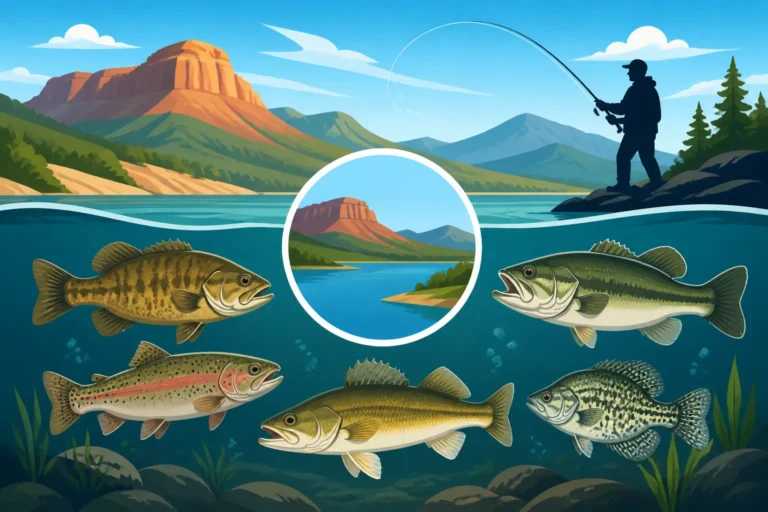
But habitat alone isn't enough; they need an abundant food source, and Flaming Gorge delivers. The reservoir boasts a robust population of kokanee salmon and various species of chub, which serve as the primary forage for lake trout. These baitfish are packed with protein and fat, providing the high-energy diet necessary for lake trout to reach extraordinary sizes. A lake trout simply cannot become a 50+ pound giant without a readily available and consistently rich food supply. It's a natural buffet for a growing Mackinaw. For a deeper dive into the species, check out our Utah Lake Trout Mackinaw Guide.
The sheer size of Flaming Gorge also plays a role, offering vast expanses of undisturbed water where these fish can roam and grow without excessive pressure. While fishing is popular, the immense volume of water means there are always hidden pockets and deep structures where these giants can live out their lives, developing into the legendary specimens that anglers dream of. The management practices in the reservoir, aimed at balancing populations, also contribute to the health and growth potential of these impressive fish, even if some regulations now aim to reduce their numbers in certain areas to benefit other species like kokanee.
Gear and Techniques for Pursuing Trophy Lake Trout at Flaming Gorge
Dreaming of catching a giant Mackinaw at Flaming Gorge? While Sidney Celek’s record might feel untouchable, pursuing your own personal best, or even just a respectable trophy lake trout, requires specific gear and honed techniques. These fish are not easily fooled, and their power demands equipment that can withstand a serious fight. You wouldn't bring a butter knife to a sword fight, and you certainly don't bring light tackle to Flaming Gorge when you're targeting big Mackinaw.
The challenges are real: immense depths, strong currents, and a fish known for powerful runs and stubborn dives. Anglers often face conditions where standard bass or trout setups simply won't cut it. Investing in the right tools and understanding how to use them effectively is paramount to success, whether you're a seasoned pro or an enthusiastic newcomer looking to tackle one of Utah's most iconic fisheries. Preparation is key, and cutting corners on gear usually leads to disappointment and potentially lost fish.
Think about it this way: every piece of your setup, from your rod tip to your hook, is a link in a chain. If one link is weak, the entire system can fail when that 50-pound dream fish decides to make its final, desperate run. That’s why serious anglers meticulously select and maintain their equipment, knowing that their success hinges on its reliability.
Heavy Duty Rods and Reels
When targeting trophy lake trout, you need a rod and reel combo that can handle the stress. We're talking about heavy-action trolling rods, typically 7 to 9 feet long, designed to absorb the shock of a powerful strike and provide the backbone needed to leverage a large fish from deep water. Look for rods with a stout butt section and a sensitive enough tip to detect subtle bites when trolling.
Matching your rod with a robust reel is equally crucial. Conventional reels, often called "level wind" reels, are preferred by many serious lake trout anglers for their power, line capacity, and durability. You'll want a reel capable of holding at least 300 yards of heavy monofilament or braided line, typically 20-30 pound test. Brands like Shimano, Penn, or Daiwa offer reliable options that can be found on platforms like Amazon if you're looking to upgrade your setup. A good drag system is non-negotiable; it needs to be smooth and consistent to prevent break-offs during those strong, initial runs.
Many experienced anglers swear by the Best Downriggers for Flaming Gorge Lake Trout to present their baits at precise depths. These systems require specific rods that can handle the bend of being in the downrigger clip while still having the power to fight a fish once it's released. Don't skimp here; a cheap rod might break under the strain, and a subpar reel could seize up, turning your trophy hunt into a tale of woe.
Essential Lures and Baits
Lake trout are opportunistic predators, but they have their preferences, especially when they grow to immense sizes. Their diet primarily consists of smaller fish like kokanee salmon and various chubs, so your lures should mimic these forage species. Large spoons are incredibly effective, especially those with iridescent or silver finishes that imitate distressed baitfish. Popular choices include Cripplures, Needlefish, and Cop Car patterns.
Stickbaits and large swimbaits that resemble kokanee or trout are also excellent options for trolling. Think about lures in the 4-7 inch range, some even larger for the truly massive fish. Jigging spoons and tube jigs, particularly in white, green, or chartreuse, can be deadly when actively jigging over deep structure or schools of baitfish. Many anglers will tip these jigs with a piece of cut bait, often a chunk of sucker or anchovy, to add scent and appeal. You can find a wide variety of these proven lures and baits available on Amazon, making it easy to stock up before your trip.
Don't forget the power of live or dead bait, where legal. Large sucker meat, chub fillets, or even whole dead kokanee (if regulations allow and they were legally obtained) can be incredibly effective when fished on a slow troll or a stationary setup. Always check current Utah Fishing Regulations Explained for specifics on bait restrictions and allowed species, as rules can change seasonally or by water body.
Advanced Trolling and Downrigging Strategies
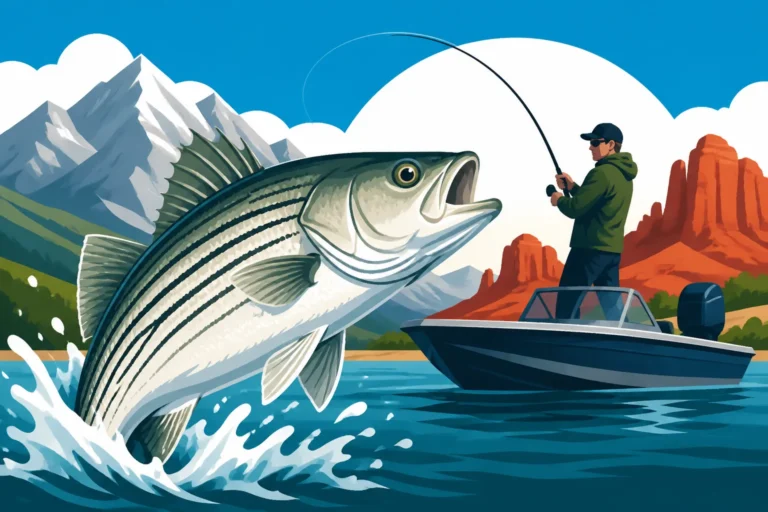
Trolling is by far the most popular and effective method for targeting trophy lake trout at Flaming Gorge. These fish often suspend at specific depths, or hold tight to underwater structures, and trolling allows you to cover vast amounts of water while presenting your lure consistently at the desired depth. This is where downriggers become indispensable. A good downrigger setup allows you to precisely control the depth of your lure, placing it right in the strike zone where lake trout are feeding. Want to learn more? Check out How to Downrig for Lake Trout.
Understanding the thermal stratification of the lake is key. Lake trout prefer cold water, typically in the 45-55 degree Fahrenheit range. In summer, this means they'll often be found at depths of 80 to 200 feet, sometimes even deeper. Your fish finder is your best friend here, helping you locate schools of baitfish and identify thermoclines where the lake trout are likely to be lurking. Vary your depths and speeds until you find what triggers bites. Trolling speeds typically range from 1.5 to 2.5 miles per hour, but sometimes slower or faster presentations are required.
Another advanced technique involves "stacking" multiple lines on a single downrigger, or using planer boards to spread out your lines horizontally, mimicking a school of baitfish. This increases your coverage and allows you to experiment with different lures and depths simultaneously. Pay close attention to your electronics to pinpoint How Deep Lake Trout Live in Summer and structure where these giants might be holding. It's a continuous process of observation, adjustment, and patience.
Understanding Lake Trout Behavior and Habitat in Flaming Gorge
To consistently catch lake trout, especially the big ones, you need to think like a lake trout. These fish are masters of their environment, adapting their behavior and location based on a variety of factors like water temperature, light penetration, and the availability of food. Flaming Gorge is a complex ecosystem, and the more you understand about the subtle cues it offers, the better your chances of success. It’s not just about dropping a line in the water; it’s about a thoughtful, strategic approach.
Many anglers get frustrated when they can't find fish, but often, the fish haven't moved far; they've simply shifted to a different part of their preferred habitat. Understanding these shifts and knowing what influences them is the difference between a frustrating day and a memorable one. Lake trout are creatures of habit to some extent, but those habits are deeply tied to the rhythms of the reservoir.
The massive size and depth of Flaming Gorge mean there’s a lot of water to explore, and these fish can disappear into its vastness. However, they also gravitate towards specific features and conditions that provide comfort and opportunity. Learning to read the water, both literally and with the help of technology, will dramatically improve your chances of encountering one of these magnificent fish.
Deep Water Dwellers and Their Forage
Lake trout are quintessential cold-water fish, preferring depths where water temperatures remain consistently low, often between 40-55°F (4-13°C). In Flaming Gorge, this means they spend a significant portion of their lives in the deeper sections of the reservoir, often at depths exceeding 80 feet, sometimes much deeper during the warmer months. They are highly sensitive to light, preferring the dimmer conditions found in the abyss. This is also where their primary food source, the kokanee salmon and various chub species, often reside. What Lake Trout Eat at Flaming Gorge is a crucial piece of the puzzle.
They are apex predators in this deep-water environment, constantly on the hunt. Their excellent eyesight, even in low light, allows them to ambush unsuspecting baitfish. Lake trout use underwater structures like ledges, drop-offs, submerged islands, and canyon walls as ambush points and resting areas. Understanding the underwater topography of Flaming Gorge, either through detailed contour maps or your fish finder, is paramount to locating these holding areas. When you find the bait, you're usually not far from the predators.
Many times, a fish finder will show you schools of baitfish suspended over deep water, or congregated around underwater points. This is where you want to focus your efforts. Lake trout will often cruise the edges of these baitfish schools, picking off stragglers. The larger the lake trout, the more food it needs, so these giants are often found where the buffet is richest.
Seasonal Movements and Patterns
While lake trout generally prefer deep, cold water, their precise locations and feeding patterns change with the seasons, influenced by water temperature, oxygen levels, and baitfish movements. In the spring, after ice-off, lake trout might be found shallower as the surface water is still cold and kokanee may be more accessible near the surface. This can be a fantastic time for active fish, often willing to chase lures.
As summer progresses and surface waters warm, lake trout retreat to their deep-water sanctuaries. This is prime time for deep trolling with downriggers, targeting the cooler, oxygen-rich layers of the thermocline. In the fall, as water temperatures begin to drop again, lake trout may become more active and move shallower, especially as kokanee salmon begin their spawning runs. This can be an exciting time to target them, often resulting in some of the largest fish of the year.
Winter, for those brave enough to venture out on the ice, offers unique opportunities. Lake trout can be found suspended or near structure, and vertical jigging with heavy spoons and tubes can be very effective. Regardless of the season, understanding these cyclical movements is critical for success. It saves you time by focusing your efforts where the fish are most likely to be.
Protecting the Resource
Catching a record-sized fish is an incredible achievement, but it comes with a responsibility to the resource and the fishery. Trophy lake trout are old, slow-growing fish, and their continued presence relies on responsible angling practices. If you're lucky enough to hook a true giant, consider the option of catch and release, especially if you're not planning to have it officially weighed for a record.
Proper handling of large fish is crucial for their survival upon release. Use a large, knotless landing net, minimize air exposure, and support the fish horizontally. If you plan to weigh it, have your certified scale and camera ready to quickly document the catch before releasing it gently back into the water. Remember, these magnificent creatures are not just trophies; they are vital parts of the ecosystem and represent decades of natural growth.
Furthermore, always be mindful of Utah Aquatic Invasive Species Rules for Anglers and Utah Boating and Fishing Rules. Preventing the spread of quagga and zebra mussels is critical for the health of Flaming Gorge and all Utah waters. Clean, drain, and dry your boat and gear thoroughly after every trip. By practicing ethical and responsible angling, we ensure that future generations can also experience the thrill of pursuing these incredible fish.
Beyond the Record: What Every Angler Dreams Of
While the Utah record lake trout stands as a monumental achievement, the true joy of fishing, for most of us, isn't just about breaking records. It's about the chase, the time spent on the water, the camaraderie, and the constant learning. Flaming Gorge offers so much more than just the potential for a state record; it offers unparalleled beauty, challenging fishing, and the chance to create your own unforgettable memories.
The quest for a personal best, a fish that pushes your limits and makes you feel truly accomplished, is what drives many anglers back to the water, season after season. It’s the thrill of the unexpected, the sudden tug on the line that transforms a peaceful morning into an adrenaline-fueled battle. Whether it's a 10-pounder or a 30-pounder, every big fish caught at Flaming Gorge is a trophy in its own right, a testament to skill and persistence.
And let’s be honest, even when the fish aren’t biting, the scenery alone at Flaming Gorge is worth the trip. The towering red cliffs, the clear blue water – it’s a stunning backdrop for any angling adventure. So, while we celebrate Sidney Celek's incredible record, remember that every outing on the Gorge holds the promise of its own magic.
The Thrill of the Hunt for a Personal Best
The pursuit of a personal best is a deeply personal journey for every angler. It's about setting your sights on a challenging goal and dedicating yourself to achieving it. For many, that means heading to Flaming Gorge specifically to tangle with one of its legendary lake trout. You might spend hours, days, or even weeks on the water without a single bite from a giant, but that's part of the allure. The anticipation, the planning, the strategic deployment of gear – it all builds up to that one moment when your rod bends over, and you know you've hooked into something special.
When that reel starts screaming, and you feel the raw power of a big Mackinaw on the other end, all the long hours and cold mornings fade away. It’s a primal battle, a test of will and skill, and it's a feeling that's hard to replicate. The fight itself is often a dance, with the fish making powerful runs and deep dives, testing your drag and your patience. Each head shake, each surge of power, reaffirms the immense strength of these deep-water leviathans.
Even if you don’t land a record, the memory of a hard-fought battle with a substantial lake trout, especially at a place as iconic as Flaming Gorge, will stay with you forever. It's the story you'll tell around the campfire, the picture you'll proudly display, and the experience that will fuel your next adventure. The journey itself is often as rewarding as the destination.
Safety and Regulations on Flaming Gorge
Flaming Gorge is a vast and sometimes unforgiving body of water, and safety should always be your top priority. Weather conditions can change rapidly, and strong winds can whip up dangerous waves in a matter of minutes. Always check the forecast before heading out, and be prepared for sudden shifts. Make sure your boat is equipped with all necessary safety gear, including life jackets for everyone on board, a first-aid kit, and communication devices. Understanding Utah Boating and Fishing Rules is not just a recommendation; it's a necessity for your safety and the safety of others.
Beyond personal safety, it’s critical to be well-versed in the current fishing regulations for Flaming Gorge. These regulations can be complex and are subject to change. For example, there have been specific rules regarding lake trout limits, sometimes even encouraging higher harvest rates for smaller fish to protect the kokanee population. Always consult the official Utah Fishing Guidebook before you go. Specific rules regarding methods, bait, and harvest limits for different species can vary widely, and ignorance is no excuse.
Respecting other anglers, navigating safely, and understanding the unique challenges of a large reservoir like Flaming Gorge are all part of being a responsible and successful angler. Taking a boating safety course is highly recommended, especially if you plan to operate a large vessel. By prioritizing safety and adhering to regulations, you ensure a positive and sustainable experience for everyone who enjoys this incredible fishery.
| Trophy Lake Trout Gear Checklist | Description | Importance | Notes |
|---|---|---|---|
| Heavy Action Trolling Rod | 7-9 foot, stout backbone, sensitive tip. | Essential | Handles heavy weights and powerful fish. |
| Conventional Trolling Reel | High line capacity (300+ yards of 20-30lb line), robust drag system. | Critical | Prevents break-offs, smooth battle with large fish. Look for durable options on Amazon. |
| Downriggers | Mechanical or electric, with heavy balls. | High | Precision depth control to target suspended fish. Often necessary to reach depths where giants lurk. |
| Braided or Monofilament Line | 20-30lb test minimum, depending on preference. | Critical | Braided offers sensitivity, mono offers stretch. Always use a fluorocarbon leader for stealth. |
| Large Spoons | 4-7 inch, reflective finishes (silver, iridescent, "cop car" patterns). | High | Mimics kokanee and chub; classic lake trout lure. |
| Stickbaits / Swimbaits | Mimicking kokanee or other baitfish. | High | Effective for trolling, especially when fish are higher in the water column. |
| Jigging Spoons / Tube Jigs | Heavy jigs for vertical presentation, often tipped with cut bait. | Moderate | Great for active jigging over schools or structure. |
| Fish Finder / Sonar | High-definition, with depth and side-imaging capabilities. | Essential | Locating baitfish, thermoclines, and underwater structure is key. Helps find Flaming Gorge Trophy Lake Trout Spots. |
| GPS Chartplotter | For marking waypoints, underwater contours, and navigating safely. | High | Crucial for returning to productive spots and avoiding hazards in such a large reservoir. |
| Large, Knotless Landing Net | Wide hoop and deep net to safely land and handle large fish. | Essential | Protects the fish, prevents injury to angler. |
| Measuring Board / Scale | For documenting catch for release or record. | Important | Have a certified scale if pursuing a record. Practice quick measurement/photography. |
| Cooler with Ice | To keep any harvested fish fresh. | Important | Maintaining fish quality if you decide to keep your limit. |
| AIS Decontamination Gear | Brush, spray, towels to clean, drain, dry boat/gear. | Critical | Mandatory for compliance with Utah Aquatic Invasive Species Inspection Stations and protecting the ecosystem. |
| Life Jackets | USCG approved, for all occupants. | Essential | Absolutely non-negotiable for boating safety on large reservoirs. |
| First-Aid Kit | Well-stocked for emergencies. | Essential | Always be prepared for minor injuries or unexpected situations on the water. |
| VHF Radio / Satellite Messenger | For communication in areas with no cell service. | Important | Flaming Gorge has spotty cell service; essential for emergencies. |
Disclaimer
This article is for general informational purposes only and does not constitute professional advice. Laws, prices and regulations vary by location and change over time. Consult a qualified professional for guidance on your specific situation.