Utah Lake Trout (Mackinaw) Guide
Utah's vast and varied waters hold some truly incredible fishing opportunities, but few species captivate anglers quite like the Lake Trout, affectionately known as Mackinaw. For many, the sheer challenge of targeting these deep-dwelling giants, combined with the promise of a truly monumental catch, creates an undeniable pull. This comprehensive guide is here to unravel the mysteries of Utah's Lake Trout fishery, offering everything you need to know to pursue these magnificent fish, from understanding their habits to mastering the techniques that bring them to the net.
Understanding Utah's Lake Trout (Mackinaw)
When you hear "Lake Trout" in Utah, chances are you're talking about Mackinaw. These impressive cold-water predators are a distinct type of char, known for their immense size, long lifespans, and challenging nature. For many anglers, the pursuit of a trophy Mackinaw is a lifetime quest, a test of patience, skill, and specialized equipment. It's not just another fish; it's an experience that leaves you with stories for years.
What is a Lake Trout (and Why is it Called Mackinaw Here)?
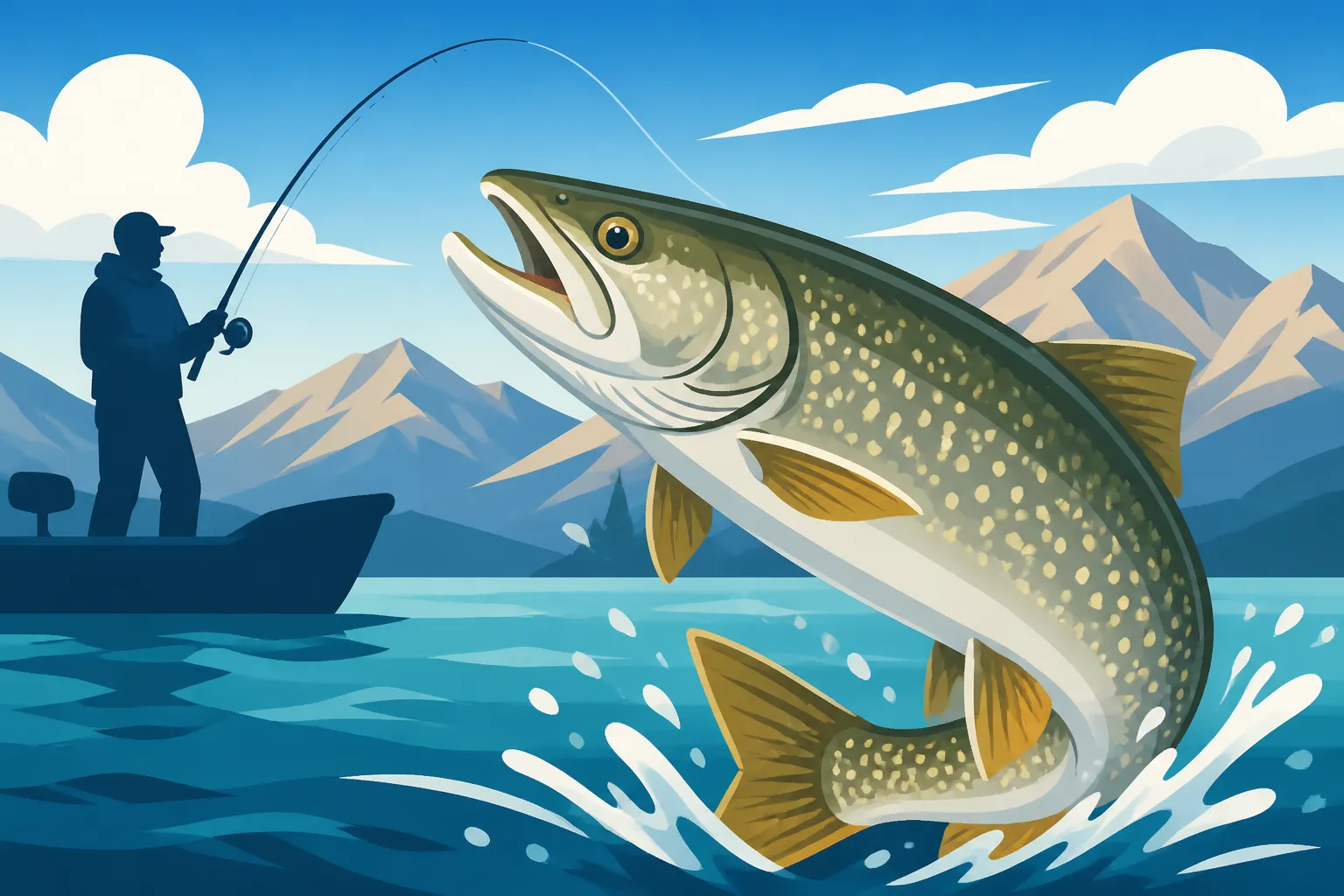
Lake trout (scientific name Salvelinus namaycush) are not actually true trout, but rather a species of char, closely related to Arctic char and brook trout. They are native to colder North American lakes and are characterized by their sleek, often dark gray to olive-green bodies, covered in lighter spots that can sometimes be yellowish or reddish. Their tail is deeply forked, a key identifier. In Utah, and many parts of the Western United States, they are commonly referred to as "Mackinaw." This regional nickname dates back generations and likely came from Mackinac Island or the Mackinac Straits in Michigan, a historic hotspot for these fish. So, when you're talking about Mackinaw in Utah, you're talking about these formidable Lake Trout. It's a bit of local flavor that adds to the charm of fishing for them. They are perfectly adapted to the deep, cold, oxygen-rich waters of certain large reservoirs.
The Allure of Utah's Mackinaw Fishery
There's something uniquely compelling about Mackinaw fishing. It's not typically a numbers game where you're catching dozens of fish; instead, it's often about targeting fewer, but much larger, specimens. The sheer power of a big Mackinaw on the end of your line is exhilarating. Imagine the fight: a deep, stubborn pull, followed by powerful runs that strip line from your reel. They don't jump like a rainbow trout, but their brute strength and endurance make every encounter memorable. Beyond the fight, there's the aesthetic appeal – these are truly beautiful fish, often sporting intricate patterns and robust builds. Plus, the waters where they thrive, like Flaming Gorge, are often stunningly scenic, adding to the overall experience. It’s a blend of challenge, beauty, and the quiet satisfaction of outsmarting a top-tier predator.
A Brief History of Lake Trout in Utah
Lake Trout aren't native to Utah's waters. They were introduced in the mid-20th century to several large, deep reservoirs, primarily for sport fishing opportunities. The most famous and successful introduction was to Flaming Gorge Reservoir, which quickly became renowned as one of the premier Lake Trout fisheries in the world. They were also introduced to Bear Lake, though the dynamics there are quite different due to the presence of other unique native species. These introductions were part of a broader management strategy to utilize the vast, deep, and relatively barren waters of newly created reservoirs, providing new angling experiences for residents and visitors alike. Over time, these populations have established themselves, creating the robust fisheries we know today, though ongoing management is crucial to balancing their presence with other species and overall ecosystem health. Understanding this history helps appreciate the dedication behind maintaining these incredible fishing opportunities.
Where to Find Lake Trout in Utah
If you're looking to tangle with a Utah Mackinaw, there are two primary destinations that stand head and shoulders above the rest: Flaming Gorge Reservoir and Bear Lake. Each offers a unique experience, with its own quirks and challenges, but both hold the potential for truly memorable catches. Knowing their specific characteristics is key to planning a successful trip.
Flaming Gorge Reservoir: The Mackinaw Mecca
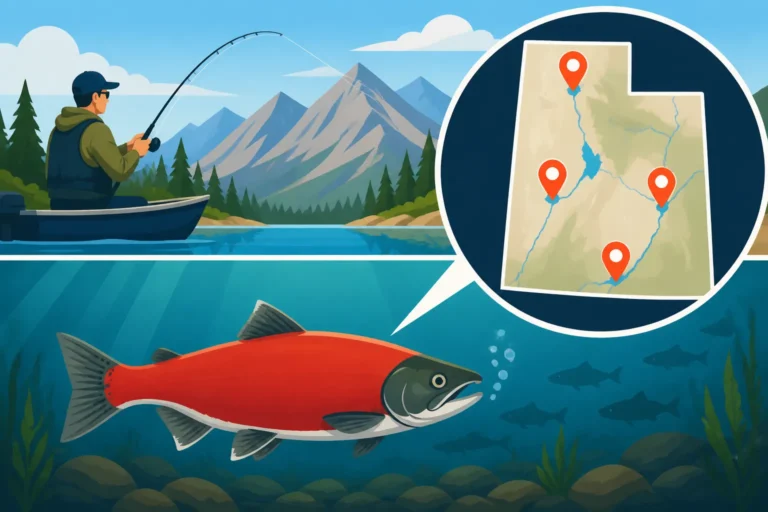
When most people think of trophy Lake Trout in Utah, their minds immediately go to Flaming Gorge. This sprawling, deep-water reservoir on the Utah-Wyoming border is world-famous for its gigantic Mackinaw. The sheer size of the lake, with depths often exceeding 400 feet, provides the ideal cold-water habitat these fish crave. They thrive here, feeding on abundant kokanee salmon and various baitfish, which fuels their incredible growth. It's not uncommon to hear tales of 20, 30, even 40-pound Mackinaw being pulled from its depths. The current The Utah Record Lake Trout Catch at Flaming Gorge stands as a testament to the reservoir's incredible potential. Anglers typically target Lake Trout in Flaming Gorge by trolling deep with large spoons, swimbaits, or bait rigs, often using downriggers to get lures down to depths of 80 to 150 feet or more. Winter ice fishing also offers fantastic opportunities to jig for these giants. The vastness of Flaming Gorge can be intimidating, but focusing on key areas like main channel points, submerged islands, and deep humps where baitfish congregate will increase your odds.
Bear Lake: Another Trophy Mackinaw Destination
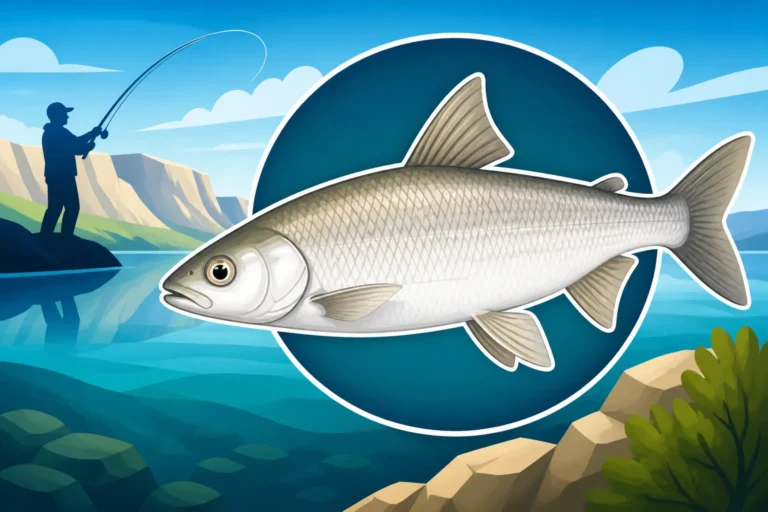
While not as widely known for massive numbers of Mackinaw as Flaming Gorge, Bear Lake offers a fantastic and unique Lake Trout fishery. Bear Lake is a natural lake, much older and biologically distinct from Flaming Gorge. Its deep, clear, and cold waters also provide excellent habitat for Lake Trout. However, the ecosystem here is very different, with the Bonneville cisco being a primary forage fish for the Mackinaw. The Lake Trout in Bear Lake tend to be lean, powerful, and incredibly beautiful, often displaying striking silver and greenish hues. While giants are less common than at Flaming Gorge, trophy-sized fish are definitely present. Fishing techniques are similar, involving deep trolling or jigging, but the patterns and preferred depths might vary subtly due to the distinct forage base. Bear Lake Fishing Guide provides more specific details for tackling this unique fishery. Bear Lake also offers a renowned winter ice fishery for Lake Trout, where jigging through the ice is a popular and effective method. It's a gorgeous lake, often called the "Caribbean of the Rockies" for its turquoise waters, making any fishing trip here a scenic delight.
Other Potential Lake Trout Waters
While Flaming Gorge and Bear Lake are the undisputed kings for Lake Trout in Utah, there are a few other waters where you might encounter them, though typically in smaller numbers or sizes. For instance, some high mountain lakes in the Uinta Mountains might hold naturally reproducing populations, remnants of older stocking efforts. These are often smaller, more remote lakes, requiring significant effort to reach and fish. The fish in these waters are usually smaller due to less abundant forage and harsher conditions, but they offer a truly wild and adventurous angling experience. Anglers seeking these less common opportunities will often find themselves fly fishing or using light spinning gear for a more intimate encounter. However, for anyone serious about targeting larger Mackinaw, especially trophy fish, your focus should almost exclusively be on the proven giants of Flaming Gorge and Bear Lake. It’s always good to check the most current regulations for any specific water body, as rules can vary greatly.
Essential Gear for Lake Trout Fishing
Targeting Lake Trout, especially the larger ones, isn't your average panfish setup. These fish are powerful, deep-dwelling predators, and your gear needs to be up to the task. Skimping on tackle can lead to frustrating break-offs and missed opportunities. Investing in the right equipment will not only increase your success but also make the entire experience more enjoyable and efficient.
Rods and Reels for Deep-Water Battles
When it comes to rods, you'll want something sturdy with a good backbone. For trolling, a medium-heavy to heavy action rod, typically 7 to 9 feet long, is ideal. These rods need to absorb the shock of a strike at speed and handle the constant pressure of pulling large lures through the water, often with heavy weights or downriggers. A fast action tip can help detect subtle bites, but the real power should be in the mid-section and butt for fighting big fish. For jigging, especially through the ice, a shorter, stout rod (around 3 to 5 feet) with a sensitive tip but strong backbone is preferred. The sensitivity allows you to feel light bites in deep water, while the power helps you move heavy jigs and fight strong fish.
Matching your rod with a robust reel is crucial. For trolling, a conventional baitcasting reel with a high line capacity (holding at least 200-300 yards of heavy line) and a smooth, strong drag system is the workhorse. Reels like the Penn Warfare or the Abu Garcia Ambassadeur series are popular choices, available on Amazon. A quality reel will prevent line twist, stand up to repeated heavy retrieves, and allow you to precisely manage your drag during a fight. For jigging, a high-quality spinning reel in the 3000-5000 size range, or a conventional jigging reel, with excellent drag is perfect. Regardless of style, prioritize smooth drag and durable construction, as a trophy Mackinaw will test every component.
Lines, Leaders, and Terminal Tackle Considerations
Your choice of fishing line is paramount when targeting Lake Trout. Given the depths and the size of these fish, braid is almost a necessity for your main line. A braided line in the 30-65 lb test range offers superior strength, minimal stretch (which means better bite detection and hook sets in deep water), and a smaller diameter for its breaking strength compared to monofilament. The lack of stretch is particularly important when you're fishing 100+ feet down; it allows you to feel the most delicate of taps and transmit power directly to the hook.
However, you'll still want to use a leader. A fluorocarbon leader is highly recommended for its abrasion resistance and nearly invisible properties underwater. For leaders, stepping down to 15-30 lb test fluorocarbon is common, depending on water clarity and fish aggressiveness. The leader should be long enough to provide stealth but not so long that it becomes unmanageable – typically 6 to 15 feet. Swivels, snaps, and split rings should all be high-quality and rated for heavy use. Don't skimp on these small but critical components; a cheap swivel failing on a fish of a lifetime is a heartbreaking lesson. Quality hooks, especially treble hooks on lures, are also vital, as Lake Trout have tough mouths.
Specialized Equipment: Downriggers and Sonar
To consistently catch Lake Trout in their deep-water haunts, you'll almost certainly need specialized equipment. Downriggers are essential for deep trolling. These mechanical devices allow you to precisely control the depth of your lure, sending it down to where the fish are holding, often far deeper than standard weights can manage effectively. They use a heavy cannonball weight on a cable, with a release clip that attaches to your fishing line. When a fish strikes, the line pops free from the clip, allowing you to fight the fish without the drag of the heavy weight. Having two downriggers, one on each side of the boat, is a common setup, allowing you to cover different depths or present multiple lure types.
A high-quality fish finder or sonar unit is equally critical. Given that Lake Trout spend much of their time suspended or near the bottom in deep water, knowing what's beneath your boat is invaluable. Modern fish finders can display bottom contours, water temperature, depth, and most importantly, mark fish and bait schools. Being able to How to Read a Fish Finder for Utah Reservoirs and interpret what you're seeing can be the difference between a slow day and a successful one. Features like side imaging or down imaging can give you an even more comprehensive view of the underwater world, helping you locate structure and fish that might not be directly beneath your transducer. Brands like Humminbird and Garmin offer excellent units suitable for deep-water fishing, and many can be found on Amazon with varying features and price points. Without these tools, you're essentially fishing blind in a vast ocean.
Table: Essential Lake Trout Gear Checklist
| Category | Item | Key Characteristics | Why It's Essential |
|---|---|---|---|
| Rods | Trolling Rod | 7-9 ft, Medium-Heavy/Heavy action, fast tip | Handles heavy lures, absorbs strikes, fights big fish deep. |
| Jigging Rod | 3-5 ft, Stiff backbone, sensitive tip | Detects subtle bites, provides leverage for deep-water jigging. | |
| Reels | Conventional Reel | High line capacity, strong, smooth drag, durable | Manages heavy line, withstands powerful runs, prevents tangles. |
| High-Quality Spinning | 3000-5000 size, strong, smooth drag | Versatile for jigging, good control for fighting fish. | |
| Line | Braided Main Line | 30-65 lb test, low stretch | Superior strength, sensitivity for deep bites, strong hook sets. |
| Fluorocarbon Leader | 15-30 lb test, abrasion resistant, low visibility | Stealthy presentation, protects main line from abrasion. | |
| Terminal Tackle | Quality Swivels, Snaps, Split Rings | Heavy-duty, high breaking strength | Prevents line twist, ensures secure connections, withstands strain. |
| Sharp Hooks | Trebles for lures, stout J-hooks for bait rigs | Penetrates tough mouths, holds fish securely. | |
| Specialized Gear | Downriggers | Mechanical device with heavy weights, release clips | Precisely controls lure depth for deep trolling. |
| Fish Finder/Sonar | Clear display, depth, temp, fish/bait marking, GPS | Locates fish, structure, and bait schools in deep water. | |
| Safety/Comfort | Life Jackets | USCG approved, comfortable fit | Life Jacket Requirements on a Utah Boat – Non-negotiable safety. |
| Cooler | Insulated, large capacity | How to Store Fish on a Hot Day in Utah – Keeps catch fresh. |
Effective Techniques for Catching Mackinaw
Once you have the right gear, understanding the techniques to deploy it effectively is the next critical step. Mackinaw are creatures of habit in their deep, cold environments, but they can also be notoriously finicky. Mastering a few key methods and adapting them to the conditions will significantly improve your chances of success.
Mastering the Art of Trolling for Lake Trout
Trolling is arguably the most common and effective method for catching Lake Trout, especially in vast waters like Flaming Gorge. The goal is to cover a lot of water and present your lure at the precise depth where the fish are feeding. This typically involves using downriggers to get large spoons, swimbaits, or bait rigs (like minnows on a snell) down to depths that can range from 40 feet to well over 100 feet, depending on the time of year and where the baitfish are concentrated. How to Downrig for Lake Trout is an excellent resource for beginners.
The key to successful trolling is maintaining a consistent speed (often between 1.5 and 3.0 mph, but experiment!), depth, and a straight line. GPS on your fish finder can help track your speed and path. Watch your sonar for signs of fish or bait. When you mark fish, make a mental note, or better yet, mark a waypoint on your GPS. If you get a bite, turn around and troll back through that exact area. Lure selection is critical: common choices include large flasher/hoochie combos, big spoons (like Needlefish, Northern King, or Crippled Herring), and realistic swimbait imitations of kokanee or chub. These can all be found on Amazon and other tackle retailers. The action of the lure is just as important as the color; make sure it's swimming correctly at your trolling speed. Don't be afraid to experiment with different lure types and colors until you find what the fish prefer on a given day.
Jigging Strategies for Deep-Water Mackinaw
While trolling is king for covering ground, jigging is an incredibly effective and often more interactive way to catch Lake Trout, particularly during the ice fishing season or when you've pinpointed a school of fish on your sonar. Jigging involves vertically presenting a lure and imparting action to it, often with sharp lifts and drops or subtle quivering motions.
For deep-water jigging, heavy jigs are necessary to get down quickly and stay in the strike zone. Large tube jigs, bucktail jigs, or heavy spoons (like Daredevils or Acme Kastmasters) in weights from 1 to 4 ounces or more are common. For ice fishing, specialized ice jigs and spoons are also popular. The retrieve should mimic an injured baitfish. Drop your jig to the desired depth (often just above where you're seeing fish on your sonar or near the bottom), then lift it sharply 1-3 feet, letting it flutter back down on a semi-slack line. Many strikes occur on the fall. Pay close attention to your line and rod tip for the slightest tap or weight change. Sometimes, a subtle quiver or dead-sticking the jig motionless for a few seconds can trigger a strike from a hesitant fish. Using scents on your jigs can also add an extra level of attraction, especially in low-light or turbid conditions.
Seasonal Adjustments and Presentation Tips
Lake Trout behavior, like most fish, is heavily influenced by water temperature and the availability of forage. This means your techniques will need to adjust throughout the year.
- Spring (Ice-off to early Summer): As ice comes off, Lake Trout can be found in shallower waters as the entire water column is cool and baitfish might be more accessible near the surface. Trolling in the top 20-50 feet can be productive, and shore anglers might even have some luck. As the water warms, they'll start to descend.
- Summer: This is classic deep-water Mackinaw season. The fish retreat to the thermocline and deep, cold oxygenated water, often 60-150 feet deep. Trolling with downriggers is paramount. Focus on areas with deep structure, like submerged points, humps, and the main river channel. How Deep Lake Trout Live in Summer is crucial knowledge for this time of year.
- Fall: As water temperatures begin to cool, Mackinaw will move shallower again, particularly as they prepare for their spawning period (late fall). They can be very aggressive at this time, feeding heavily. This can be a great time for both trolling and deep jigging.
- Winter (Ice Fishing): When the lakes freeze over, ice fishing for Mackinaw becomes a popular pursuit. Locate deep structures using your sonar and jig heavy spoons or tube jigs. Patience is key, as bites can be subtle in the cold. Keep your electronics working well to mark those deep-water cruisers.
Always remember that Mackinaw are predators. They're looking for an easy meal. Your presentation, whether trolled or jigged, should effectively imitate a struggling or fleeing baitfish. Keep your hooks sharp, and check your line for nicks regularly, especially after fighting a fish or getting hung up.
Lake Trout Biology and Behavior
Understanding the life cycle, diet, and natural behaviors of Lake Trout is not just fascinating; it's a critical component of becoming a more successful angler. Knowing why they do what they do helps you predict where they'll be and how to catch them. These insights help you connect with the fish on a deeper level than just blindly casting.
Mackinaw Diet and Forage Fish
Lake Trout are apex predators in their ecosystems, and their diet primarily consists of smaller baitfish. In Flaming Gorge, their robust growth is largely attributed to the abundant populations of kokanee salmon. Kokanee are a high-energy, protein-rich food source, enabling Mackinaw to reach truly enormous sizes. You'll often find anglers specifically trying to "match the hatch" by using lures that imitate the size and color of kokanee salmon. Other forage fish in Flaming Gorge include Utah chub, which also contributes to their diet. At Bear Lake, the primary forage for Mackinaw is the Bonneville cisco, a unique, cold-water schooling fish. The presence of cisco is vital for the health and size of Bear Lake's Lake Trout population. In other, smaller lakes, their diet might include sculpin, other small trout, or even invertebrates if larger forage is scarce. The general rule is: find the food, and you'll find the Mackinaw. Learning What Lake Trout Eat at Flaming Gorge will give you a huge advantage in lure selection. Their diet directly influences their size, condition, and where they choose to hunt, often congregating around schools of their preferred prey.
Spawning Habits and Lifecycle
Lake Trout are relatively slow-growing and long-lived fish, which means they take several years to reach sexual maturity. They typically spawn in the fall, often between September and November, when water temperatures drop. Unlike salmon, Lake Trout do not die after spawning; they can reproduce multiple times throughout their lives. They usually seek out shallow, rocky shoals, often at depths of 10-50 feet, for spawning. Females deposit their eggs among the rocks, and males fertilize them. The eggs then settle into the crevices, where they are protected from predators and current until they hatch, usually in the spring.
The slow maturation and specific spawning habitat make Lake Trout populations somewhat vulnerable to environmental changes. Successful recruitment (the number of young fish that survive to maturity) is crucial for maintaining a healthy fishery. This is why management efforts often focus on protecting spawning grounds and ensuring conditions are favorable for natural reproduction. Understanding this cycle helps us appreciate the importance of careful handling and adherence to regulations, especially during critical times of the year.
Growth Rates and Achieving Trophy Size
The growth rate of a Lake Trout is largely dependent on the availability and quality of its food source. In nutrient-rich environments with abundant forage like Flaming Gorge, Lake Trout can grow quite large, quite quickly compared to populations in more sterile, higher-altitude lakes. A typical Mackinaw in Flaming Gorge might reach 10-15 pounds in 10-15 years, but with exceptional forage, they can continue to grow, adding several pounds a year in their prime. Fish exceeding 30 pounds are often several decades old, representing a lifetime of feeding and survival.
Achieving true "trophy size" – often considered anything over 20-30 pounds – requires consistent access to good forage, deep, cold water, and sufficient time to grow. Factors like water temperature, oxygen levels, and competition from other species can also influence growth. The largest Mackinaw are typically old, solitary hunters that have mastered their environment. Their immense size is a testament to the health of the ecosystem and the decades they've spent growing in Utah's deep waters. For anglers, targeting these behemoths requires patience and persistence, often involving countless hours of searching and refining techniques to tempt such experienced predators.
Conservation and Regulations
Fishing for Lake Trout in Utah is a privilege, and like all privileges, it comes with responsibilities. Understanding and adhering to the specific regulations for Lake Trout is absolutely critical for ensuring the long-term health and sustainability of these incredible fisheries. These rules aren't just arbitrary; they are carefully crafted by wildlife biologists to balance angling opportunity with conservation needs.
Understanding Bag and Possession Limits
Utah's fishing regulations, including those for Lake Trout, are designed to manage fish populations effectively. Bag limits dictate how many fish you can keep per day, while possession limits refer to the total number of fish you can have on hand, including those at home. These limits can vary significantly by water body and sometimes even by time of year. For instance, in some waters, Lake Trout might have a specific size slot limit, meaning you can only keep fish within a certain length range, or you might be required to release all fish over a certain size to protect trophy breeders.
It's absolutely crucial to consult the current Utah Daily Bag and Possession Limits before heading out. These regulations are published annually by the Utah Division of Wildlife Resources (DWR) and are available online and wherever fishing licenses are sold. Ignorance of the law is never an excuse, and violating these rules can lead to significant fines and penalties. Always count your fish, measure them accurately, and know the rules for the specific lake you are fishing. When in doubt, always err on the side of caution and release the fish.
Specific Regulations for Key Waters (Flaming Gorge, Bear Lake)
Due to their unique ecosystems and different management goals, Flaming Gorge Reservoir and Bear Lake often have distinct Lake Trout regulations that differ from general statewide rules.
- Flaming Gorge Reservoir: This water is co-managed by Utah and Wyoming, and regulations are often coordinated between the two states. Historically, Flaming Gorge has had very generous Lake Trout limits, and sometimes even mandatory harvest rules for smaller Lake Trout, primarily to manage their population size and reduce pressure on the kokanee salmon forage base. The idea here is to reduce competition and allow the kokanee to thrive, which in turn helps produce larger, healthier trophy Lake Trout. Why Utah and Wyoming Removed Lake Trout Limits at Flaming Gorge highlights these management strategies. Always check the current Utah and Wyoming regulations for Flaming Gorge before fishing.
- Bear Lake: As a natural, deep lake with unique native species like the Bonneville cisco, Bear Lake's Lake Trout regulations are often more conservative. There might be stricter bag limits or length restrictions to protect the Mackinaw population, especially given the different forage dynamics compared to Flaming Gorge. The emphasis here is often on maintaining a stable population that coexists with the native species.
These specific rules are subject to change based on DWR surveys, population assessments, and management objectives. Therefore, a quick check of the current guide is a mandatory step before every trip to these iconic waters.
Managing Invasive Species and Lake Trout Populations
Lake Trout, while a highly valued sportfish, can also pose management challenges, especially in waters where they are not native. In some instances, they can outcompete or prey upon native fish species, altering the natural balance of the ecosystem. This is part of the ongoing discussion surrounding fisheries management.
Furthermore, the threat of aquatic invasive species (AIS) like Quagga and Zebra mussels is a constant concern for all Utah waters, including those that hold Lake Trout. These mussels can drastically change aquatic environments, impacting fish food sources and habitat. This is why strict Utah Aquatic Invasive Species Rules for Anglers and mandatory boat inspections are in place at reservoirs like Lake Powell and often at Flaming Gorge. Anglers have a crucial role to play in preventing the spread of AIS by thoroughly cleaning, draining, and drying all boats and gear between fishing trips. Adhering to these rules protects not only the Lake Trout fishery but the entire aquatic ecosystem of Utah. This collective responsibility ensures that future generations can enjoy the same incredible fishing opportunities we have today.
Tips for Success and Trophy Mackinaw
Chasing trophy Lake Trout is a journey of patience, learning, and constant adjustment. It's not always easy, but the rewards are well worth the effort. Here are some advanced tips and common pitfalls to help you on your quest for a truly massive Mackinaw.
Reading Water and Locating Fish
The most successful Mackinaw anglers aren't just lucky; they understand how to read the water and, more importantly, how to effectively use their electronics to locate fish. Lake Trout are often associated with structure. Look for underwater points, humps, ledges, and the old river channel. These areas provide ambush points and often hold schools of baitfish, which the Mackinaw follow. Pay attention to sudden changes in depth, or "breaks," where deep water meets shallower structure.
Your fish finder is your best friend. Don't just look for fish arches; look for bait balls. Where there's bait, there are usually predators. Learn to distinguish baitfish schools from larger fish marks. Also, pay attention to water temperature readings if your unit provides them. While Mackinaw live in cold water, there's often a preferred temperature band where they are most active. Many anglers also use mapping features on their electronics or dedicated GPS units to mark productive areas, allowing them to return to "hot spots" repeatedly. Consistency in locating fish means paying attention to patterns – depth, structure, time of day, and even current.
Common Mistakes to Avoid
Even experienced anglers can fall into common traps when targeting Mackinaw. Being aware of these can save you a lot of frustration.
- Not Fishing Deep Enough: This is probably the most frequent mistake. Lake Trout are cold-water fish, and in summer especially, they will be very deep. If you're not getting your lure down to 60-150 feet (or deeper), you're often not in their strike zone. Trust your electronics and your downriggers.
- Using Undersized Lures/Tackle: While a small trout might hit a tiny spoon, trophy Mackinaw are looking for a substantial meal. Don't be afraid to use large spoons, hefty swimbaits, or substantial cut bait rigs. Your tackle also needs to match the fish's power; flimsy gear will lead to lost fish.
- Lack of Patience: Mackinaw fishing is often a grind. You might troll for hours without a bite. Don't give up! Keep covering water, checking your depth, and watching your sonar. The biggest fish often take the most patience to entice.
- Ignoring Electronics: A fish finder is not just for pretty pictures. Use it constantly. Look for fish, look for structure, look for bait. If you're not seeing anything, consider moving to a new area.
- Not Checking Lure Action: When trolling, occasionally bring your lure up to the surface or visually inspect it next to the boat to ensure it's swimming correctly. A fouled or improperly tuned lure won't catch fish.
- Forgetting Utah Boating and Fishing Rules: Beyond fish limits, remember safety regulations, registration, and proper boat operation. A safe angler is a successful angler.
Landing and Handling Large Mackinaw
Bringing a truly large Lake Trout to the boat is a moment of triumph, but it's also a critical stage where fish can be lost. Use a large, knotless rubberized net. The rubber coating protects the fish's slime coat and fins, which is vital if you intend to release it. Have your net ready before the fish is at the boat. Don't try to horse a big fish in; let your drag do its job. Apply steady pressure and let the fish tire itself out.
If you plan to release a trophy Lake Trout, handle it with the utmost care. Avoid touching its body with dry hands as much as possible; wet your hands first. Support its entire body weight horizontally, especially if you're taking a quick photo. Do not hold it vertically by the jaw. Lake Trout, coming from deep water, can suffer from barotrauma (swim bladder issues). If the fish is visibly distended, it might struggle to return to depth. Some anglers use a "fizzing" tool to release pressure from the swim bladder, but this should only be done by those experienced in the technique, as improper fizzing can harm the fish. If you're keeping your fish, dispatch it quickly and humanely. Then get it on ice in a quality cooler immediately to preserve its freshness and taste.
Remember, the goal is not just to catch a fish, but to ensure the sustainability of the fishery for future generations. Responsible angling practices, whether you keep or release, contribute to this vital goal.
Disclaimer
This article is for general informational purposes only and does not constitute professional advice. Laws, prices and regulations vary by location and change over time. Consult a qualified professional for guidance on your specific situation.