Fish Species in Strawberry Reservoir
If you're planning a trip to Strawberry Reservoir, one of Utah's most iconic fishing destinations, you're probably dreaming of bending a rod on some impressive fish. But what exactly can you expect to catch in those beautiful, clear waters? It can be frustrating to head out without knowing which species call this famous reservoir home, making it harder to pick the right tackle or strategy. This comprehensive guide will break down all the primary fish species you'll encounter at Strawberry Reservoir, giving you the insider knowledge you need for a successful and enjoyable fishing adventure.
A Closer Look at Strawberry Reservoir's Ecosystem
Strawberry Reservoir isn't just another body of water; it's a meticulously managed and incredibly productive fishery. Nestled in the Uinta National Forest, its vast expanse of water and diverse habitats create a perfect home for several sought-after species, making it a true jewel in Utah's angling crown.
Why Strawberry is a Premier Utah Fishery
Strawberry Reservoir has earned its reputation as one of Utah's best fisheries for a reason: it consistently produces high-quality angling experiences, especially for trout and kokanee. The Utah Division of Wildlife Resources (UDWR) has invested significant resources into managing the reservoir, primarily focusing on maintaining a healthy population of native Bonneville Cutthroat Trout while also providing opportunities for other popular species. This proactive management includes regular stocking programs and careful regulation of catch limits, which you can learn more about in Utah Fishing Regulations Explained. The result is a vibrant ecosystem that supports both robust fish populations and a thriving recreational fishing scene. Anglers come from all over, eager to experience the legendary fishing that Strawberry offers, whether it's trolling for kokanee or targeting a trophy cutthroat.
Understanding the Water and Habitat
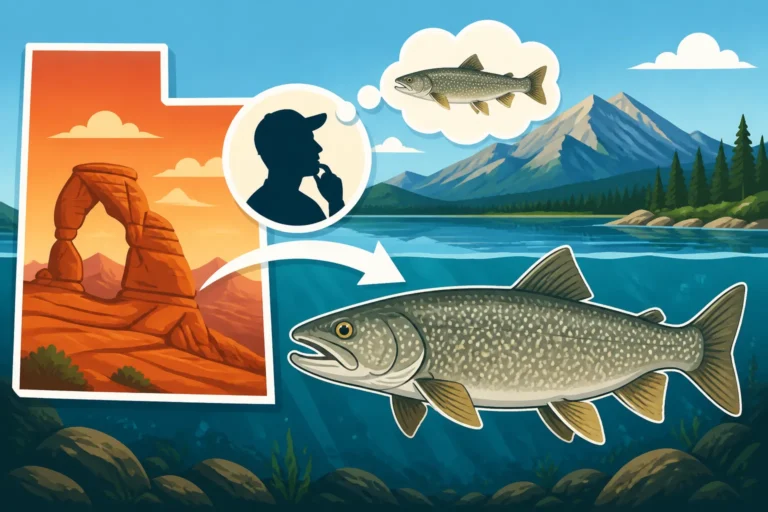
The sheer size and varied topography of Strawberry Reservoir are key to its success as a fishery. Covering over 17,000 acres when full, it offers a wide range of habitats that appeal to different fish species. You'll find expansive, deep basins that are perfect for cold-water species like lake trout (though they aren't the primary focus here) and kokanee, as well as numerous shallow bays and submerged structures. These shallower areas, often lined with vegetation or rocky outcrops, provide excellent cover and feeding grounds for trout and bass. The reservoir's water quality is generally excellent, a crucial factor for healthy fish growth and survival. Understanding these different zones – from the open water to the shoreline shallows and the river inlets – will significantly improve your chances of locating and catching fish. Some anglers use portable fish finders, readily available on platforms like Amazon, to scout these underwater features effectively.
The Primary Game Fish of Strawberry Reservoir
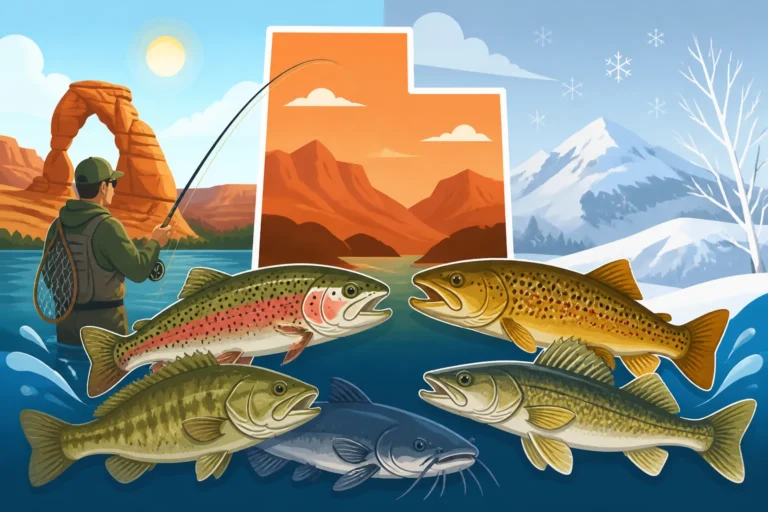
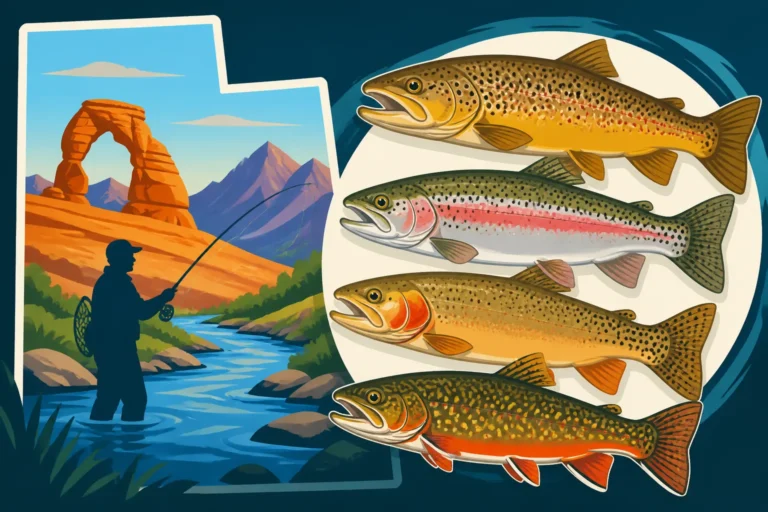
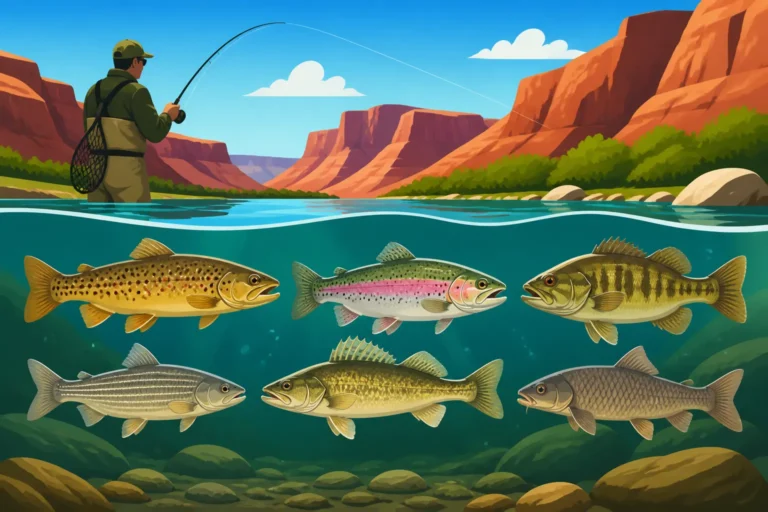
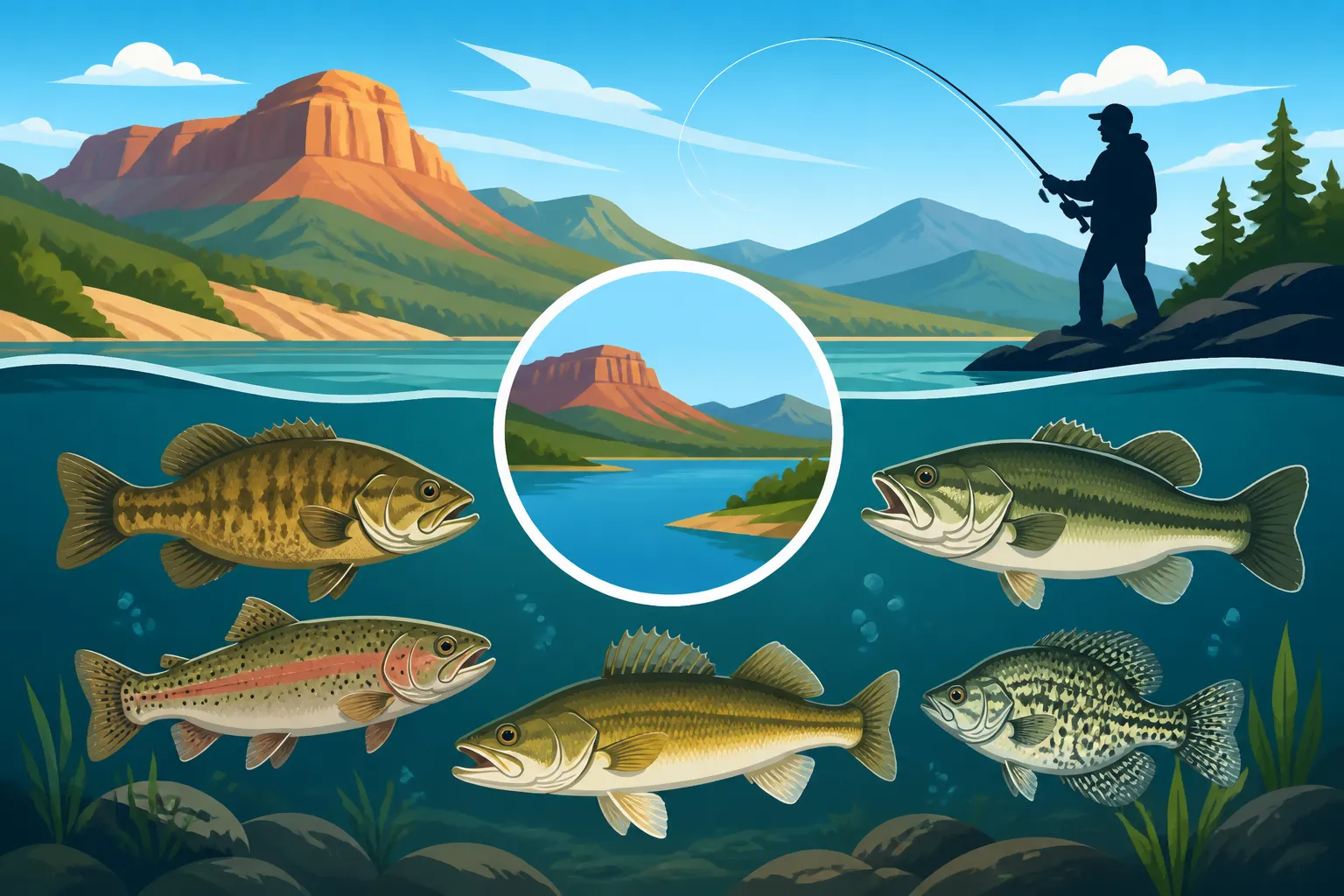
While Strawberry Reservoir hosts a variety of aquatic life, three species truly dominate the angling scene and draw the most attention from dedicated fishermen: Cutthroat Trout, Rainbow Trout, and Kokanee Salmon. Each offers a unique challenge and reward.
Cutthroat Trout: The Native Icon
The Bonneville Cutthroat Trout holds a special place in the heart of Strawberry Reservoir. This is the native cutthroat subspecies, and the UDWR has made it a priority to restore and maintain a healthy population in Strawberry. These beautiful fish are easily identifiable by the distinctive red or orange slash marks under their jaw, which gives them their name. In Strawberry, they can grow quite large, with many anglers reporting catches in the 18 to 24-inch range, and some even larger. They are aggressive predators, often found cruising the shorelines, drop-offs, and around submerged structures. Early mornings and evenings are often the best times to target them, especially during the warmer months when they tend to stay in deeper, cooler water during the day. Fishing for cutthroats often involves trolling with spoons or spinners, fly fishing with streamers, or casting bait near structure. Protecting these native fish is important, and you can learn more about specific catch limits and regulations in Utah Trout Limits by Water.
Rainbow Trout: A Reliable Favorite
Rainbow Trout are another cornerstone of Strawberry Reservoir's fishery, providing consistent action for anglers of all skill levels. While not native to the reservoir, they are regularly stocked by the UDWR to supplement the fishery and offer a reliable target. Rainbows are known for their vibrant colors, often featuring a distinctive red or pink stripe along their sides. They are generally less wary than cutthroat trout and tend to be more active throughout the day, making them a great option for a casual fishing trip. You'll often find them in shallower areas, especially near inlets and along the shoreline. They respond well to a wide variety of techniques, from still-fishing with PowerBait or worms to casting small spoons, spinners, or even fly fishing with nymphs and dry flies. Many a family fishing trip to Strawberry has been made memorable by a feisty rainbow on the end of the line, providing exciting tugs and jumps.
Kokanee Salmon: The Challenging Sport Fish
For many seasoned anglers, Kokanee Salmon are the ultimate prize at Strawberry Reservoir. These landlocked sockeye salmon are known for their delicious, vibrant orange flesh and their spirited fight. However, catching them is often considered a more specialized pursuit. Kokanee are pelagic fish, meaning they typically inhabit the open water column, feeding on zooplankton. This makes them a bit more challenging to locate and catch, usually requiring specialized techniques like downrigging or planer boards to present lures at specific depths. Spoons, dodgers, and squids in various colors (often pink, orange, or green) are popular choices. As they approach their spawning season in the fall, their bodies undergo dramatic changes, turning a brilliant red, and the males develop a humped back and hooked jaw. While these fish are beautiful, anglers should be aware of Strawberry Reservoir Seasonal Closure Dates as sections of the reservoir close to protect the spawning population. Finding the right gear for kokanee, from specialized rods to downriggers, is often easier when browsing reputable outdoor retailers or even Amazon, where you can compare different brands and features.
Other Notable Fish Species in Strawberry Reservoir
While cutthroat, rainbow, and kokanee are the stars of the show, Strawberry Reservoir is also home to a few other species that can add variety and excitement to your fishing experience. Knowing about these secondary players can broaden your angling horizons.
The Elusive Tiger Trout
Tiger Trout are a fascinating hybrid species, a cross between a brown trout and a brook trout. They are sterile and specifically stocked by the UDWR to help control populations of less desirable fish species, primarily the invasive Utah Chub, which can compete with desirable trout for food resources. What makes them so appealing to anglers is their striking, worm-like patterns (vermiform markings) resembling a tiger's stripes, and their aggressive, hard-fighting nature. They tend to be more elusive than rainbows or cutthroats, often preferring deeper, cooler water and structure. When you hook a tiger trout in Strawberry, it's often a memorable battle! They can grow to impressive sizes, offering a truly unique trophy opportunity. Target them with similar methods as cutthroat, but pay extra attention to depth and structure.
Smallmouth Bass: An Expanding Presence
In recent years, Smallmouth Bass have become a more common sight in Strawberry Reservoir, much to the mixed feelings of anglers and fisheries managers. While they offer an exciting warm-water fishing opportunity, their presence also introduces a potential competitor to the trout and kokanee populations. Smallmouth bass are known for their incredible fighting ability, often making powerful runs and acrobatic jumps when hooked. They prefer rocky shorelines, submerged ledges, and areas with gravel or rubble bottoms, where they can ambush baitfish and crawfish. Spin fishing with crankbaits, jigs, or soft plastics is highly effective for smallmouth. While not the primary target for most Strawberry visitors, they can provide thrilling action, especially during the warmer summer months. It's wise to be aware of Utah Bass Fishing Regulations as they might differ from trout limits.
Chubs and Suckers: Important Forage and Habitat Indicators
Beyond the popular game fish, Strawberry Reservoir is also home to several non-game species, primarily Utah Chub and Utah Sucker. These fish, while not typically targeted by recreational anglers, play a vital role in the reservoir's ecosystem. They serve as a crucial food source for larger predatory fish, particularly the cutthroat trout and any tiger trout that are present. Their populations are carefully monitored by the UDWR, as an overabundance of chubs, for example, can compete with juvenile trout for food. Observing these fish can also tell you something about the health of the habitat; abundant chubs in shallow, warm water, for instance, might indicate where bass are feeding. While you might occasionally snag one inadvertently, their main importance lies in their contribution to the food web that supports the prized game fish of Strawberry Reservoir.
Conservation and Management Efforts at Strawberry Reservoir
Strawberry Reservoir is not just a natural wonder; it's a carefully managed ecosystem. The long-term health of its fish populations, especially the native cutthroat, is a high priority for wildlife agencies.
Protecting the Fishery for Future Generations
The Utah Division of Wildlife Resources (UDWR) works tirelessly to ensure that Strawberry remains a top-tier fishery for years to come. Their strategies are multi-faceted, including extensive stocking programs for rainbow trout, cutthroat trout, and kokanee salmon. These stockings are crucial for maintaining healthy populations and providing consistent angling opportunities. Beyond stocking, the UDWR implements specific regulations tailored to Strawberry Reservoir, such as slot limits, bag limits, and seasonal closures, designed to protect spawning fish and allow trophy-sized fish to grow. For example, understanding Strawberry Reservoir Trout and Kokanee Limit is critical for any angler heading out. They also continuously monitor fish health, water quality, and the presence of invasive species to proactively address any threats to the reservoir's delicate balance. This dedicated management is why Strawberry continues to thrive as a fishing destination.
How Anglers Can Help
As anglers, we all have a role to play in preserving the incredible fishery at Strawberry Reservoir. The most important thing is to strictly adhere to all Utah Fishing Regulations Explained, including daily bag and possession limits, size restrictions, and gear restrictions. Practicing responsible catch-and-release, especially for larger native cutthroat trout, helps ensure these magnificent fish can spawn and contribute to future generations. When releasing fish, handle them gently, minimize their time out of water, and use proper techniques to ensure their survival. Using barbless hooks can also reduce harm to released fish. Additionally, preventing the spread of aquatic invasive species, like quagga and zebra mussels, is paramount. Always clean, drain, and dry your boats and gear before entering and after leaving any Utah waterway, especially Strawberry. Every little bit of effort from individual anglers contributes significantly to the long-term health and vitality of this cherished resource. You can often find great tools for responsible angling, like hook removers and knot-tying tools, on Amazon.
| Fish Species | Primary Coloration | Average Size (Strawberry) | Primary Habitat | Common Angling Methods |
|---|---|---|---|---|
| Bonneville Cutthroat Trout | Olive to golden-brown, red slash | 18-24 inches | Shorelines, drop-offs, submerged structure | Trolling (spoons, spinners), Fly Fishing (streamers) |
| Rainbow Trout | Silvery with pink/red stripe | 12-18 inches | Shallower bays, inlets, open water | Bait (PowerBait, worms), Casting (spoons, spinners) |
| Kokanee Salmon | Silvery (pre-spawn), bright red (spawn) | 12-16 inches | Open water column (pelagic) | Trolling (spoons, dodgers, squids) with downriggers |
| Tiger Trout | Distinctive dark 'tiger' stripes | 15-20+ inches | Deeper water, structure, near chubs | Trolling, jigs, large streamers |
| Smallmouth Bass | Bronze to green, vertical bars | 10-16 inches | Rocky shorelines, ledges, gravel bottoms | Casting (crankbaits, jigs, soft plastics) |
| Utah Chub / Utah Sucker | Silvery-grey (chub), dark/olive (sucker) | 6-12 inches | Various, often shallow areas, near vegetation | (Primarily forage, not targeted) |
Disclaimer
This article is for general informational purposes only and does not constitute professional advice. Laws, prices and regulations vary by location and change over time. Consult a qualified professional for guidance on your specific situation.