How Old a 50-Pound Lake Trout Typically Is
There’s a certain magic to the idea of a truly massive fish, isn't there? That whisper of a 50-pound lake trout lurking in the depths is enough to fuel countless dreams and fishing trips. When you picture such an immense creature, it's natural to wonder: just how long does it take for a fish to reach that legendary size? It’s not just about a big bite; it's about a long life, a testament to survival and incredible growth. This guide will delve into the fascinating world of giant lake trout, helping you understand the immense journey behind those epic proportions.
The Dream of a Giant: Why Trophy Lake Trout Captivate Us
For many anglers, the pursuit of a trophy fish isn't just about the fight; it's about the challenge, the mystery, and the sheer awe of connecting with an ancient, powerful creature. A 50-pound lake trout is truly a fish of a lifetime, representing decades of survival and growth in the wild. It’s the kind of catch that defines a fishing career and leaves an indelible mark on your memory.
The Allure of Record-Breaking Catches
There’s an undeniable thrill in chasing a state record or even just personal best. The thought of hooking into a fish that outweighs your average toddler is exhilarating. It speaks to a primal connection with nature, an understanding of the immense power hidden beneath the surface. These massive fish become legends in their own right, and the stories passed down from one generation of anglers to the next only add to their mystique. We pore over old photos and newspaper clippings, wondering about the angler, the fight, and most importantly, the fish itself.
Prime Hunting Grounds for Giants in Utah
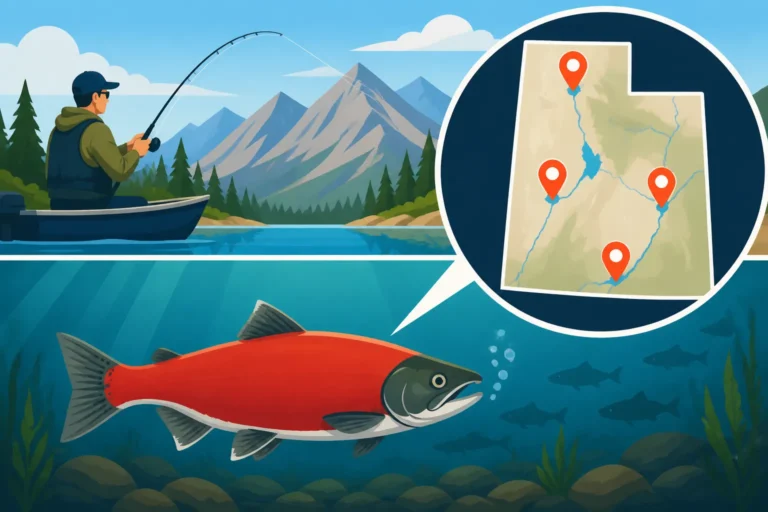
When we talk about truly gargantuan lake trout in Utah, one name almost immediately springs to mind: Flaming Gorge Reservoir. This vast, deep body of water, straddling the Utah-Wyoming border, is renowned for its incredible lake trout fishery. While smaller lake trout can be found in other waters, Flaming Gorge provides the ideal conditions – immense depth, cold water, and a robust forage base – for these fish to not only thrive but also to reach colossal sizes. It's where the Utah state record for lake trout was caught, a testament to its capability of producing monsters. Anglers spend countless hours honing their Utah Trolling Techniques for Lake Trout in these waters, hoping to tempt one of these giants from the abyss.
Factors Influencing Lake Trout Growth Rates
A fish doesn't just spontaneously become a 50-pounder. It's a complex interplay of environmental factors, genetic predispositions, and sheer luck over many, many years. Understanding these elements helps paint a clearer picture of the incredible journey a lake trout takes to reach such a monumental size.
Food Availability and Quality
Just like any living creature, a lake trout's growth is directly tied to its diet. In waters like Flaming Gorge, the presence of abundant and high-quality forage fish is absolutely crucial. Lake trout are apex predators in their ecosystem, and as they grow, they need substantial meals. Their diet in Flaming Gorge often includes kokanee salmon, a protein-rich food source that helps fuel rapid growth, especially in their younger and middle years. Without this kind of abundant and nutritious food, reaching truly enormous sizes would be impossible. If the forage base declines, so too does the potential for truly massive fish. It’s a delicate balance that fishery managers constantly monitor.
Water Temperature and Metabolism
Lake trout are cold-water fish, perfectly adapted to the deep, chilly environments of large reservoirs and natural lakes. Their metabolism, the rate at which their bodies process food and grow, is slower in cold water compared to many warm-water species. While this might suggest slower growth overall, it also contributes to their remarkable longevity. They can live for many decades in these cold, stable environments. Extremely cold water allows them to conserve energy and live longer, accumulating size over an extended period. This is why you often find the biggest lake trout holding in the deepest, coolest sections of a reservoir, sometimes even in summer months when shallower waters warm considerably. Knowing How Deep Lake Trout Live in Summer is key to targeting them when the temperatures climb.
Genetics and Individual Variation
Even with perfect conditions and an endless buffet of food, not every lake trout will grow to 50 pounds. Just like people, fish have genetic blueprints that influence their potential size and lifespan. Some lake trout are simply predisposed to grow larger and live longer than others. There's an element of individual variation at play. A fish with superior genetics that also happens to be in a prime feeding territory and avoids predation or angling pressure for decades has the best chance of becoming one of these legendary giants. It's the ultimate combination of nature and nurture, culminating in a truly magnificent specimen.
Estimating the Age of a 50-Pound Lake Trout
So, we come back to the burning question: how old is a 50-pound lake trout typically? The answer isn't a simple number, but rather a range that reflects the numerous variables discussed. However, one thing is for certain: a fish of this magnitude is undeniably ancient in fish terms.
The Science Behind Fish Aging
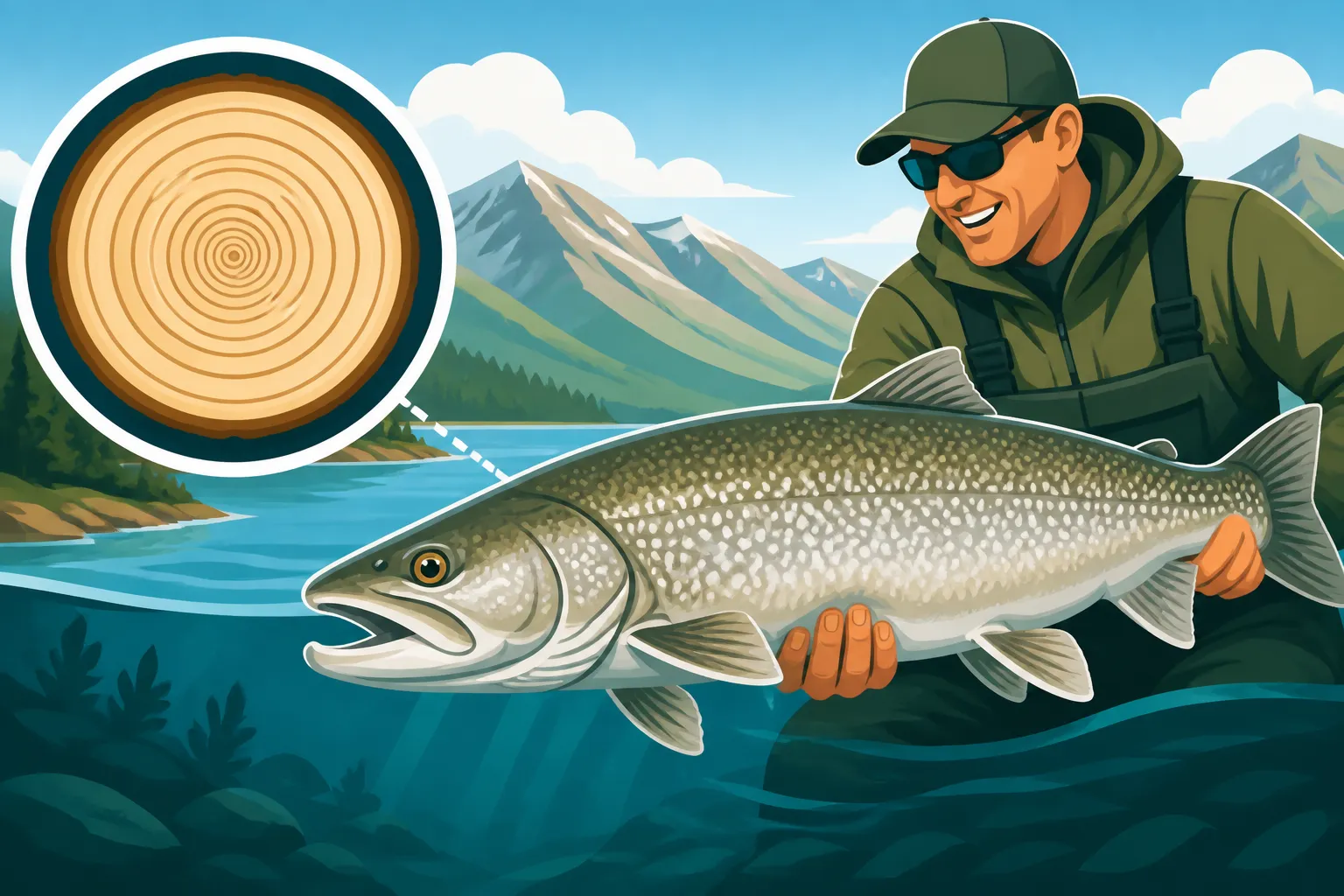
Fishery biologists use a few methods to determine a fish's age. The most common and accurate involves examining a fish's otoliths, also known as ear bones. These small, calcified structures grow in layers, much like tree rings, adding a new ring for each year of the fish's life. By slicing an otolith and counting these rings under a microscope, scientists can get a very precise age. Scales also have growth rings (annuli) that can be read, though they can be less reliable than otoliths, especially on older fish where the scales might be worn. These scientific methods help us understand the life history of species like those found in the Utah Trout Species Guide.
Utah-Specific Growth Data and General Estimates
Based on studies of lake trout in productive fisheries like Flaming Gorge, a 50-pound lake trout is a true geriatric, a venerable elder of the deep. While growth rates can vary, a lake trout typically reaches 50 pounds only after at least 30 to 40 years of life, and often much longer. It's not uncommon for these behemoths to be pushing 50, 60, or even 70+ years old. Think about that for a moment: this fish has been alive for half a century or more, experiencing countless seasons, environmental changes, and challenges. It has witnessed decades of human activity on the water, silently growing and surviving in its underwater world. This is why handling these fish with extreme care, especially if you plan to release them, is paramount. How to Release a Fish Without Hurting It in Utah is vital knowledge for any trophy angler.
Why Exact Ages are Hard to Pinpoint
While scientific methods provide good estimates, pinpointing an exact age for every single fish is challenging. Growth rates aren't uniform; they can fluctuate dramatically based on yearly food availability, water conditions, and the fish's overall health. A few years of abundant forage might lead to a growth spurt, while lean years could slow it down significantly. Furthermore, a fish that spends more time actively feeding might grow faster than a more sedentary one, even if they're the same age. It's a complex equation with many variables, but the general consensus remains: a 50-pound lake trout is an incredibly old fish. When you're out there using your Best Fishing Rods for Utah Anglers, remember the history potentially swimming at the end of your line.
Longevity and the Lifecycle of a Lake Trout
The sheer longevity of lake trout is a huge part of what allows them to reach such incredible sizes. They are built for the long haul, designed to survive for decades in demanding environments.
Lake Trout Lifespan in Healthy Ecosystems
In optimal, healthy ecosystems, lake trout are known to be one of the longest-lived freshwater fish species in North America. Lifespans of 20 to 30 years are relatively common for mature fish, and in some northern, remote lakes with low fishing pressure and stable environments, individuals have been documented living for over 50 years, with some rare reports pushing towards 70 or even beyond. This incredible resilience and slow, steady growth over many seasons are what enable the existence of those truly giant, record-setting fish.
Challenges to Reaching Extreme Old Age
While lake trout have the potential for extreme longevity, reaching 50 pounds and an age of many decades is a monumental feat. They face numerous challenges throughout their lives. Fishing pressure is a significant factor; trophy anglers are constantly seeking these large fish, and while many practice catch and release, not all fish survive the encounter. Environmental changes, disease, and fluctuations in their food source can also impact survival. A fish that makes it to 50 pounds has successfully navigated all of these hurdles, a true survivor story. This is why knowing Utah Fishing Regulations Explained and abiding by them, including catch limits, is so important for sustaining these fisheries. When out on the water, ensure you have all your essential gear, perhaps from a selection you might find on Amazon, and consider having a Best Coolers for Keeping Utah Fish Fresh ready, especially if you plan to keep a legal catch. Don't forget that compliance with rules, like visiting Utah Aquatic Invasive Species Inspection Stations, helps protect these long-lived fish and their habitats.
What it Takes to Grow a Legend
To illustrate the incredible commitment of time and resources it takes for a lake trout to become a 50-pound monster, let's consider the various stages of its life and the typical growth patterns. Keep in mind, these are averages, and specific fish in specific environments will deviate.
| Age Range (Years) | Approximate Weight (Pounds) | Key Factors & Survival Challenges |
|---|---|---|
| 0-5 | 0.1 – 2 | High mortality from predation, food competition. Rapid initial growth if forage is abundant. |
| 5-15 | 2 – 15 | Establishing territory, consistent feeding. Beginning to be targeted by anglers. |
| 15-25 | 15 – 35 | Strong growth, becoming a dominant predator. Increased angling pressure. |
| 25-40 | 35 – 50+ | Slower, steady growth. Peak reproductive years. Highly sought-after by trophy anglers. Very high survival odds needed. |
| 40+ | 50+ (rare) | Extreme longevity, continued slow growth. Surviving decades of environmental change and fishing pressure. |
This table shows that while lake trout can grow relatively quickly in their younger years, achieving those truly massive sizes takes an exponential amount of time. Each pound added after, say, 30 pounds, represents many more years of survival and consistent feeding. It highlights why a 50-pound lake trout is such a rare and revered catch. Equipping yourself with the right tools, like a reliable Best Fish Finders for Utah Reservoirs, can help you locate these deep-water giants, but ultimately, patience and respect for the fish's long journey are key. And don't forget the practical necessities, like making sure your Utah Fishing License Guide is current before you even wet a line.
Disclaimer
This article is for general informational purposes only and does not constitute professional advice. Laws, prices and regulations vary by location and change over time. Consult a qualified professional for guidance on your specific situation.