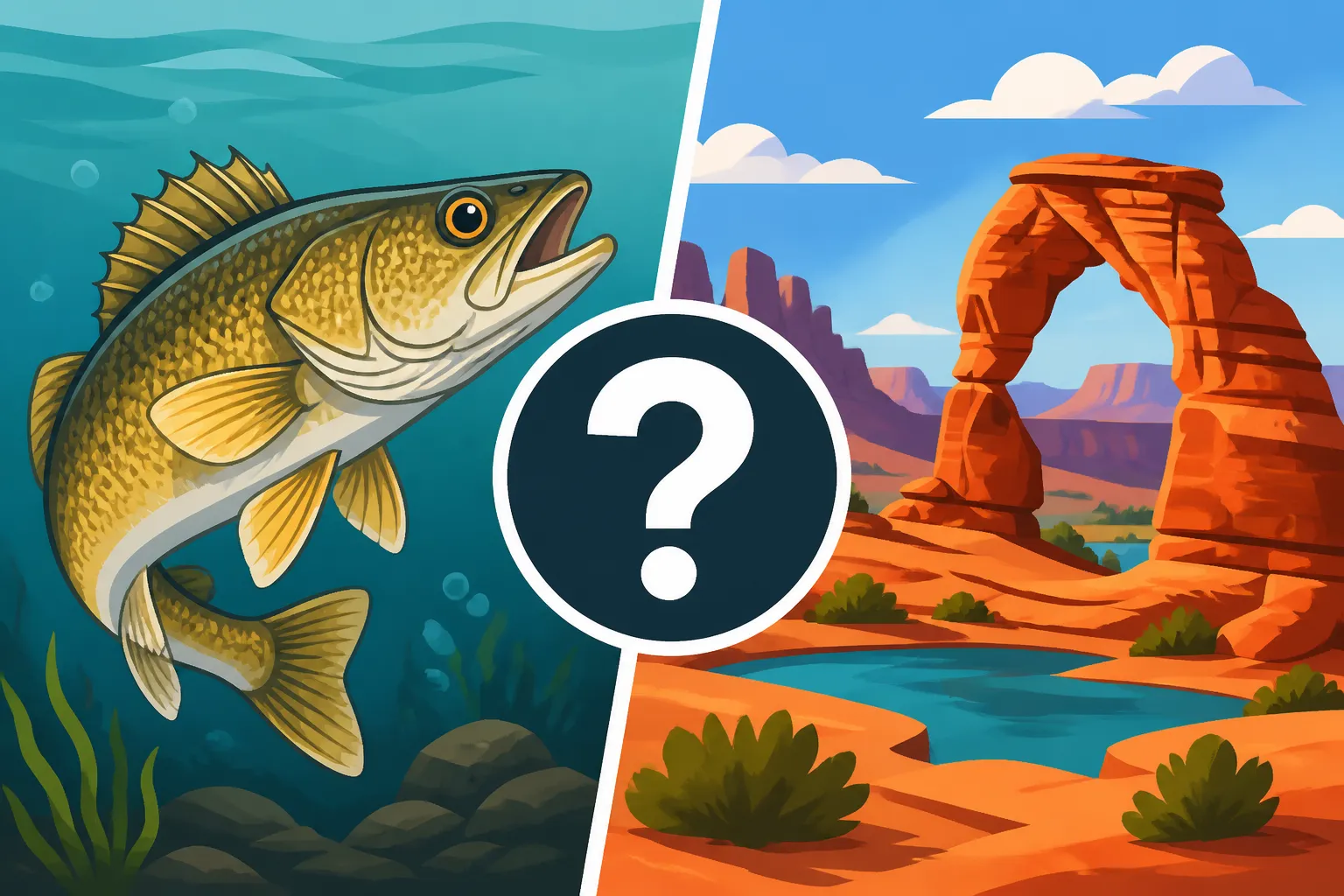
Are Walleye Native to Utah?
It’s a question many curious anglers ponder when they land a beautiful walleye from the depths of Utah Lake or Willard Bay: "Are walleye native to Utah?" The truth about a species' origins can be a bit more complicated than it seems, especially in states like ours where fisheries management involves a delicate balance of native conservation and providing diverse angling opportunities. This guide will dive deep into whether walleye are truly native to Utah, why they ended up here, and what their presence means for our unique aquatic ecosystems and for those of us who love to cast a line.
The Short Answer: Walleye are Not Native to Utah
Let’s get straight to it: no, walleye are not native to Utah. While they have established thriving populations in several of our premier fishing waters, these toothy predators are considered an introduced or non-native species in the Beehive State. Understanding this distinction is crucial for appreciating the history of fishing in Utah and the ongoing efforts to manage our diverse aquatic environments. It's a prime example of how human intervention, even with the best intentions, can reshape a natural landscape.
Understanding Native vs. Introduced Species
When we talk about a "native" species, we're referring to an organism that naturally originated and evolved in a particular region without human intervention. These species are deeply intertwined with their local ecosystems, having developed complex relationships with the climate, other plants, and animals over millennia. Think of the Bonneville Cutthroat Trout, which is truly native to the Bear River and Bonneville Basin. It's a fish that belongs here, adapted to our unique conditions.
An "introduced" or "non-native" species, on the other hand, is one that has been brought into a region, intentionally or unintentionally, by human activity. Sometimes these introductions are for specific purposes, like establishing a sport fishery or controlling other species. Other times, they arrive inadvertently, perhaps through ballast water or accidental releases. In Utah, we have a mix of both, and the impact can range from negligible to profoundly disruptive to the delicate balance of our natural waters.
Why does this distinction matter so much? Because native species are the backbone of a healthy, self-sustaining ecosystem. They are indicators of environmental health and contribute to biodiversity. When non-native species are introduced, they can outcompete native fish for food and habitat, introduce diseases, or prey on vulnerable native populations, sometimes pushing them towards endangerment or extinction. It’s a complex ecological puzzle, and fisheries managers spend countless hours trying to find the right balance.
Where Walleye Originally Came From
Walleye, with their distinctive large, reflective eyes and voracious appetites, are primarily native to the freshwater systems of the northern United States and Canada. Their historical range spans from the Great Lakes region westward through the Dakotas and northward into the vast Canadian Shield lakes and rivers. They are perfectly adapted to the cooler, often murkier waters found in these areas, typically favoring large lakes and slow-moving rivers with gravel or rock bottoms for spawning.
Their natural habitat often includes abundant forage fish like perch and minnows, along with plenty of structure such as weed beds, rock piles, and submerged timber where they can ambush prey. They are highly sought-after sport fish in their native range, prized for their challenging fight and exceptional table quality. It's this popularity in other regions that often leads to their introduction elsewhere, as anglers naturally want to bring their favorite species to new waters.
Comparing this natural habitat to Utah's largely arid environment, with its unique desert lakes, high mountain reservoirs, and tailwater rivers, you can quickly see that walleye aren't a natural fit. Our native fish species, like the various strains of cutthroat trout and unique suckers, evolved to thrive in conditions specific to the Intermountain West, not the expansive, interconnected river systems of the Midwest. The very thought of a walleye naturally appearing in the Great Salt Lake basin, for instance, just doesn't align with their historical biology.
How Walleye Arrived in Utah Waters
So, if walleye aren't native, how did they become such a popular sport fish in places like Utah Lake? The answer lies in intentional stocking programs initiated by fisheries managers decades ago, driven by a desire to diversify fishing opportunities and, in some cases, to introduce a predatory fish that could help manage burgeoning populations of less desirable species. It was a calculated decision, one that aimed to enhance the recreational value of certain waters.
The Intentional Stocking Programs
The introduction of walleye into Utah began with a vision to create new, exciting sport fisheries. Fisheries agencies observed the success and popularity of walleye in other states and saw an opportunity to bring this prized game fish to some of Utah's larger impoundments. The primary motivations were often twofold: to provide a challenging and tasty new species for anglers and to introduce a predator that could help control populations of prolific, often less-desirable, panfish or baitfish species.
For instance, in waters like Utah Lake, which historically supported a native fishery now largely impacted by introduced species, walleye were seen as a valuable addition. The hope was that they could thrive, reproduce, and create a self-sustaining population that would draw anglers and contribute to the local economy. It wasn't a haphazard release; it was a deliberate, planned effort by wildlife biologists, relying on techniques and knowledge gained from other states that had successfully introduced walleye. This involved acquiring eggs or young fish from established populations and carefully transplanting them into selected Utah waters. The goal was to mimic the success seen elsewhere and give Utah anglers a new and exciting target.
Notable Walleye Waters in Utah
Today, Utah boasts a few truly exceptional walleye fisheries, testaments to the success of these early stocking efforts. The most prominent, without a doubt, is Utah Lake. This vast, shallow freshwater lake has become a premier destination for walleye enthusiasts, offering consistent action and the chance at trophy-sized fish. Anglers flock to its waters, particularly during the spring spawn and fall feeding frenzies, eager to experience the thrill of a walleye bite. Where to Catch Walleye at Utah Lake provides more detailed information on specific hot spots.
Another significant walleye hotspot is Willard Bay Reservoir, located north of Salt Lake City. This unique, diked-off freshwater arm of the Great Salt Lake provides a different kind of walleye experience, often yielding impressive numbers of fish. Other waters, such as Pineview Reservoir and Deer Creek Reservoir, have also seen walleye introductions, though their populations and management goals might vary. The success of these introductions has made walleye a firmly established part of Utah’s angling landscape, even if they aren't native. If you're looking for The Utah State Record Walleye, these waters are often where the biggest fish are found.
The excitement among anglers for this new target species was, and still is, palpable. Walleye offer a different challenge than trout or bass, often requiring specialized techniques and a keen understanding of their habits. This diversity of angling opportunity is something many anglers appreciate, and the popularity of walleye tournaments and guide services centered around these fish speaks volumes about their impact on Utah's fishing culture. It's safe to say that for many, a day chasing walleye is a highlight of the fishing season.
The Ecological Impact of Non-Native Walleye
While the introduction of walleye has undoubtedly created fantastic fishing opportunities, it's also important to consider the ecological implications. Anytime a non-native species is introduced into an ecosystem, there's a potential for disruption, and walleye are no exception. Their presence necessitates careful management to mitigate negative effects on native species and maintain the overall health of Utah's aquatic environments.
Competition with Native Species
Walleye are highly efficient predators and competitors, and their introduction can sometimes put pressure on native fish populations. They compete directly for food resources, particularly baitfish and smaller prey items. In some cases, they might also compete for preferred habitats, especially during spawning periods or when seeking cover. Imagine a native fish that relies on a specific type of aquatic insect or small fish for sustenance; if walleye move in and consume that same food source more efficiently, the native species can suffer.
One of the most concerning scenarios is when walleye are introduced into waters containing endangered or sensitive native species. For instance, in Utah Lake, the presence of walleye, along with other introduced species, adds another layer of complexity to the recovery efforts for the endangered June Sucker. While walleye were introduced with specific management goals in mind, their role in an ecosystem shared with vulnerable native fish requires constant monitoring and adaptive strategies. Why the June Sucker Is Endangered in Utah Lake delves deeper into these challenges.
This competition can lead to declines in native fish numbers, not always through direct predation, but simply by outcompeting them for the necessities of life. It’s a subtle but powerful force in the underwater world, and understanding these interactions is paramount for conservationists trying to protect Utah's unique natural heritage. Fisheries biologists are always balancing the desire for recreational fishing with the critical need to protect the fish that truly belong here.
Predation on Other Fish Populations
As efficient, opportunistic predators, walleye can have a significant impact on the prey fish populations within their introduced environments. Their diet often includes a wide range of smaller fish, which can sometimes include juvenile native species or species that are important forage for other native predators. Walleye are known for their schooling behavior and their ability to hunt effectively in low light conditions, giving them an advantage over some other predators. This predatory pressure is precisely why they were introduced in some cases – to reduce overpopulation of species like carp or to manage yellow perch.
However, the impact isn't always neatly contained to target species. A robust walleye population needs a robust food supply, and if the intended prey species become scarce, walleye will turn to whatever is available. This can create unintended consequences, potentially shifting the balance of the ecosystem in unforeseen ways. The Utah Division of Wildlife Resources (DWR) carefully monitors walleye populations and their food sources to ensure that they are not unduly impacting other fish, especially those of conservation concern. Regulations regarding Utah Walleye Harvest Rules and daily limits are often designed not just for sustainable fishing, but also to manage the overall predatory pressure on the lake's ecosystem.
This constant push and pull makes the study of Utah fish species endlessly fascinating but also critically important. Every fish introduced, every management decision made, creates ripples throughout the aquatic environment. It's a testament to the complex interconnectedness of nature that even a single species, brought in for seemingly good reasons, can have such far-reaching effects.
Angler's Perspective: Why Walleye Fishing is Still Popular
Despite being a non-native species, walleye have cemented their place in the hearts of many Utah anglers. There's a strong, passionate community built around chasing these fish, and for good reason. Their unique characteristics make them a thrilling and rewarding target, offering a different kind of challenge and a highly sought-after reward.
The Thrill of the Catch
For those who pursue them, walleye offer an unparalleled angling experience. They are known for their cunning, often requiring anglers to master specific techniques and understand subtle bites. They don't always put up the dramatic, acrobatic fight of a rainbow trout, but their powerful, dogged runs, especially when hooked in deeper water, are incredibly satisfying. Many anglers describe the walleye bite as a "thump" or a light tap, demanding concentration and quick reflexes to set the hook effectively. This subtle nature makes them a true game fish, and successfully landing one feels like a real accomplishment. You can find specialized gear for this pursuit on platforms like Amazon, from sensitive rods to specific lures designed to entice these finicky biters.
Beyond the fight, walleye are also incredibly prized for their excellent table fare. Their flaky, white meat is considered among the best of freshwater fish, making them a popular choice for dinner. The promise of a delicious meal often adds another layer of motivation for anglers spending long hours on the water. This combination of a challenging pursuit and a gourmet reward ensures that walleye fishing remains incredibly popular, drawing dedicated anglers to waters like Utah Lake year-round. It's a tradition that has blossomed since their introduction, becoming a significant part of the local fishing scene.
Responsible Walleye Fishing Practices
Given their non-native status and the potential ecological impacts, responsible fishing practices are paramount when targeting walleye in Utah. This means strict adherence to all regulations set by the Utah Division of Wildlife Resources. These rules are not arbitrary; they are carefully crafted by biologists to manage fish populations, protect native species, and ensure sustainable angling opportunities for everyone. This includes understanding Utah Walleye Daily Limit and any length restrictions that may be in place.
Anglers play a vital role in the management of introduced species. By following regulations, practicing proper catch-and-release when required, and understanding why certain rules exist, we contribute to the health of the entire fishery. In some cases, for particularly invasive non-native species like Northern Pike in Utah Lake, anglers are actually required to kill every fish they catch to prevent further spread and protect native populations – Why Utah Lake Require You to Kill Every Northern Pike? explains this in detail. While walleye don't typically fall under such stringent requirements, their management still involves careful consideration of their role in the ecosystem.
Being a responsible angler also means staying informed about current conditions and regulations. The DWR regularly updates its fishing reports and handbooks, and platforms like Amazon offer various fishing guides and books that can help you understand the nuances of fishing specific species responsibly. By taking an active role in conservation and ethical angling, we can all help ensure that Utah's diverse fisheries, both native and introduced, remain healthy and vibrant for generations to come.
Here's a quick overview of some key aspects regarding walleye in Utah:
| Feature | Description |
|---|---|
| Native Status | Not native to Utah. Introduced by state fisheries agencies. |
| Original Range | Northern U.S. (Great Lakes, Midwest) and Canada. |
| Reason for Introduction | To diversify sport fishing opportunities and act as a predator for certain forage fish or nuisance species. |
| Key Utah Waters | Utah Lake (premier fishery), Willard Bay Reservoir (excellent numbers), Pineview Reservoir, Deer Creek Reservoir (populations vary). |
| Ecological Impact | Can compete with native species for food and habitat, and prey on other fish populations. Requires careful management to minimize impact on native ecosystems, especially sensitive species. |
| Angler Appeal | Highly sought-after game fish due to challenging bite, strong fight, and excellent table quality. Requires specialized techniques. |
| Responsible Angling | Adherence to DWR regulations (limits, sizes), proper catch-and-release, and staying informed about species-specific rules are crucial for maintaining healthy fisheries and supporting conservation efforts. |
Disclaimer
This article is for general informational purposes only and does not constitute professional advice. Laws, prices and regulations vary by location and change over time. Consult a qualified professional for guidance on your specific situation.