Fish Species That Bite Best in Cold Water
Oh, the thought of fishing in the colder months! Many anglers dread it, picturing deserted lakes and fish huddled at the bottom, practically hibernating. It’s a common misconception that once the leaves start to fall and the air gets crisp, the fishing simply shuts down. But let me tell you, that couldn't be further from the truth in Utah! While some species certainly slow their roll, there are plenty of incredible fish that actually thrive, becoming more active and offering some of the best angling opportunities of the year. This guide is all about shining a spotlight on those cold-water champions and helping you discover the thrill of fishing when others have packed away their gear.
The Unique Challenge of Cold Water Fishing in Utah
When the seasons change in Utah, everything shifts – including our fish. Gone are the long, lazy days of summer when fish might be found in shallower, warmer waters, seemingly everywhere you cast. Cold weather fishing, whether it's late fall, winter, or early spring, presents a distinct set of challenges and rewards. You're not just fighting the fish; sometimes, you're battling the elements, too!
Why Fish Behavior Changes When Temperatures Drop
It all comes down to biology, really. Fish are cold-blooded creatures, which means their body temperature is regulated by the water around them. As the water cools, their metabolism slows down. This isn't just a minor adjustment; it's a fundamental shift in how they live. They burn fewer calories, so they don't need to eat as often or as much. This change affects where they hang out, what they're willing to eat, and how aggressively they'll pursue a meal. You'll often find them conserving energy, moving less, and congregating in specific areas where conditions are most stable, like deeper water or near thermal refuges if available.
The insect hatches that fuel fly fishing in spring and summer diminish dramatically, and the active baitfish schools might disperse or move to deeper haunts. This means that the techniques and baits that worked so well in July might be completely ignored in November or January. Understanding this metabolic slowdown is the first step to successful cold-water fishing. It's not about forcing them to bite, but about presenting an irresistible offering where they live and in a way that conserves their energy.
Dispelling the Myth of Hibernating Fish
Let's clear this up right away: fish don't truly hibernate in the same way bears do. While their activity levels drop significantly, they absolutely still need to eat. Think of it more like a person on a strict budget: they're not going to splurge, but they still need groceries! They're just more selective and less willing to expend precious energy chasing down a meal. This is especially true for species that remain active in colder water.
For many anglers, the idea of "hibernating" fish leads them to believe fishing is pointless, leaving the waters quieter and less pressured. This is fantastic news for those of us who brave the chill! It means less competition on the water and often, a better chance at quality fish. Many of Utah's prized species actually enter a prime feeding window as the water cools, bulking up for the leanest part of winter or preparing for spring spawning. You just need to know which species to target and adapt your approach. Don't let the cold scare you away; it's an opportunity, not an obstacle!
Top Utah Fish Species That Excel in Cold Water
Utah is blessed with a diverse range of fisheries, and many of its star inhabitants don't mind a bit of a chill. In fact, some of them absolutely thrive when the water temperatures drop. Knowing which fish are active will significantly increase your success and enjoyment during the colder months.
The Resilient Trout Family
When you think of cold-water fishing in Utah, trout are often the first fish that come to mind, and for good reason! Most trout species prefer cooler water and remain active, even under a thick sheet of ice.
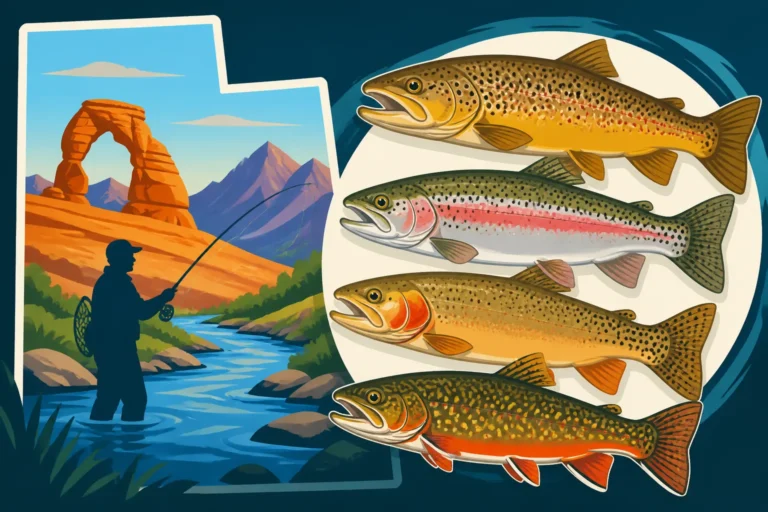
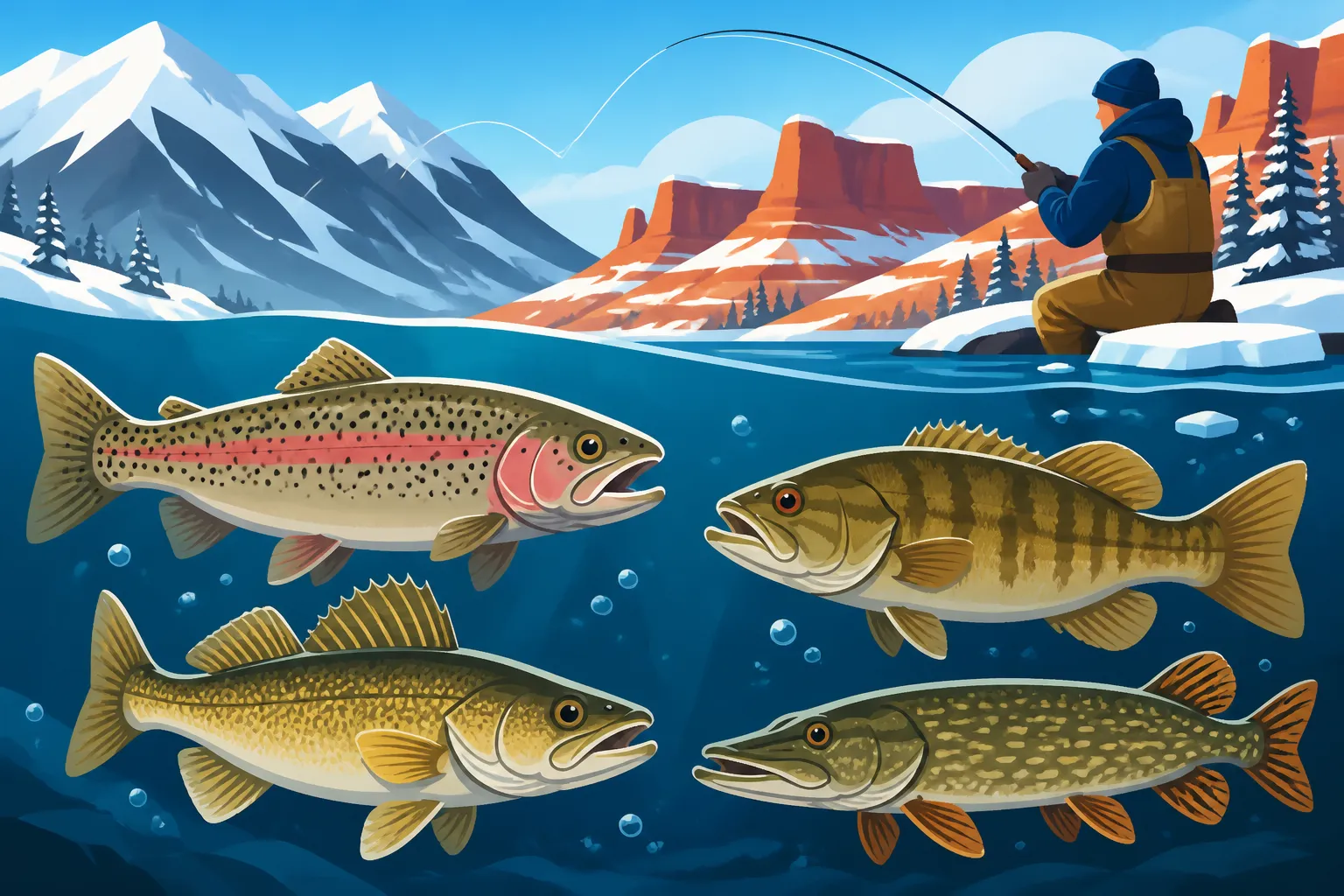
- Rainbow Trout: These vibrant fighters are a staple in many Utah reservoirs and rivers. They are frequently stocked and are quite tolerant of cold water, making them a primary target for ice fishing and late-season angling. While they might not be as aggressive as in summer, they’ll still readily take a well-presented bait or jig. Community ponds, often stocked throughout the colder months, are fantastic spots for rainbow trout. You can find excellent advice on targeting them in How to Ice Fish for Trout in Utah.
- Brown Trout: Known for their elusive nature and stunning beauty, brown trout are particularly cold-hardy. River anglers often find some of the best brown trout fishing in late fall and early spring, and even through the winter on open stretches of water like the Provo River. Big browns often become more active and less wary during these colder periods, offering a real shot at a trophy. They're often found hugging structure or deep pools, waiting to ambush prey.
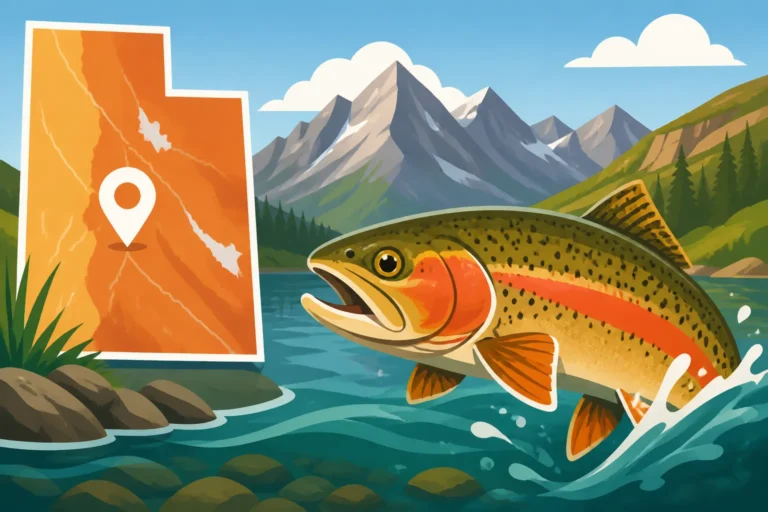
- Cutthroat Trout: As Utah's state fish, cutthroat trout are native to many of our high-elevation lakes and mountain streams. While some of these waters freeze solid, the cutthroat in larger reservoirs like Bear Lake remain active through the winter. They are incredibly resilient and provide a thrilling fight, even in frigid conditions. Understanding their unique behaviors can be found in our Utah Cutthroat Trout Guide.
- Tiger Trout: These striking sterile hybrids (a cross between a brown and brook trout) are stocked in several Utah waters, including Scofield Reservoir. They are aggressive predators and, like their brown trout relatives, remain very active in cold water. They can be a fantastic target for ice anglers looking for a challenging fight.
- Splake: Another hybrid, this time a cross between a lake trout and brook trout, splake are a true cold-water specialist. They are stocked in deep, cold reservoirs and are known for their voracious appetite, even when the thermometer dips. They often patrol deeper zones, making them a prime target for jigging through the ice.
Aggressive Predators: Walleye and Northern Pike
Don't let their warmer water reputation fool you; some predatory species actually become more catchable in cold water.
- Walleye: While they can be finicky, walleye are well-known for their excellent cold-water bite, especially through the ice or during late fall and early spring. Lakes like Utah Lake and Willard Bay are famous for their walleye populations, and dedicated anglers brave the cold for a chance at these delicious fish. They often feed heavily during low light conditions or at night, making them a prime target for dedicated cold-weather enthusiasts. Utah Walleye Fishing Guide offers more insights into chasing these beauties.
- Northern Pike: These ambush predators, particularly problematic in waters like Utah Lake where they are invasive, are incredibly active in cold water. In fact, winter can be one of the best times to target them, especially if you're helping with their mandatory harvest. Pike are cold-blooded killers with a powerful strike, and they don't seem bothered by ice or frigid temperatures one bit. They'll often hold near structure or weed edges, even dormant ones, waiting for an easy meal.
Schooling Species: Perch and Cisco
Sometimes, quantity is just as much fun as quality, and these schooling species offer just that in cold water.
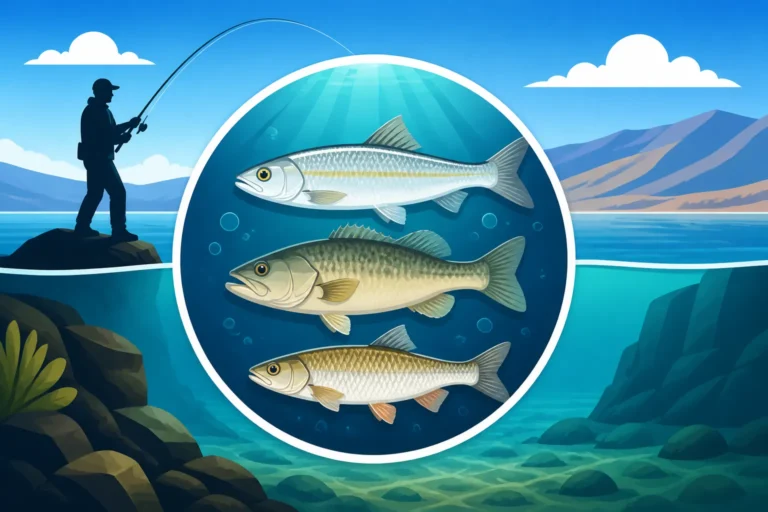
- Yellow Perch: Perch are a phenomenal cold-water target, especially for ice anglers. They school up in large numbers, and once you find a school, you can enjoy fast-paced action. Waters like Bear Lake, Rockport Reservoir, and Deer Creek Reservoir offer fantastic perch fishing. They're also delicious! Learning more about them can be found in Yellow Perch in Utah Waters. They are often caught on small jigs tipped with bait.
- Bonneville Cisco: Unique to Bear Lake, the Bonneville Cisco is a small, silvery fish that provides an unparalleled winter fishing experience during its annual spawning run, typically in January. While primarily targeted by snagging during this brief window, their presence signifies an incredible cold-water ecosystem. Anglers flock to Bear Lake during this time, braving often brutal conditions for the chance to fill their buckets. More details on this unique phenomenon are available in Bonneville Cisco at Bear Lake.
The Deep-Dwelling Lake Trout
Often referred to as Mackinaw in Utah, lake trout are the epitome of a cold-water fish. They live in deep, cold lakes and are active year-round, making them a prime target for serious anglers in the fall, winter, and spring.
- Lake Trout (Mackinaw): These giants thrive in the deep, cold waters of Flaming Gorge Reservoir and Bear Lake. In winter, they often move shallower than in the heat of summer, making them more accessible to ice anglers. Jigging large spoons or tube jigs, or even using tip-ups with big bait, can produce incredible results for these powerful fish. They are often found patrolling structure or chasing schools of kokanee salmon or cisco. Check out our Utah Lake Trout (Mackinaw) Guide for in-depth strategies. These fish are true trophies, and the colder months offer some of the best opportunities to land a real monster.
| Fish Species | Primary Cold-Water Appeal | Preferred Depth (Cold) | Typical Baits/Lures | Best Utah Waters (Cold) |
|---|---|---|---|---|
| Rainbow Trout | Consistent biters, widely stocked, good for ice fishing | Shallow to Mid-depth | Worms, PowerBait, small jigs, spoons | Community Ponds, Strawberry, Deer Creek, Jordanelle |
| Brown Trout | Become more active, less wary; potential for trophies | Mid-depth, near structure | Spinners, stickbaits, jigs, minnows | Provo River, Green River, Flaming Gorge, Bear Lake |
| Cutthroat Trout | Resilient, strong fighters, native species | Mid-depth | Jigs, spoons, worms, small flies | Bear Lake, Scofield, Strawberry, high mountain lakes |
| Tiger Trout | Aggressive predators, strong fight | Mid-depth | Jigs, spoons, small crankbaits | Scofield, Joes Valley, Yankee Meadow, Minersville |
| Splake | Voracious appetite, deep-water residents | Mid-depth to Deep | Tube jigs, spoons, jigging Rapalas | Fish Lake, Joes Valley, Starvation, Scofield |
| Walleye | Excellent eating, active in low light/night, ice fishing | Mid-depth to Deep | Jigging spoons, blade baits, minnows | Utah Lake, Willard Bay, Starvation, Yuba |
| Northern Pike | Aggressive ambush predators, mandatory harvest | Shallow to Mid-depth | Large spoons, jerkbaits, dead bait | Utah Lake, Pineview, Mantua |
| Yellow Perch | Schooling fish, fast action, delicious | Mid-depth | Small jigs, worms, grub | Bear Lake, Deer Creek, Rockport, Scofield |
| Bonneville Cisco | Unique Bear Lake experience, massive winter run | Mid-depth | Small jigging spoons (snagging) | Bear Lake |
| Lake Trout (Mackinaw) | Trophy potential, deep-water giants, powerful fight | Deep, can move shallower under ice | Large spoons, tube jigs, big bait | Flaming Gorge, Bear Lake |
Mastering Techniques for Cold-Water Success
Catching fish in cold water isn't just about knowing what to fish for; it's crucially about knowing how. Fish behavior changes, and so must your approach. Patience and precision become your best friends, along with the right gear.
Adjusting Your Presentation and Bait
In cold water, fish are generally less willing to chase. Their metabolism is slower, and they're conserving energy. This means your presentation needs to be subtle, slow, and right in their strike zone.
- Slow Down Everything: Forget fast retrieves or aggressive jigging. Think finesse. Slowly lift and drop your jig, let your bait sit for longer periods, and reel at a snail's pace. A lot of cold-water bites feel like nothing more than a slight "mush" or added weight on your line, so pay close attention. Often, the fish just inhales the bait rather than striking it forcefully.
- Downsize Your Baits and Lures: Smaller profiles can be more appealing to lethargic fish. While a big lake trout might still hit a large tube jig, many other species will prefer a smaller spoon, a tiny plastic grub on a jig head, or a delicate fly pattern. Think about what natural forage might be available – often smaller insects or baitfish. For rainbow trout, a classic PowerBait rig or a small jig tipped with a mealworm can be deadly. You can find many effective options on Amazon.
- Natural Baits are Key: Live or natural baits often outperform artificials in cold water. Minnows, worms, and even pieces of cutbait emit natural scents and textures that can entice a reluctant fish. Tipping your jigs with a small piece of shrimp, a mealworm, or a wax worm can make all the difference, providing that extra incentive for a bite. Just remember to check bait regulations for your specific body of water!
- Scent Attractants: Adding a scent attractant to your lures or baits can be incredibly effective. Fish use their sense of smell extensively, especially when their other senses might be dulled by the cold. A good fish attractant can make your offering more appealing and mask any unnatural odors from your hands.
Locating Fish in Winter Conditions
Fish congregate in specific areas during cold periods to conserve energy and find stable conditions. Finding these zones is paramount to success.
- Deep Water: Generally, fish will move to deeper water, where temperatures are more stable. This doesn't mean the deepest part of the lake, but often deep channels, drop-offs, or submerged points that offer access to varying depths and structure. Fish in deep water might also be suspended, so a good fish finder is invaluable.
- Structure is King: Just like in warmer months, underwater structure provides cover and ambush points. Look for submerged timber, rock piles, ledges, or old creek beds. These areas often hold baitfish, which in turn attract predators. Even subtle changes in bottom contour can hold fish.
- Bottom of the Food Chain: If you can locate schools of baitfish, you'll likely find the predatory species that feed on them. Your fish finder can be a huge asset here, not just for seeing individual fish, but for identifying bait balls. For specific strategies, How to Read a Fish Finder for Utah Reservoirs provides great tips.
- Patience and Mobility: Cold-water fishing often requires patience. You might need to drill many holes if ice fishing, or spend significant time exploring different depths and locations from a boat before you find where the fish are holding. Don't be afraid to move if you're not getting bites. Sometimes a subtle shift in location by only a few yards can make all the difference.
Essential Gear for Cold-Weather Angling
Being comfortable and prepared is just as important as your fishing technique when battling the cold. The right gear makes the experience enjoyable and safe.
- Layered Clothing: This is non-negotiable. Start with moisture-wicking base layers, add insulating mid-layers (fleece, down), and top with waterproof and windproof outer layers. You can always shed layers if you get too warm. Think about the tips in How to Layer Clothing for a Utah Winter Fishing Trip.
- Warm Footwear and Hand Protection: Insulated, waterproof boots are essential. Your feet will be the first to get cold. Good gloves or mittens are also critical, though you'll often need fingerless gloves or removable mitts for dexterity when tying knots or handling fish.
- Ice Fishing Specifics: If you're going ice fishing, an ice auger (manual or powered) is a must. A portable shelter can make a huge difference in comfort, especially on windy days. Check out Best Ice Fishing Shelters for Utah Winters for options. And, of course, specialized ice fishing rods and reels are designed for the unique challenges of fishing through a small hole. Many of these items are readily available on Amazon.
- Safety Gear: Always have ice picks (worn around your neck), a spud bar (to check ice thickness), and a throw rope if you're venturing onto the ice. Never go alone, and always tell someone where you're going and when you expect to return. For crucial safety advice, refer to How to Check Ice Thickness Safely Before Ice Fishing.
- Fish Handling Tools: Cold water fish are often more fragile. Have a good landing net ready to minimize stress, and use de-hooking tools to release fish quickly and safely if you're not keeping them.
Embracing the Full Utah Winter Fishing Experience
Cold water fishing in Utah isn't just about catching fish; it's about connecting with nature in a way many people never experience. The quiet solitude, the crisp air, and the unique beauty of a winter landscape add an extra layer of enjoyment to every outing.
Safety First: Staying Warm and Prepared
I can't stress this enough: safety is paramount when fishing in cold conditions. A little preparation goes a long way in preventing a miserable, or even dangerous, situation.
- Dress for Success: We talked about layers, but it bears repeating. Always overdress rather than underdress. You can shed layers, but you can't add what you didn't bring. Wool socks, waterproof outer shells, and a warm hat are non-negotiable. Hypothermia can set in faster than you think, especially if you get wet.
- Buddy System: Whenever possible, fish with a friend. This is particularly true for ice fishing or venturing into remote areas. If something goes wrong, having someone else there can be a lifesaver. Plus, it's just more fun to share the experience!
- Know the Conditions: Always check weather forecasts, ice reports, and water conditions before you head out. High winds can make even a mild winter day feel unbearable, and ice conditions can change rapidly. Don't take chances. How to Fish Safely Alone on Utah Ice has more critical advice.
- Emergency Kit: Carry a small backpack with essentials: extra layers, high-energy snacks, a thermos of hot beverage, a headlamp, a first-aid kit, and a fully charged phone. A portable battery pack for your phone is also a smart idea since cold temperatures can drain batteries quickly. You can assemble a robust kit with supplies from Amazon.
Beyond the Catch: Enjoying the Solitude
While landing a trophy fish is always a thrill, there's a unique magic to cold-water fishing that goes beyond the bend in your rod.
- Peace and Quiet: The crowds are gone. Most fair-weather anglers have retreated indoors, leaving you with vast stretches of quiet water. This solitude can be incredibly rejuvenating, offering a chance to truly unwind and appreciate the natural beauty of Utah's landscapes. Imagine watching the sunrise over a frozen reservoir, the only sounds being the whisper of the wind and the occasional crack of the ice.
- Winter Scenery: Utah winters are stunning. From snow-capped mountains reflecting in open water to intricate ice formations, the scenery alone can be worth the trip. Pack a camera along with your fishing gear.
- Resilience and Reward: There's a certain satisfaction that comes from braving the elements and still finding success. It builds resilience and makes those hard-earned fish feel even more rewarding. It's a testament to your dedication and passion for the sport.
- New Perspectives: Cold-water fishing often forces you to slow down, pay closer attention to detail, and think more strategically. This can deepen your understanding of fish behavior and angling techniques, making you a better angler overall. So, next time the temperatures drop, don't put away your gear. Instead, embrace the chill and discover the incredible fishing opportunities that Utah's cold waters have to offer!
Disclaimer
This article is for general informational purposes only and does not constitute professional advice. Laws, prices and regulations vary by location and change over time. Consult a qualified professional for guidance on your specific situation.