What a Wiper Fish Is
It's easy to get confused when you hear about "wiper" fish in Utah. Are they a new species? Are they related to the wipers on your car? For many anglers, especially those new to fishing our diverse waters, understanding what a wiper fish is and where to find them can feel like solving a mystery. This guide will unravel the secrets of the wiper, helping you understand this exciting game fish and how to target them in Utah.
Understanding the Wiper Fish: A Hybrid Powerhouse
The wiper fish isn't a naturally occurring species; it's a fascinating hybrid created by cross-breeding two different fish. Specifically, a wiper is the result of combining a female white bass with a male striped bass. This deliberate cross results in a fish that often boasts the best characteristics of both parents: the aggressive fighting spirit of the striped bass and the schooling behavior and growth potential of the white bass. Anglers often refer to them by their full name, "hybrid striped bass," but "wiper" is the common shorthand here in Utah and elsewhere.
The Purpose Behind the Hybrid
So, why create such a hybrid? Wipers were primarily introduced to various water bodies, including some in Utah, for a few key reasons. First and foremost, they are incredible sport fish. Their powerful runs and relentless fights make them a favorite among anglers looking for a challenging catch. They hit lures hard and pull like freight trains, providing an adrenaline rush that few other freshwater fish can match. Secondly, wipers play a significant role in managing forage fish populations. They are voracious predators, and their introduction can help control overabundant species like gizzard shad, which might otherwise outcompete native fish for food. This ecological balance makes them a valuable addition to certain ecosystems.
Identifying a Wiper Fish
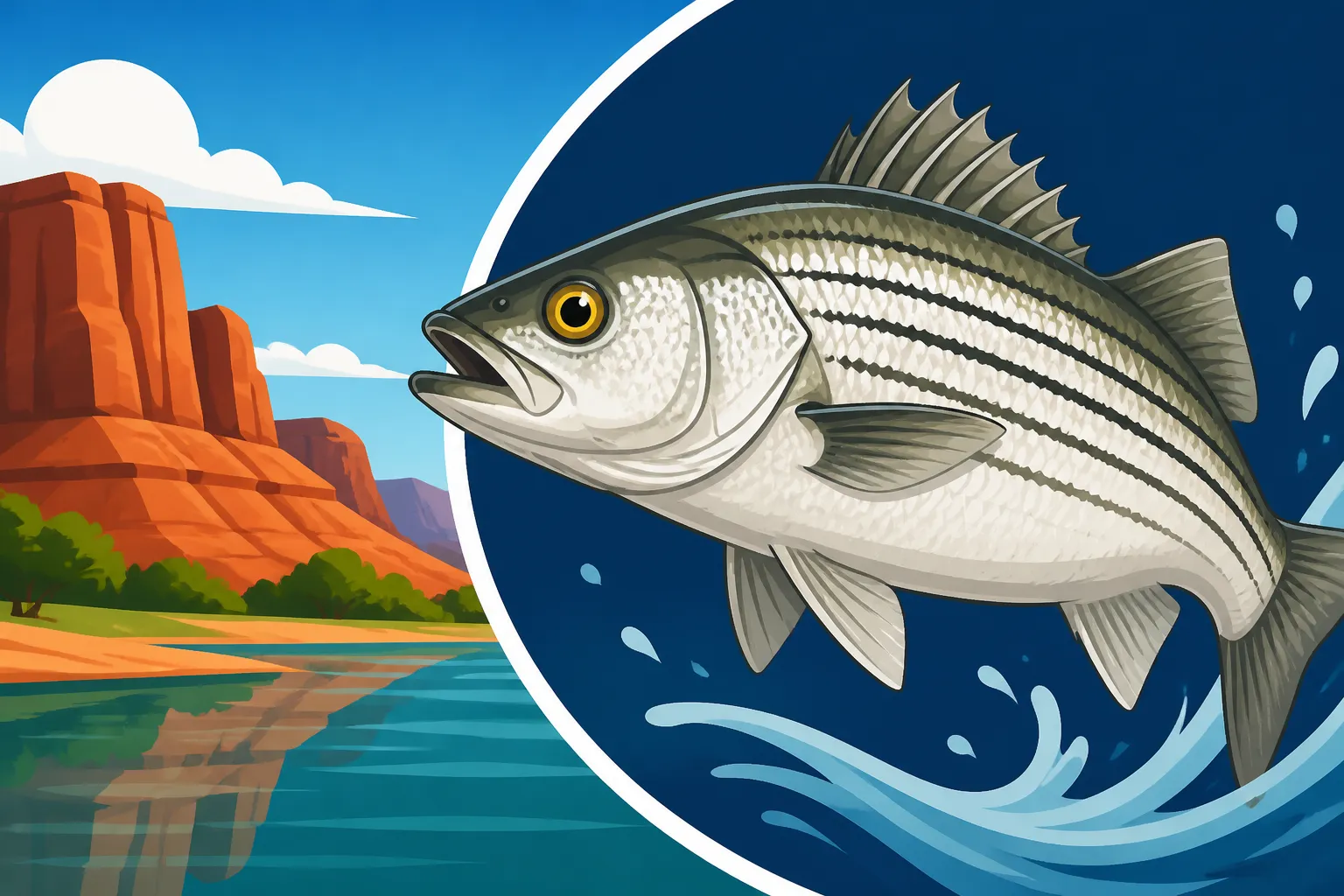
Distinguishing a wiper from its parent species can sometimes be tricky, especially if you're not familiar with their subtle differences. However, there are a few key characteristics to look for. Wipers typically have broken or interrupted horizontal stripes along their silvery bodies. While striped bass have solid, unbroken lines, and white bass often have fainter, less defined lines, the wiper's stripes will usually be quite distinct but visibly fragmented, particularly below the lateral line. They tend to have a deeper body profile than a pure striped bass but are more streamlined than a white bass, presenting a blend of the two. Their mouth is usually more pointed than a white bass but not as large or underslung as some striped bass. Paying close attention to these stripe patterns is usually the most reliable way to confirm you've got a wiper on your line.
Where Do Wipers Live in Utah? The Willard Bay Hotspot
When we talk about wiper fishing in Utah, there's one location that instantly springs to mind: Willard Bay. This large freshwater reservoir, located just north of Ogden, is the premier destination for wipers in the state. While other waters in Utah might occasionally see an incidental wiper, Willard Bay is specifically managed for them, making it the most reliable and productive spot to target these powerful hybrids.
Willard Bay: A Unique Ecosystem for Wipers
Willard Bay offers a unique environment that allows wipers to thrive. It's relatively shallow and has a high productivity, supporting a healthy population of forage fish like gizzard shad – exactly what wipers love to eat. The bay's expansive open water allows wipers to school effectively, chasing down baitfish in coordinated attacks that can be truly spectacular to witness. The shallow nature of the bay means that even in summer, wipers can be found throughout the water column, from the surface down to the deeper channels. This makes them accessible to various fishing techniques, from trolling to casting. You can learn more about specific spots and access in our guide to Best Fishing Spots at Willard Bay.
Wiper Populations and Management
The Utah Division of Wildlife Resources actively manages the wiper population in Willard Bay to ensure a healthy fishery. This involves stocking efforts and monitoring the population dynamics to maintain a balance between the wipers and their prey species. Because wipers are sterile hybrids, they cannot reproduce naturally. This means the fishery is entirely sustained through stocking programs. This careful management ensures that Willard Bay remains a top-tier destination for wiper anglers year after year. Understanding these stocking practices and population trends can help anglers predict the best times and areas to find wipers, as well as inform them about local regulations like those covered in Utah Fishing Regulations Explained.
Characteristics and Behavior of Utah Wipers
Wiper fish are renowned not just for their hybrid origins, but for their incredible fighting prowess and unique behaviors that make them a thrilling target for any angler. If you've never hooked into one, you're in for a treat!
Aggressive Feeding Habits
Wipers are incredibly aggressive predators. They are constantly on the hunt, often forming large schools to herd and ambush baitfish. This makes them particularly exciting to target because when they're actively feeding, they can create explosive surface boils – a phenomenon where a school of wipers pushes baitfish to the surface, creating a chaotic display of splashing and feeding frenzy. These boils are a visual cue that every wiper angler dreams of spotting. Even when they're not boiling, wipers are known for hitting lures and bait with incredible force, often nearly yanking the rod right out of your hands. Their opportunistic nature means they'll strike at a wide variety of presentations, from fast-moving artificials to dead bait.
Size and Growth Potential
One of the most appealing aspects of wiper fishing is their impressive size and rapid growth. While their size can vary, wipers in Willard Bay regularly reach significant weights. They are often strong, stout fish that provide a formidable challenge on appropriate tackle. While I can't give you specific weight numbers, it's not uncommon for anglers to land wipers that put a serious bend in their rod. The Wiper Size at Willard Bay article delves deeper into what you can expect in terms of dimensions. Their growth potential, combined with their fighting spirit, makes them a prime target for anglers looking for a trophy catch without necessarily having to travel to far-flung ocean destinations for striped bass.
Seasonal Movements and Patterns
Like most fish, wipers exhibit seasonal movements influenced by water temperature, forage availability, and spawning instincts (even though they are sterile, their natural instincts from their parent species can still guide their behavior). In warmer months, especially late spring through fall, wipers are often found cruising open water, frequently near baitfish schools. This is when surface activity and boils are most common. As water temperatures cool in late fall and winter, wipers tend to move to deeper areas or concentrate in specific channels, though they can still be caught through the ice. Understanding these seasonal patterns is key to consistently finding and catching wipers throughout the year. For instance, knowing where baitfish are concentrated, often near humps, points, or submerged structures, is crucial.
| Season | Typical Location | Common Behavior | Fishing Tips |
|---|---|---|---|
| Spring | Warming flats, shallow points, inlets | Pre-spawn instincts, actively feeding on emerging baitfish | Cast crankbaits, swimbaits, jerkbaits; look for surface activity. |
| Summer | Open water, deeper channels, near baitfish schools | Chasing bait, active surface boils, seeking cooler water in heat | Topwater lures during low light, troll deep-diving crankbaits, cast jigs into boils. |
| Fall | Transition areas, open water, shallower flats before deep winter move | Intense feeding to bulk up for winter, very aggressive | Same as summer, but may move shallower as water cools; deadsticking bait can work. |
| Winter | Deeper channels, main basin, structure | Less active, slower metabolism, can be caught through ice | Jigging spoons, blade baits, dead bait on bottom. |
Tips for Catching Wiper Fish in Utah Waters
Alright, now that you know what a wiper is and where to find them, let's talk about how to actually get one on your line! Catching wipers can be incredibly rewarding, but it often requires a blend of the right gear and strategic techniques.
Essential Gear for Wiper Fishing
Because wipers fight so hard, having the right tackle is crucial. You'll want a medium-heavy to heavy action spinning or baitcasting rod, typically in the 6'6" to 7'6" range, paired with a reel capable of handling powerful runs and holding a good amount of strong fishing line. Braided line in the 20-30 pound test range is a popular choice due to its strength and sensitivity, often with a fluorocarbon leader for abrasion resistance and stealth. Ensure your reel has a smooth, reliable drag system, as these fish will test it! For those looking to upgrade their setup, Amazon offers a wide selection of durable rods and reels suitable for battling hard-fighting wipers. Don't forget a sturdy net; you definitely don't want to lose a big wiper at the boat!
Best Lures and Baits
Wipers are opportunistic feeders, so a variety of lures and baits can be effective.
- Artificial Lures:
- Crankbaits: Deep-diving crankbaits are excellent for trolling or casting to deeper schools. Lipless crankbaits can be very effective when retrieved quickly over submerged structure or through boils.
- Swim Baits: Paddle-tail swimbaits rigged on a jig head mimic shad perfectly and are a go-to for many wiper anglers.
- Jigs: Heavy jigs, often dressed with soft plastic bodies, can be cast into schooling fish or fished vertically when wipers are holding deeper.
- Topwater Lures: When wipers are actively boiling or feeding on the surface, topwater poppers or walk-the-dog style baits can produce explosive strikes that are unforgettable.
- Blade Baits & Spoons: These are especially effective for vertical jigging, particularly when fish are suspended or during ice fishing.
- Natural Baits:
- Cut Bait: Pieces of dead baitfish, like shad or anchovies, can be highly effective, especially when fished on the bottom or suspended under a bobber.
- Live Bait: If legal and available, live shad or other baitfish can be irresistible to wipers.
For a deeper dive into bait selection, check out our guide on What Bait Works Best for Wiper at Willard Bay?.
Strategic Fishing Techniques
Catching wipers consistently often comes down to locating them and presenting your lure effectively.
- Spotting Boils: Keep a keen eye on the water's surface, especially during early morning or late evening. If you spot birds diving or a commotion on the water, chances are it's a wiper boil. Get there quickly and cast into the frenzy with topwater or fast-retrieved lipless crankbaits.
- Trolling: This is a fantastic way to cover large areas and locate schooling fish. Use deep-diving crankbaits or umbrella rigs. Vary your speed and depth until you find what triggers bites. Trolling speed is often key; sometimes a slow, deliberate pace works, while other times a faster retrieve is necessary to elicit a reaction strike.
- Casting to Structure: Wipers often relate to submerged humps, points, and channel edges where baitfish might congregate. Use your fish finder to identify these areas and cast swimbaits or jigs to them. Even subtle changes in depth can hold a school of wipers.
- Vertical Jigging: When wipers are holding deep or you're ice fishing, vertical jigging with heavy spoons or blade baits directly over the fish can be very productive. A good fish finder is invaluable here for identifying their depth. Consider looking for portable fish finders on Amazon to aid in this technique.
Remember to always check the current Utah Fishing Regulations Explained for Willard Bay, as limits and specific rules can change. Understanding the seasons and when these fish are most active, as highlighted in Best Season for Bass Fishing in Utah, can also significantly increase your success rate.
Disclaimer
This article is for general informational purposes only and does not constitute professional advice. Laws, prices and regulations vary by location and change over time. Consult a qualified professional for guidance on your specific situation.