Where Yellow Perch Live in Utah
It can be incredibly frustrating to hit the water, eager to catch some feisty panfish, only to spend hours wondering if your target species even lives there. When it comes to yellow perch in Utah, knowing their preferred haunts is half the battle. This guide will dive deep into where these striped beauties tend to congregate across the Beehive State, helping you pinpoint the best spots and understand their unique habits so you can fill your stringer.
Yellow Perch Strongholds: Key Waters in Utah
Yellow perch are a fantastic, accessible sport fish, known for their distinctive striped patterns and delicious white meat. In Utah, while they might not be as widespread as rainbow trout or as large as lake trout, they have certainly found homes in several key reservoirs and lakes, often in very robust numbers. If you're looking to target yellow perch, you need to know which waters give you the best shot.
Willard Bay Reservoir
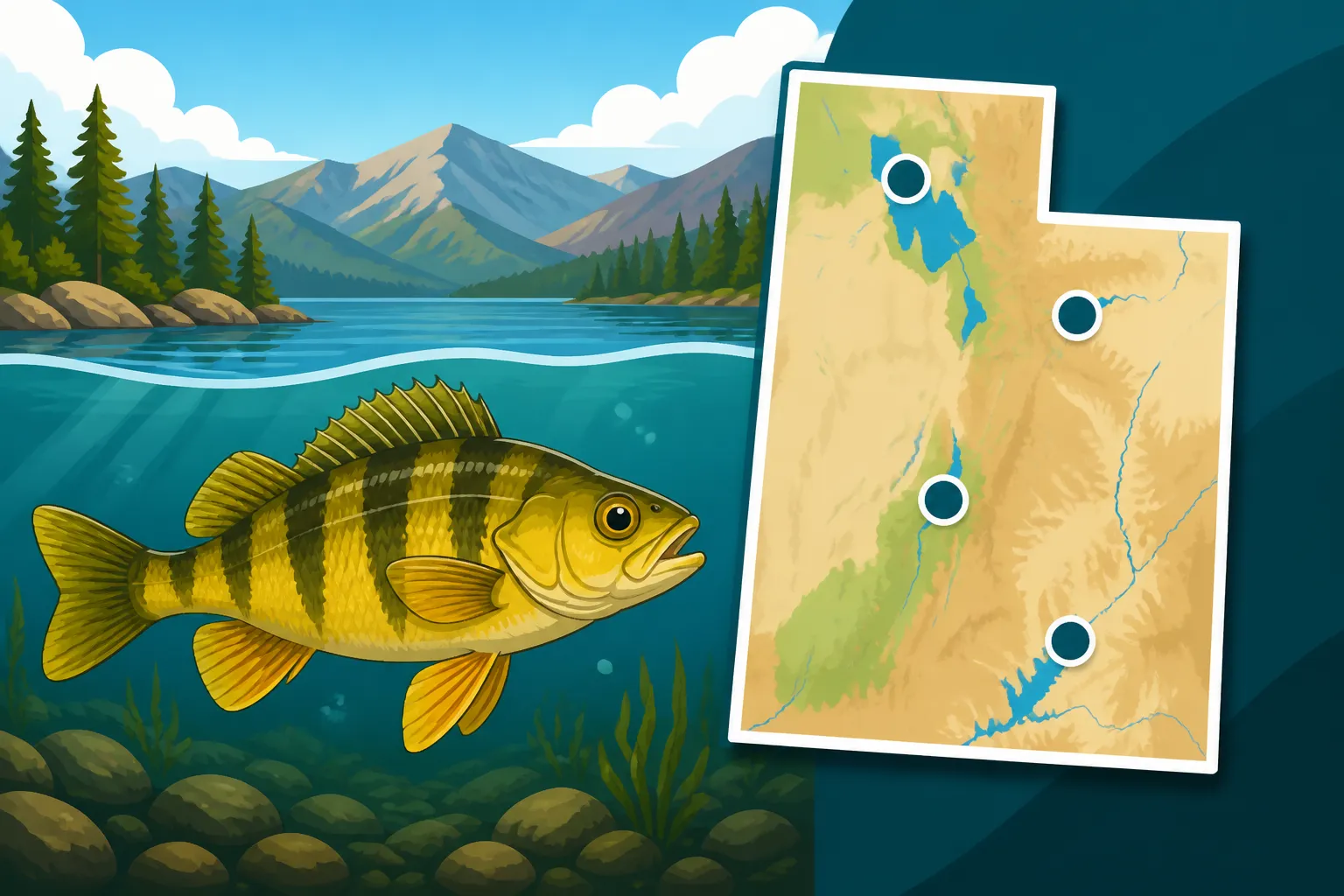
One of the absolute top destinations for yellow perch in Utah, particularly if you're in northern Utah, is Willard Bay Reservoir. This massive, shallow impoundment is a unique part of the Great Salt Lake ecosystem, fed by a freshwater diversion. What makes Willard Bay so phenomenal for perch? It's relatively shallow, warms up nicely, and boasts extensive weed beds and submerged structure that perch absolutely adore. Think of it like a buffet and a safe haven rolled into one. Anglers frequently report catching large numbers of perch here, sometimes even in impressive sizes. The perch population at Willard Bay is thriving, making it an ideal spot for both seasoned anglers and families looking for consistent action. Whether you're casting from shore near the state park day-use areas or venturing out in a boat, you'll find plenty of territory for these schooling fish.
Pineview Reservoir
Nestled in Ogden Valley, Pineview Reservoir is another jewel for yellow perch enthusiasts. While Pineview is perhaps more famously known for its tiger muskie population, don't sleep on the perch here. The reservoir offers a varied environment with both deeper sections and shallower bays, providing a diverse habitat that suits yellow perch throughout the year. The presence of ample submerged vegetation, rocky points, and timber structure offers perfect ambush points and foraging grounds for perch. You'll often find them schooling near these features, especially during the warmer months. Ice fishing at Pineview can also be incredibly productive for perch, as they gather in predictable deeper basins or along the edges of drop-offs once the ice forms. Pineview Reservoir Fishing Spots offers more insights into accessing this popular water.
Deer Creek and Jordanelle Reservoirs
Moving south into the Heber Valley, Deer Creek Reservoir and Jordanelle Reservoir offer additional, reliable opportunities for yellow perch. These reservoirs are often considered prime trout waters, but their panfish populations, including yellow perch, are robust and often overlooked. Both reservoirs feature deep water, but also possess numerous bays, coves, and submerged humps that provide excellent habitat for perch. Deer Creek, in particular, has a good balance of open water and structure. Jordanelle, with its expansive recreation areas, also holds good numbers of perch, often found near the main channels and around points. These waters might require a bit more exploration to locate the schools, but once you find them, the action can be fast and furious. They are popular for all types of fishing, so you might share the water, but the perch are definitely there.
Decoding Yellow Perch Habitat Preferences
Understanding where yellow perch live isn't just about knowing the names of the lakes; it's about comprehending their preferred habitat within those waters. These fish aren't just randomly swimming around; they have specific needs that dictate their location, which changes with the seasons and even the time of day.
Structure and Cover are Key
Yellow perch are true structure-oriented fish. They love to hang around anything that offers cover, shade, or an ambush point for their prey. This means you'll find them associated with:
- Weed beds and submerged vegetation: Thick aquatic plants provide excellent cover from predators (like larger pike or walleye) and are teeming with the insect larvae, small crustaceans, and tiny fish that make up a perch's diet. Look for distinct weed lines or patches, especially in shallower bays.
- Drop-offs and ledges: Perch often position themselves along underwater contours where a shallow flat suddenly plunges into deeper water. These transition zones allow them easy access to both shallow feeding grounds and the security of deeper water.
- Submerged timber, brush piles, and rock piles: Any form of hard structure offers both protection and a buffet of smaller organisms. Old submerged trees, rock gardens, or man-made fish habitat structures are magnets for perch.
- Docks, piers, and bridge pilings: Man-made structures also attract perch, particularly in accessible areas. These offer shade and attract baitfish, making them prime targets for anglers fishing from shore or kayaks.
When you're out on the water, whether it's Willard Bay or Jordanelle, always be on the lookout for these types of features. Using a good fish finder can help immensely in locating submerged structure and schools of fish.
Seasonal Movements and Depth
Yellow perch don't stay in one spot all year. Their movements are largely dictated by water temperature and food availability.
- Spring: As the ice melts and water temperatures begin to rise, perch move into shallower areas, often in bays and flats, to spawn. After spawning, they'll remain relatively shallow, actively feeding on newly hatched insects and small baitfish.
- Summer: When the water gets warmer, perch often retreat to deeper, cooler waters during the day, especially if they are large reservoirs. They might still visit shallower weed beds during low-light conditions (early morning, late evening) or on overcast days to feed. Look for them along deep weed lines or suspended over open water near baitfish schools.
- Fall: As water temperatures cool down, perch become very active again, aggressively feeding in preparation for winter. They'll often be found at mid-depths, congregating in large schools, making fall an excellent time for targeting them.
- Winter (Ice Fishing): Under the ice, perch tend to school tightly in specific areas, often in deeper basins, along gradual slopes, or near submerged humps and points. Once you find a school, you can often catch them one after another. Ice fishing is a massively popular method for targeting perch in Utah, offering consistent action through the colder months. To learn more about fishing in winter, check out our Utah Ice Fishing Guide.
Knowing these patterns helps you anticipate where the perch will be, instead of just guessing.
Tools and Tactics for Yellow Perch Success
Once you know where to look and what conditions to expect, having the right gear and techniques will greatly increase your chances of success. Yellow perch aren't typically giants, so light tackle is usually the way to go, making the fight more enjoyable.
Essential Gear for Perch Fishing
You don't need a massive investment to get into perch fishing, which is part of its appeal. A simple setup works wonders.
- Rod and Reel: A light to ultralight spinning rod (5 to 6.5 feet long) paired with a small spinning reel (size 1000 or 2000) is perfect. This setup allows you to feel the often-subtle bites of perch and provides a fun fight. You can find excellent, affordable options on Amazon for a beginner-friendly setup.
- Line: 4 to 6-pound test monofilament or fluorocarbon line is ideal. It's thin enough to be sensitive but strong enough to handle a feisty perch.
- Hooks: Small hooks are key! Size 6, 8, or even 10 Aberdeen or baitholder hooks work well. Perch have relatively small mouths, so a smaller hook ensures better hook-sets.
- Sinkers: Small split shot sinkers are usually all you need to get your bait down.
- Bobbers: A small slip bobber or fixed bobber can be very effective, especially when fishing with bait. It helps suspend your bait at the desired depth and signals bites clearly. A variety of bobbers can easily be purchased from Amazon.
- Lures/Baits:
- Live Bait: Worms (nightcrawlers, red wigglers) are perch candy. Small minnows are also incredibly effective, especially for larger perch. Cut bait can work too.
- Artificial Lures: Small jigs (1/32 to 1/8 ounce) tipped with a small plastic grub, tube, or a piece of Gulp! Alive! are deadly. Blade baits and small spoons can also entice a strike. For ice fishing, small jigging spoons or tungsten jigs are a must. Explore the Best Tackle for Utah Trout for ideas, as many of those smaller lures work well for perch too.
Remember, yellow perch are schooling fish. If you catch one, there are likely many more nearby!
Effective Techniques
- Still Fishing with Bait: This is a classic and highly effective method. Rig your small hook with a piece of worm or a small minnow, add a split shot a foot or so above it, and cast it out. A bobber can help you suspend the bait at the right depth and detect bites. This works great from shore or a boat.
- Jigging: Whether from a boat or through the ice, jigging is extremely productive. Drop a small jig or jigging spoon to the bottom, then lift it a few inches and let it flutter down. Experiment with different jigging actions and depths until you find what the perch are responding to. A little twitch or quiver can make all the difference. How to Rig a Jig for Utah Trout can provide some excellent foundational knowledge applicable to perch.
- Drifting/Trolling (Slowly): If you're in a boat, a very slow drift or controlled troll with a small jig or live bait rig can cover more water and help you locate schools of perch. Use a trolling motor to maintain a slow pace along weed lines or drop-offs.
- Ice Fishing: This is prime time for perch in many Utah waters. Use a small jigging rod and tiny jigs or spoons, often tipped with a mealworm, wax worm, or a small piece of perch eye. A fish finder specifically designed for ice fishing, like a flasher, will dramatically improve your success by showing you fish below and how they react to your bait. Knowing How to Auger Through Utah Ice Safely is essential for winter success.
| Water Body | Typical Perch Size | Key Features for Perch | Best Season(s) |
|---|---|---|---|
| Willard Bay Reservoir | 8-12 inches (trophy potential) | Extensive weed beds, shallow flats, submerged structure | Spring, Fall, Ice |
| Pineview Reservoir | 6-10 inches | Submerged vegetation, rocky points, timber, deeper basins | Spring, Fall, Ice |
| Deer Creek Reservoir | 7-11 inches | Bays, coves, submerged humps, main channel edges | Spring, Fall |
| Jordanelle Reservoir | 7-10 inches | Points, channel breaks, submerged structure near recreation areas | Spring, Fall |
| Scofield Reservoir | 6-9 inches | Shallow flats, weed lines, open water near inlets | Ice (popular), Fall |
Contributing to Healthy Fisheries
While yellow perch are not typically a species of conservation concern in Utah—in fact, in some waters, they can become overpopulated and stunted if not harvested—it's still crucial to practice responsible angling. Always be aware of the current Utah Fishing Regulations Explained, including daily bag and possession limits for yellow perch. These regulations are in place to ensure healthy fish populations for everyone to enjoy for years to come.
If you're targeting perch, remember to bring a cooler with ice, especially on warmer days. Freshly caught perch are delicious, but only if kept properly. Learning How to Store Fish on a Hot Day in Utah can make a huge difference in the quality of your catch. By knowing where to find them, understanding their habits, and employing effective techniques, your next Utah fishing trip targeting yellow perch is sure to be a productive and enjoyable one.
Disclaimer
This article is for general informational purposes only and does not constitute professional advice. Laws, prices and regulations vary by location and change over time. Consult a qualified professional for guidance on your specific situation.