Why Anglers Must Kill Every Northern Pike Caught at Utah Lake
It's a strange feeling, isn't it? To be out on the water, enjoying a peaceful day of fishing on a beautiful lake like Utah Lake, and then to catch something that you're explicitly told you must kill. For many anglers, the idea of having to dispatch a fish they've just caught goes against every fiber of their catch-and-release ethos, or even just their general respect for wildlife. But when it comes to Northern Pike in Utah Lake, this isn't just a suggestion; it's a critical regulation designed to protect the very future of this unique fishery. This guide is here to explain exactly why the Utah Division of Wildlife Resources (UDWR) has such a strict "kill on sight" mandate for Northern Pike in Utah Lake, delving into the ecological reasons and what it means for you, the angler.
Understanding the Threat Northern Pike Pose to Utah Lake's Ecosystem
Utah Lake is a truly unique body of water, and its ecosystem is a delicate balance, especially with the presence of several native and important sport fish species. The introduction of non-native species can throw this balance into chaos, and few fish are as disruptive as the Northern Pike.
The Invasive Nature of Northern Pike in Utah
Northern Pike (often simply called pike) are impressive predators, known for their torpedo-shaped bodies and rows of razor-sharp teeth. In their native ranges, primarily colder waters across North America, Europe, and Asia, they are a natural part of the food web. However, here in Utah, specifically in Utah Lake and its connecting tributaries, they are entirely out of place. Their presence in Utah is almost always a result of illegal "bucket biology" – irresponsible individuals moving fish from one water body to another without authorization. This act, while seemingly harmless to some, is one of the most significant threats to fisheries worldwide, and it’s precisely how Northern Pike ended up where they don't belong in Utah. Once established, these highly adaptable fish can quickly reproduce and dominate an ecosystem, outcompeting and preying upon species that have no natural defenses against them.
Think of it like introducing a lion into a pasture of sheep. The sheep simply aren't equipped to deal with such a predator, and their population would quickly dwindle. The same principle applies here; Utah Lake's native and established sport fish haven't evolved alongside pike, making them incredibly vulnerable.
Devastating Impact on Native and Sport Fish Populations
The core problem with Northern Pike in Utah Lake is their insatiable appetite and predatory efficiency. They are apex predators, meaning they sit at the very top of the food chain in many aquatic environments. In Utah Lake, this means they will actively hunt and consume a wide array of fish, including critically important species. One of the biggest concerns is their impact on the endangered June Sucker, a fish native only to Utah Lake. The UDWR has invested immense resources and decades of effort into the recovery of the June Sucker, and a thriving Northern Pike population could undo all that hard work in a short time.
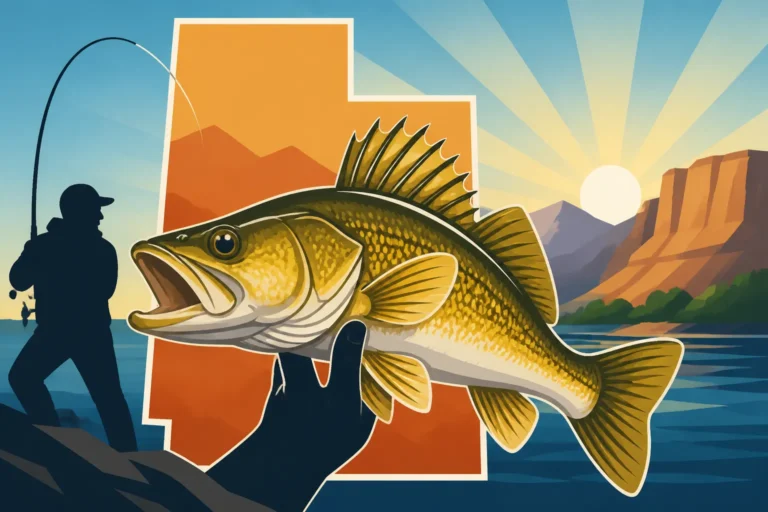
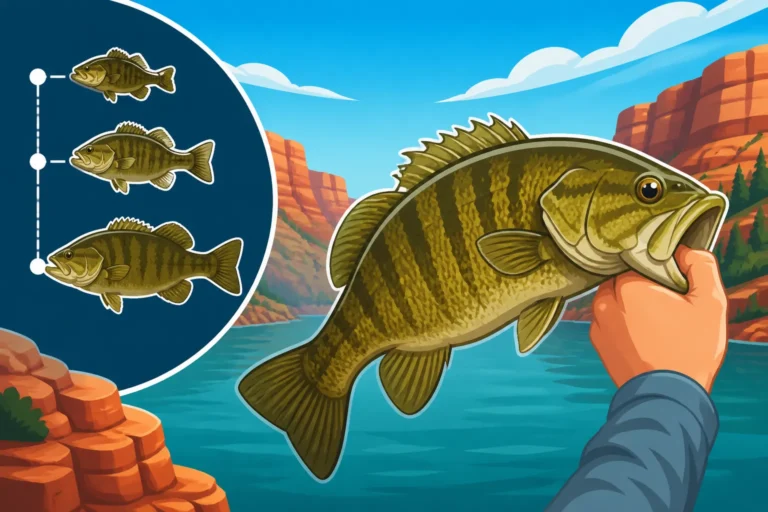
Beyond the June Sucker, pike also prey heavily on valuable sport fish like Walleye, Largemouth Bass, Smallmouth Bass, and various panfish. These are the species that many anglers specifically target and enjoy catching, and their populations suffer greatly when pike are present. The pike's presence doesn't just reduce fish numbers; it can alter the entire food web, potentially leading to long-term ecological damage that is incredibly difficult, if not impossible, to reverse. The ecosystem simply cannot sustain a healthy population of both native/sport fish and an aggressive, invasive predator like the Northern Pike.
The Utah Division of Wildlife Resources' Stance and Regulations
Given the severe threat Northern Pike pose, the Utah Division of Wildlife Resources has implemented very clear and strict regulations to manage and, ideally, eradicate them from Utah Lake.
The "Kill on Sight" Mandate and Why It's Necessary
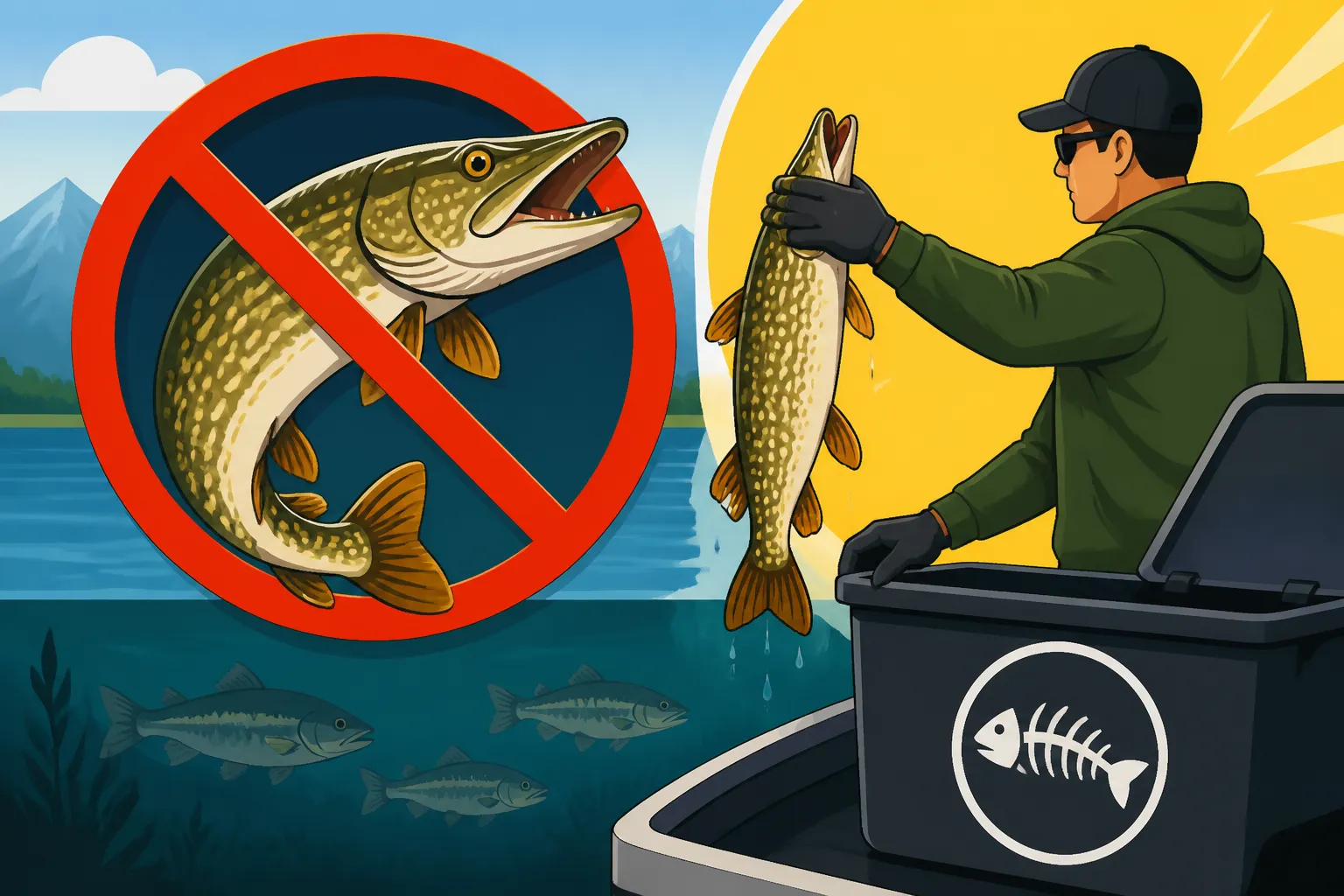
The regulation is unambiguous: any Northern Pike caught in Utah Lake or its tributaries must be immediately killed. There is no catch-and-release option. This "kill on sight" mandate might seem harsh, but it's born out of necessity. When an invasive species becomes established, traditional catch-and-release practices, which are beneficial for sustainable sport fisheries, actually exacerbate the problem by allowing the invasive fish to continue to grow, reproduce, and decimate other populations. Every pike removed from the water is one less predator eating valuable fish and one less fish reproducing to create more predators.
The UDWR views Northern Pike in Utah Lake as a direct and immediate threat to the long-term health and sustainability of the fishery. This isn't about being mean to a fish; it's about protecting an entire ecosystem and the valuable fishing opportunities it provides. It's a critical component of their Utah Fishing Regulations Explained regarding invasive species. This regulation is a desperate measure to prevent catastrophic damage, especially to the native June Sucker and the popular Walleye fishery that many local anglers cherish.
Enforcement and Consequences for Non-Compliance
Given the seriousness of the threat, game wardens and wildlife officials take this regulation very seriously. Anglers are expected to be aware of and comply with all state fishing regulations. If an angler is caught releasing a Northern Pike back into Utah Lake or its tributaries, they could face significant penalties. While I can't give specific figures, these consequences typically involve citations, substantial fines, and potentially even the loss of fishing privileges, including your Utah fishing license.
The UDWR relies heavily on the cooperation of anglers to help manage invasive species. Understanding why this rule exists is crucial, but adherence to it is paramount. It’s not just about avoiding a fine; it’s about doing your part to protect Utah's valuable aquatic resources. If you're ever unsure about a regulation, it's always best to consult the official UDWR fishing guide or website, or even better, ask a game warden.
Practical Advice for Anglers Encountering Northern Pike
Catching a Northern Pike can be exciting, but it also comes with a specific responsibility. Knowing how to handle the situation properly is key.
Identifying Northern Pike and Safe Handling Practices
First things first, how do you know if you've caught a Northern Pike? They have a distinctive, elongated body, a large mouth filled with sharp teeth, and a "duck-bill" shaped snout. Their dorsal fin is set far back on their body, almost directly above their anal fin. They are typically dark green to olive green on their backs, with lighter sides featuring yellowish-white spots or beans, and a white belly. It's important not to confuse them with Walleye, which have a more uniform shape, a spiny dorsal fin, and often a white tip on their tail fin. You can learn more about Fish Species in Utah Lake to help with identification.
Once you've confirmed it's a Northern Pike, the next step is safe handling. Those teeth are no joke! They can cause serious injury if you're not careful. It's highly recommended to carry a good pair of long-nose pliers or a jaw spreader in your tackle box, which you can easily find on sites like Amazon. These tools allow you to safely remove the hook without putting your fingers near their mouths. Use a firm grip behind the head or on the gill plates (avoiding the delicate gill tissue) to control the fish. If you have a decent pair of fishing gloves, also readily available on Amazon, they can offer additional protection.
Ethical Disposal and Utilization After Harvest
After safely removing the hook, the next step is to humanely dispatch the fish. The most common and ethical method is a swift, strong blow to the top of its head, just behind the eyes, using a blunt object. This causes immediate brain death and minimizes suffering.
Once the fish is dispatched, you have a couple of options. Many anglers choose to keep Northern Pike for consumption. Despite their bony nature, pike are surprisingly tasty, offering firm, white meat. If you decide to keep it, immediately put it on ice in a cooler to preserve the quality of the meat. If you're not planning to eat it, you must dispose of the carcass properly. This means not throwing it back into the water, and not leaving it on the shore where it can attract scavengers or become a nuisance. The best practice is to bag the fish and dispose of it in a designated trash receptacle at the boat ramp or facility. This is an important part of responsible angling and respecting the environment.
| Reason for Mandatory Harvest | Explanation |
|---|---|
| Invasive Species | Northern Pike are not native to Utah Lake and were illegally introduced, disrupting the natural balance. |
| Voracious Predators | Pike are highly efficient and aggressive predators that consume large numbers of other fish, including valuable sport fish and endangered species. |
| Threat to Native Species | They pose an existential threat to the endangered June Sucker, a species found only in Utah Lake, whose recovery is a top conservation priority. |
| Impact on Sport Fisheries | Pike actively prey on popular game fish like Walleye, Bass, and Panfish, reducing populations and overall angling quality for desired species. |
| Ecological Imbalance | Their presence creates a cascading negative effect on the entire aquatic food web and ecosystem, altering species composition and health. |
| Prevent Reproduction | Catch-and-release allows pike to continue reproducing, quickly expanding their population and accelerating the damage to the lake. |
| Management Strategy | Mandatory harvest is the most effective and often the only viable strategy to control and potentially eradicate established invasive fish populations in a closed system. |
Broader Context: Invasive Species Management in Utah
The issue with Northern Pike in Utah Lake is just one example of a much broader problem facing fisheries across the state and beyond: invasive species.
Why Illegal Stocking is Such a Problem
The root cause of the Northern Pike problem, and many other invasive species issues, is illegal stocking. Also known as "bucket biology," this is when individuals capture fish from one body of water and release them into another without permission from the managing agency, like the UDWR. People might do this for various misguided reasons – perhaps they think a certain fish would be "fun" to catch in a new spot, or they want to create their own private fishing hole. However, the consequences are almost always devastating.
These illegally introduced fish can introduce diseases, outcompete native species for food and habitat, prey directly on vulnerable populations, or disrupt ecological processes. They can literally destroy a fishery that has taken decades or centuries to develop naturally, or through careful management. The cost of trying to control or eradicate invasive species once they are established can be astronomical, often requiring ongoing efforts that divert resources from other important conservation projects. It’s a battle the UDWR constantly fights, from Utah Aquatic Invasive Species Rules for Anglers to specific mandates for different species.
How Anglers Can Help Protect Utah's Fisheries
As anglers, we have a vital role to play in protecting Utah's precious fisheries. Understanding and following regulations, especially those concerning invasive species, is the bare minimum. Here are a few ways you can actively help:
- Never, ever move live fish: This is the golden rule. Do not transfer any fish from one water body to another. If you catch a fish and it's not native or allowed in that water, do not try to relocate it.
- Report suspicious activity: If you witness someone illegally stocking fish or suspect a new invasive species in a water body, report it to the UDWR immediately. Your tip could prevent a major ecological disaster.
- Practice "Clean, Drain, Dry": Even if you're not targeting pike, it's critical to prevent the spread of other aquatic invasive species like Quagga and Zebra Mussels. Always remember to clean your boat, drain all water, and thoroughly dry your equipment every time you move between water bodies. You can find more details in the Utah Aquatic Invasive Species Inspection Stations guidelines.
- Educate yourself and others: Take the time to learn about the various fish species in Utah, both native and invasive, and share this knowledge responsibly with fellow anglers. The more informed we all are, the better we can protect our fishing future. The UDWR has excellent resources like the Utah Fishing Regulations Explained guide that outlines these very things.
By understanding why these regulations exist and actively participating in conservation efforts, you're not just following the rules; you're becoming a steward of Utah's incredible natural resources. Next time you reel in a Northern Pike from Utah Lake, you'll know that fulfilling the mandatory harvest isn't just a requirement, but a crucial act of protection for the entire lake and its inhabitants.
Disclaimer
This article is for general informational purposes only and does not constitute professional advice. Laws, prices and regulations vary by location and change over time. Consult a qualified professional for guidance on your specific situation.