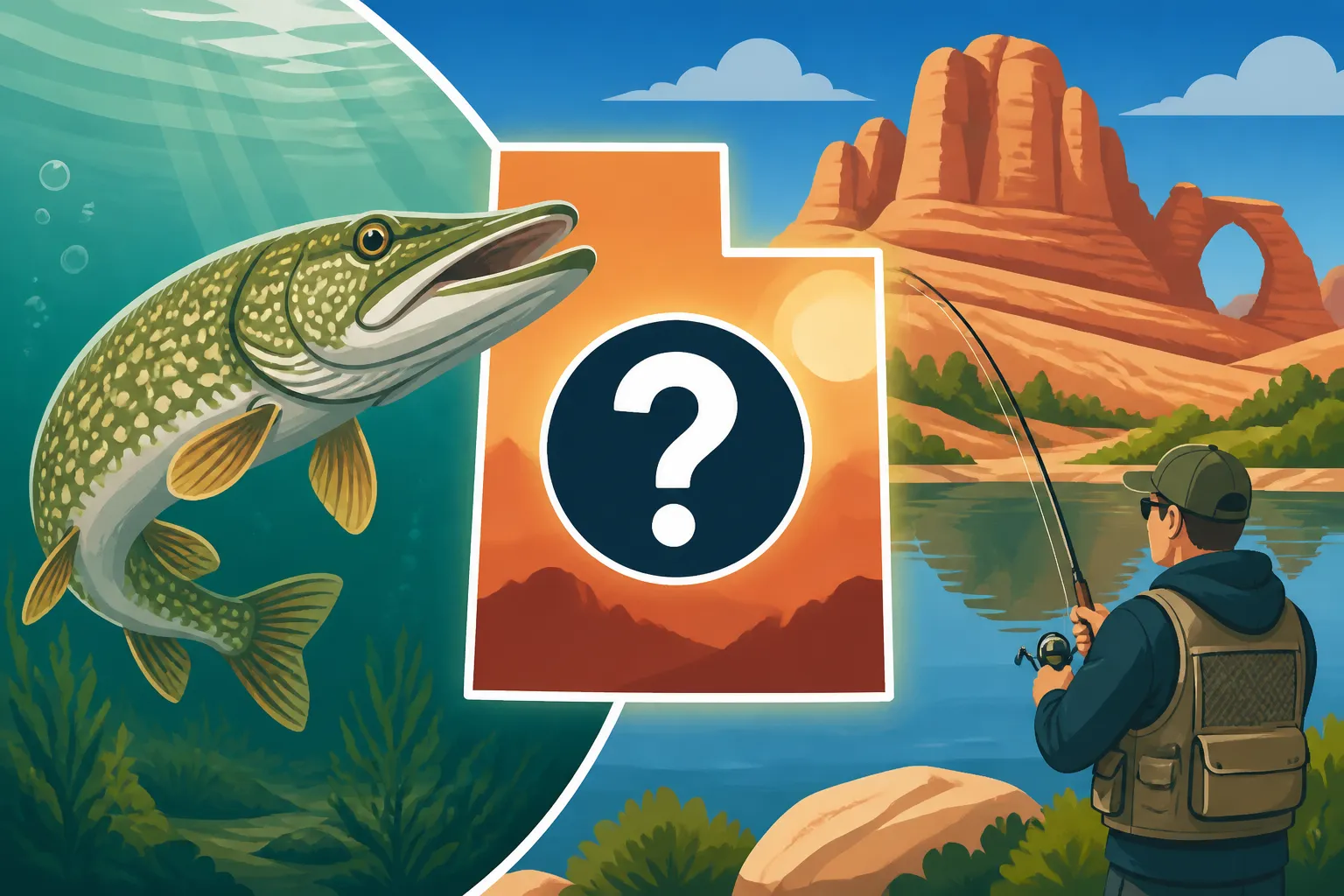
Are Northern Pike Native to Utah?
It's a common question among anglers here in Utah: are those aggressive Northern Pike, with their toothy grins and voracious appetites, actually native to our waters? Many folks encounter them in places like Utah Lake or Yuba Reservoir and assume they've always been part of the local ecosystem. But the truth is, their presence is a significant concern for our fisheries management. This guide aims to clear up the confusion surrounding Northern Pike, explain why they're not native, the problems they cause, and how every angler can play a part in managing their populations to protect Utah's unique aquatic environment.
The Non-Native Truth: Northern Pike's Controversial Presence in Utah
Many anglers in Utah are surprised to learn that Northern Pike, those toothy, aggressive predators we sometimes encounter, aren't actually native to our state's waters. It's easy to assume they've always been here, especially when you see them thriving in certain reservoirs. But the reality is, their presence is a relatively recent development, and it poses significant challenges for Utah's delicate aquatic ecosystems. Understanding their origins is the first step in appreciating why managing their populations is such a critical task for wildlife officials and responsible anglers alike.
Tracing Their Origins: Not From the Beehive State
Northern Pike, or Esox lucius, are truly fascinating fish with a broad natural range that spans the northern parts of North America, Europe, and Asia. Think of cold, sprawling lakes and slow-moving rivers in places like Canada, the Great Lakes region, or Scandinavia – that's their natural stomping ground. They are perfectly adapted to those environments, masters of ambush predation, perfectly camouflaged to hide among weeds and strike with lightning speed.
Utah, however, with its high desert lakes, mountain streams, and unique native species like the Bonneville cutthroat trout, was never meant to be part of their natural habitat. Our indigenous fish species evolved in a different predatory landscape, one that didn't include the insatiable appetite of a pike. The closest native relatives we have are trout and other salmonids, or even some of the chubs and suckers, which are entirely different types of fish both in appearance and ecological role. The very features that make a pike an incredible sport fish in its native range – its voracious appetite and aggressive nature – are precisely what make it an ecological threat here. It's like introducing a wolf into a habitat that only ever had deer; the impact can be swift and devastating.
How Northern Pike Established a Foothold in Utah Waters
So, if they're not native, how did Northern Pike end up in Utah? Unfortunately, like many invasive species, their introduction is largely a story of human action, often illegal and ill-informed. The primary culprits are almost certainly unauthorized introductions, meaning someone illegally stocked them into our waters. It's a frustrating reality for wildlife managers who work tirelessly to protect our fisheries. Sometimes, people mistakenly think they're "improving" a fishery by introducing a new sport fish, without understanding the intricate balance of the existing ecosystem. Other times, it might be an accidental introduction, perhaps from bait buckets used in other states, though this is less common for larger species like pike.
Initial introductions are often difficult to pinpoint precisely, but we've seen pike populations establish themselves in places like Yuba Reservoir and, most notably, Utah Lake. How Northern Pike Got Into Utah Lake is a topic that truly highlights the long-term consequences of such actions. Once a breeding population takes hold in a large, fertile water body, removing them becomes an incredibly challenging, if not impossible, task. These fish reproduce rapidly, grow quickly, and their young are just as predatory as the adults, creating a self-sustaining cycle of ecological disruption. It's a prime example of why Utah Fishing Regulations Explained strictly prohibit moving live fish from one water body to another.
Why Northern Pike Are a Problem for Utah's Ecosystems
The consequences of non-native species like Northern Pike establishing themselves in a new environment are far-reaching and often catastrophic for the local ecosystem. Utah's fisheries are carefully managed to support a diverse array of fish, both native and introduced sport species, and the arrival of an unchecked predator like the pike throws that delicate balance into disarray. It's not just about one species; it's about the entire food web and the long-term health of our waters.
Apex Predators and Their Impact on Native and Sport Fish
Northern Pike are, without exaggeration, apex predators. They are built for hunting: torpedo-shaped bodies, razor-sharp teeth, and an explosive burst of speed. Their diet is incredibly broad, encompassing nearly any living creature they can fit into their mouths. This includes a vast array of fish – from small minnows and sunfish to juvenile trout, bass, and even walleye. In some cases, they've been known to prey on waterfowl chicks, muskrats, and other small aquatic mammals.
Imagine a water body where trout, bass, or walleye are striving to thrive. Suddenly, a new, highly efficient predator enters the scene. Pike don't just eat a few fish; they can decimate populations. In waters like Utah Lake, where species like white bass and walleye are popular sport fish, pike compete directly for food and actively prey on these fish, especially the younger, more vulnerable ones. This competition and predation can drastically reduce the number of sport fish available for anglers and put immense pressure on native species. For instance, in areas where a Utah Trout Species Guide might list several varieties of trout, the introduction of pike can lead to a rapid decline in their numbers, threatening local populations. It's a stark reminder of the fragile nature of these ecosystems. Pike also pose a threat to populations targeted by Utah Bass Fishing Techniques, as young bass are easy prey.
The Ripple Effect: Disrupting the Aquatic Food Web
The impact of Northern Pike extends far beyond just eating other fish. Their presence creates a ripple effect that can profoundly alter the entire aquatic food web. When pike reduce the populations of primary consumers (like minnows or smaller sport fish), it can lead to an overabundance of the invertebrates or plankton those smaller fish would have eaten. Conversely, if they prey heavily on smaller sport fish, those fish can't grow to maturity to provide a quality fishery for anglers.
Consider a delicate system like a mountain lake or a reservoir that relies on a specific balance. Pike can consume so many smaller fish that there aren't enough left to manage insect populations, or they might outcompete other predators for food, leading to declines in those populations too. This chain reaction can lead to a less diverse, less resilient ecosystem. This is why when we discuss Invasive Fish Species in Utah, Northern Pike are always near the top of the list for their sheer predatory capacity and ecological disruption. The balance of nature is complex, and even one seemingly small change, like an unauthorized fish introduction, can throw everything out of whack. The situation can be particularly dire for species like walleye, as explored in the Utah Walleye Fishing Guide, where pike compete for the same food sources and actively hunt them.
Utah's Management Strategies for Northern Pike
Given the significant threat Northern Pike pose to Utah's fisheries, wildlife managers have implemented aggressive strategies to control their populations and prevent further spread. These aren't just arbitrary rules; they are crucial measures designed to protect our cherished fishing opportunities and native wildlife. It's a continuous battle, and every angler plays a vital role in the effort.
Mandatory Harvest and Why It's Crucial
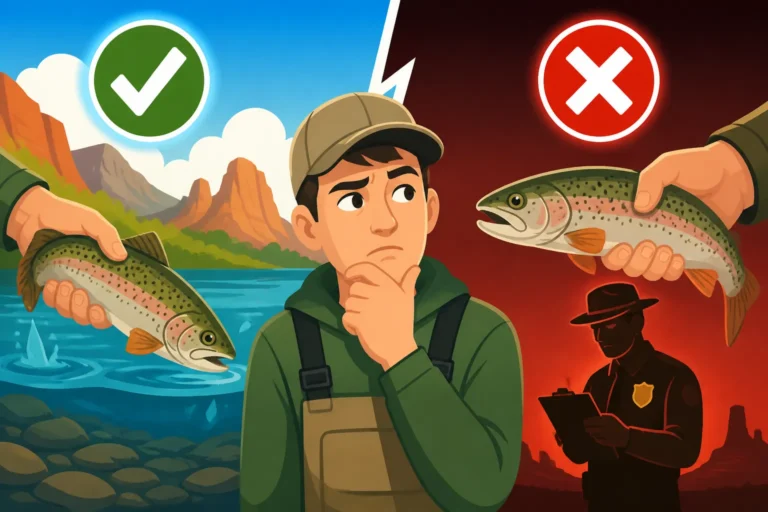
One of the most direct and impactful strategies for managing Northern Pike in Utah is the mandatory harvest rule. In many of the waters where pike have been introduced, anglers are not only allowed but required to keep every Northern Pike they catch, regardless of size or limit. You might hear this referred to as "kill on sight" for certain species. This regulation is explicitly designed to reduce pike populations as much as possible, as quickly as possible. The idea is that every pike removed from the water is one less predator eating valuable sport fish and native species, and one less pike reproducing to create more problems.
A prime example of this is Utah Lake. If you consult the Utah Lake Fishing Guide, you'll quickly learn about the strict rules regarding pike. Why Does Utah Lake Require You to Kill Every Northern Pike? isn't just a quirky local rule; it's a critical conservation effort. The lake is home to important species like the June Sucker (an endangered native fish) and supports popular fisheries for walleye, white bass, and catfish. Pike directly threaten all of these. The mandatory harvest acts as a continuous removal program, relying on the collective effort of thousands of anglers to help manage this invasive species. It's a serious responsibility, but one that dedicated Utah anglers embrace to protect our shared resources. This directly relates to Why Utah Requires Anglers to Kill Certain Invasive Fish.
Other Control Methods and Prevention Efforts
Beyond mandatory harvest by anglers, wildlife agencies employ a range of other control methods. Historically, and in some severe cases, chemical treatments like rotenone might be used in isolated water bodies to eradicate entire fish populations before restocking with desirable species. However, these are drastic measures and not common for large, complex systems like major reservoirs. Electrofishing surveys are also conducted to assess pike populations and remove individuals. These involve sending an electric current through the water to temporarily stun fish, allowing biologists to collect and remove target species like pike before releasing others unharmed.
Education and prevention are perhaps the most critical long-term strategies. The message is clear: never move live fish from one water body to another. This act, often fueled by good intentions or ignorance, is illegal and has led to countless ecological disasters. Enforcement of Utah Aquatic Invasive Species Rules for Anglers is also paramount, as preventing the spread of other invasive threats like quagga and zebra mussels is closely tied to overall ecosystem health. Anglers can find useful information and and even purchase necessary licenses and some basic gear to properly dispose of unwanted fish on platforms like Amazon, ensuring they have the tools to comply with regulations.
Your Role as an Angler in Northern Pike Management
As a responsible angler in Utah, you're not just out there to catch fish; you're also a steward of our natural resources. When it comes to Northern Pike, your understanding and actions are incredibly important in supporting the efforts to manage this invasive species. Knowing what to do, and why, can make a real difference in protecting our native and sport fisheries for future generations.
Identifying Northern Pike vs. Other Fish
One of the most important aspects of complying with mandatory harvest rules for Northern Pike is accurate identification. You need to be able to tell a pike apart from other fish you might catch. While adults are pretty distinctive, juveniles can sometimes be confused with other slender, predatory fish like walleye or even juvenile tiger muskie (another pike-family hybrid stocked in some waters).
Here's a quick guide to help you distinguish Northern Pike:
| Feature | Northern Pike | Walleye | Tiger Muskie (Hybrid) |
|---|---|---|---|
| Body Shape | Elongated, torpedo-like | More slender than pike, but less so than a trout | Very similar to pike, elongated |
| Coloration | Dark green/brown back, pale belly, light bean-shaped spots or bars on sides | Olive/brown back, white belly, often blotchy/mottled, no distinct spots | Often has distinct tiger-like stripes/bars on a lighter background |
| Dorsal Fin | Single dorsal fin, far back on body, near tail | Two distinct dorsal fins (spiny and soft-rayed) | Single dorsal fin, far back, like a pike |
| Tail Fin | Deeply forked | Forked, but less so than pike | Deeply forked |
| Mouth/Teeth | Large, duckbill-shaped mouth with many sharp teeth, upper jaw slightly longer | Large mouth, sharp canine teeth, upper and lower jaws equal | Large, duckbill mouth, very sharp teeth, similar to pike |
| Cheek/Opercle | Fully scaled cheeks and opercles (gill covers) | No scales on lower half of opercle | Usually scaled on upper half of opercle, lower half bare |
Always double-check local regulations for specific waters, as identification can be key for compliance.
It's crucial to be absolutely sure of your identification. If you're fishing in a known pike water like Utah Lake or Yuba and you catch a fish fitting the pike description, assume it's a pike. Remember, the rules for Fish Species You Must Keep and Not Release in Utah are there for a reason, and mistakenly releasing a pike when you should have kept it undermines vital conservation efforts.
Ethical Angling and Reporting Sightings
Beyond proper identification and mandatory harvest, your overall approach to angling plays a significant role in managing invasive species. Ethical angling means adhering to all regulations, practicing responsible catch-and-release when appropriate for other species, and never, ever illegally transporting fish. If you fish a water body known to have pike, be prepared to harvest any you catch. This might mean having a cooler ready, or a designated method for dispatching the fish humanely. You can find robust fishing knives and tools for processing fish on platforms like Amazon, which can be delivered right to your door.
Furthermore, if you ever suspect an unauthorized introduction of Northern Pike (or any other invasive species) into a water body where they aren't known to exist, it's incredibly important to report it to the Utah Division of Wildlife Resources (UDWR). Early detection is often the best chance for successful eradication before a population becomes established. Your eyes and ears on the water are invaluable. Every angler who takes the time to understand these ecological challenges becomes a part of the solution, helping to preserve the diverse and healthy fisheries that make Utah such a fantastic place to cast a line. For more detailed information on regulations and species management, refer to resources like the Utah Fishing Regulations Explained.
This comprehensive approach, combining clear regulations, active management, and informed angler participation, is our best defense against the ecological challenges posed by non-native species like the Northern Pike. Let's work together to protect Utah's incredible aquatic heritage.
Disclaimer
This article is for general informational purposes only and does not constitute professional advice. Laws, prices and regulations vary by location and change over time. Consult a qualified professional for guidance on your specific situation.