Fish Species You Must Keep and Not Release in Utah
It can be incredibly confusing trying to keep up with all the fishing regulations in Utah, especially when it comes to which fish you can keep and which ones you have to put back. Most of us grew up with the idea of catch-and-release being the gold standard for conservation, so it feels completely counterintuitive when the rules tell you the exact opposite for certain species. Nobody wants to unintentionally harm the fishery or, worse, end up with a ticket because they didn't know the specific rules for a particular invasive species. This guide is here to clear up that confusion, explaining why Utah has mandatory harvest rules for certain fish and, most importantly, identifying exactly which species you must keep and not release to help protect our state's precious aquatic ecosystems.
Understanding Mandatory Harvest Rules in Utah
When you're out on the water, whether it's the sprawling depths of Lake Powell or a quiet community pond, you're interacting with a complex ecosystem. Utah's Division of Wildlife Resources (DWR) works tirelessly to manage these systems, often facing an uphill battle against non-native species that can wreak havoc on delicate balances. That's where mandatory harvest rules come into play – they're a critical tool in this ongoing effort, and understanding their purpose can help make the regulations feel less like arbitrary rules and more like a shared responsibility.
Why Utah Has "Kill On Sight" Species
The concept of "kill on sight" might sound harsh, but it's born out of a very real and pressing need to protect Utah's native fish populations and overall aquatic health. Many of our state's waterways are home to unique and often vulnerable native species, like the Bonneville Cutthroat Trout, or the endangered June Sucker in Utah Lake. These species have evolved over millennia to thrive in their specific environments, developing intricate relationships with local food sources and habitats. When a non-native, invasive species is introduced, either accidentally or illegally, it can throw the entire ecosystem into chaos.
These unwelcome invaders often outcompete native fish for food, like insects, smaller fish, and aquatic plants. They might also prey directly on native fish, including their eggs and fry, at unsustainable rates. Imagine a new, aggressive neighbor moving into your quiet community and suddenly taking over all the best spots at the park, eating all the snacks, and pushing everyone else out. That's essentially what happens in an aquatic environment. The DWR uses these mandatory harvest rules as a direct intervention, aiming to reduce or eliminate invasive populations before they can cause irreversible damage. It's a proactive measure to safeguard the fishing opportunities we cherish and the biodiversity that makes Utah's waters so special. For a broader understanding of fishing rules, you can check out the Utah Fishing Regulations Explained.
The Environmental Impact of Invasive Fish
The environmental fallout from invasive fish species extends far beyond just outcompeting native populations. These species can dramatically alter the physical and chemical properties of a water body, leading to a cascade of negative effects. For instance, certain invasive fish, like Common Carp, are notorious for their bottom-feeding habits. As they root around in the sediment for food, they stir up silt and mud, turning clear water murky. This increased turbidity blocks sunlight, killing off crucial aquatic vegetation that provides food and shelter for many native fish and invertebrates. It's like having someone constantly kicking up dust in your garden – eventually, nothing can grow.
Beyond habitat degradation, invasive fish can also introduce diseases or parasites that native species have no natural immunity to. They can disrupt spawning patterns, hybridize with native fish, or simply overwhelm the system with their sheer numbers, consuming resources at an alarming rate. Consider the case of Lake Powell, where the introduction of Quagga Mussels, another invasive species, has caused immense challenges. Invasive fish can be just as problematic, often harder to control once established. The DWR's efforts, including mandatory harvest rules, are designed to prevent such ecological disasters or, at the very least, mitigate their ongoing damage. It's about protecting the long-term health of our waters so that future generations can enjoy the same rich fishing experiences we do today. For a deeper dive into these broad rules, consider reading Utah Aquatic Invasive Species Rules for Anglers.
Specific Fish Species You Must Keep
Alright, let's get down to brass tacks. Which fish, when you reel them in, absolutely cannot go back into the water? This is where paying close attention to your catch becomes crucial. While the most prominent "kill on sight" rule applies to Northern Pike in specific waters, it's always wise to be aware of other species that may have restrictive harvest guidelines depending on the waterbody.
Northern Pike: The Predator of Utah Lake
If you're fishing Utah Lake, hear this loud and clear: any Northern Pike you catch MUST be killed and NOT released. This isn't just a strong suggestion; it's a mandatory regulation enforced by the DWR. Northern Pike are a notoriously aggressive, voracious predatory fish, and their presence in Utah Lake poses a severe threat to both the lake's sportfish populations (like Walleye and various bass species) and, critically, to the endangered June Sucker. These pike reproduce quickly and grow large, capable of wiping out entire year classes of other fish. They are true apex predators, and their unchecked population would devastate the lake's delicate balance beyond repair.
You can usually identify a Northern Pike by its distinctive "duck-billed" snout and an elongated body that's typically olive green to dark gray on the back, fading to white on the belly, with light, bean-shaped spots along its flanks. They also have sharp teeth, so handle them with extreme caution! Once you've caught one, do not release it, either dead or alive, back into Utah Lake or any other state water where mandatory harvest is in effect. Transporting them alive is also strictly prohibited. This "kill on sight" rule is one of the most vital conservation efforts currently underway in that specific fishery. It's genuinely about protecting the future of fishing in Utah Lake, and anyone who's ever fished it knows how frustrating it can be to see invasive species take over. For more details on this specific issue, you can read Why Does Utah Lake Require You to Kill Every Northern Pike?.
Walleye in Specific Waters (e.g., Utah Lake)
Now, this one can be a bit more nuanced because Walleye are generally considered a desirable sportfish in many Utah reservoirs. However, there are instances, particularly in Utah Lake, where their management involves specific harvest regulations that might deviate from the typical catch-and-release mentality for conservation. While Walleye are not universally a "kill on sight" species like Northern Pike in Utah Lake, the DWR often implements increased bag limits or even mandatory harvest for certain sizes or during particular seasons in specific water bodies. This is typically done to manage their population in relation to other species, such as the endangered June Sucker in Utah Lake, where Walleye can also be a significant predator.
Always check the current Utah Fishing Guidebook for the specific body of water you're fishing. The rules for Walleye can change based on the DWR's ongoing assessment of the fishery's health and population dynamics. A Walleye is recognizable by its large, opaque eyes (which help it see in low light), sharp canine teeth, and a prominent spiny dorsal fin. They usually have a mottled olive-brown to golden coloration. If the regulations for your chosen fishing spot indicate a higher-than-usual bag limit or even an "unlimited" harvest for Walleye, it's generally a strong hint that the DWR is encouraging anglers to keep these fish to help manage their numbers and benefit other species in that specific ecosystem. Understanding these specific guidelines is key to being a responsible angler, and you can find detailed information under Utah Walleye Harvest Rules.
Other Invasive Species (e.g., Common Carp in some contexts)
Beyond the strict mandatory harvest for Northern Pike, and the specific management of Walleye in certain areas, there are other species where the DWR actively encourages or even mandates removal, even if they aren't always explicitly "kill on sight" everywhere. Common Carp are a prime example. These large, prolific fish are widely distributed throughout Utah's rivers and reservoirs, and while they can provide a fun fight, their feeding habits are incredibly destructive. They're notorious for rooting around in the bottom sediments, muddying the water, destroying aquatic vegetation, and disrupting the spawning areas of more desirable sportfish and native species.
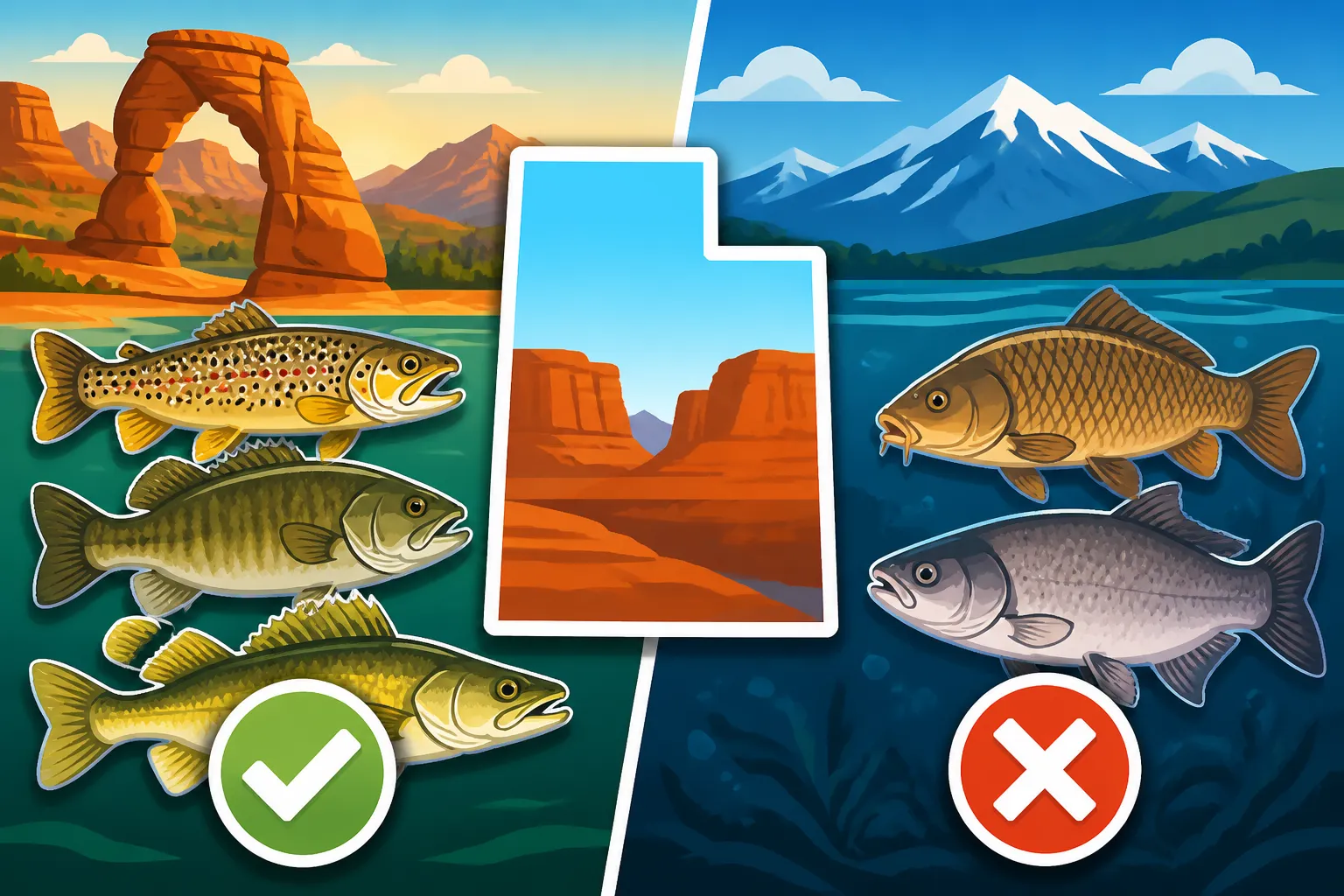
While you won't typically be penalized for releasing a Common Carp in most waters, the DWR strongly encourages anglers to harvest them and not return them to the water. In some specific waters or during certain events, there might even be mandatory harvest rules for carp. Identifying a Common Carp is relatively easy: they have large, prominent scales and two pairs of barbels (whiskers) around their mouth. Anglers are seen as a valuable partner in managing these populations. Similarly, regulations might exist for other non-native baitfish or exotic species that are deemed harmful. It's always a good practice to familiarize yourself with the full list of Fish Species Considered Invasive in Utah Waters to ensure you're doing your part. The general principle is that if a species is non-native and detrimental to the ecosystem, responsible angling often means keeping it out of the water once caught.
| Species | General Status (Utah) | Specific Waters / Notes | Identification Tip |
|---|---|---|---|
| Northern Pike | Mandatory Harvest (Kill on sight) | Primarily Utah Lake, but generally not to be released in any state water. | Elongated body, duck-billed snout, light spots on dark body |
| Common Carp | Highly Encouraged to Harvest | Widespread in many waters; often unlimited bag limits. Destructive bottom feeders. | Large scales, two barbels on upper jaw, soft-rayed fins |
| Walleye | Sportfish (generally regulated limits) | Special regulations or increased limits in certain waters (e.g., Utah Lake) for management. | Large, opaque eyes; sharp teeth; spiny and soft dorsal fins |
| Yellow Perch | Sportfish (regulated limits) | Can become overpopulated, leading to stunted growth; encouraged harvest in some waters. | Distinct vertical dark bands, two separate dorsal fins |
| Brown Trout | Sportfish (regulated limits) | Can outcompete native trout; sometimes managed with higher limits in specific areas. | Dark spots, some with red/orange halos; cream belly |
| Rainbow Trout | Sportfish (regulated limits) | Widely stocked; can compete with native species. Not mandatory harvest, but a common kept fish. | Pink/red stripe, small dark spots; no red slash on jaw |
What to Do When You Catch a Mandatory Harvest Species
So, you've hooked into a Northern Pike in Utah Lake, or perhaps a Walleye in a specific water where the DWR is encouraging greater harvest. What's next? Knowing the rules is one thing, but knowing how to properly act on them is just as important. The goal is to humanely dispatch the fish and ensure it doesn't end up back in the water, either by accident or design. This process is critical for upholding the conservation goals these regulations are designed to achieve.
Proper Handling and Dispatch
When you catch a fish that falls under a mandatory harvest rule, the first step is to handle it safely and humanely dispatch it. For toothy predators like Northern Pike, extreme caution is necessary to avoid injury to yourself. It's a good idea to have a sturdy pair of pliers or a jaw spreader and a reliable method for dispatching the fish. One of the most humane and widely accepted methods is a swift, forceful blow to the top of the fish's head, directly behind the eyes, with a blunt object like a priest or a small bat. This instantly renders the fish unconscious and typically kills it quickly. Another method, if you're comfortable, is called "iki jime," which involves rapidly inserting a spike into the fish's brain. The key is to be quick and decisive to minimize suffering.
Once the fish has been dispatched, it's important to keep it properly to prevent spoilage, especially if you plan to consume it. A cooler with plenty of ice is essential, particularly on warmer days. You don't want to just toss it into a bucket of warm water. Properly chilling the fish not only preserves its quality for eating but also prevents any potential smells or decomposition issues if you're holding onto it for a while. For advice on keeping your catch fresh, you might find tips in How to Store Fish on a Hot Day in Utah. Remember, the entire point is to remove this fish from the ecosystem, so ensure it doesn't get a chance to re-enter the water.
Reporting and Disposal
After you've successfully harvested and dispatched a mandatory keep species, the next step involves reporting (if necessary) and proper disposal. For common invasive species like Northern Pike, you typically do not need to call the DWR to report every single catch. The "kill on sight" rule itself is a call to action for anglers to become part of the management strategy. However, if you were to catch something truly unusual that you suspect might be a new invasive species in a water body, a quick call to the DWR office might be warranted, as they are always monitoring for new threats.
For disposal, if you're not planning to eat the fish (and many invasive species like carp or pike are actually quite good table fare!), you have a few responsible options. Never, ever, throw a dead invasive fish back into the water or leave it on the shoreline. This can spread diseases, attract scavengers, and is generally unsightly. The best methods are to either bury the fish far from any water source or place it in a public trash receptacle, ensuring it's bagged to prevent odors. Many popular fishing spots and state parks in Utah offer designated fish cleaning stations with proper disposal bins, which are an excellent resource for discarding fish waste. Always check for signs at boat ramps or access points for local disposal guidelines. Furthermore, preventing the spread of aquatic invasive species goes beyond just fish; remember to always clean, drain, and dry your boat and gear, and be prepared for inspections at Utah Aquatic Invasive Species Inspection Stations.
Consequences of Releasing Prohibited Species
While most anglers strive to do the right thing and follow regulations, it's important to understand the gravity of not complying with mandatory harvest rules. These aren't just polite suggestions; they are legally enforceable regulations put in place for serious ecological reasons. Disregarding them can lead to significant repercussions, both for you and for Utah's fisheries.
Penalties for Violating Regulations
Releasing a fish that is mandated for harvest, particularly a "kill on sight" species like Northern Pike in Utah Lake, is a violation of state fishing laws. The DWR takes these infractions seriously because the ecological damage from even one released invasive fish can be substantial. If caught releasing a prohibited species, anglers can face a range of penalties. These typically include hefty fines, which can quickly add up. Beyond financial penalties, you could also face confiscation of your fishing gear, which is a major setback for any dedicated angler.
In more severe or repeated cases, you could even have your Utah fishing license suspended or revoked, preventing you from enjoying the sport you love for a period of time. These aren't minor tickets; they reflect the DWR's commitment to protecting Utah's natural resources. It's far better to err on the side of caution, ensure you know the rules for the waters you're fishing, and if you're unsure about a specific fish, contact the DWR or consult the current fishing guidebook. Nobody wants to deal with the stress and expense of a violation, and the consequences serve as a strong deterrent to protect our shared fishing future. For more information on what can happen, refer to Utah Fishing License Penalties for Violations.
Ecological Damage of Non-Compliance
Beyond the personal legal ramifications, releasing a mandatory harvest species has far-reaching and devastating ecological consequences. Every time an invasive fish is returned to the water, it undermines the tireless conservation efforts of the DWR and fellow anglers. These rules exist because these species pose a direct and often existential threat to native fish populations and the health of the entire aquatic ecosystem. One released Northern Pike, for example, can continue to reproduce, consuming vast numbers of sportfish and endangered species, effectively undoing years of management work.
It's a stark reminder that our individual actions have collective impacts. When anglers disregard these rules, they are contributing to the very problems that degrade the quality of fishing for everyone. This can lead to declining populations of desirable sportfish, reduced biodiversity, and a general imbalance that makes the fishery less enjoyable and less resilient. The "kill on sight" and mandatory harvest rules are a collective commitment to protecting Utah's unique angling heritage. By complying, you're not just avoiding a fine; you're actively participating in the vital stewardship of our natural waters, ensuring that healthy, vibrant fisheries will continue to thrive for generations to come.
Disclaimer
This article is for general informational purposes only and does not constitute professional advice. Laws, prices and regulations vary by location and change over time. Consult a qualified professional for guidance on your specific situation.