Why Utah Requires Anglers to Kill Certain Invasive Fish
It can be incredibly frustrating to head out to your favorite fishing spot, reel in a promising catch, only to discover that you're required to kill it. This isn't just about managing populations or following a complex set of rules; it's a critical measure to protect Utah's fragile native fish populations and ecosystems from devastating invasive species. This guide will help you understand the crucial reasons behind these regulations and how you can do your part.
The Urgent Problem of Invasive Fish in Utah's Waters
Utah's diverse aquatic environments, from high-mountain lakes to desert reservoirs, are home to a unique array of native fish species. Many of these, like the Bonneville Cutthroat Trout or the endangered June Sucker, have evolved over thousands of years to thrive in specific conditions and often exist nowhere else in the world. When non-native species are introduced, whether intentionally or accidentally, they can wreak havoc on these delicate balances.
Think of it like an uninvited guest showing up at a potluck dinner and eating all the food before anyone else gets a chance. Invasive fish don't just "coexist"; they actively outcompete native species for food, habitat, and spawning grounds. They can also introduce diseases that native fish have no natural immunity to, or simply prey on vulnerable native populations, especially juveniles. The stakes are incredibly high, often leading to rapid declines in native fish numbers and, in some tragic cases, local extinctions. The Utah Division of Wildlife Resources (UDWR) spends considerable resources trying to manage and mitigate these threats, and mandatory harvest rules are one of their most direct tools.
Why Invasive Species are a Threat
The primary threat from invasive fish comes down to their ability to disrupt established food webs and predator-prey dynamics. Native fish have evolved alongside specific predators and prey, developing defense mechanisms or life strategies to cope. An invasive predator, however, can be a completely new challenge that native populations aren't equipped to handle. For example, a large, aggressive predator introduced into a system where native fish are smaller or slower can decimate their numbers in a very short time.
Beyond direct predation, invasive species often have different reproductive strategies or faster growth rates, allowing them to quickly dominate a body of water. They might spawn earlier, produce more eggs, or tolerate a wider range of environmental conditions, giving them a distinct advantage over their native counterparts. This can quickly shift the entire ecosystem, leading to a loss of biodiversity and the degradation of critical habitats. It's a complex ecological puzzle, and every piece removed or replaced by an invasive one can destabilize the whole picture.
The Specific Dangers to Utah's Native Fish
Utah is particularly vulnerable due to its isolated watersheds and the presence of several endemic species. Consider the plight of the June Sucker in Utah Lake. This fish is found only in Utah Lake and its tributaries, and it has been on the endangered species list for decades. The introduction of non-native species like common carp, white bass, and most critically, northern pike, has severely impacted the June Sucker's ability to survive. These invasive fish compete for food, alter habitat by stirring up lakebed sediments, and directly prey on June Sucker eggs and juveniles. You can learn more about the challenges facing this unique species in June Sucker Endangered Species in Utah Lake.
Another prime example is the Bonneville Cutthroat Trout, Utah's state fish and a native species to the Bonneville Basin. While efforts are being made to restore populations, invasive species like rainbow trout and brown trout, when stocked indiscriminately, can hybridize with cutthroat or outcompete them for resources. The introduction of these non-native trout can dilute the genetic purity of native cutthroats, a problem that conservationists are constantly battling. The mandatory kill regulations are often a last-ditch effort to give native fish a fighting chance against these overwhelming pressures.
Identifying Utah's "Kill On Sight" Invasive Species
When the UDWR implements a "mandatory kill" regulation, it's not a decision taken lightly. It means the threat posed by that particular species in that specific water body is so severe that immediate removal by anglers is deemed necessary to protect native or sportfish populations. Understanding Utah Fishing Regulations Explained is paramount, and knowing which fish fall into this category is your responsibility as an angler.
The most prominent example of a mandatory kill species in certain Utah waters is the Northern Pike. These voracious predators have a nasty habit of showing up where they don't belong and quickly becoming the apex predator, consuming everything in their path.
Northern Pike: The Primary Culprit
Northern Pike are easily identifiable. They have a long, slender body, a distinctive duck-bill-shaped snout, and a mouth full of razor-sharp teeth. Their coloration is typically greenish-grey with light, bean-shaped spots along their sides. They are often confused with muskellunge or tiger muskies, but Northern Pike have spots, while muskies have bars or stripes. Northern Pike also have fully scaled gill covers, which can be a key identifier.
In specific waters like Utah Lake and portions of the Uinta Basin, anglers are required to immediately kill any Northern Pike caught and are prohibited from releasing them. This is a critical regulation because of the immense threat they pose to native species, especially the June Sucker in Utah Lake. You can read more about this specific regulation in Utah Northern Pike Kill Rules at Utah Lake and delve deeper into Why Does Utah Lake Require You to Kill Every Northern Pike?. The goal here is to reduce their population as much as possible, as they have proven to be devastating to the lake's ecosystem since How Northern Pike Got Into Utah Lake.
When you catch a Northern Pike in a mandatory kill water, the expectation is that you dispatch it humanely and immediately. This isn't about cruelty; it's about ecosystem management. A swift blow to the head or severance of the spinal cord is usually recommended for humane dispatch. It's also important to be careful—those teeth are no joke! A good pair of long-nosed pliers, perhaps from a selection you might find on Amazon, can be invaluable for hook removal from these toothy critters.
Other Encouraged Harvest Species
While Northern Pike is the most common "kill on sight" species, it's worth noting that the UDWR often encourages the harvest of other non-native species through generous or unlimited bag limits, particularly when those species compete with or prey on desired sportfish or native species. These aren't always "mandatory kill" everywhere, but they are strong recommendations to help manage populations.
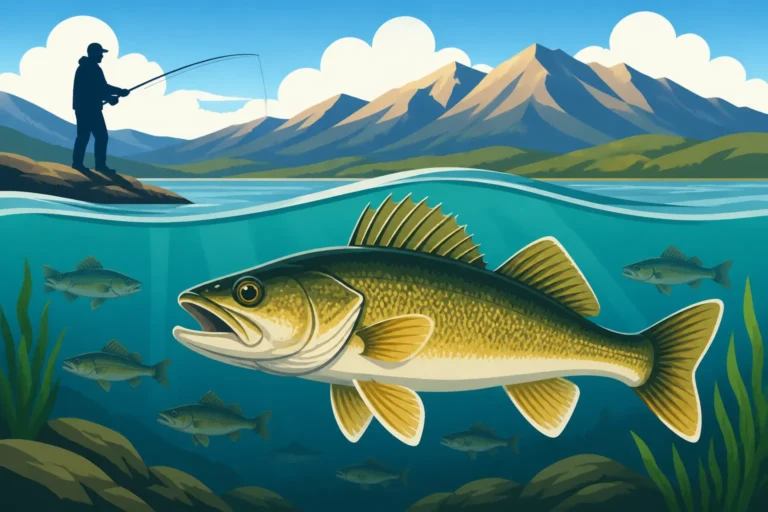
For example, species like Walleye in Utah Lake often have high bag limits to encourage harvest, as do Striped Bass in Lake Powell. These species are not native to those waters and can exert significant pressure on baitfish populations, which in turn affects other species. For a broader overview, check out Fish Species Considered Invasive in Utah Waters. Always consult the current Utah Daily Bag and Possession Limits and the UDWR proclamation for the specific water body you are fishing. Sometimes, a "mandatory harvest" regulation (where you must keep what you catch up to the limit) might be in place, as explained in What Does Mandatory Harvest Mean on a Utah Fishing Water?.
| Species | Key Identification | Primary Threat | Mandatory Kill Waters | Notes |
|---|---|---|---|---|
| Northern Pike | Long, slender body; duck-bill snout; sharp teeth; light spots on dark background; fully scaled gill covers. | Voracious predator, eats native fish, including endangered species; competes for food. | Utah Lake, parts of Uinta Basin | Must be killed immediately; no release. |
| Common Carp | Large, golden-brown scales; barbels around mouth; deep body. | Degrades habitat by uprooting vegetation; stirs up sediments; competes for food. | Often encouraged harvest | No statewide mandatory kill; high limits. |
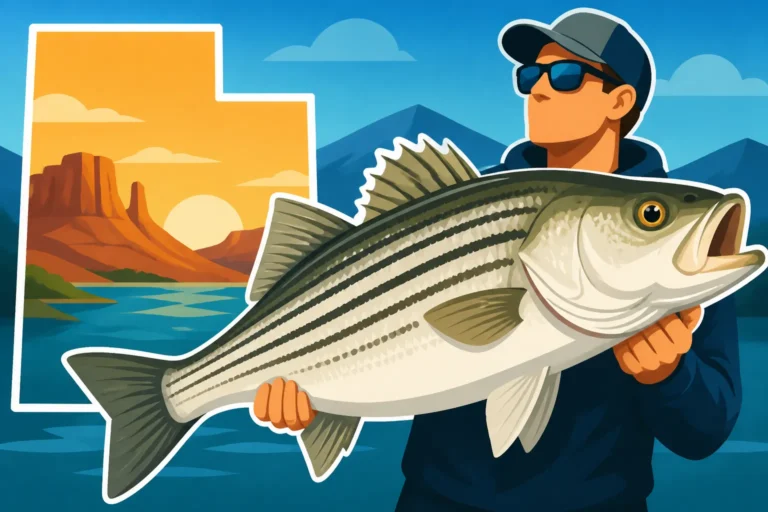
| Striped Bass | Silver body with dark, horizontal stripes; two separate dorsal fins. | Consumes vast amounts of baitfish, impacting other sportfish populations. | Lake Powell, Willard Bay | Unlimited harvest often encouraged; check limits. |
| Walleye | Golden-olive body; dark blotches; large, glassy eyes; sharp teeth; white tip on lower tail fin. | Predatory, competes with and preys on other sportfish and native species. | Utah Lake | High bag limits encourage harvest. |
(Note: Always verify specific regulations with the latest Utah Fishing Guidebook as rules can change.)
The Devastating Impact of Invasive Species on Utah's Ecosystems
The consequences of invasive fish aren't just theoretical; they're felt throughout the entire aquatic food web. When a non-native species gains a foothold, it can trigger a cascade of negative effects that fundamentally alter the environment, sometimes beyond repair.
Predation on Native Species
This is often the most direct and visible impact. Invasive predators are often aggressive and efficient hunters, preying on native fish, their eggs, and their fry. Consider the Northern Pike in Utah Lake. Pike are ambush predators, meaning they hide in vegetation or structure and then explosively attack unsuspecting prey. This makes them incredibly effective at reducing populations of slower, less aggressive native species like the June Sucker. These pike don't care about the endangered status of the June Sucker; they're simply following their instinct to feed. This relentless predation makes it incredibly difficult for native species to reproduce and sustain their numbers. It's why efforts to remove Northern Pike, as detailed in Northern Pike as an Invasive Species in Utah, are so critical.
The ecological balance of a lake or river has often taken millennia to establish. Introducing a super-efficient predator can unravel this balance in just a few seasons. Anglers often see a "boom" in the invasive species population, followed by a "bust" in native species. This isn't just an inconvenience; it's a threat to the state's natural heritage and the unique biodiversity that defines Utah's waters.
Competition for Food and Habitat
Even if an invasive fish isn't directly preying on native species, it can still cause immense harm through competition. Imagine a limited supply of food and shelter in a body of water. When an invasive species arrives, it adds more mouths to feed and more bodies needing shelter. If the invasive species is more efficient at foraging or more aggressive in defending its territory, the native species will suffer.
Common carp, for instance, are not usually predators of large native fish, but they are notorious for their feeding habits. They are bottom feeders that stir up sediments as they root around for food. This can turn clear waters cloudy, reducing light penetration, killing off aquatic vegetation, and making it harder for sight-feeding fish to find prey. It also smothers the spawning beds of many native species. So, while carp aren't eating the native trout, they're destroying the habitat those trout need to survive and reproduce. This competition for essential resources often flies under the radar but is just as destructive as direct predation.
Disease Transmission and Hybridization
Another less obvious but equally damaging impact of invasive fish is the potential for disease transmission. Non-native species can carry pathogens, parasites, or viruses that they are immune to, but which can be deadly to native fish populations. When these invaders enter a new ecosystem, they can expose native fish to diseases they have no natural defenses against, leading to widespread die-offs. It's a silent killer that can devastate populations quickly.
Hybridization is another significant concern, particularly with trout species. When non-native trout like rainbow trout or brown trout are introduced into waters containing native cutthroat trout, there's a risk of interbreeding. The offspring, or hybrids, may be fertile but can dilute the genetic purity of the native cutthroat population. Over generations, this can lead to the loss of unique genetic traits that make native species resilient to their specific environments. This is why careful management of stocking programs and, in some cases, the removal of non-native trout, is necessary to protect species like the Bonneville Cutthroat Trout.
Angler Responsibility: What to Do When You Catch an Invasive Fish
As anglers, we have a vital role to play in protecting Utah's fisheries. The regulations regarding invasive species aren't just suggestions; they are mandates designed to mitigate serious ecological threats. Understanding and complying with these rules is part of being a responsible steward of our natural resources.
Proper Identification is Key
The first step is always to be certain of what you've caught. Misidentifying a fish can lead to unintended consequences, from releasing a mandatory-kill species to keeping a protected one. Always carry a current Utah fishing guide with you, either a physical copy or a digital version on your phone. Many anglers also find waterproof fish identification cards, easily available on Amazon, to be incredibly helpful. Pay attention to key features like fin placement, body shape, mouth structure, and coloration.
If you are unsure, err on the side of caution. For species like Northern Pike in Utah Lake, the identification is usually straightforward, but for others, it might be trickier. Familiarize yourself with the species that are common in the waters you frequent. This knowledge empowers you to act responsibly.
Methods for Humane Dispatch
When you catch a species that requires mandatory kill, the goal is to dispatch it quickly and humanely. This means minimizing suffering as much as possible. Here are a couple of common methods:
- Cervical Severance (Brain Spike/Iki Jime): This is considered one of the most humane methods. It involves using a sharp, pointed tool (an "iki jime" spike, or even a robust screwdriver) to quickly penetrate the fish's brain, located just behind the eyes and above the lateral line. This instantly destroys the brain, causing immediate death and minimizing stress.
- Blunt Force Trauma: A quick, strong blow to the top of the fish's head with a blunt object (like a fishing priest, a small club, or even a rock) can also dispatch it humanely. The goal is a single, decisive strike to the brain, not repeated blows.
After dispatching the fish, it's generally best to place it on ice in a cooler immediately, especially if you intend to consume it. This maintains the quality of the meat. Keep in mind that releasing these fish, even if you think they won't survive, is illegal in mandatory kill waters and counterproductive to conservation efforts. Remember, you cannot release a fish that has a mandatory kill regulation. For other species, understanding How to Release a Fish Without Hurting It in Utah is crucial when it's appropriate.
Reporting and Disposal
In most cases, if you've caught and dispatched a mandatory-kill invasive fish, you don't need to report every single catch to the UDWR. The act of killing it is your contribution. However, if you notice an unusual concentration of a highly invasive species in a new water body where they haven't been reported before, or if you have questions about specific regulations, contacting your local UDWR office is always a good idea. They rely on angler observations to help track and manage these populations.
As for disposal, if you're not going to eat the fish (and many invasive species are perfectly edible, like Northern Pike), ensure proper disposal. Do not simply toss it back on the shore where it can attract scavengers or create a nuisance. Bag it and dispose of it in a trash receptacle. Never transport live invasive fish to another water body, as this is a primary way these species spread and can lead to severe penalties.
Your participation in these mandatory harvest programs is critical. Every Northern Pike removed from Utah Lake, for example, is one less predator eating June Suckers, and every action you take helps preserve the angling opportunities and the unique natural heritage of Utah's waters for generations to come.
Disclaimer
This article is for general informational purposes only and does not constitute professional advice. Laws, prices and regulations vary by location and change over time. Consult a qualified professional for guidance on your specific situation.