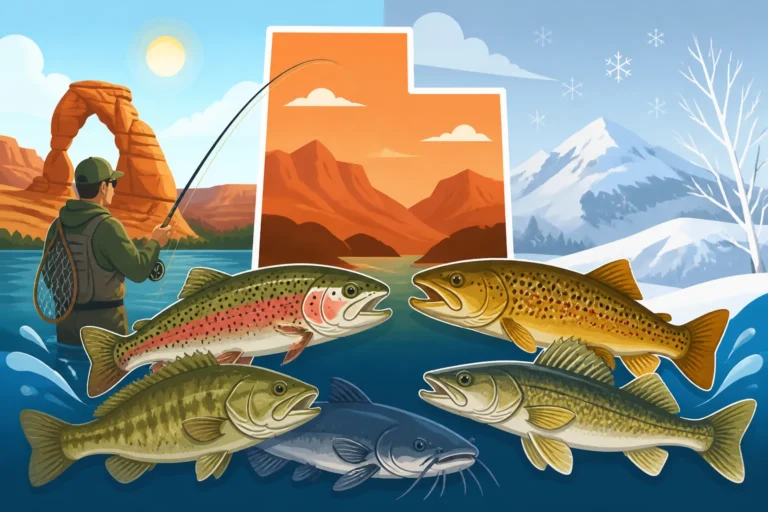
Fish Species Found Only in Lake Powell Among Utah Waters
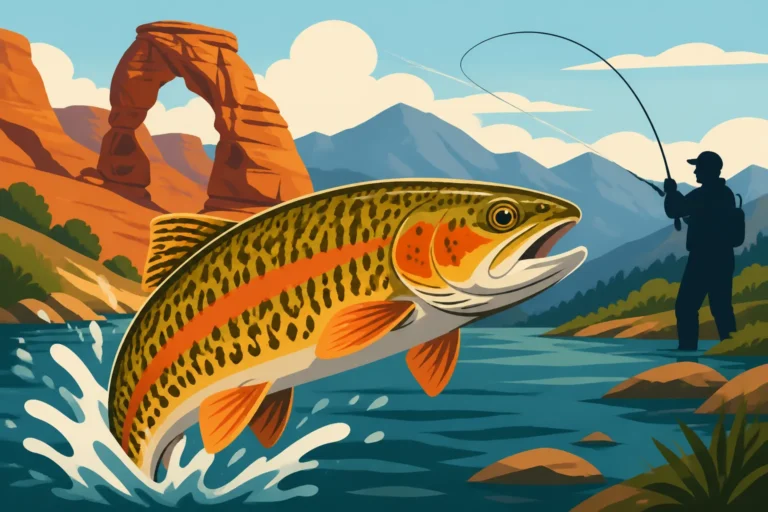
It's easy to think that when you're fishing in Utah, most of our popular game fish can be found pretty much anywhere there's a big lake or a decent river. But Lake Powell, that massive, gorgeous expanse of water down south, is a different beast entirely. It’s not just visually stunning; it’s an ecological outlier, home to species that thrive there in ways you simply won't see in other Utah waters. This guide dives deep into the unique fish species that truly set Lake Powell apart as an angling destination within our state.
Striped Bass: The Crown Jewel of Lake Powell's Unique Fishery
When we talk about fish species found only in Lake Powell among Utah waters, the striped bass immediately jumps to the forefront. While some other warmwater species like bass and catfish are present in various Utah lakes, the striped bass has found a truly exclusive, self-sustaining home in Lake Powell. It’s a testament to the reservoir's distinct characteristics and a huge draw for anglers seeking a unique challenge.
Why Lake Powell is the Only Utah Home for Self-Sustaining Stripers
The existence of a thriving, wild population of striped bass in Lake Powell is a direct result of a perfect storm of environmental conditions that simply don't exist elsewhere in Utah. First and foremost is the sheer size and depth of Lake Powell. This reservoir holds an immense volume of warm water, which stripers absolutely crave. Unlike many of Utah's higher-elevation, colder mountain lakes or even mid-elevation reservoirs, Powell maintains temperatures ideal for these hard-fighting fish for much of the year.
Beyond temperature, the sprawling canyon country that Lake Powell has submerged provides an incredible amount of complex structure and deep-water habitat. This vastness allows huge schools of stripers to roam, chase baitfish, and find refuge. Crucially, Lake Powell also boasts a massive and consistent forage base, primarily gizzard shad. These abundant baitfish are the engine that fuels Powell's striped bass population, providing the food necessary for rapid growth and high numbers. Most other Utah waters lack this specific, large-scale shad population that stripers rely on.
Finally, and perhaps most importantly for their self-sustainability, the extensive riverine armatures, particularly the upper reaches of the San Juan and Colorado Rivers feeding into the reservoir, provide the necessary flowing water for striped bass to successfully spawn. Stripers are pelagic spawners, meaning their eggs are semi-buoyant and must drift in current for a period to hatch. The long river arms of Lake Powell offer this critical habitat, a feature not replicated in any other Utah reservoir with sufficient scale to support a naturally reproducing striped bass population. Without these specific conditions, striped bass populations in other Utah lakes would quickly die out without continuous stocking, which isn't the case in Powell.
Life Cycle and Behavior of Lake Powell Stripers
Lake Powell's striped bass are fascinating fish, known for their incredible power and voracious appetites. These are not your typical trout or panfish; they are apex predators. As such, they exhibit a distinct life cycle and behavior that sets them apart from other game fish in Utah. They are schooling fish, often moving in massive groups, sometimes numbering in the thousands. This schooling behavior is key to their hunting strategy, allowing them to corral and overwhelm vast schools of baitfish.
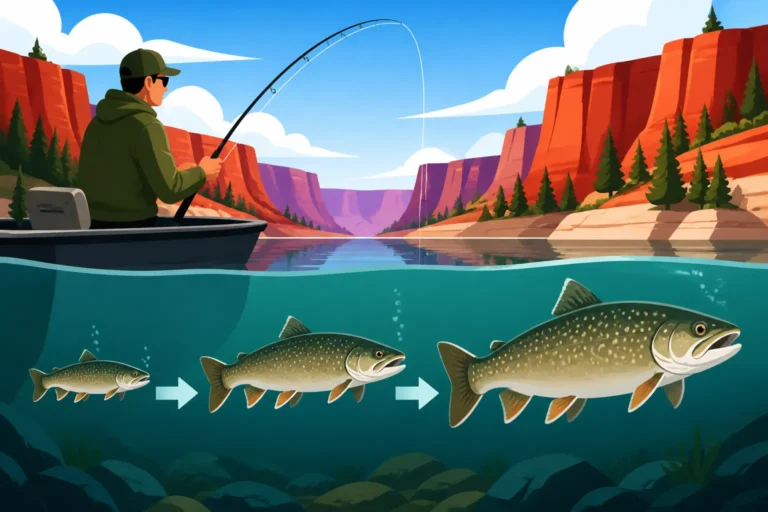
Throughout the year, their movements are heavily influenced by water temperature and the location of their primary food source, the gizzard shad. In spring, as water temperatures rise, stripers migrate towards the upper arms of the reservoir, into the river systems, to spawn. After spawning, they disperse throughout the lake, often following the shad. During the warmer months, they can be found in various parts of the main channel and larger canyons, often suspending in deeper water during the day and moving into shallower areas to feed during low-light conditions. These fish can grow to impressive sizes in Lake Powell. While trophy catches aren't an everyday occurrence, it's not uncommon to land stripers weighing well into the double digits, with records pushing much higher. For more on their potential, check out Striped Bass Size at Lake Powell.
Understanding their behavior is crucial for successful angling. They are opportunistic feeders, willing to strike a variety of baits and lures, but their schooling nature means that when you find one, you're likely to find many. This often leads to explosive fishing action that is truly unique to Lake Powell within Utah. The Utah Division of Wildlife Resources (UDWR) introduced striped bass to Lake Powell years ago to help control shad populations and create a new sport fishery, and they've thrived ever since. If you're curious about their origins, read Why Striped Bass Were Introduced to Lake Powell.
The Thrill of the Boil and Angling for Stripers
One of the most iconic and exhilarating experiences in Utah fishing is witnessing and participating in a "striper boil" on Lake Powell. This phenomenon is a pure spectacle of nature and a prime example of the unique angling opportunities that Powell offers. A boil occurs when a massive school of striped bass corners a school of gizzard shad against the surface of the water, creating a frenzy of splashing, jumping fish, and diving birds. It's an unforgettable sight, and when you're lucky enough to find one, the fishing can be absolutely insane.
When stripers are actively boiling, they are in a feeding frenzy, and almost any bait or lure cast into the chaos will be attacked. Anglers often throw topwater lures, spoons, or even just chunks of cut bait. The action is fast and furious, with multiple hookups often happening simultaneously. It's a true test of stamina and tackle, as these fish fight hard. When Do Striped Bass Boil on the Surface at Lake Powell? delves deeper into this exciting event, and How to Find Shad Boils at Lake Powell offers tips on locating these feeding frenzies.
Even when stripers aren't boiling, they offer fantastic angling. Many anglers troll with various lures, spoons, or even anchovies to cover water and locate schools. Others prefer to find deep structure or channel bends and use cut bait on the bottom, often drawing strikes from larger, more solitary fish. Jigging spoons or heavy swimbaits in deep water can also be incredibly effective. For detailed strategies, read How to Fish for Striped Bass at Lake Powell and discover Best Spots for Striped Bass at Lake Powell. Whether you're a seasoned pro or a novice, Lake Powell's striped bass fishery provides an experience unparalleled in the rest of Utah. It's worth noting that Do Striped Bass Reproduce Naturally in Lake Powell? confirms their self-sustaining status, making this an even more remarkable fishery.
Understanding Lake Powell's Broader Warmwater Ecosystem
While striped bass are truly the poster child for "fish species found only in Lake Powell among Utah waters" in terms of a self-sustaining sport fishery, it's also important to understand the broader warmwater ecosystem that allows other species to thrive in an almost unparalleled way compared to other Utah lakes.
Beyond Stripers: Other Key Warmwater Fish Thriving in Powell
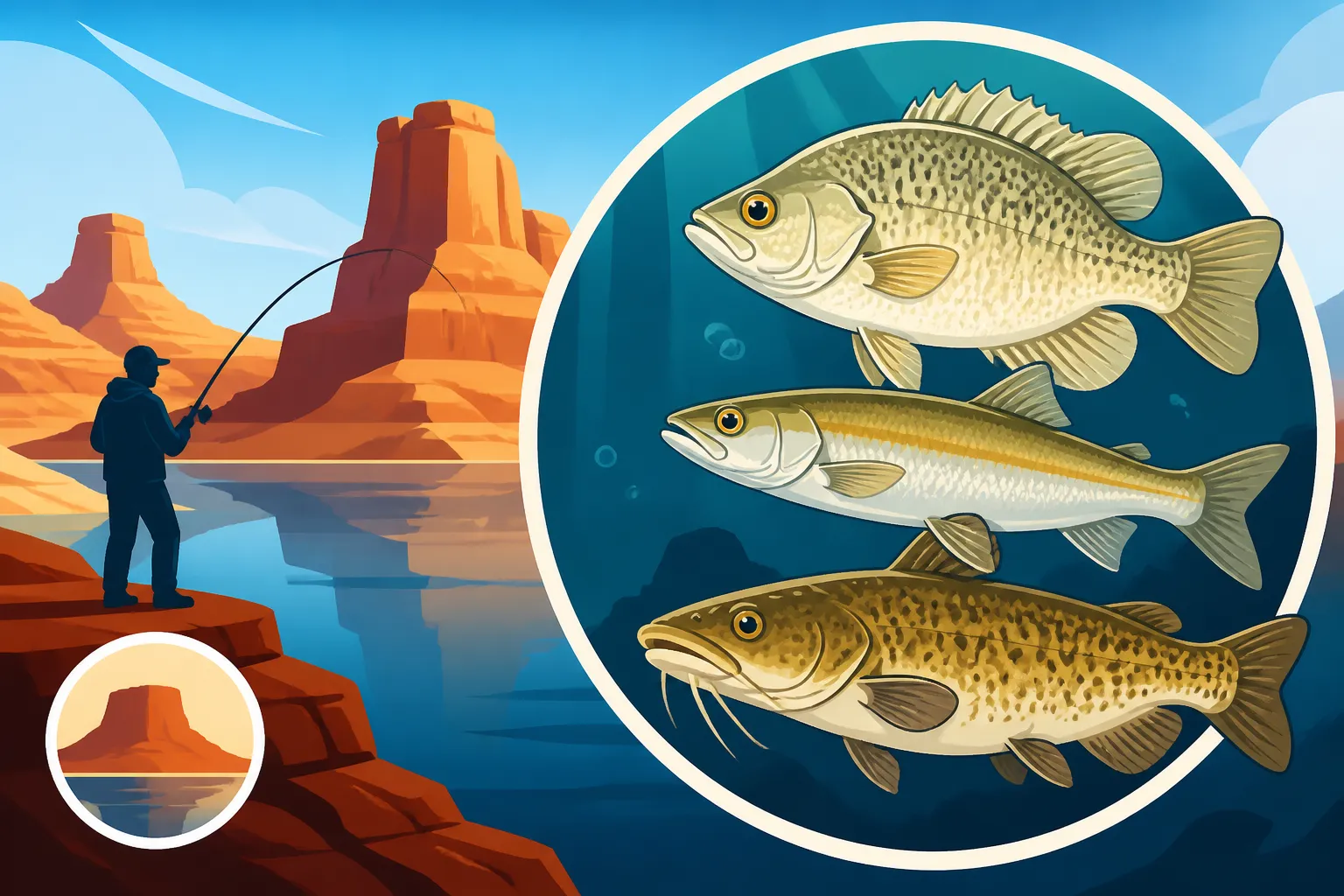
It's crucial to clarify that species like smallmouth bass, largemouth bass, channel catfish, and crappie are not exclusively found in Lake Powell within Utah's borders. You can find them in other warmwater impoundments across the state. However, Lake Powell provides such an expansive, rich, and varied habitat that these species often reach sizes and populations there that are exceptionally distinctive for Utah. This isn't just about their presence, but about the quality and abundance of the fishery they create in Powell.
Take smallmouth bass, for example. While they exist in other Utah reservoirs like Deer Creek or Flaming Gorge, the miles upon miles of rocky shoreline, ledges, and submerged canyon structures in Lake Powell create an absolutely prime environment for Smallmouth Bass Identification in Utah. Anglers consistently report catching impressive numbers and sizes of smallmouth here, making it a bucket-list destination for many bass enthusiasts. Similarly, Largemouth Bass in Utah Waters find perfect ambush points in the slower, brushy backs of coves and protected bays, growing fat on the abundant forage. The same goes for channel catfish and crappie; while widespread, Lake Powell offers conditions that lead to exceptionally healthy populations and large individual fish, providing diverse angling opportunities that complement the striper fishery. For example, Channel Catfish Size in Utah can be impressive in Lake Powell due to the ample food sources and warm environment.
The sheer scale of Lake Powell and its prolonged warm water temperatures create an extended growing season and a vast range for these fish. This allows them to grow larger and sustain higher population densities than they might in smaller, colder, or less nutrient-rich environments found elsewhere in Utah. So, while not exclusive in their existence, their thriving in Lake Powell is truly unique within the state.
The Interconnected Web: Forage Fish and Predation
The abundance of Lake Powell's game fish, especially the striped bass, is directly linked to the health and abundance of its forage base. At the heart of this food web are gizzard shad, a prolific baitfish species. These schooling fish reproduce rapidly in the warm waters of Lake Powell and provide a constant, high-energy food source for all the predatory species – from stripers to bass to even larger catfish. Without this consistent supply of shad, the populations of game fish would simply not be able to sustain their current numbers or reach their impressive sizes.
This dynamic creates a classic predator-prey relationship that is vital to the lake's ecosystem. Stripers, in particular, are incredibly efficient predators, often working together in large schools to herd and consume shad. This intense predation pressure can, at times, lead to boom-and-bust cycles in both the shad and striper populations. When shad are abundant, stripers grow fast and numbers can explode. When shad populations decline due to environmental factors or over-predation, the striper population can also see a dip.
Managing this delicate balance is a continuous challenge for fisheries biologists. The presence of such a dominant forage species and the subsequent robust predatory population creates a unique food chain within Lake Powell that differs significantly from Utah's trout-dominated, higher-elevation reservoirs, or even smaller, more isolated warmwater ponds. It's a testament to the reservoir's capacity to support a complex and productive aquatic environment.
Management and Conservation of Lake Powell's Fish
Managing a massive, complex, and unique fishery like Lake Powell comes with its own set of challenges and conservation efforts. The Utah Division of Wildlife Resources (UDWR), in conjunction with Arizona Game and Fish, works to monitor fish populations, regulate harvest, and address ecological concerns. A major aspect of this management involves balancing the desires of anglers for abundant sportfish with the broader health of the ecosystem, including protecting native species when possible.
One of the ongoing concerns, not just for Lake Powell but for many western waterways, is the threat of aquatic invasive species. Invasive organisms like quagga mussels can profoundly alter an aquatic ecosystem, affecting water quality, food webs, and even boat infrastructure. Lake Powell has faced significant challenges with these invaders. Understanding How Quagga Mussels Got Into Lake Powell and the ongoing efforts to manage them is crucial for all boaters and anglers visiting the reservoir. These efforts often include mandatory boat inspections and decontamination rules, especially for boats leaving Lake Powell.
For the fish populations themselves, management often involves flexible regulations on bag limits for species like striped bass. For example, when striper populations are extremely high and forage is limited, liberal bag limits might be implemented to encourage harvest and help balance the ecosystem, preventing the stripers from "eating themselves out of house and home." Conversely, if populations dip, regulations might become more restrictive. This adaptive management approach is essential for sustaining the unique and productive fishery that Lake Powell offers within Utah.
Gear Up for Lake Powell's Distinctive Angling Experience
Embarking on a fishing trip to Lake Powell, especially when targeting its unique or exceptionally thriving species, requires a thoughtful approach to your gear. The vastness of the lake, the fighting power of its fish, and the specific techniques often employed mean that having the right equipment can make all the difference between a frustrating day and an epic adventure.
Essential Tackle for Targeting Powell's Unique Species
When it comes to striped bass, you'll want gear that can handle powerful, fast-running fish. A medium-heavy to heavy action spinning or baitcasting rod, typically in the 7 to 8-foot range, paired with a robust reel loaded with 15-30 pound monofilament or braided line, is a good starting point. Braided line is often preferred for its strength, lack of stretch for solid hooksets, and sensitivity, especially when fishing deeper. For lures, a variety of options work well, including heavy spoons (chrome or white are popular), large topwater poppers or walk-the-dog baits during boils, and swimbaits. Cut bait, particularly anchovies, is also a highly effective natural offering. You can find a wide range of these specialized lures and baits on platforms like Amazon, ensuring you have what you need before you hit the water.
For smallmouth and largemouth bass, while lighter tackle can sometimes be used, the possibility of encountering larger fish in heavy cover often calls for medium-heavy to heavy action rods and reels with 10-20 pound line. Jigs, crankbaits, soft plastics, and spinnerbaits are all popular choices, with color selections often dictated by water clarity. Catfish anglers often opt for heavy conventional gear, relying on sturdy rods and reels spooled with 20-50 pound line, using cut bait, stink baits, or even hot dogs on the bottom in deeper holes or near structure. The key across all these species is robust, reliable gear that can stand up to powerful fights and the rigors of a big lake environment.
Navigating and Finding Fish on a Giant Reservoir
Fishing Lake Powell isn't like fishing a small pond; it's more like navigating a vast, intricate maze. The reservoir covers hundreds of square miles and boasts thousands of miles of shoreline when full, making navigation and fish location a significant part of the angling challenge. This is where modern boat technology becomes not just helpful, but almost essential for maximizing your success, especially when targeting schooling fish like stripers or structure-oriented bass.
A reliable boat equipped with a quality fish finder and GPS unit is invaluable. A good fish finder, especially one with side-imaging or down-imaging capabilities, will help you locate schools of shad, identify bait balls, mark submerged structure, and even spot individual fish or schools of stripers in deeper water. This technology allows you to understand what's beneath your boat in real-time. For advice on choosing one, consult Best Fish Finders for Utah Reservoirs. The GPS feature is critical for navigating the numerous canyons, marking productive fishing spots, and safely returning to launch points, especially in unfamiliar territory. Many anglers even mark "boil" locations from previous trips to revisit them, as stripers often return to the same areas.
Understanding the contours of the lake, studying topographic maps (both paper and digital), and paying attention to current fishing reports are all vital. Whether you're staying in a houseboat for a week or taking a day trip, having a clear plan and the right navigational tools will greatly enhance your experience on this incredible body of water. Considering the size of the lake, Best Boat Size for Fishing Lake Powell is also a crucial read to ensure your vessel is suitable for the conditions you might encounter. Lake Powell truly offers a distinctive angling experience, centered around its unique species and the challenges its vastness presents.
Disclaimer
This article is for general informational purposes only and does not constitute professional advice. Laws, prices and regulations vary by location and change over time. Consult a qualified professional for guidance on your specific situation.