Fish Species in the Logan River
When you think about fishing in Utah, many people immediately picture vast reservoirs like Flaming Gorge or the bustling waters of Strawberry. But for those who cherish the quiet beauty of a flowing river and the challenge of outsmarting wild trout, the Logan River holds a special place. Anglers often wonder exactly what species they can expect to encounter in this gem of Northern Utah, and how these fish thrive in its unique environment. This comprehensive guide will explore the diverse aquatic life of the Logan River, shedding light on its various fish species, their habitats, and what makes this river a fantastic destination for local and visiting anglers alike.
A Brief Look at the Logan River's Unique Ecosystem
The Logan River, flowing from the Bear River Range and eventually into the Bear River, is much more than just a waterway; it's a dynamic, cold-water ecosystem shaped by its mountainous origins and the fertile valley it traverses. Its character changes significantly from its high-altitude headwaters to its lower, wider sections, creating distinct microhabitats that support a variety of fish species. Understanding these changes is key to appreciating the diversity of its aquatic inhabitants.
The Logan River's Character and Habitat
Up in the higher canyons, the Logan River is a classic freestone stream, characterized by its rocky bottom, swift currents, and numerous riffles, runs, and deep pools. The water here is typically clear and cold, even in the height of summer, fed by snowmelt and springs. This section is often shaded by thick riparian vegetation, providing excellent cover and cooler temperatures for fish. As the river flows downstream, it widens and slows in parts, though it retains its rocky bottom through much of its length before entering more agricultural areas. The varied structure – from fast-moving oxygenated water to slower, deeper pockets – offers a diverse array of living spaces, each favored by different species seeking food, shelter, and spawning grounds. The health of the surrounding forests and agricultural lands also plays a crucial role, influencing water quality, temperature, and nutrient input.
Why Species Diversity Matters Here
The rich diversity of fish species in the Logan River isn't just a point of interest for biologists; it's a direct indicator of the river's overall ecological health. Each species, from the largest trout to the smallest sculpin, plays a vital role in the food web. A robust population of various fish means a balanced ecosystem with plenty of food sources and healthy habitats. For anglers, this diversity translates to a more engaging and rewarding experience. You might target a specific trout species with a carefully chosen fly, but you're also likely to observe other native fish or important insect life that signify a thriving river. Protecting this diversity is paramount, not just for today's fishing but for future generations to enjoy the Logan River's natural splendor.
The Primary Game Fish Species You'll Encounter
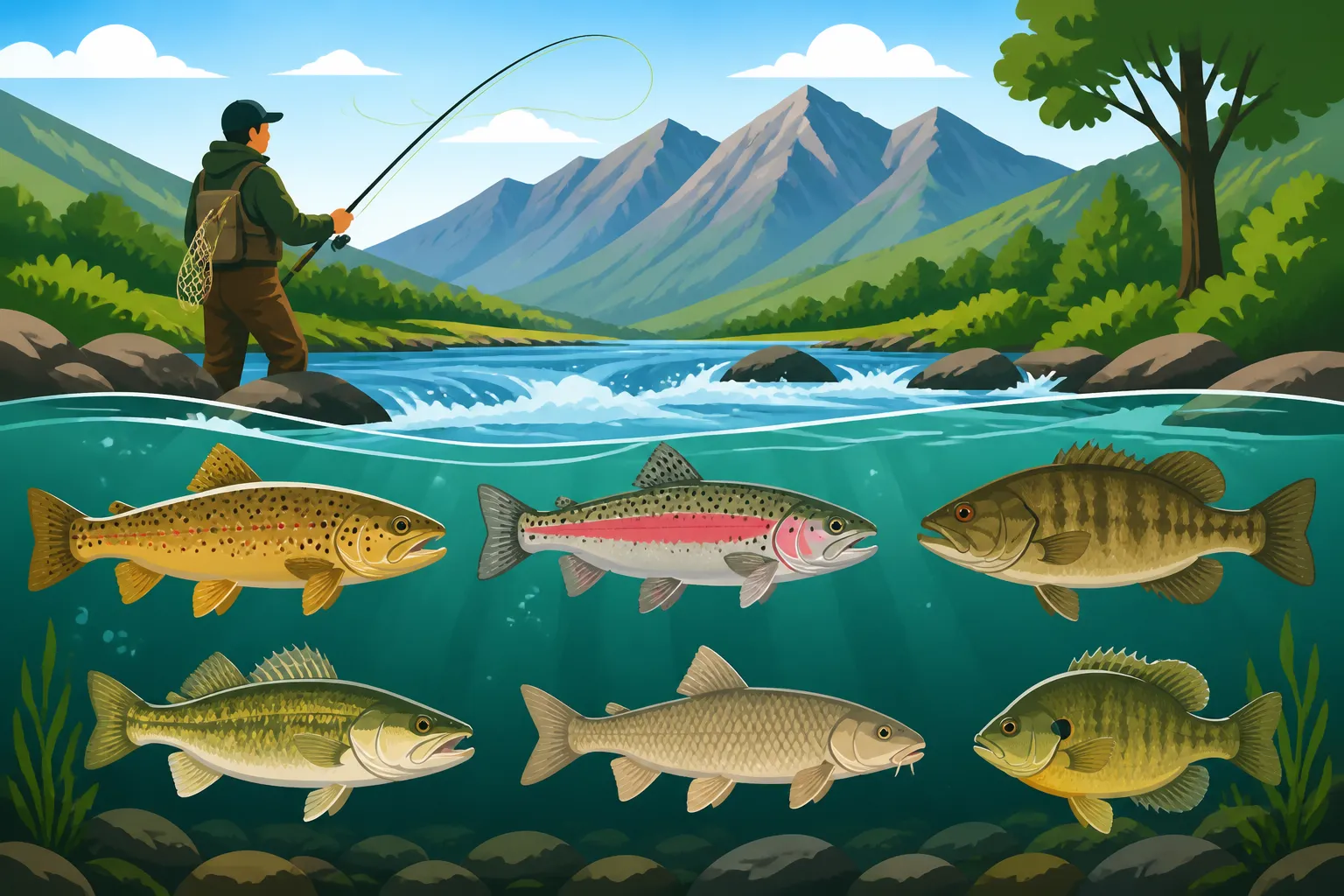
When you talk about fishing the Logan River, trout are usually the first fish that come to mind, and for good reason. This river is a trout angler's paradise, boasting a healthy population of several desirable species. Each brings its own challenge and charm to the angling experience.
Brown Trout: The River's Resilient Natives
The brown trout ( Salmo trutta) is a true icon of the Logan River. Known for their beautiful golden-brown coloration, often adorned with red and black spots, these fish are incredibly resilient and have established strong, self-sustaining populations throughout much of the river. Unlike some other trout species that rely heavily on stocking, many of the browns you'll catch in the Logan are wild, born and raised right there in the river's cold, clear waters. They are notorious for their elusive nature and often require a stealthy approach and precise presentations, particularly in the clearer, more pressured sections. You'll often find them lurking in deeper pools, under cut banks, or near submerged structure, waiting to ambush unsuspecting prey. They're opportunistic feeders, consuming everything from aquatic insects and small baitfish to crawdads, making them a challenging and exciting target for both fly anglers and those using spinning gear. For more details on where to target these beauties, check out Brown Trout in Utah Rivers.
Rainbow Trout: Stocked for Angler Enjoyment
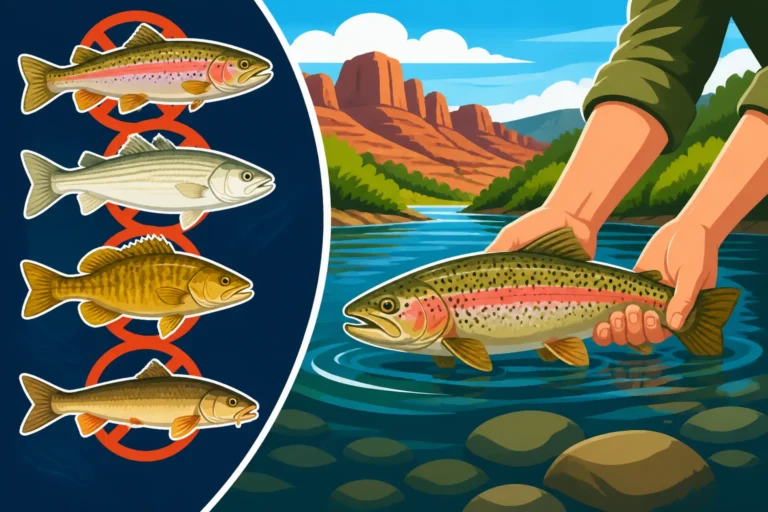
While not native to Utah, rainbow trout (Oncorhynchus mykiss) have become a staple in many of the state's fisheries, including the Logan River. The Utah Division of Wildlife Resources regularly stocks rainbow trout in various sections of the Logan, particularly in areas with easier access, to enhance recreational angling opportunities. These fish are generally more eager to bite than their wild brown trout counterparts, making them an excellent target for beginners or those looking for more consistent action. They are characterized by their iridescent silvery sides with a distinctive reddish-pink stripe running horizontally, fading to a white belly. Rainbows are often found in faster-moving water where oxygen levels are high and insect drift is plentiful. While many stocked rainbows are caught shortly after their release, some survive to grow larger, adapting to the river's wild conditions and providing a thrilling fight for anglers. If you're wondering about the overall trout landscape, our Utah Trout Species Guide offers a broader perspective.
Cutthroat Trout: A Glimpse of the Bonneville Strain
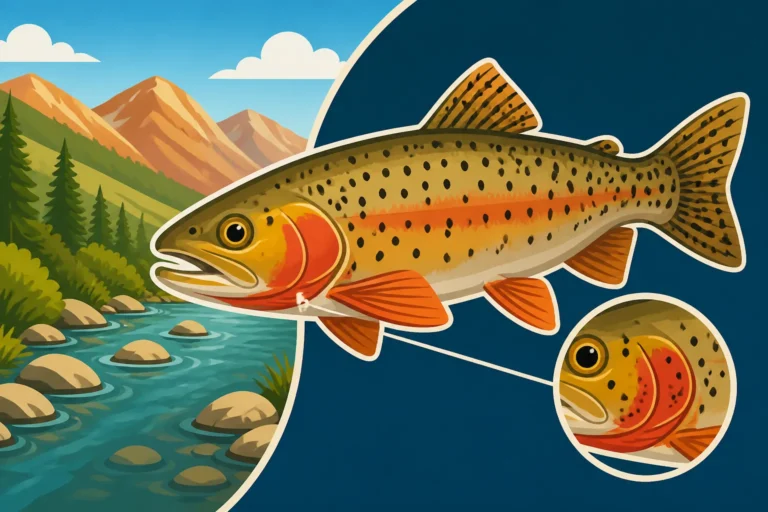
The Logan River is also home to cutthroat trout (Oncorhynchus clarkii), specifically the Bonneville cutthroat trout, which is Utah's state fish and a native species to the Bear River drainage, including the Logan. These beautiful fish are identifiable by the distinctive red or orange "slash" marks under their jaw, which gives them their name. While their populations in the Logan River aren't as dominant as the browns or the stocked rainbows, dedicated anglers can find them, especially in the upper reaches or tributaries. Catching a Bonneville cutthroat is a special experience, connecting you directly to the natural heritage of Utah's waters. They tend to be a bit more finicky than rainbows but perhaps less wary than larger browns, often favoring areas with a mix of riffles and pools. Protecting these native populations is a high priority, and anglers are often encouraged to practice catch-and-release with cutthroat trout to help their numbers thrive. For help distinguishing them, you might want to read Bonneville Cutthroat Trout Identification.
| Fish Species | Primary Habitat | Key Characteristics | Angler Challenge | Notes |
|---|---|---|---|---|
| Brown Trout | Deep pools, cut banks, submerged structure | Golden-brown, red/black spots, elusive, wild | High | Self-sustaining populations, excellent fight. |
| Rainbow Trout | Faster riffles, runs, oxygenated water | Iridescent silver, pink stripe, eager to bite | Moderate | Primarily stocked, good for consistent action. |
| Cutthroat Trout | Upper reaches, tributaries, riffle/pool transitions | Red/orange slash marks, native, somewhat cautious | Moderate | Bonneville strain (native), often recommended for catch-and-release. |
| Mountain Whitefish | Deeper pools, bottom feeders, clear water | Silver-gray, large scales, small mouth | Low | Often caught incidentally, good fighting fish, can be found on Amazon for fishing. |
| Sculpin | Under rocks, bottom dwellers, fast current | Mottled, flattened head, wide mouth, no scales | Incidental | Important forage for larger fish, rarely targeted by anglers. |
Other Notable Fish and Aquatic Life
While trout often steal the spotlight on the Logan River, a healthy river ecosystem relies on a diverse community of aquatic life. Beyond the celebrated game fish, there are several other species that play crucial roles, even if they don't always end up on an angler's hook. These species contribute to the overall health and complexity of the river's food web.
Whitefish and Sculpin: The Unsung Heroes
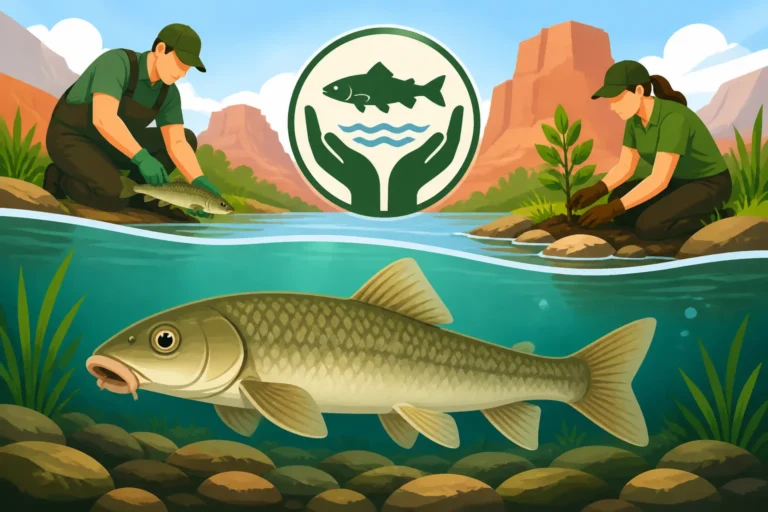
Among the most common non-trout species you'll encounter in the Logan River is the mountain whitefish (Prosopium williamsoni). These often-overlooked fish are native to the Logan and are excellent indicators of cold, clean water. They have a slender, silvery body, large scales, and a small mouth designed for bottom feeding on aquatic insects. Whitefish are strong fighters on a fly rod or light spinning tackle, and while they may not have the same cachet as a trophy trout, many anglers enjoy targeting them. They often school in deeper pools and runs, providing consistent action, especially when trout are less active. They can be found through much of the river's length.
Another fascinating, though rarely targeted, resident of the Logan River is the mottled sculpin (Cottus bairdi). These small, bottom-dwelling fish are masters of camouflage, blending seamlessly with the riverbed's rocks and gravel. With their flattened heads, wide mouths, and mottled brown coloration, they are perfectly adapted to life under rocks in swift currents. Sculpins are incredibly important as a forage fish, providing a protein-rich meal for larger brown trout. While you're unlikely to catch one on a conventional lure, they are a testament to the river's vibrant and healthy aquatic insect life, which they also prey upon. Observing a sculpin darting from rock to rock is a clear sign of a thriving river bottom.
Smaller Fish and Macroinvertebrates: The Food Web Foundation
Beyond whitefish and sculpin, the Logan River supports a variety of other smaller fish species, often minnows or dace, which contribute to the river's biodiversity and act as an essential food source for larger predatory fish and birds. These species, though small, are critical components of the food chain, linking the aquatic insect life to the larger fish we love to catch.
Equally, if not more, important are the macroinvertebrates – the aquatic insects, crustaceans, and other small organisms that form the base of the river's food web. Caddisflies, mayflies, stoneflies, midges, and various aquatic worms are abundant in the Logan River. Their presence and diversity are crucial indicators of water quality and provide the primary food source for trout and whitefish. Fly anglers spend countless hours studying these insects, trying to "match the hatch" with artificial flies available from retailers like Amazon, to imitate what the fish are actively feeding on. A healthy population of these tiny creatures ensures a healthy population of fish. Understanding their life cycles and where they live can dramatically improve an angler's success and appreciation for the river's intricate ecosystem. For those interested in improving their catch, delving into Best Flies for Utah Trout Streams can be incredibly insightful.
Conservation and Responsible Angling on the Logan River
The Logan River is a precious resource, offering spectacular fishing opportunities and a chance to connect with nature. To ensure it remains healthy and productive for generations to come, active conservation efforts and responsible angling practices are absolutely essential. Every angler plays a role in protecting this delicate ecosystem.
Protecting the Logan River's Delicate Balance
Maintaining the ecological balance of the Logan River involves a multi-faceted approach. Water quality is paramount, and efforts to minimize pollution from agricultural runoff, urban development, and other sources are ongoing. The Logan River watershed is actively managed to protect critical riparian habitats – the vegetation along the riverbanks that provides shade, stabilizes soil, and offers shelter for wildlife. These efforts help keep water temperatures cool, crucial for trout survival, and prevent erosion that can silt up spawning beds. Fish habitat improvement projects, such as creating more in-stream structure or restoring natural flow patterns, also contribute significantly to the river's health. Organizations and local agencies frequently work together on these initiatives, and anglers can often find volunteer opportunities to contribute to these vital conservation efforts.
Anglers themselves are often the first to notice changes in the river and can be powerful advocates for its protection. Educating oneself about the river's unique needs and supporting conservation groups are excellent ways to contribute. Utah Aquatic Invasive Species Rules for Anglers is an example of broader regulations designed to protect waters like the Logan.
Regulations and Best Practices for Anglers
To protect the fish populations in the Logan River, the Utah Division of Wildlife Resources (DWR) establishes specific regulations that all anglers must follow. These regulations cover everything from daily bag and possession limits for various species to bait restrictions and special regulations for certain sections of the river. It's crucial to consult the current Utah Fishing Guidebook before heading out, as regulations can change from year to year. Not knowing the rules is never an excuse for breaking them, and violations can lead to significant penalties. A good starting point for understanding these rules is our guide Utah Fishing Regulations Explained.
Beyond adhering to the law, adopting best practices is key to being a responsible angler:
- Catch and Release: Especially for wild brown and cutthroat trout, practicing catch and release helps maintain healthy populations. Learn How to Release a Fish Without Hurting It in Utah to maximize survival rates. Using barbless hooks, minimizing handling time, and keeping fish in the water as much as possible are crucial steps.
- Respect Private Property: Much of the lower Logan River flows through private land. Always be aware of property boundaries and obtain permission before accessing private waters. You can find information on public access points, such as those covered in Logan River Fishing Access, to ensure you're fishing legally.
- Leave No Trace: Pack out everything you pack in, including fishing line, bait containers (many of which are easily found on Amazon), and any other trash. Strive to leave the riverbank cleaner than you found it.
- Wade Responsibly: When wading, move carefully to avoid disturbing fish spawning beds (redds) and damaging aquatic vegetation.
- Check for AIS: Always inspect, clean, drain, and dry your gear, waders, and boats to prevent the spread of aquatic invasive species. Even small details matter.
By understanding the diverse species of the Logan River and committing to responsible angling, we can all contribute to preserving this beautiful and productive fishery for years to come.
Disclaimer
This article is for general informational purposes only and does not constitute professional advice. Laws, prices and regulations vary by location and change over time. Consult a qualified professional for guidance on your specific situation.