What a Grayling Is and Whether They’re Found in Utah
Have you ever seen a picture of a fish with a magnificent, sail-like dorsal fin, vibrant colors, and just thought, "Wow, I wish I could catch something like that here in Utah!" You're probably thinking of a grayling. Many anglers wonder if these beautiful creatures grace our local waters or if they're strictly a far-off, northern species. This guide is here to clear up that mystery, exploring what grayling are and where you might (or might not) find them on your next Utah fishing adventure.
What Exactly is a Grayling, Anyway?
Before we dive into their presence (or absence) in Utah, let's take a moment to appreciate what makes a grayling so special. These fish are true gems of the cold-water world, captivating anglers with their stunning looks and spirited fights. Often, when people picture a pristine wilderness fishing experience, the image of a rising grayling often comes to mind.
The Distinctive Look of a Grayling
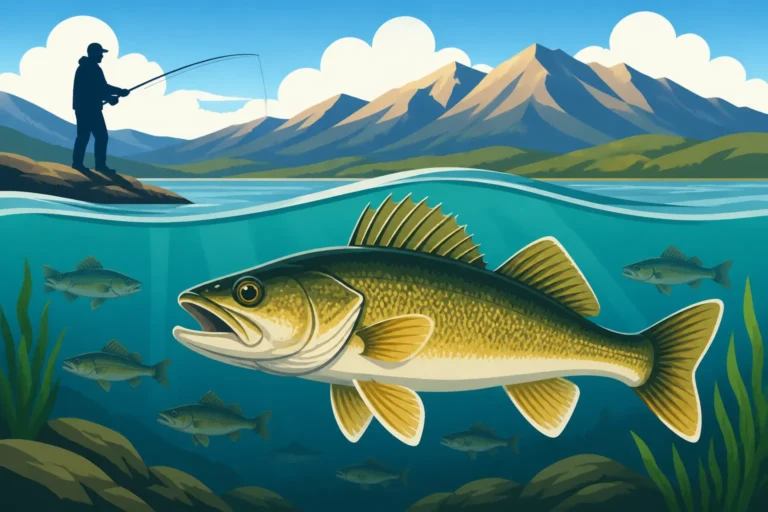
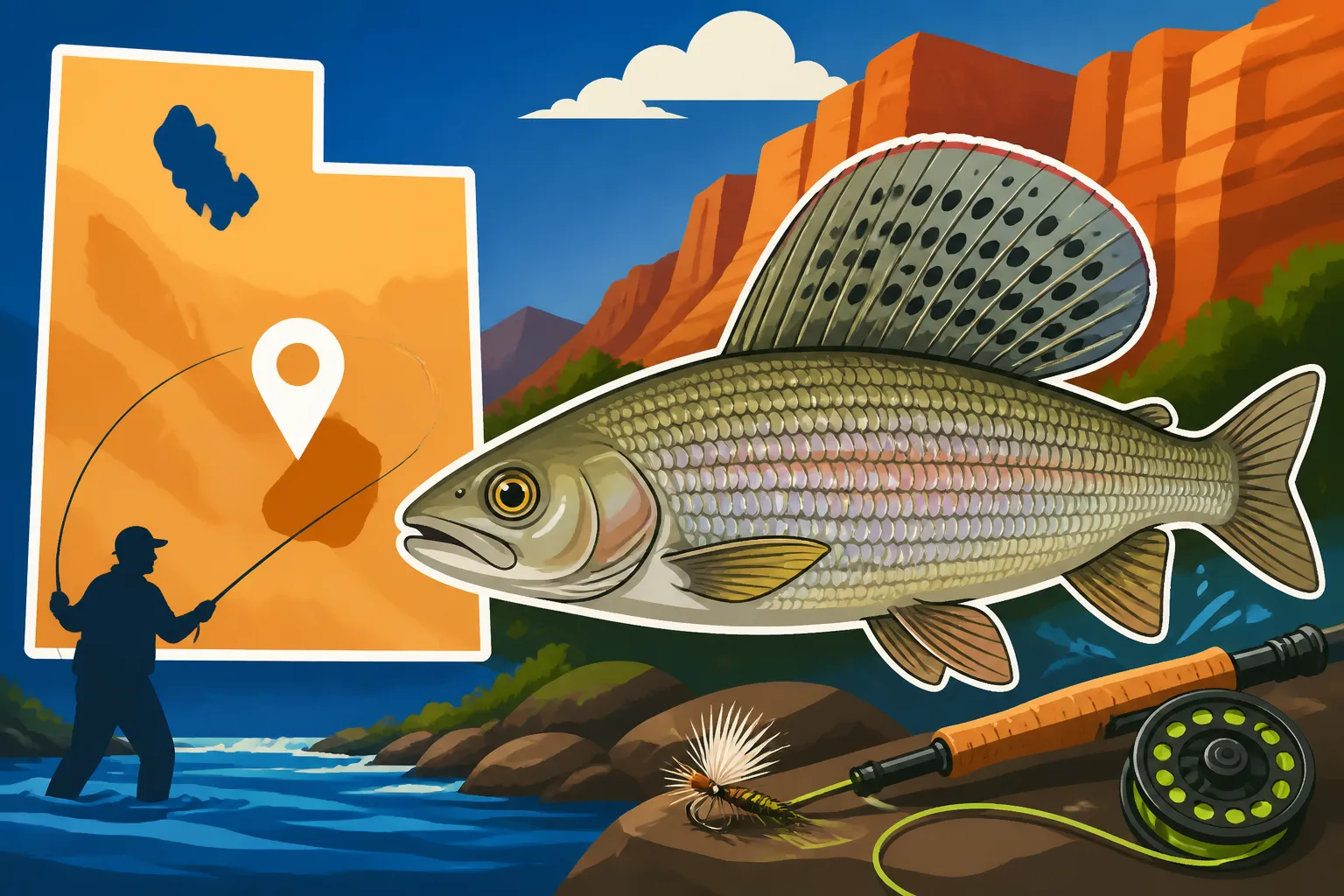
The most striking feature of an Arctic Grayling, which is the species most commonly referred to, is undeniably its enormous, iridescent dorsal fin. This fin is so large and vibrant, often rimmed with crimson and spotted with rows of violet, that it’s earned them the nickname "the sailfish of the north." Imagine a small trout, but with a dorsal fin that looks like it belongs on a much larger, more exotic fish – that's a grayling.
Beyond the iconic dorsal fin, grayling are incredibly beautiful fish. Their bodies are typically slender and torpedo-shaped, adorned with scales that shimmer with various shades of silver, blue, and sometimes even hints of rose. You might notice distinct black spots or markings along their sides, adding to their unique charm. Their heads are usually small, with a somewhat pointed snout, perfectly adapted for their insect-eating diet. It's truly a sight to behold when you pull one from the water, their colors seeming to intensify in the sunlight.
Grayling Habitat and Behavior
Grayling are quintessential cold-water fish, thriving in clear, well-oxygenated lakes and rivers. In their native range, which spans the northern parts of North America, Europe, and Asia, you'll find them in remote, pristine environments – often places that require a bit of a trek to reach. They are particularly sensitive to water quality and temperature, which is one of the reasons their presence can be an indicator of a healthy aquatic ecosystem.
Their diet primarily consists of aquatic insects, especially those that hatch and drift on the surface, making them a favorite among fly fishermen. They are known for their willingness to rise to a dry fly, often with an elegant, unhurried sip that belies their quick burst of energy once hooked. This surface-feeding behavior, combined with their striking appearance, makes catching a grayling an incredibly rewarding experience. They’re not usually the biggest fish you’ll catch, but their beauty and the challenge of fishing for them in remote, scenic locations make them a bucket-list species for many.
Are Grayling Found in Utah? The Straight Answer.
This is the burning question for many Utah anglers, and the answer isn't a simple yes or no. While grayling aren't native to Utah, they have been introduced into certain waters, offering a unique angling opportunity for those in the know. So, while you won't find them in every stream or reservoir, there are specific places where you can indeed cast a line for these magnificent fish.
The Historical Context of Grayling in Utah
To be clear, Arctic Grayling are not indigenous to the Beehive State. Their natural range lies much further north, primarily in Alaska, Canada, and parts of the northern contiguous United States, like Montana and Michigan. However, Utah's wildlife management agencies recognized the appeal of these fish and their ability to thrive in certain high-altitude, cold-water environments. Over the years, efforts have been made to introduce and maintain grayling populations through stocking programs.
These stocking efforts are often aimed at diversifying fishing opportunities and utilizing waters that might not be ideal for other trout species, or simply to add another "trophy" fish for anglers to pursue. It's a testament to the dedication of conservationists to provide a rich and varied fishing experience for residents and visitors alike. So, while they might not be original Utahns, they've certainly made a home in specific pockets of our state. If you're wondering about other species, our Utah Trout Species Guide offers a look at all the different finned friends you might encounter.
Where to Find Grayling in Utah Today
If you're eager to try your hand at catching a grayling in Utah, your best bet will be in certain high-elevation lakes, particularly those found in the Uinta Mountains. These remote, pristine waters mimic the cold, clear conditions that grayling prefer in their native habitats. While specific stocking locations can change, some of the more commonly stocked areas include select lakes within the Uintas. These are often accessible by hiking, adding an element of wilderness adventure to your fishing trip.
It's important to check the latest fishing proclamation from the Utah Division of Wildlife Resources (DWR) for up-to-date information on specific waters where grayling are stocked and any associated regulations. These waters are usually managed as put-and-take fisheries, meaning the DWR stocks them periodically, and anglers are encouraged to harvest them within the specified limits. This management strategy helps ensure sustainable fishing opportunities for this introduced species. For more details on where these unique fish might be found, you can often find information in articles like Are Arctic Grayling Stocked in Any Utah Lake?.
Fishing for Grayling in Utah: Tips and Expectations
So, you've found a promising high-altitude lake stocked with grayling. Now what? Fishing for grayling can be a truly delightful experience, especially given their eagerness to bite and their striking appearance. Success often hinges on understanding their preferences and adapting your techniques to the clear, cold waters they inhabit.
Best Techniques for Utah Grayling
When it comes to techniques, grayling are often considered a fly fisherman's dream. They are enthusiastic surface feeders, making them prime targets for dry flies. Think small, delicate patterns that mimic mayflies, caddisflies, or midges. A light fly rod, perhaps a 3 or 4 weight, with a matching reel and a fine leader, will make the experience even more enjoyable as you feel every subtle tug and spirited run. Presentation is key in these clear waters, so a gentle cast and natural drift will greatly increase your chances. For some excellent advice, check out our Utah Fly Fishing Guide.
That's not to say spin anglers are out of luck! Light spinning tackle can also be very effective. Small spinners or tiny spoons in silver, gold, or even bright colors can entice a strike. Sometimes a small jig, tipped with a bit of bait like a piece of worm or a mealworm, can also do the trick, especially if the fish are holding a bit deeper. When choosing your gear, remember that subtlety often wins the day with grayling. For those venturing into the Uintas, understanding How to Pack Fishing Gear for a Backpacking Trip to Uinta Lakes can make your trip much smoother, ensuring you have the right tackle for these remote spots.
Regulations and Conservation for Grayling
Fishing for grayling in Utah means you'll need to be aware of the specific regulations for the water you're fishing. Because grayling are an introduced species in Utah, their management often differs from native trout. There will almost certainly be daily bag and possession limits, and it's always crucial to verify these before you head out. These details are often updated annually, so consulting the current Utah Fishing Proclamation is non-negotiable. You can find general regulatory information in our Utah Fishing Regulations Explained.
While many grayling populations are managed for harvest, practicing responsible angling, including proper fish handling for any fish you intend to release, is always a good idea. Even if you plan to keep your limit, knowing How to Release a Fish Without Hurting It in Utah is a valuable skill, as sometimes you'll catch a fish outside the legal size or species, or simply decide to let it go. Protecting the delicate balance of these high-altitude ecosystems is paramount, ensuring that the unique experience of fishing for grayling continues for future generations.
Why the Fascination with Grayling?
The grayling, with its distinctive appearance and preference for remote, pristine waters, holds a special place in the hearts of many anglers. It's not just another fish; it represents a connection to wild places and a pursuit that feels a little bit more adventurous.
The Appeal to Anglers
For many, the appeal of the grayling lies in its sheer beauty and the environment it calls home. Catching a fish that looks like a miniature sailfish, in a stunning high-mountain lake, is an experience that sticks with you. They aren't always the largest or the hardest-fighting fish, but their elegance and willingness to take a well-presented fly make them incredibly rewarding. Imagine a quiet morning on a glassy Uinta lake, a perfectly tied dry fly hitting the water, and then that distinctive, slow sip as a grayling takes your offering – it's pure fishing magic.
This unique combination of beauty and habitat also means that pursuing grayling often involves a bit more effort. Reaching those high mountain lakes usually requires a hike, perhaps even an overnight backpacking trip. This adds to the adventure and creates a deeper appreciation for the fish and the unspoiled nature surrounding them. It's a different kind of fishing, one that emphasizes the journey as much as the catch, and it's what draws people to seek out species like the grayling. When planning such a trip, consider bringing along essential fishing accessories you can find on Amazon to make your experience more comfortable and productive.
Connecting to Broader Ecosystems
In their native ranges, grayling play an important ecological role as indicators of healthy, cold-water ecosystems. Their sensitivity to environmental changes means a thriving grayling population often points to clean water, abundant insect life, and minimal human impact. In Utah, where they are an introduced species, their presence in high-altitude lakes also serves a purpose: providing a diverse and exciting angling opportunity in waters that might otherwise be underutilized or could benefit from a different fish species.
They add to the rich tapestry of fish species available to anglers in Utah, alongside native Bonneville cutthroat trout and numerous other stocked species like rainbow and brown trout. Understanding where and why grayling are present, and how to fish for them ethically, contributes to a broader appreciation for aquatic conservation efforts. You can learn more about the other Fish Species Found in Utah's High Uinta Lakes and how they all fit into the ecosystem.
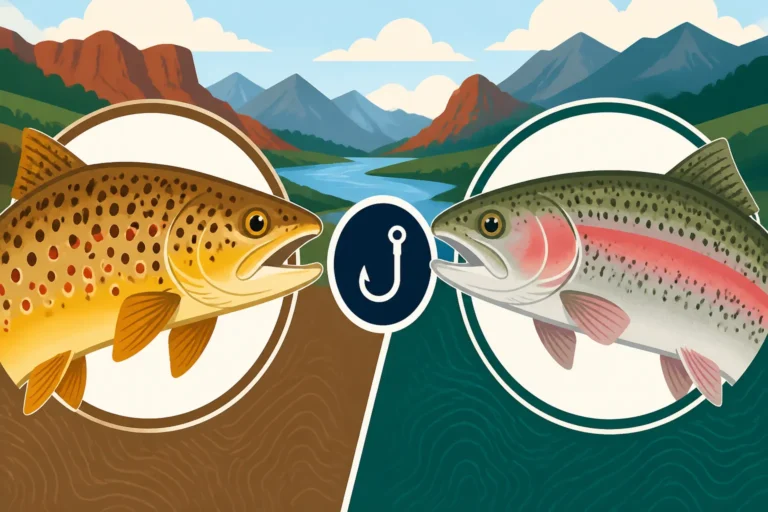
For those curious about the nuances between grayling and our more common Utah trout, here's a quick comparison:
| Feature | Arctic Grayling | Rainbow Trout |
|---|---|---|
| Native to Utah | No (introduced via stocking) | No (introduced, widely stocked) |
| Appearance | Large, sail-like dorsal fin; iridescent scales; small mouth | Pink/red stripe along side; spotted; smaller dorsal fin |
| Typical Size | 8-16 inches (Utah stocked) | 10-20 inches (Utah stocked/wild) |
| Preferred Habitat | Very cold, clear, high-elevation lakes & streams | Cold to cool lakes, rivers, reservoirs |
| Diet | Primarily aquatic and terrestrial insects | Insects, small fish, crustaceans, worms, pellets |
| Fishing Method | Excellent dry fly fish, small spinners | Versatile (bait, lures, flies) |
| Conservation Status | Stable in Utah (stocked); sensitive in native range | Stable, widely available |
Fishing for grayling in Utah offers a unique and memorable experience, especially for those willing to explore our stunning high-mountain wilderness. While they may not be native, their beauty and the challenge of catching them make them a prized addition to our state's diverse fishing opportunities. Always remember to consult the latest DWR regulations to ensure you're fishing responsibly and sustainably. Good luck on your grayling quest!
Disclaimer
This article is for general informational purposes only and does not constitute professional advice. Laws, prices and regulations vary by location and change over time. Consult a qualified professional for guidance on your specific situation.