How to Identify a Carp in Utah Waters
Have you ever been out on a beautiful Utah lake or river, landed a fish, and then paused, rod still bent, wondering exactly what kind of fish you've just caught? It's a common dilemma, especially with species like carp that sometimes get a bad rap or are simply misunderstood. This guide is here to help you confidently identify common carp and their varieties in Utah waters, ensuring you know what's on your line and why that identification matters.
Why Accurate Carp Identification Matters in Utah
Let's be honest, carp often get overlooked or even maligned by some anglers, but knowing what you're looking at when you pull one from the water is more important than you might think. It's not just about bragging rights; it's about understanding our unique aquatic ecosystems and playing by the rules that protect them.
Understanding Their Ecological Role
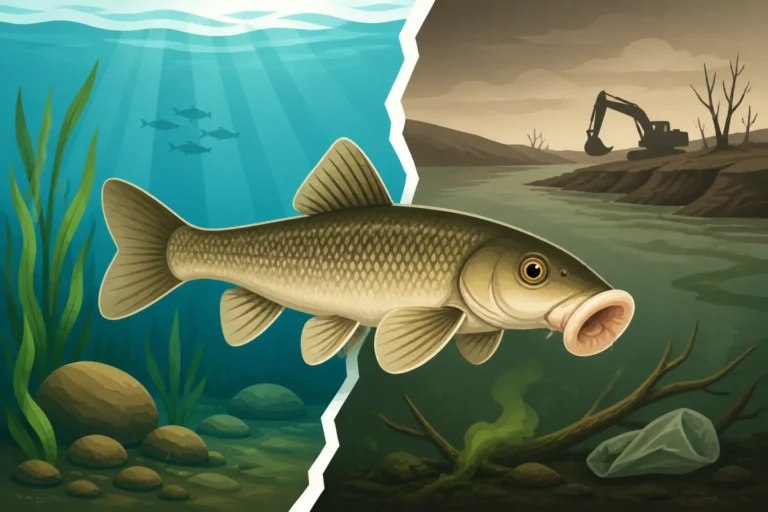
Carp, particularly the common carp, are incredibly widespread in Utah. They thrive in many of our reservoirs and warmer, slower rivers, often stirring up the bottom as they feed. This feeding behavior can have a significant impact on water clarity, kicking up sediment and making the water murky. For many, this is a real frustration, as it can affect fishing for other species or simply make the water less appealing. They're also incredibly adaptable and can outcompete native species for food and habitat. In places like Utah Lake, where the ecosystem is delicate and subject to extensive management, understanding the role of carp, and being able to identify them, helps anglers appreciate the bigger picture of conservation efforts. It's a reminder that every fish in the water has a place, and some require a different approach than others.
Regulatory Differences and Harvest Rules
When it comes to fishing in Utah, rules aren't one-size-fits-all. Different species have different bag limits, possession limits, and sometimes even mandatory harvest rules. For instance, while some invasive species, like northern pike in Utah Lake, have a mandatory kill order to protect other species, carp generally have more relaxed regulations, but it's crucial to know you're dealing with a carp and not a native suckers or another species. Ignorance of the law is never an excuse, and misidentifying a fish could inadvertently lead to a violation. Understanding Utah Fishing Regulations Explained is key, and knowing your carp from other fish is a big part of that. Being able to correctly identify your catch means you can confidently decide whether to keep it, release it, or if you even have to keep it. This awareness becomes even more critical when you consider species like the Why Utah Lake Require You to Kill Every Northern Pike?, where misidentification could lead to ecological harm or legal trouble.
Key Physical Characteristics of Common Carp
Now, let's get down to brass tacks. How do you really tell a common carp apart from everything else swimming in Utah? It comes down to a few distinct features that, once you know them, make identification pretty straightforward.
Body Shape, Color, and Fin Structure
When you first look at a common carp, you'll notice their robust, deep, somewhat thick body. They aren't sleek and streamlined like a trout; they're built for rooting around in the muck. Their body often has a slight arch to the back, giving them a somewhat humpbacked appearance.
Their coloration can vary quite a bit depending on the water they live in, but typically, they'll be a brassy, olive-bronze on their back and sides, fading to a lighter, yellowish-white on their belly. Sometimes, in clearer waters, their scales can even have a golden sheen.
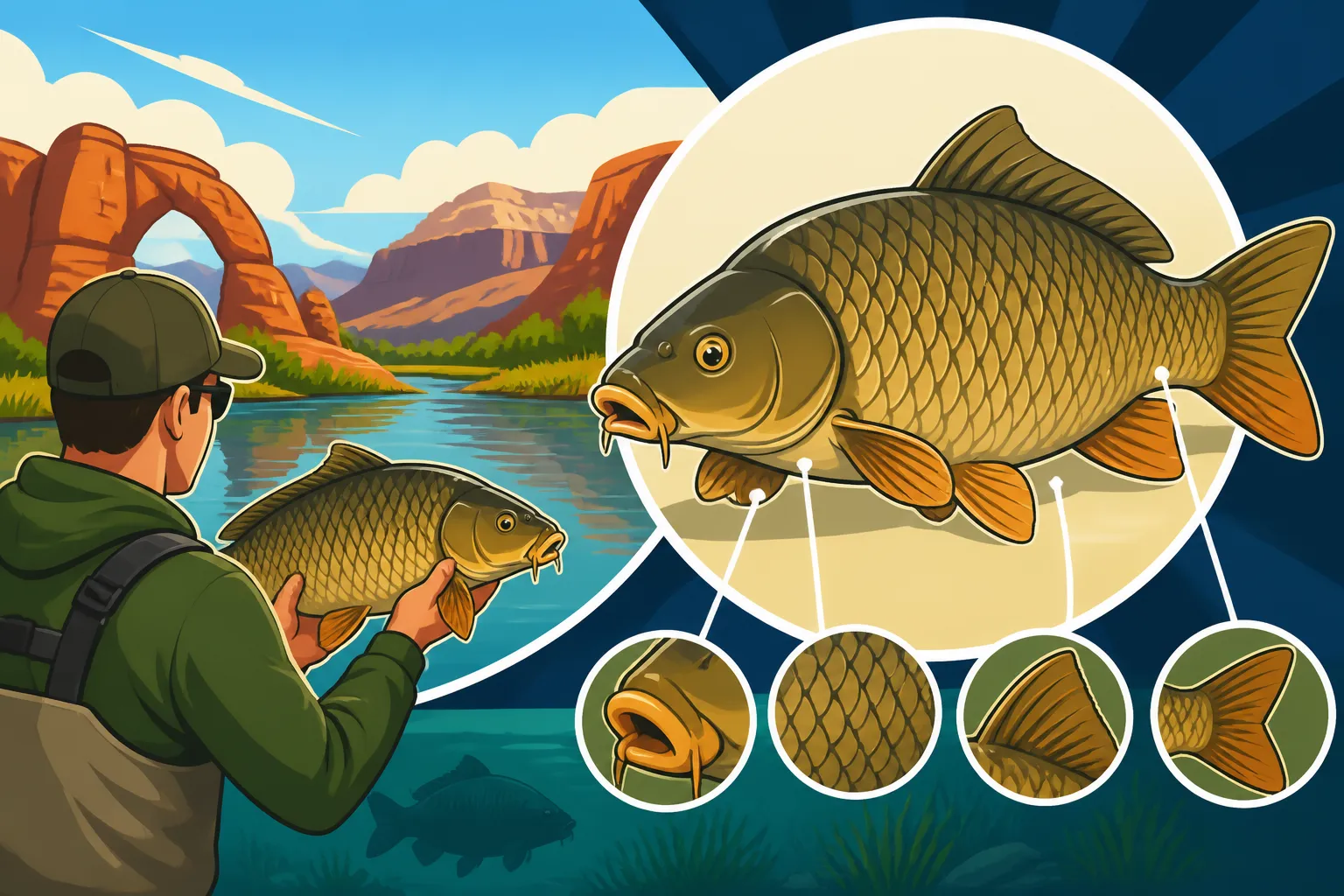
Look closely at their fins. The dorsal fin (the one on their back) is long, extending almost halfway down their body, and it has a noticeable serrated spine at the front. The anal fin (underneath, near the tail) also has a similar sharp, serrated spine. These spines are a major giveaway and unique to carp among many common Utah species. This distinct fin structure is one of the most reliable indicators you're looking at a true carp.
One of the absolute dead giveaways for a common carp is their barbels. These are small, fleshy whiskers, almost like tiny feelers, located around their mouth. A common carp will have four barbels: two shorter ones on the upper lip and two longer ones extending from the corners of their mouth. These barbels are packed with taste buds and help the carp find food in murky water. If your fish has these little "whiskers," you've almost certainly got a carp. You can find some excellent detailed anatomical diagrams of various fish species, including carp, on resources you might find on Amazon, which can be invaluable for cross-referencing these subtle features.
Mouth and Scale Patterns
The mouth of a common carp is another key identifier. It's protrusible, meaning they can extend it outwards to suck up food from the bottom, like a vacuum cleaner. It's subterminal, positioned slightly underneath the snout, rather than at the very front. This mouth shape is perfectly adapted for their bottom-feeding diet, allowing them to sift through mud and debris for insects, worms, and plant matter. Their mouth lacks teeth, but they have specialized pharyngeal teeth in their throat for crushing food.
Their scales are also quite characteristic. Common carp have large, thick, and very distinct scales that are easy to see and feel. They overlap like roof shingles, giving the fish a heavily armored appearance. However, not all carp look exactly the same in terms of scales. There are a few varieties you might encounter:
- Mirror Carp: These are a variety of common carp characterized by large, irregular, often shiny scales that look almost like mirrors, scattered across their body rather than covering it uniformly. You might see large scales along the lateral line and a few others randomly placed.
- Leather Carp: Even more distinct, leather carp have very few to no scales at all, giving them a smooth, leathery appearance. They might have a few tiny, embedded scales, but generally, they look quite naked compared to their scaled cousins.
Here's a quick comparison of these carp varieties:
| Feature | Common Carp | Mirror Carp | Leather Carp |
|---|---|---|---|
| Scales | Large, uniform, fully scaled body | Large, irregular, scattered "mirror" scales | Few to no scales, smooth, leathery skin |
| Body Shape | Robust, deep-bodied, slightly humped back | Similar to common carp | Similar to common carp |
| Barbels | Four distinct barbels | Four distinct barbels | Four distinct barbels |
| Dorsal Fin | Long, with serrated spine | Long, with serrated spine | Long, with serrated spine |
| Mouth | Protrusible, subterminal | Protrusible, subterminal | Protrusible, subterminal |
| Coloration | Brassy, olive-bronze | Varies, often with a golden or bronze sheen | Varies, often darker or duller due to lack of scales |
While these scale patterns are interesting variations, remember that all these types are still common carp at their core, sharing those critical barbel and fin characteristics. This means that Are Common Carp Considered a Nuisance Fish in Utah? generally applies to all these forms.
Distinguishing Carp from Similar-Looking Fish in Utah
Sometimes, especially for newer anglers or in murky water, a carp might be mistaken for another species. It's easy to get confused when a fish puts up a good fight and you're just trying to get it in the net! Let's clear up some of the common mix-ups.
Carp vs. White Suckers and Other Bottom Feeders
This is probably the most common identification challenge. White suckers are also bottom feeders, common in many Utah waters, and can grow to a similar size and have a somewhat similar body shape. They're often found in the same habitats as carp. However, there are two key differences that will tell them apart every single time:
- Barbels: This is your number one differentiator. Common carp have those four distinct barbels around their mouth. White suckers, and other sucker species, do not have barbels. If it has whiskers, it's a carp!
- Mouth Shape: While both are bottom feeders, their mouths are different. A carp's mouth is protrusible and subterminal, meaning it can extend forward. A white sucker's mouth is strictly ventral (on the underside) and typically much more rubbery, forming a suction cup-like disc that is permanently downward-facing, perfect for scraping algae and organisms off rocks. It doesn't extend forward in the same way a carp's does.
- Dorsal Fin: Remember the long dorsal fin on the carp with its serrated spine? Suckers have a much shorter dorsal fin, typically without a spine.
By checking for barbels and looking at the mouth and dorsal fin, you'll easily distinguish a carp from a sucker. It's a skill that comes with practice, but focusing on these traits will make you a pro in no time. If you're looking for gear that might help you see these features more clearly, especially when fishing from shore, a decent pair of polarized sunglasses available on Amazon can cut through glare on the water, making it easier to spot fish and identify features as you bring them in.
Carp vs. Largemouth Bass (Juvenile Confusion)
This might sound strange, as adult largemouth bass look quite different from carp. However, very young carp can sometimes be confused with juvenile largemouth bass, especially by someone who isn't intimately familiar with both species. When they are small, some of the defining characteristics of an adult carp might not be as pronounced, and both can inhabit similar weedy, shallow areas.
Here's how to tell them apart:
- Mouth Size and Shape: Even as juveniles, a largemouth bass will have a much larger mouth that extends back past the eye, and it's positioned terminally (at the front of the head). A carp, even a young one, will have that smaller, protrusible, subterminal mouth.
- Barbels: Again, the carp's barbels are your best friend here. Largemouth bass absolutely do not have barbels.
- Body Shape: While both can appear somewhat robust, a young bass will have a more elongated, predatory body shape. Young carp are generally deeper-bodied.
- Dorsal Fins: Largemouth bass have two distinct dorsal fins, one spiny and one soft-rayed, that are often connected. Carp have that single, long dorsal fin with the prominent spine.
So, while it might seem like an unlikely mix-up for seasoned anglers, it’s a good reminder to look closely at all the features. Understanding Largemouth vs Smallmouth Bass Differences can help you solidify your knowledge of bass identification, further preventing any carp confusion.
Where You'll Encounter Carp in Utah Waters
Carp are incredibly resilient and adaptable, which is why you'll find them in a wide variety of Utah's aquatic environments. Knowing their preferred hangouts can also help with identification – if you're fishing in classic carp habitat, your chances of hooking one are much higher.
Common Carp Habitats and Behaviors
Common carp are truly cosmopolitan, thriving in waters that might be too warm, too shallow, or too turbid for many other species. They love slow-moving rivers, canals, ponds, and the shallow, warmer bays of larger reservoirs. They are particularly abundant in waters with silty or muddy bottoms, where they can root around for their food. This bottom-feeding behavior often churns up sediment, which contributes to the murky conditions often found in carp-dominated waters.
You'll regularly find vast populations of carp in prominent Utah fisheries such as Utah Lake Fishing Guide, where they are arguably the most numerous large fish species. They are also common residents of Willard Bay Fishing Access, particularly in its warmer, shallower sections. Many of our urban community ponds and slower sections of rivers like the Bear River also hold healthy numbers of carp. They're not picky! They'll often be found near weed beds, submerged structures, or anywhere there's a good source of food on the bottom.
When you're fishing, you might spot carp "tailing" in shallow water, with their tails or dorsal fins breaking the surface as they feed head-down on the bottom. Sometimes, especially on warm, calm mornings or evenings, you'll see them "rolling" or jumping, making a loud splash that can surprise you. This behavior is often a sign of healthy fish looking for food or just enjoying the warmer surface waters.
Seasonal Changes and Spawning Behavior
Carp activity definitely shifts with the seasons. During the colder winter months, their metabolism slows down, and they become much less active, often congregating in deeper holes or slack-water areas. They're still catchable, particularly for patient anglers, but they won't be as actively feeding.
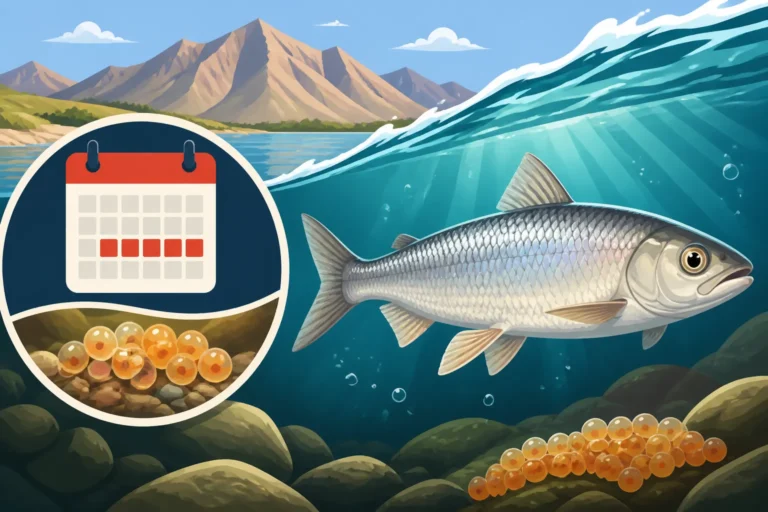
Spring and early summer are when carp really become active, especially as water temperatures rise. This is also their primary spawning season. During this time, you'll often see large numbers of carp gathered in very shallow, weedy areas. They become quite agitated, splashing and thrashing as they engage in their spawning ritual. It's a fascinating, if sometimes noisy, sight to behold! Identifying this behavior is another way to confirm their presence in an area. After spawning, they'll continue to feed actively throughout the summer, before slowing down again as autumn progresses and temperatures drop. If you're ever looking for more in-depth guides on the behavior of various species and how to fish for them throughout the seasons, a good fishing almanac or regional guide, easily found on Amazon, can offer immense value.
For anglers, understanding carp identification and their habits means you're better equipped to enjoy Utah's diverse fishing opportunities, whether you're targeting carp specifically or simply identifying what you've hooked. Remember, some species like carp are generally considered Fish Species Considered Invasive in Utah Waters, and while there might not be a mandatory kill, managing their populations is part of maintaining healthy ecosystems for all.
Disclaimer
This article is for general informational purposes only and does not constitute professional advice. Laws, prices and regulations vary by location and change over time. Consult a qualified professional for guidance on your specific situation.