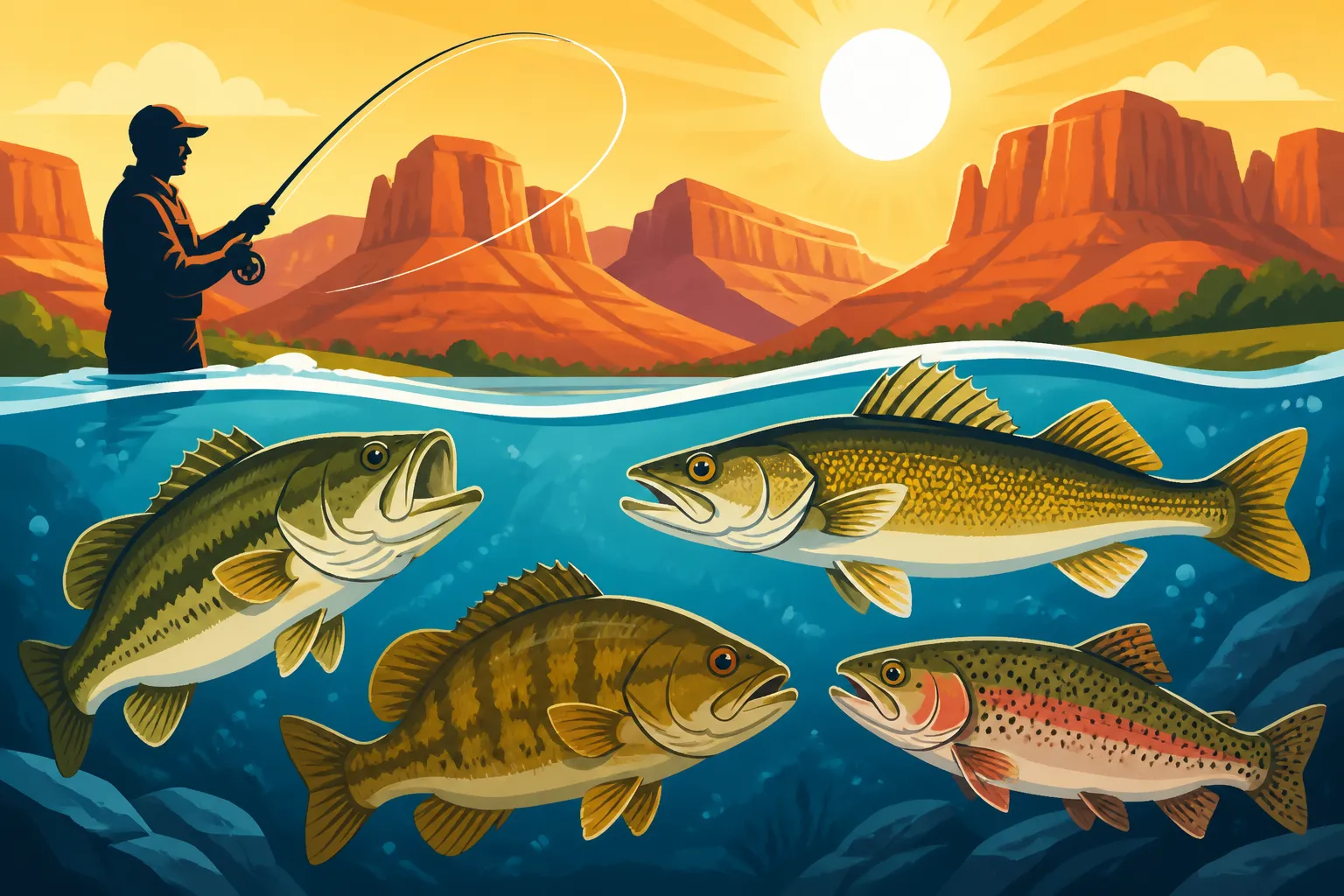
Fish Species That Bite Best in Warm Water
One of the biggest frustrations for anglers in Utah, especially as the scorching summer sun beats down, is seeing their favorite cold-water fish like trout become sluggish and uninterested. It feels like the fishing just shuts off! But here’s the secret: while some species are definitely hunkering down in the cool depths, others are just getting warmed up and ready to feed. This guide will help you understand which fish species bite best in Utah's warm waters and how to successfully target them when the temperatures climb.
Understanding Warm Water Fishing Dynamics in Utah
When the water in Utah's reservoirs and lower-elevation rivers starts to heat up, typically from late spring through late summer, it triggers a significant shift in fish behavior. What might seem like tough conditions for one type of fish is actually prime time for others. Understanding these dynamics is key to staying productive on the water year-round.
Defining "Warm Water" in Utah's Fisheries
In Utah, "warm water" generally refers to surface temperatures above 65-70 degrees Fahrenheit, and sometimes even higher. This isn't just about how hot the air feels; it's about the water itself absorbing that heat. Larger, shallower reservoirs and slow-moving rivers tend to warm up much faster and stay warm longer than deep, high-mountain lakes or spring-fed streams.
When water warms, a few things happen. First, the oxygen content can decrease, especially in the deeper layers. This forces some fish, particularly trout, to seek out cooler, more oxygenated water, often in spring-fed areas, deeper thermoclines, or near dam outflows. Second, the metabolism of warm-water species increases. They become more active, digest food faster, and need to eat more frequently. This change in environment dictates where you'll find them and what they'll be willing to chase. It's a completely different game than chasing trout in a cold mountain stream, requiring a mental shift in your approach.
Why Some Fish Thrive in the Heat
Not all fish are built the same, and that's a good thing for summer anglers! Species like bass, catfish, walleye, striped bass, wiper, and many panfish have evolved to thrive in warmer conditions. Their physiology allows them to not only tolerate but often prefer higher water temperatures.
For instance, bass become highly active and aggressive in warm water. Their digestive systems work efficiently, making them constantly on the prowl for food. Catfish, known bottom-dwellers, also become much more active, their excellent sense of smell guiding them to food in murky, warm environments. These fish aren't just surviving; they're actively feeding, spawning, and growing, presenting fantastic opportunities for anglers willing to adapt. It's about aligning your efforts with the fish that are truly happy in the prevailing conditions, rather than fighting against nature.
Top Warm-Water Fish Species to Target
When the mercury climbs in Utah, you don't have to put your rods away. Instead, it's time to shift your focus to the finned residents that truly come alive in the heat. These species offer exciting action and often, a delicious reward.
Largemouth and Smallmouth Bass
These hard-fighting fish are arguably the most popular warm-water targets in Utah. They become incredibly aggressive as water temperatures rise, making for explosive topwater bites and powerful battles.
- Largemouth Bass: You'll typically find largemouth in weed-choked coves, around submerged timber, and near other heavy cover in reservoirs like Utah Lake, Deer Creek Reservoir, and Mantua Reservoir. They love ambush points where they can dart out and snatch unsuspecting prey. Early mornings and late evenings are prime times, but they'll often feed throughout the day if there's good cover or cloud cover. Their preferred meals include anything from crawfish to smaller baitfish, and they're not shy about hitting a big, juicy worm or a frog imitation. For more detailed strategies, check out our guide on Utah Bass Fishing Techniques.
- Smallmouth Bass: Smallmouth prefer clearer water and rocky structures, making them abundant in Flaming Gorge Reservoir, Deer Creek Reservoir, and Lake Powell. They're often found along rocky points, steep drop-offs, and around submerged ledges. Smallmouth are known for their acrobatic jumps and strong pulls. They're particularly fond of crawfish imitations, tube jigs, and crankbaits. Fishing around rocky shorelines and submerged islands is often a recipe for success. Don't forget to consult our comprehensive Utah Smallmouth Bass Guide for more tips.
Catfish
Utah's channel catfish are fantastic warm-water targets, known for their powerful fights and delicious fillets. They are highly active during the warmest months and often feed most aggressively at night.
You'll find channel catfish in abundance in Utah Lake, Willard Bay Reservoir, and many of the slower-moving sections of larger rivers. They are bottom feeders with an incredible sense of smell, which means smelly baits are often the ticket to success. Cut bait, worms, chicken livers, and specialized stink baits are all highly effective. Fishing them from shore in the evenings or through the night can be incredibly productive. Just rig your bait on the bottom with a sinker and a good stout hook, and be prepared for a strong fight. To find the best places, explore Utah Lake Catfish Fishing Spots.
Walleye
While sometimes challenging to catch, walleye offer an exciting pursuit for anglers looking for a prized table fish that thrives in warmer waters. They are often most active during low-light conditions.
Walleye are prevalent in Utah Lake and Willard Bay Reservoir. They have excellent eyesight and often prefer to feed in dimmer light, making dawn, dusk, and night fishing prime times. During the day, they'll often hold in deeper water or shaded areas, moving shallower to feed when light levels are low. Trolling with crankbaits, jigging with swimbaits, or slip-bobber fishing with live minnows (where legal) are popular and effective methods. Utah Walleye Fishing Guide offers deeper insights into targeting these elusive fish.
Striped Bass and Wiper
These aggressive, hard-hitting hybrids and ocean-run relatives offer some of the most exciting warm-water action in Utah.
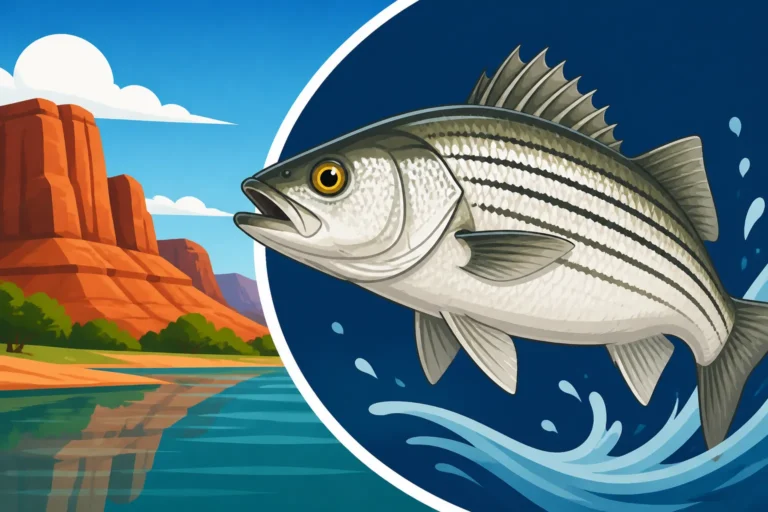
- Striped Bass: Exclusively found in Lake Powell, striped bass are phenomenal warm-water fighters. They are voracious predators that will chase down schools of shad, often creating exciting "boils" on the surface where they attack baitfish. Trolling, casting spoons or swimbaits, and bait fishing with cut anchovies are all effective. The sheer size and fighting power of Lake Powell stripers make them a bucket-list fish. Our guide, Utah Striped Bass Guide, provides all the details you need to tackle these giants.
- Wiper: A hybrid cross between a white bass and a striped bass, wipers are found in Willard Bay Reservoir. They combine the aggressive nature of both parents, providing incredible angling action. Wipers also key in on baitfish schools and can be caught by casting spoons, swimbaits, or by trolling. Their powerful runs and strong fighting capabilities make them a blast to catch.
Panfish (Bluegill, Perch, Crappie)
For a more relaxed day on the water, or when fishing with kids, panfish are an excellent warm-water choice. They are abundant, eager biters, and a lot of fun for anglers of all ages.
Bluegill, yellow perch, and crappie thrive in many of Utah's warmer reservoirs and community ponds. They are often found around submerged brush, docks, and weed beds. Small hooks, light line, and simple baits like worms, crickets, or small pieces of PowerBait are usually all it takes. They are fantastic for introducing new anglers to the sport because the action can be nearly constant. Many urban ponds are regularly stocked and provide easy access. For tips on where to find these eager biters, check out Bluegill and Sunfish in Utah Ponds or Best Fishing Spots for Kids in Utah.
Effective Strategies for Warm-Water Angling
Catching warm-water species isn't just about knowing what to target, but how to target them effectively when the heat is on. It requires a slightly different approach than cold-water fishing, focusing on different gear, baits, and timing.
Gear and Bait Considerations
Your tackle setup can make a big difference in warm-water fishing success. Since many of these fish are strong fighters and often found around heavy cover, slightly heavier gear is often beneficial.
For bass, a medium-heavy to heavy action spinning or baitcasting rod with 10-20 lb test fluorocarbon or braided line is ideal. This allows you to muscle fish out of cover and handle larger lures. For catfish, a medium-heavy to heavy action rod with 15-30 lb mono or braid is perfect for casting heavier baits and resisting their powerful runs. For walleye, a sensitive medium-light to medium action rod is better for detecting subtle bites, often paired with 6-10 lb test line. For wipers and stripers, you'll want sturdy medium-heavy tackle, similar to bass gear, capable of handling powerful, fast-swimming fish.
When it comes to bait and lures, variety is your friend.
- Bass: Topwater lures (frogs, poppers), soft plastic worms (Texas-rigged or Carolina-rigged), spinnerbaits, crankbaits, and jigs are all staples. You can find a huge array of these on Amazon, often with reviews that guide you toward popular local patterns and colors.
- Catfish: The stinkier, the better! Cut bait (like dead shad or carp), chicken livers, nightcrawlers, and commercially prepared stink baits are irresistible.
- Walleye: Live minnows (where legal), jigging spoons, swimbaits, and deep-diving crankbaits are go-to choices.
- Stripers/Wipers: Spoons, bucktail jigs, large swimbaits, and cut bait are very effective.
- Panfish: Small worms, crickets, mealworms, corn, or small jigs work wonders.
Always ensure your hooks are sharp and your knots are strong. Utah Fishing Gear Guide provides an excellent overview of essential tackle, and for specific bass lures, check out Best Lures for Utah Smallmouth Bass.
Best Times and Locations
Warm-water fish are often more active during certain times of the day and gravitate towards specific types of cover or structure.
- Time of Day: The "golden hours" of dawn and dusk are often the most productive for many warm-water species, especially bass and walleye, as the sun is less intense and light levels are lower. Night fishing is incredibly effective for catfish and can also be great for walleye and striped bass, as they use their other senses to hunt in the dark. During the hottest part of the day, fish will seek shade or deeper, cooler water. Planning your outing for cooler parts of the day can significantly increase your success. For more on this, see Best Time of Day to Fish in Summer Heat in Utah.
- Locations:
- Structure is Key: Look for areas with submerged timber, rock piles, ledges, old roadbeds, and brush piles. These provide ambush points and shelter.
- Weed Beds: Healthy weed beds offer cover, food, and slightly cooler water, making them prime spots for largemouth bass and panfish.
- Shade: Overhanging trees, cliffs, or even bridge pilings cast shadows that fish will congregate under to escape direct sunlight.
- Inlets/Outflows: Areas where cooler water flows into a warmer body of water can concentrate fish.
- Deep Water: During the midday heat, many fish will retreat to deeper channels or basins where the water is cooler and more stable.
Techniques to Try
Different species and conditions call for different techniques. Having a few in your arsenal will make you a more versatile warm-water angler.
- Topwater Fishing: For bass, there's nothing more exciting than a topwater bite. Early mornings and late evenings are prime for poppers, walking baits, and frog imitations over weed beds or around structure.
- Bottom Rigging: This is a classic for catfish. Use a slip sinker rig with a hook on the bottom, allowing the fish to take the bait without feeling immediate resistance. Great for fishing from shore or anchored boats.
- Jigging: Vertical jigging with spoons or soft plastic swimbaits is effective for walleye, wipers, and sometimes even deep-holding bass. Experiment with different depths and retrieve speeds.
- Trolling: For covering large expanses of water and targeting walleye, wipers, or striped bass in open water, trolling with crankbaits or spoons is a proven method. Downriggers might be necessary to reach deeper fish, especially for stripers at Lake Powell. For dedicated Lake Powell striper strategies, read How to Fish for Striped Bass at Lake Powell.
- Casting Soft Plastics: Texas rigs or Carolina rigs with plastic worms and creature baits are incredibly effective for probing brush, rock piles, and submerged timber for bass. The weedless nature of these rigs helps prevent snags.
Staying Safe and Successful in Summer Heat
Warm-water fishing in Utah often means fishing in warm weather, and that comes with its own set of challenges for both the angler and the fish. Prioritizing safety and proper fish handling is crucial.
Hydration and Sun Protection
It's easy to get caught up in the excitement of fishing and forget to take care of yourself, but the Utah sun is no joke. Dehydration and sunburn can quickly ruin a trip or, worse, lead to serious health issues.
Always bring plenty of water, and drink it frequently, even if you don't feel thirsty. Electrolyte drinks can also be beneficial. Wear lightweight, light-colored clothing that covers as much skin as possible. Long-sleeved shirts with UPF protection, wide-brimmed hats, and polarized sunglasses are essential. Sunscreen should be applied generously and reapplied throughout the day. Consider fishing from areas with natural shade, or bring a portable umbrella or canopy if you're fishing from shore or a stationary boat. Your comfort directly impacts your enjoyment and ability to focus on fishing.
Fish Care in Warm Water
When water temperatures are high, fish are under more stress, making proper handling even more critical, especially if you plan to release them.
- Minimize Handling: Try to land fish quickly and handle them as little as possible. If you must hold a fish, support its body horizontally and avoid squeezing it. Keep your hands wet to protect its slime coat.
- Quick Release: For catch-and-release, have your tools ready (pliers, hook removers) to unhook the fish efficiently. Get it back into the water as quickly as possible.
- Revival: If a fish seems sluggish, hold it gently in the water, facing into a current or moving it slowly back and forth to force water over its gills until it regains strength and swims away on its own.
- Keep What You'll Eat: If you intend to keep fish for the table, bring a cooler with plenty of ice. Getting the fish on ice quickly will preserve its quality. A good cooler is an absolute must-have in warm weather. For advice on post-catch care, check out How to Store Fish on a Hot Day in Utah. Avoid keeping fish alive in a warm livewell for extended periods unless it's adequately aerated and circulated with fresh, cooler water, as warm, stagnant water can quickly stress them.
Remember, every species has its season, and when the trout are lazy, the bass, catfish, and walleye are often ready to play. Adapt your mindset, adjust your tactics, and you'll find that Utah's warm waters offer some truly unforgettable fishing experiences.
| Fish Species | Preferred Warm Water Habitat | Effective Baits/Lures | Peak Activity Times |
|---|---|---|---|
| Largemouth Bass | Weed beds, submerged timber, heavy cover, shady areas | Soft plastics (worms, frogs), crankbaits, jigs | Dawn, Dusk, Night |
| Smallmouth Bass | Rocky points, ledges, clear water, submerged islands | Tube jigs, crawfish imitations, jerkbaits | Dawn, Dusk, Overcast |
| Channel Catfish | Muddy bottoms, deep channels, slow river sections | Stink baits, cut bait, chicken liver, worms | Night, Dusk, Overcast |
| Walleye | Deep structure, rocky drop-offs, low light conditions | Live minnows, jigging spoons, deep crankbaits | Night, Dawn, Dusk |
| Striped Bass (Powell) | Open water, shad boils, main channel, canyon walls | Spoons, swimbaits, cut bait, topwater | Boils, Dawn, Dusk, Night |
| Wiper (Willard Bay) | Open water, baitfish schools, points, channels | Spoons, swimbaits, crankbaits, jigs | Dawn, Dusk, Overcast |
| Bluegill/Perch/Crappie | Docks, brush piles, weed edges, submerged structure | Worms, crickets, small jigs, corn | Throughout Day, Dawn, Dusk |
Disclaimer
This article is for general informational purposes only and does not constitute professional advice. Laws, prices and regulations vary by location and change over time. Consult a qualified professional for guidance on your specific situation.