Are Common Carp Considered a Nuisance Fish in Utah?
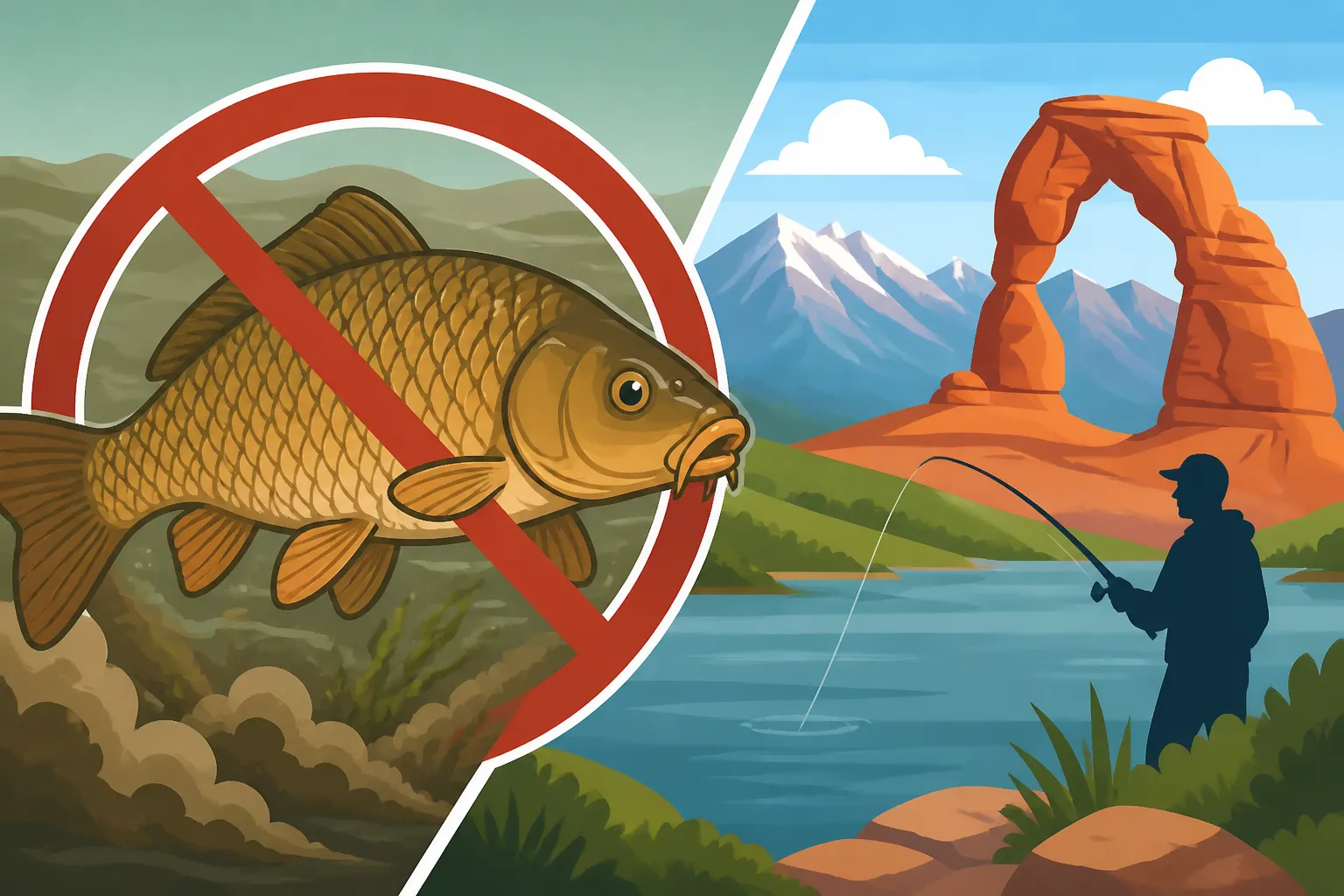
For many anglers in Utah, the sight of a large common carp can evoke a mix of reactions – from a sigh of resignation over a perceived "trash fish" taking up space to a genuine thrill for those who appreciate their fighting spirit. It's a common struggle to understand where these fish fit into our unique aquatic ecosystems and whether they're truly a detriment to our fishing experiences. This guide will dive deep into the status of common carp in Utah, exploring why they're often considered a nuisance, their ecological impact, and how anglers can view and interact with them responsibly.
What Exactly Defines a "Nuisance Fish" in Utah?
When we talk about a "nuisance fish," it's not just a casual insult hurled at a species we don't prefer to catch. In a scientific and management context, it carries specific implications related to the health of an ecosystem and the goals of fisheries management. Understanding this distinction is key to comprehending the carp's role in Utah.
The Ecological Definition of a Nuisance
Ecologically speaking, a nuisance species, often interchangeable with an invasive or non-native species, is one that has been introduced to an environment where it doesn't naturally occur and subsequently causes harm. This harm can manifest in various ways: outcompeting native species for food or habitat, disrupting natural food webs, degrading water quality, or even introducing diseases. Common carp certainly tick many of these boxes in Utah's waters. They are notorious bottom-feeders, stirring up sediment as they forage, which can lead to murkier water, reduced light penetration for aquatic plants, and sometimes even the destruction of spawning beds for desirable native fish. This disturbance can have a cascading effect, altering the entire aquatic community. It's a complex web, and an organism like the carp can unravel a lot of the delicate balance.
Regulatory Classification and Impact on Anglers
From a regulatory standpoint, the Utah Division of Wildlife Resources (DWR) often classifies fish species based on their origin and impact. While not explicitly labeled as "nuisance" in every single regulation, common carp are generally treated as an undesirable non-native species in many Utah waters. This classification is reflected in the lack of stringent bag or possession limits in most areas, and in some cases, even encouragement for anglers to remove them. This contrasts sharply with the detailed Utah Trout Daily Limit Explained or Utah Walleye Daily Limit that govern more sought-after species. For anglers, this means a certain freedom: if you catch a carp, you don't typically have to worry about whether you're over the limit; the question usually becomes what to do with it. The regulatory stance stems from the ecological issues mentioned, aiming to mitigate their impact on more desirable sportfish and the overall health of the ecosystem.
The Story of Common Carp in Utah Waters
To understand why carp are such a fixture (and often a frustration) in many of our waters, it helps to know a little about their history here. They weren't always part of the landscape.
How Carp Arrived and Thrived Here
Common carp (Cyprinus carpio) are not native to North America, let alone Utah. Their introduction dates back to the late 19th century when they were imported from Europe and Asia, initially seen as a valuable food fish and a potential aquaculture species. They were intentionally stocked in waters across the United States, including Utah, for these purposes. Unfortunately, their incredible adaptability, rapid growth rate, and prolific breeding capacity allowed them to quickly establish themselves and spread far beyond their intended confines. They can tolerate a wide range of water conditions, from clear mountain lakes to silty desert reservoirs, and can survive in waters with low oxygen levels that would kill many other fish. This resilience, combined with a lack of natural predators in many Utah environments, allowed them to flourish, often at the expense of native species. You can find them almost anywhere, from big waters like Utah Lake to smaller ponds.
Their Impact on Native Fish Species and Habitat
The carp's success story is often a sad tale for native fish. Their bottom-feeding behavior, which involves rooting around in the substrate, releases nutrients and sediments into the water column. This process, called bioturbation, can drastically increase turbidity, making it harder for sight-feeding fish to hunt and for aquatic vegetation to photosynthesize. Native fish that rely on clear water and specific aquatic plants for spawning or cover, such as Bonneville Cutthroat Trout Identification or various minnow species, suffer significantly.
Furthermore, carp compete directly with native fish for food resources. While they are omnivores and will eat a variety of things, their sheer numbers can deplete insect larvae, crustaceans, and other invertebrates that form the base of the food chain for many native species. This competition can hinder the growth and survival of other fish, creating an imbalance. Their presence can also stress the ecosystem by making it more susceptible to other issues. For example, in Utah Lake Fishing Guide, carp are a dominant species, and their activity contributes to the challenges of managing that unique ecosystem, alongside species like the endangered June Sucker.
Why Anglers Often View Carp as a Nuisance (and How Some Don't!)
It's fair to say that carp elicit strong opinions among Utah anglers. For many, they're synonymous with a less-than-ideal fishing experience, while for a growing niche, they represent a thrilling challenge.
The Frustrations of Fishing Carp-Infested Waters
For the casual angler hoping to catch trout, bass, or walleye, hooking into a carp can be genuinely frustrating. Imagine you're spending a peaceful afternoon at your favorite local pond, meticulously rigging your setup for a rainbow trout, and then your bobber dips, you set the hook, and it turns out to be a hefty carp. While they fight hard, they aren't often the target species. They can take up valuable time and bait that could have been used for more desired game fish. This leads to a perception that they "ruin" fishing spots or prevent the growth of other fish.
Another common complaint stems from their size and sheer numbers. They can grow quite large, and in some waters, they are so abundant that it feels impossible to fish without encountering them. This can be particularly disheartening for beginners or children trying to learn to fish, who might struggle to land a large carp or feel discouraged by repeatedly catching a species they aren't interested in. For those hoping for a meal, carp are also not typically considered a prime table fish by most, further adding to the "nuisance" label. You can find gear that helps with general fishing on sites like Amazon, but even the best tackle won't guarantee you won't hook into a carp in some waters.
Unexpected Opportunities for Carp Anglers
However, not everyone views carp as a nuisance. There's a dedicated and growing community of carp anglers in Utah and beyond who actively target these powerful fish. For them, the common carp is a trophy, a formidable opponent that demands skill, patience, and specialized techniques. Carp are incredibly strong fighters, known for their long, sustained runs that can test the drag on any reel. Catching a large carp on light tackle is an exhilarating experience that many sport anglers actively pursue.
Specialized carp fishing gear, often found on platforms like Amazon, includes specific baits (like boilies or corn), powerful rods, and bite alarms, turning the pursuit into a precise and rewarding challenge. Furthermore, carp are accessible. They can be found in many urban ponds and easily reached shorelines, offering a great fishing opportunity when other species might be harder to find or require more specialized access. For some, they're also a sustainable food source, particularly when prepared correctly, though this varies greatly by cultural preference and water quality. This duality in perception highlights how "nuisance" is often in the eye of the beholder, or perhaps, in the objective of the angler.
Let's look at some common angler perspectives on carp:
| Perspective Group | Primary View of Carp | Reason for View | Typical Angling Approach |
|---|---|---|---|
| Game Fish Enthusiasts | Nuisance, competition for sport fish | Disrupt habitat, outcompete trout/bass/walleye, not a desired catch | Avoids them, might remove if caught |
| Beginner/Casual Angler | Often a nuisance, difficult to land, not preferred | Takes bait intended for smaller fish, powerful fight can be overwhelming | Frustrated by frequent catches, releases them |
| Dedicated Carp Anglers | Challenging sport fish, powerful fighter | Strong fight, require specialized techniques, accessible in many waters | Actively targets them, often practices catch-and-release |
| Conservation-Minded Angler | Invasive, ecologically damaging | Sediment disturbance, habitat degradation, threat to native species | Supports removal efforts, follows DWR guidelines |
Managing Carp Populations and Angler Responsibilities
Given their pervasive presence and ecological impact, managing common carp populations is an ongoing effort in Utah. Anglers play a crucial role in these strategies.
Official Management Strategies
The Utah Division of Wildlife Resources (DWR) employs various strategies to manage common carp, particularly in waters where they threaten native species or sport fisheries. These strategies can include large-scale removal projects, sometimes involving commercial netting operations, particularly in larger bodies of water like Utah Lake where carp populations are robust. These efforts are often aimed at improving water quality and habitat for native species or increasing the success of stocked game fish. In some areas, special regulations might encourage the harvest of carp, contrasting with strict limits on other fish species. This is similar to the Utah Northern Pike Kill Rules at Utah Lake where mandatory harvest is enforced for another invasive species. These efforts are not without challenges, as carp are incredibly resilient and can quickly rebound.
The DWR also focuses on educating anglers about the impacts of invasive species and the importance of preventing their spread. This includes proper disposal of live bait and never moving fish from one water body to another. Understanding Utah Fishing Regulations Explained is key to being a responsible angler and contributing to the health of our waters.
Your Role as an Angler: Keep 'Em or Release 'Em?
This is where individual angler responsibility comes in, and it's a topic that often generates discussion. For common carp in most Utah waters, there are typically no bag limits, and anglers are generally encouraged to harvest them. This means if you catch a carp, you have the option to keep it or release it.
If you choose to keep them, ensure you humanely dispatch the fish and dispose of it properly, whether through consumption (if the water quality allows and you enjoy carp as a meal) or other means. Never release a carp into a different water body, as this contributes directly to their spread and exacerbates the problem. For those who consider carp a valuable sport fish, catch-and-release is common, especially for larger specimens. If you are practicing catch-and-release, ensure you handle the fish carefully to minimize stress, using wet hands or a proper landing net like those available on Amazon.
Ultimately, whether you view common carp as a nuisance or a challenging sport fish, understanding their ecological role and following DWR guidelines is paramount. By making informed decisions, we can all contribute to the conservation of Utah's diverse aquatic environments and ensure enjoyable fishing experiences for generations to come.
Disclaimer
This article is for general informational purposes only and does not constitute professional advice. Laws, prices and regulations vary by location and change over time. Consult a qualified professional for guidance on your specific situation.