Mackinaw (Lake Trout) Size Records in Utah
For many anglers in Utah, chasing the elusive Mackinaw, or Lake Trout, is more than just a hobby; it’s a passion, a quest for that truly monumental catch that defines a lifetime of fishing. It's incredibly frustrating to spend countless hours on the water, only to wonder if your efforts are even aimed at the right places or if you're using the right strategies to hook into one of these deep-water giants. This comprehensive guide is here to cut through the mystery, detailing the size records, prime locations, and proven techniques for finding and landing those incredible Mackinaw that truly make the scales groan in Utah.
Understanding Mackinaw (Lake Trout) in Utah
When we talk about Mackinaw, or Lake Trout, in Utah, we're talking about a species that holds a unique and revered place in the hearts of many anglers. These fish are not only magnificent in their appearance but also legendary for their potential to grow to truly astonishing sizes, making them a top target for those seeking a trophy catch. They are a fascinating species, adapted perfectly to the cold, deep waters of our largest reservoirs.
A Brief History of Mackinaw in Utah
Lake Trout aren't native to all Utah waters, but they've found a thriving home in some of our most iconic fisheries. Their introduction was often strategic, aimed at creating world-class angling opportunities in vast, deep reservoirs where other trout might struggle to reach trophy sizes. Over the decades, these efforts have paid off spectacularly, transforming places like Flaming Gorge into renowned destinations for Mackinaw enthusiasts. It's a testament to good fisheries management and the resilience of these fish that they've become such a cornerstone of Utah's big game fishing scene. The journey of Mackinaw in Utah is a story of adaptation and the pursuit of angling excellence, demonstrating how introduced species can sometimes flourish and become an integral part of a new ecosystem, providing incredible recreational value.
Identifying a Mackinaw vs. Other Trout Species
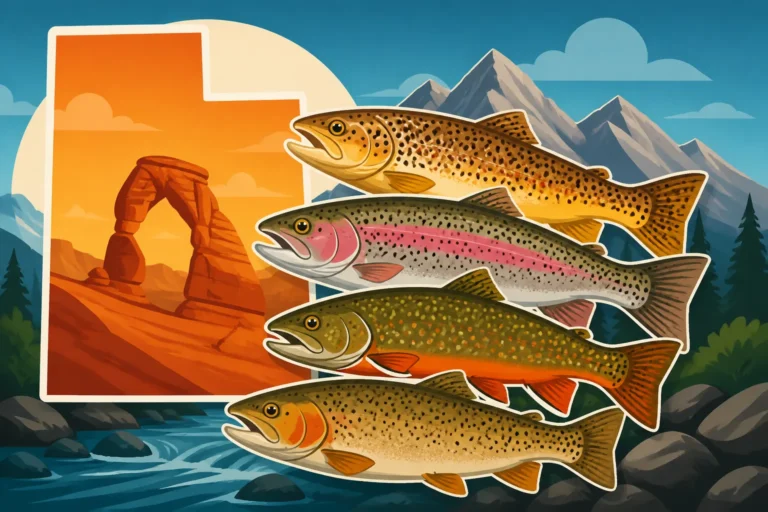
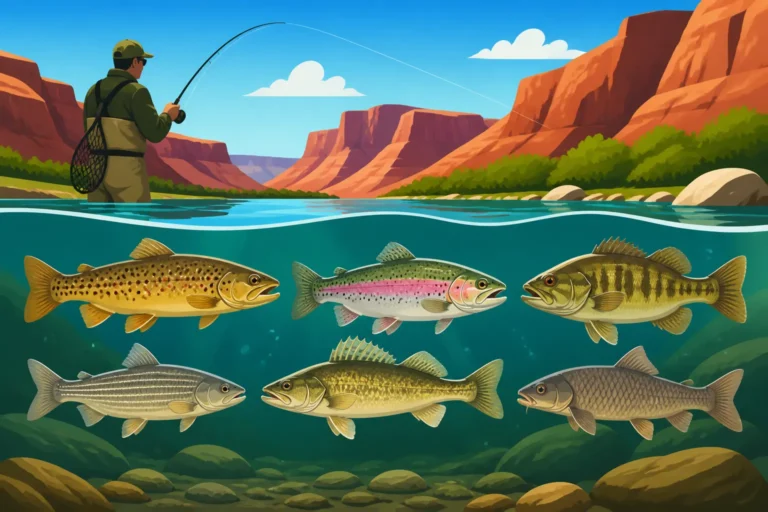
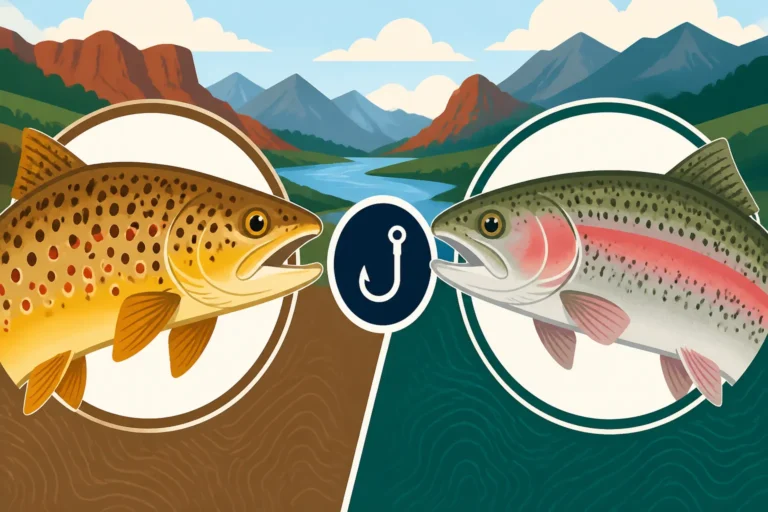
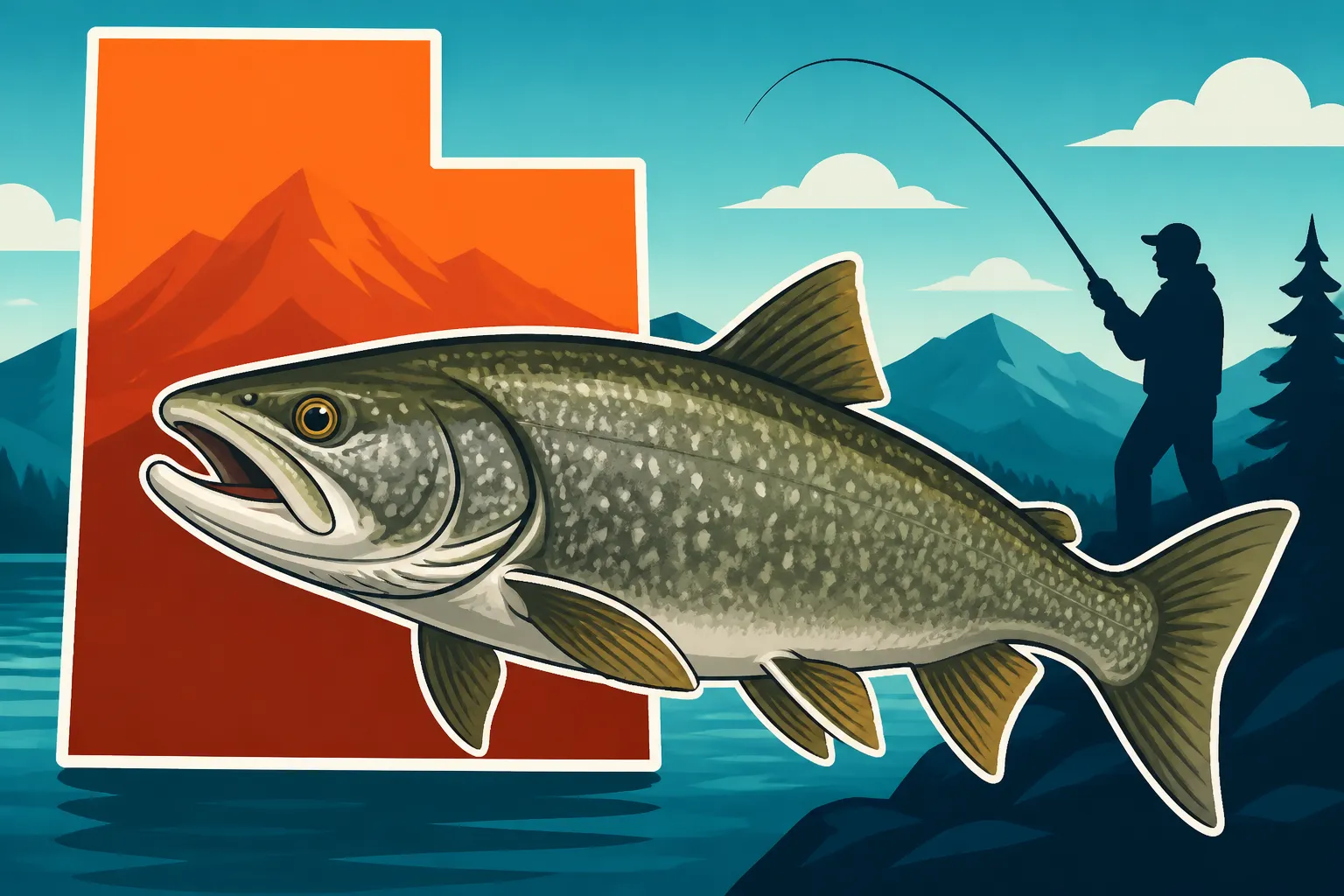
Spotting a Mackinaw is usually quite distinct from other trout species you'll encounter in Utah. Lake Trout typically have a long, slender body, a deeply forked tail, and a light-colored, often grayish or brownish body covered in numerous cream-colored or yellowish spots. Unlike Rainbows or Browns, which might have spots on their fins, the spots on a Mackinaw extend well onto their dorsal and caudal (tail) fins. They also have a larger mouth, often extending back past their eye, and lack the red or orange dash under the jaw that is characteristic of Cutthroat Trout. Knowing these key visual cues can save you time and help you correctly identify your catch, especially when you're dreaming of a record-setter. How to Identify Utah Trout Species goes into more detail about distinguishing these various fish.
Why They Grow So Big
The sheer size that Mackinaw can achieve in Utah isn't just a matter of luck; it's a combination of several crucial factors. First and foremost, these fish are predators, often sitting at the top of the food chain in their respective environments. In places like Flaming Gorge, they have access to an incredibly rich forage base, primarily Kokanee salmon and various cisco species. This abundant, high-protein diet allows them to pack on pounds rapidly. Secondly, Lake Trout are incredibly long-lived, often reaching ages of 20 years or more in ideal conditions. This extended lifespan gives them ample time to grow, slowly but steadily, into truly colossal specimens. Combine that with the deep, cold, oxygen-rich waters of Utah's large reservoirs, which are their preferred habitat, and you have the perfect recipe for growing giant fish.
Utah's State Record Lake Trout: The Legend and the Facts
Every state has its fishing legends, and Utah is no exception when it comes to Mackinaw. The state record Lake Trout is a testament to the incredible potential of our waters and the skill (and perhaps a little luck) of dedicated anglers. It’s the benchmark, the ultimate goal that many seasoned fishermen secretly — or not so secretly — aspire to beat.
The Record-Breaking Catch
The current Utah state record Lake Trout is a truly monumental fish, weighing in at an incredible 51 pounds, 8 ounces. This goliath was caught at Flaming Gorge Reservoir, which comes as no surprise to anyone familiar with the fishery. The catch happened way back in 1980 by an angler named Thomas Edwards, and the fact that this record has stood for so many decades speaks volumes about the rarity and difficulty of landing a fish of this caliber. Imagine the excitement and the sheer struggle of bringing a fish that heavy up from the depths! It's the kind of story that gets passed down through generations of anglers, fueling dreams of the next record. For more on this specific legendary catch, you can read The Utah Record Lake Trout Catch at Flaming Gorge.
Verifying a Potential State Record
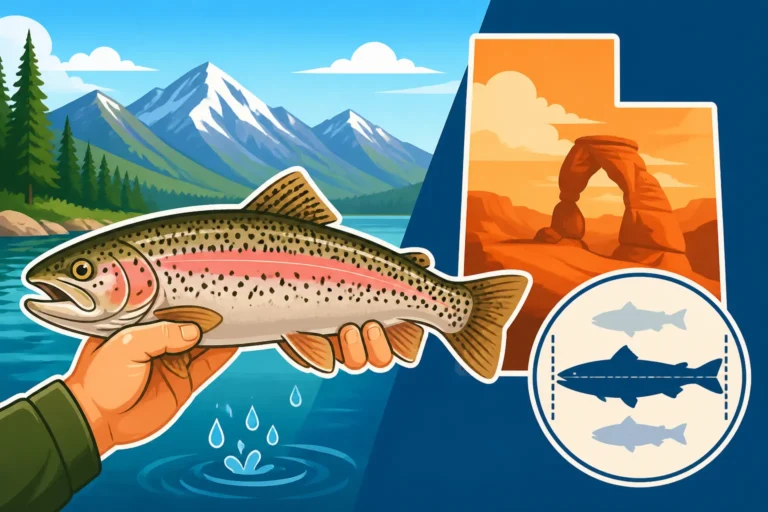
Catching a fish that you suspect might be a state record is only half the battle. The process of official verification is rigorous and crucial. If you ever find yourself with a potential record-breaker on your line, remember these critical steps. First, the fish must be weighed on a certified scale, usually found at local grocery stores, marinas, or official DWR offices. The scale needs to be inspected and sealed for accuracy. Secondly, you'll need photographic evidence, often with a recognizable object for scale. Most importantly, the fish must be positively identified by a Utah Division of Wildlife Resources (DWR) biologist to ensure it is indeed the species claimed. Skipping any of these steps could invalidate your claim, which would be a heartbreaking end to an otherwise incredible day on the water.
The Allure of the Next Big One
Even though the current record has stood for a long time, the hope of breaking it keeps many anglers coming back to Flaming Gorge. There's a persistent whisper among the fishing community that there are even bigger fish swimming in those deep, dark waters. You hear stories of monster Mackinaw seen on fish finders, or massive shadows glimpsed briefly before disappearing. This allure isn't just about the glory of the record itself, but the sheer challenge. It's about pitting your skill, your gear, and your patience against one of the most formidable freshwater predators. Every time you drop a line in the Gorge, there's that electrifying possibility that this could be the day you connect with history.
Where Trophy Mackinaw Are Caught in Utah
If you're serious about targeting large Mackinaw, your fishing destinations will be quite limited, but incredibly rewarding. Not all waters can support these massive predators, but the ones that do are truly exceptional.
Flaming Gorge Reservoir: The Mackinaw Mecca
Without a doubt, Flaming Gorge Reservoir, straddling the Utah-Wyoming border, is the undisputed king of Mackinaw fishing in Utah. Its vast size, immense depth (over 500 feet in some areas), and incredible forage base—primarily Kokanee salmon and large populations of Utah chubs and other baitfish—create the perfect environment for Lake Trout to thrive and grow to gargantuan sizes. Many state records for various species have come from these waters, and it continues to be the best bet for anglers dreaming of a trophy Mackinaw. You can spend a lifetime exploring its many arms, coves, and deep canyons, and still discover new honey holes. Flaming Gorge Fishing Guide is an essential read for anyone planning a trip.
For targeting the largest fish, anglers often focus on the deeper sections of the reservoir, particularly areas with significant underwater structure like submerged cliffs, humps, and old river channels. These areas provide the cold, stable temperatures and ambush points that big Lake Trout prefer. While you might catch smaller "pup" Mackinaw closer to shore or in shallower depths, the true giants are almost exclusively found in the deeper water columns, often requiring specialized techniques and gear to reach them consistently. This is where a good fish finder and knowledge of the reservoir's topography become absolutely indispensable. For specific locations, check out Flaming Gorge Trophy Lake Trout Spots.
Other Utah Waters with Big Lake Trout Potential
While Flaming Gorge is the superstar, it's not the only place in Utah where you might encounter a respectable Mackinaw. Other high-alpine lakes and deep reservoirs occasionally produce good-sized specimens, though perhaps not in the same record-breaking class. Fish Lake, for example, has a healthy population of Lake Trout and has produced some impressive catches over the years. Its clear, cold waters and good forage base allow Mackinaw to grow, albeit usually not to the extreme sizes found in Flaming Gorge.
Panguitch Lake also holds Lake Trout, and while it's more known for its Rainbow and Cutthroat fishing, it can occasionally surprise anglers with a hefty Mackinaw. These lakes often present different fishing challenges due to their unique structures and ecosystems, but they offer exciting alternatives for anglers looking to explore beyond the Gorge. Always check current regulations for these waters, as rules and limits can vary considerably from Flaming Gorge.
Factors Influencing Lake Trout Size and Growth
Understanding what makes a Mackinaw grow to record proportions isn't just academic; it directly informs where and how you should fish. Several biological and environmental factors come together to create these angling titans.
Abundant Food Sources
The primary driver of exceptional growth in Lake Trout is a consistent and abundant supply of high-quality forage fish. Mackinaw are opportunistic predators, and in Utah's premier Lake Trout fisheries, they have a smorgasbord to choose from. At Flaming Gorge, the sheer volume of Kokanee salmon, Utah chubs, and other smaller fish provides an almost endless buffet. A young Mackinaw might start on insects and smaller invertebrates, but as it grows, it rapidly shifts to a piscivorous (fish-eating) diet. The more calorie-dense fish they can consume, the faster and larger they grow. This is why when the Kokanee populations are booming, you often see a corresponding increase in the size and health of the Lake Trout. What Lake Trout Eat at Flaming Gorge delves deeper into their diet.
Without this rich food source, Mackinaw growth would be significantly stunted. Think of it like a bodybuilder needing protein – these fish need protein from other fish to bulk up. The health of the entire food web in the reservoir is directly linked to the potential for trophy Mackinaw. Any fluctuations in the prey species, whether due to environmental factors, angler harvest, or invasive species, can have a ripple effect on the size and number of large Lake Trout available.
Deep, Cold Water Habitats
Lake Trout are cold-water species through and through, preferring water temperatures that rarely exceed 55-60 degrees Fahrenheit. This is why you find the largest Mackinaw thriving in the deepest parts of our reservoirs, where thermal stratification creates a consistent cold-water refuge even during the hottest Utah summers. These deep habitats also offer stability, protecting them from surface disturbances and providing ample space to roam and hunt. How Deep Lake Trout Live in Summer is a crucial piece of knowledge here.
The dissolved oxygen levels in these deep, cold waters are also critical. Lake Trout need well-oxygenated environments to maintain their metabolic processes and support their large size. Reservoirs like Flaming Gorge are ideal because they have vast expanses of deep water that remain consistently cold and oxygenated year-round. Shallower lakes or those that experience significant oxygen depletion in their deep layers simply cannot sustain the same caliber of large Lake Trout, regardless of food availability.
Age and Genetics
It might seem obvious, but to grow truly massive, a Lake Trout needs to live a long time. As mentioned earlier, Mackinaw can live for many decades, and each year adds another layer of growth. A 50-pound Lake Trout isn't just a big fish; it's an old fish, a survivor that has navigated countless seasons and dodged numerous dangers. How Old a 50-Pound Lake Trout Typically Is is a fascinating read on this topic. Their slow growth rate means that patience is key, both for the fish and for the angler hoping to catch one.
Beyond age, genetics play an undeniable role. Just like in any species, some individuals are predisposed to grow larger and faster than others. While difficult to quantify or target directly, there's certainly a genetic component that contributes to the presence of truly giant Mackinaw within a population. Healthy, diverse genetics within a fishery ensure that the potential for trophy-sized fish remains strong for future generations of anglers.
How Anglers Target Record-Breaking Mackinaw
Targeting a record-breaking Mackinaw is not for the faint of heart or the casually equipped. It demands specialized gear, precise techniques, and an understanding of how these deep-dwelling giants behave. This isn't your grandpa's bobber and worm fishing – this is big game angling in freshwater.
Specialized Gear and Techniques for Deep Water
To reach Mackinaw that live hundreds of feet down, you absolutely need specialized equipment. This typically means heavy-duty trolling rods and reels spooled with strong, low-stretch line, often braided or wire line, capable of handling immense strain. The star of the show for many trophy hunters is the downrigger system. These devices allow you to precisely control the depth of your lure, getting it right into the strike zone where the big boys lurk. Setting your lure at the correct depth is paramount, as Lake Trout will often hold within a very specific temperature band. You'll often see seasoned anglers running multiple downriggers, each with a different lure or bait at varying depths, effectively covering a wide section of the water column. Utah Trolling Techniques for Lake Trout and How to Downrig for Lake Trout are fantastic resources for mastering these methods.
Lure choices are also critical. Large spoons, minnow-imitating plugs, tube jigs, and even live or cut bait (where permitted) are popular. The key is to present something substantial that mimics the large forage fish, like Kokanee or ciscos, that trophy Mackinaw feed on. Brands like Amazon offer a wide array of specialized deep-water trolling lures, heavy jigging spoons, and robust reels that can stand up to the fight of a truly enormous Lake Trout. Don't skimp on quality here; a cheap swivel or weak leader can cost you the fish of a lifetime.
Reading Water and Locating Big Fish
Modern electronics are an angler's best friend when chasing deep-water Mackinaw. A high-quality fish finder with good sonar and mapping capabilities is non-negotiable. You're not just looking for fish; you're looking for structure, thermoclines, and bait balls. Big Lake Trout are often associated with deep underwater ledges, humps, and abrupt drop-offs where they can ambush prey. Understanding how to interpret your sonar screen to locate these features, identify baitfish schools, and even mark individual large fish is a skill developed over countless hours on the water. Best Fish Finders for Utah Reservoirs provides excellent guidance on selecting the right equipment.
Beyond electronics, learning to read the "feel" of the water, understanding seasonal patterns, and paying attention to subtle clues like changes in current or wind direction can also be invaluable. Trophy Mackinaw often follow migratory patterns, moving between different depths and areas of the reservoir depending on water temperature, oxygen levels, and the location of their primary food sources. Keeping a detailed log of your catches, including conditions, depths, and locations, can help you develop patterns that lead to future success.
The Importance of Persistence and Patience
Let's be real: catching a record-sized anything is rare. Chasing trophy Mackinaw is a marathon, not a sprint. You can spend entire days, or even weeks, trolling vast expanses of water without a single strike. This is where persistence becomes your most valuable asset. The anglers who consistently catch big Mackinaw are those who put in the time, who are willing to experiment, and who don't get discouraged by long periods of inactivity.
Patience isn't just about waiting for a bite; it's about meticulously setting up your gear, carefully monitoring your lines, and methodically working an area that you believe holds fish. It's about enduring the cold, the wind, and the relentless sun. The reward for this unwavering dedication, however, is the chance to hook into a fish that will challenge your tackle, test your resolve, and ultimately etch itself into your memory forever. You might even find some excellent, highly rated camping chairs on Amazon to make those long waits a little more comfortable!
The Thrill and Responsibility of Pursuing Trophy Lake Trout
The pursuit of a record-breaking Mackinaw offers an undeniable thrill, a chance to connect with nature and test your limits. But with such powerful, long-lived fish, comes a significant responsibility to ensure their continued health and the sustainability of the fishery.
Ethical Angling and Conservation
When targeting trophy fish, ethical angling practices are paramount. This means using appropriate gear that can handle the fish without overstressing it, understanding how to minimize harm during the fight and handling, and making informed decisions about keeping or releasing your catch. For very large, old fish, catch-and-release is often encouraged, especially for species that have slow growth rates like Mackinaw. This allows these valuable breeders to continue contributing to the population, ensuring future generations of anglers have the same opportunities.
Conservation isn't just about individual actions; it's also about supporting fisheries management efforts. Adhering strictly to all Utah fishing regulations, participating in angler surveys, and being mindful of aquatic invasive species are all ways we contribute to the health of our waters and fish populations. These large, older fish are often critical to the genetic health of the population, so protecting them benefits everyone.
Catch and Release for Large Fish
Deciding whether to keep or release a trophy Mackinaw can be a tough call, especially if it's the fish of a lifetime. However, many dedicated trophy anglers choose to release their largest catches. Why? Because older, larger fish often carry superior genetics and are vital for maintaining a healthy breeding population. Removing them from the ecosystem can have a disproportionate impact. If you do decide to release, proper handling is crucial. Minimize the time the fish is out of the water, support its body weight, avoid touching its gills, and revive it gently until it swims away strongly. How to Release a Fish Without Hurting It in Utah provides a detailed guide to ensure the best chance of survival for your prized catch.
| Size Category | Typical Weight Range | General Strategy Focus | Release Recommendation |
|---|---|---|---|
| "Pup" Mackinaw | Under 10 lbs | Active jigging, shallower trolling for numbers | Keep if desired |
| Mid-Sized Mackinaw | 10 – 25 lbs | Trolling with downriggers, deeper jigging | Consider release |
| Trophy Mackinaw | 25 lbs and up | Deep-water trolling, specific structure targeting | Strongly recommend release |
| Potential State Record | 50 lbs and up (or close) | Highly specialized deep-water tactics, extreme patience | Release after documentation |
Documenting Your Trophy Catch Responsibly
Just because you release a fish doesn't mean you can't celebrate your achievement! Modern technology offers fantastic ways to document your trophy without harming the fish. Waterproof cameras, GoPros, and even high-quality phone cameras allow you to capture stunning photos or videos of your catch. Use a measuring board to get accurate length and girth measurements, which can then be used to estimate weight if you don't wish to put the fish on a certified scale.
Consider investing in a high-quality bump board, like those readily available on Amazon, for quick and accurate measurements. Always prioritize the fish's health: have your camera ready, take a few quick shots while the fish is still in or just above the water, and then get it back into its element as quickly as possible. These photographic memories, coupled with the knowledge that you've helped conserve a magnificent creature, often provide a greater sense of satisfaction than any kept fish ever could.
Disclaimer
This article is for general informational purposes only and does not constitute professional advice. Laws, prices and regulations vary by location and change over time. Consult a qualified professional for guidance on your specific situation.