Utah Fishing License Refund and Cancellation Policy
It's happened to the best of us: you're hyped for a fishing trip to a fantastic spot like Strawberry Reservoir, you buy your Utah fishing license, and then life throws a curveball. Maybe a sudden work obligation, a family emergency, or unexpected weather forces a change in plans. Suddenly, you're left wondering about that license you just bought – can you get your money back? Navigating the refund and cancellation policy for a Utah fishing license can feel like casting into a murky pond, but this guide aims to clear the waters, helping you understand your options and what to expect from the Utah Division of Wildlife Resources (DWR).
Understanding Utah's License Purchase Policy
For many anglers, buying a fishing license is a straightforward annual ritual. You head online or stop by a local vendor, pay your fee, and you're good to go for the season. But behind that seemingly simple transaction lies a policy framework designed to ensure the smooth operation of wildlife management and conservation efforts across the state. It's crucial to understand that these policies are in place for a reason, even if they sometimes feel rigid when your personal plans fall through.
The "No Refunds" Standard and Why It Exists
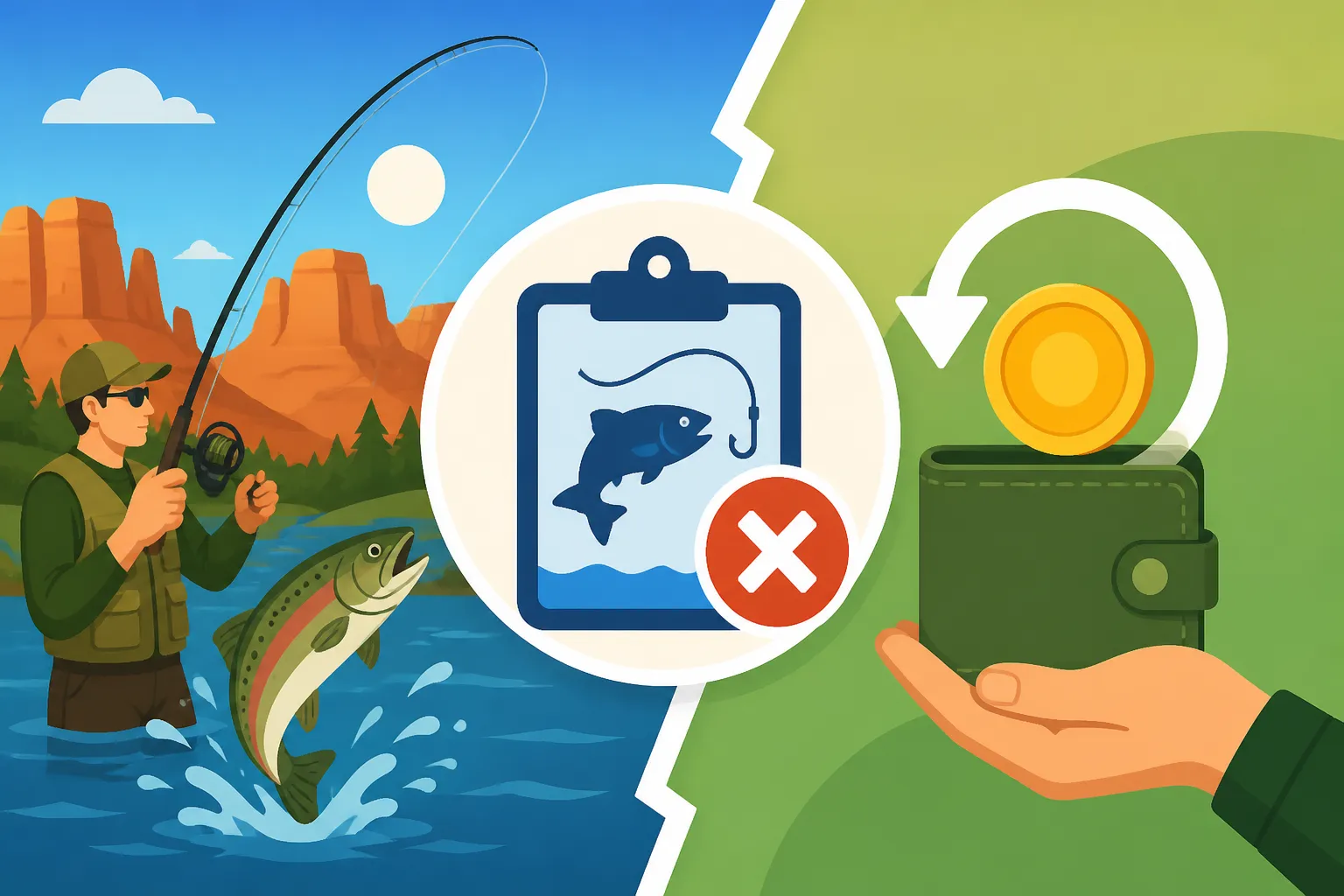
Let's get right to it: the Utah Division of Wildlife Resources, much like most government agencies that issue permits and licenses, generally operates under a "no refunds" policy for fishing licenses once they have been purchased. This can feel like a real punch to the gut when your dream trip to Flaming Gorge gets unexpectedly cancelled due to unforeseen circumstances, and you're out the cost of a license you won't use. It’s a common frustration, and you're not alone in feeling that sting.
The rationale behind this standard policy is multifaceted. Firstly, processing individual refunds for countless reasons would create an enormous administrative burden on the DWR, diverting valuable time and resources away from essential conservation work. Secondly, licenses grant permission to participate in an activity for a specified period, not a guarantee that you will actually participate or be successful. The DWR has provided the access; whether you use it or not is up to individual circumstances. Think of it like buying a ticket to a concert that you end up missing – the venue isn't likely to offer a refund because you couldn't make it. This approach also helps to discourage impulse buys that might quickly be regretted, ensuring that funds collected are stable and predictable for vital programs.
How License Sales Fund Conservation Efforts
Even when you can't use your fishing license, understanding where your money goes might offer a small silver lining. Every dollar spent on a Utah fishing license is directly funneled back into the state's comprehensive wildlife management and conservation programs. These funds are the lifeblood of the DWR, supporting everything from fish stocking efforts in popular reservoirs like Pineview to critical habitat restoration projects along the Provo River. Without these dedicated funds, the vibrant fisheries we enjoy today simply wouldn't exist.
This revenue ensures that DWR biologists can monitor fish populations, manage aquatic invasive species threats, conduct research, and enforce regulations that protect our natural resources. It also helps maintain public access points and facilities, ensuring that future generations of anglers can continue to enjoy Utah's incredible outdoors. Even if your personal fishing trip to Fish Lake didn't happen, your purchase contributed directly to the health of Utah's aquatic ecosystems. For a deeper dive into how these funds are allocated and the overall framework, you can always check out the comprehensive Utah Fishing License Guide.
Circumstances Where a Refund Might Be Possible
While the general rule is "no refunds," there are very specific, narrow exceptions where the DWR might consider a refund or some form of resolution. These situations typically involve administrative errors or extremely rare circumstances that can be clearly documented and are not due to a change in personal plans. It’s important to approach these situations with clear evidence and reasonable expectations.
Accidental Duplicate Purchases or System Errors
One of the most common scenarios where a refund might be considered is an accidental duplicate purchase or a clear system error. Imagine you're trying to buy your license online through the DWR portal, and the website lags or you get an error message after clicking "submit." You naturally try again, only to find later that you were charged twice for the exact same license. This is a clear case of an administrative oversight, not a change of heart, and the DWR usually has mechanisms to correct such mistakes.
To pursue a refund for a duplicate purchase, you'll need solid proof. This typically includes bank or credit card statements showing two identical charges, along with the order confirmation emails or transaction IDs for both purchases. The key is that both licenses must be for the same individual, for the same period, and demonstrably purchased in close succession. When you reach out to the DWR, provide all this information upfront. They can usually verify these kinds of errors relatively quickly by checking their own records against yours.
Eligibility for Exemptions or Discounts Discovered Post-Purchase
Sometimes, anglers might unknowingly purchase a full-price license only to realize later that they qualify for a specific exemption or discount. For instance, a veteran might purchase a standard annual license, then discover they are eligible for a Utah Disabled Veteran Fishing License, or a senior angler might realize they could have received a Utah Senior Fishing License Discount. This can be incredibly frustrating, feeling like you've unnecessarily overpaid.
In these situations, a direct cash refund is usually still not the first course of action. However, if you act swiftly and can provide irrefutable documentation of your eligibility, the DWR might be able to offer a credit towards a future purchase or, in very rare cases, adjust the charge if the error is caught almost immediately. The window for such adjustments is often very small, usually within a few days of purchase. This isn't a guaranteed path to a refund, but it's worth an inquiry if you genuinely overlooked an eligible discount. It really underscores the importance of thoroughly reviewing all available Utah Fishing License Exemptions and Discounts before completing your purchase to avoid this exact predicament.
Situations Where Refunds Are Generally Not Issued
Now, let's talk about the more common scenarios where getting a refund for your Utah fishing license is highly improbable. This isn't to discourage you, but rather to set realistic expectations based on the DWR's established policies. Many anglers find themselves in these situations, and it’s a tough pill to swallow when you realize your money is gone.
Change of Plans, Weather, or Personal Circumstances
This is the big one, and likely the most frequent reason anglers inquire about refunds. Life is unpredictable, and plans change. You might have bought your annual license in anticipation of multiple trips throughout the year to places like Bear Lake or the Green River, only for a sudden job transfer, a family illness, or an unexpected financial strain to force you to cancel your angling aspirations. Or perhaps you planned a specific weekend trip, bought your license, and then a massive, unseasonable snowstorm or extreme heat wave hit, making fishing impossible or undesirable.
While these situations are entirely understandable and genuinely disappointing, they typically do not qualify for a refund. The DWR views the purchase as granting you the privilege to fish for the specified duration (e.g., a year, seven days). Whether you exercise that privilege is ultimately outside of their control. The license fee has already been allocated to support conservation programs, and the DWR cannot recoup those funds if your personal circumstances shift. It’s a bitter pill to swallow, but it’s a consistent policy across most states.
Misunderstanding Regulations or License Requirements
Another common pitfall that often leads to disappointment is a misunderstanding of the rules. For example, you might buy a resident fishing license, believing your new driver's license qualifies you, only to later learn that Utah has a longer residency requirement than you thought. Or perhaps you intended to fish a specific body of water that you later discover requires a different permit, or has catch-and-release-only rules that don't align with your goals.
In such cases, the DWR generally holds the angler responsible for understanding and complying with all relevant laws and regulations before making a purchase. Ignorance of the law is not typically considered a valid reason for a refund. It's incumbent upon each angler to familiarize themselves with the comprehensive Utah Fishing Regulations Explained and to carefully consult resources like the How to Buy a Utah Fishing License guide to ensure they are purchasing the correct license for their specific situation. While it can feel unfair, especially if it was an honest mistake, these policies are designed to maintain consistency and prevent abuse of the licensing system.
| Scenario | Refund Policy | Typical Action Required | Notes |
|---|---|---|---|
| Accidental Duplicate Purchase | Possible | Contact DWR with proof immediately. | Usually for same license, same person; act quickly. |
| Discovered Eligibility for Discount (Post-Purchase) | Unlikely (direct refund) | Contact DWR for potential credit/exchange. | Must provide proof; act very quickly after purchase. |
| Trip Cancellation (Weather, Illness, Work) | Not Available | None (license remains valid for period). | Purchase covers access, not guaranteed use. |
| Misunderstanding License Type/Residency | Not Available | None (license remains valid for period). | Angler's responsibility to verify before purchase. |
| DWR Administrative/System Error | Possible | Contact DWR with details and proof. | Proof of DWR error (not angler error) is crucial. |
Step-by-Step Guide to Inquiring About a Refund
Even with strict policies in place, if you believe you have a legitimate case for a refund – typically due to a DWR error or an undeniable duplicate purchase – it's worth pursuing. However, simply sending an angry email won't get you far. You need to be prepared, articulate, and follow a specific process to give yourself the best possible chance.
Gathering Necessary Documentation
Before you even think about picking up the phone or writing an email, you need to collect every piece of evidence related to your purchase. This is absolutely critical. Imagine you're building a legal case; the more concrete, verifiable proof you have, the stronger your argument. Start by locating:
- Order Numbers: These are usually provided in your confirmation email or on your purchase receipt.
- Confirmation Emails: Save these. They contain timestamps, license details, and often transaction IDs.
- Bank/Credit Card Statements: Screenshots or copies showing the specific charges, especially if you're claiming a duplicate. Highlight the relevant entries clearly.
- Personal Identification: Have your driver's license or state ID ready, as they'll need to verify your identity.
- Relevant Exemption Documents: If your case involves a newly discovered discount eligibility (e.g., veteran status), gather official documents proving that eligibility.
- Detailed Explanation: Write down a clear, concise, chronological account of what happened, including dates, times, and any error messages you received.
Having all this information readily available will streamline the process immensely and show the DWR representative that you've done your homework.
Contacting the Utah DWR
Once your documentation is in order, it's time to reach out to the DWR. They offer several avenues for contact, and choosing the right one can sometimes make a difference.
- Phone: Calling the main DWR office or a regional office is often the most direct way to speak with a representative. Be prepared for potential wait times, especially during peak seasons. When you get through, clearly explain your situation, reference your documentation, and remain polite and calm. Aggression rarely helps.
- Email: If you prefer a written record or have many documents to attach, email can be a good option. Send your detailed explanation and attach all supporting documents. Use a clear subject line like "Fishing License Duplicate Purchase Inquiry – [Your Name] – [License Number]."
- In-Person: If you live near a DWR regional office, visiting in person can sometimes be effective, as you can directly show your documents and speak face-to-face. This can be particularly helpful if your situation is complex or requires immediate attention.
Always double-check the current contact information on the official DWR website, as phone numbers or email addresses can change. For general information on how licenses are processed, reviewing resources like the Utah Fishing License Online Purchase Process might also be helpful.
What to Expect During the Process
After you've submitted your inquiry and documentation, managing your expectations is key. The DWR will likely open an investigation into your claim, especially if it involves a system error or duplicate charge. This process takes time. You might not get an immediate resolution, and it's common to wait several business days, or even a couple of weeks, for a response, depending on their workload.
During this period, they may contact you for additional information or clarification. Be responsive and cooperative. The outcome, even for legitimate errors, might not always be a direct cash refund. Sometimes, they might offer a credit towards a future license purchase if a cash refund isn't feasible through their system. The goal is often to correct the error, not necessarily to return funds in all circumstances. Remember, the DWR staff are there to help, but they are also bound by established policies.
What to Do if a Refund Isn't an Option
For the vast majority of anglers, a refund or cancellation simply isn't an option. This can feel like wasted money, but it doesn't have to be a complete loss. There are still ways to make the most of your purchase and even derive some satisfaction from your contribution to Utah's wildlife.
Making the Most of Your Valid License
Just because your original grand adventure to Lake Powell was cancelled doesn't mean your fishing license is useless. A Utah fishing license, particularly an annual one, is valid for 365 days from the date of purchase. This means you have a full year to utilize it! You can find detailed information on how long your license lasts and its expiration date in guides like How Long Does a Utah Fishing License Last? and When Does a Utah Annual Fishing License Expire?.
Instead of letting it go to waste, consider a smaller, more accessible trip. Utah is brimming with fantastic fishing opportunities, even for a quick outing. You could explore one of the many community ponds if you're near a city, or visit a smaller reservoir like Deer Creek or Jordanelle. Even an hour or two on a local river like the Weber can be incredibly therapeutic. Your license gives you the legal right to fish, so why not use it? Plus, your purchase has already supported critical conservation efforts, which is a contribution to be proud of, regardless of your personal catch count.
Gifting or Transferring a License
This is a very common question, especially among friends and family: "Can I just give my unused license to my buddy?" The answer, unequivocally, is no. Utah fishing licenses are non-transferable and are tied directly to the individual who purchased them. Each license includes personal identifying information and is issued specifically to that person.
Attempting to use someone else's license, or letting someone else use yours, is a serious violation of fishing regulations. If caught, you could face significant fines, license suspension, or other penalties. These repercussions are clearly outlined in resources like Utah Fishing License Penalties for Violations. Even with the convenience of digital licenses accessed through the Utah Hunting and Fishing App Features, they are still linked to your individual DWR ID and cannot be shared. It's simply not worth the risk.
Future-Proofing Your Purchases
Learning from past experiences is key to avoiding future refund frustrations. While you can't always predict every curveball life throws, you can make more informed decisions when purchasing your next license.
For example, if you're unsure about your ability to commit to an entire year of fishing, consider purchasing a shorter-duration license. Utah offers several flexible options, like a 3-day or 7-day license, which can be perfect for a planned vacation or a weekend getaway. You can explore these options in more detail in guides such as Utah 3-Day and 7-Day Fishing License Options. If you're planning a trip, consider looking up any necessary gear on Amazon a few weeks beforehand, so you have ample time to receive it and ensure your plans are solid before committing to a license.
Preventing the Need for Future License Refunds
The best way to deal with the DWR's refund policy is to avoid needing a refund in the first place. A little foresight and careful planning can save you a lot of headache and disappointment down the road. It's all about being a prepared angler, both on and off the water.
Research Thoroughly Before You Buy
Before you click "purchase" on that fishing license, take a few extra minutes to double-check everything. This might seem tedious, but it's an essential step. Confirm your residency status: many anglers mistakenly assume they qualify for a resident license when they haven't met Utah's specific residency requirements, which can lead to issues down the line. Verify your age bracket, especially if you're nearing a change in age that might qualify you for a youth, senior, or even adult license.
Crucially, make sure you're buying the correct type of license for the fishing you intend to do. Are you fishing for warm water species, or just trout? Does the water you plan to fish have specific endorsements or regulations? Consult the official DWR website and resources like Utah Fishing License Costs by Age and Residency to ensure you're making an informed decision. An ounce of prevention here is worth a pound of frustration later.
Consider Shorter-Term License Options
If your fishing plans are confined to a single trip, a long weekend, or if your schedule is generally unpredictable, an annual license might not be your best bet. Utah thoughtfully provides shorter-term license options that offer flexibility without the full commitment (or cost) of a yearly pass. These include 3-day and 7-day fishing licenses, which are perfect for out-of-state visitors or Utah residents with limited angling opportunities.
For instance, if you're visiting from out of state for a quick fishing excursion on the Green River, a Utah 3-Day Fishing License Cost is far more economical and appropriate than an annual nonresident license. Similarly, for a week-long family camping and fishing trip to Scofield Reservoir, a Utah 7-Day Fishing License Cost makes perfect sense. These options allow you to pay only for the time you're certain to be fishing, significantly reducing the risk of purchasing an unused license.
Double-Checking All Information at Purchase
Once you've done your research and selected the appropriate license, the final step is to meticulously review all the information before you finalize the purchase. This applies whether you're buying online through the DWR portal, from a local sporting goods store, or even a big box retailer like Walmart that sells licenses.
Look over your personal details: Is your name spelled correctly? Is your birth date accurate? Is the license type (e.g., annual, 3-day, resident, nonresident) what you intended? Confirm the effective dates of the license. Any discrepancies, even minor ones, could potentially cause issues later on. Think of it like reviewing your shopping cart before an Amazon checkout – it's a quick final check that can prevent big headaches. If you're purchasing in person, don't hesitate to ask the vendor to double-check with you. Taking these few extra moments can make all the difference in ensuring a smooth and worry-free fishing season.
Disclaimer
The information provided in this guide is for general informational purposes only and is not intended as legal advice. Fishing regulations and license policies in Utah are subject to change. Always consult the official Utah Division of Wildlife Resources (DWR) website or contact them directly for the most current and accurate information before purchasing a license or planning your fishing trip.