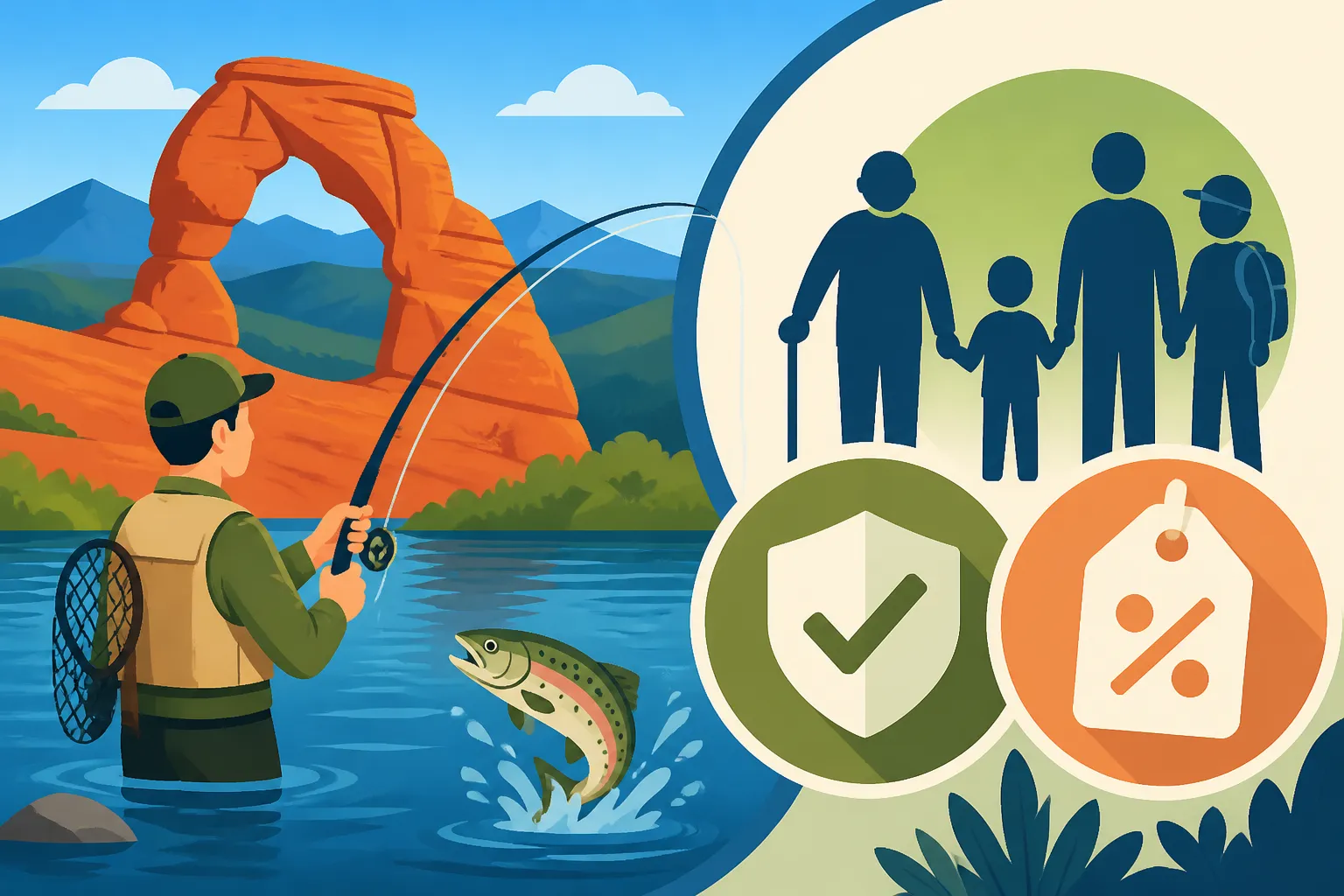
Utah Fishing License Exemptions and Discounts
It's completely understandable to feel overwhelmed when trying to figure out Utah's fishing license rules. It feels like every year there's a new nuance, and between residency requirements, age limits, and all the different license types, it can be a real headache just to know if you even need a license, let alone if you qualify for a break on the price. This guide is designed to cut through that confusion, giving you a clear, detailed breakdown of who is exempt from needing a Utah fishing license and what discounts are available, so you can spend less time stressing about paperwork and more time enjoying Utah's incredible waters.
Understanding the Standard Utah Fishing License Requirement
Let's start with the basics, because understanding the general rule helps us appreciate the exceptions and discounts. For most folks who want to cast a line in Utah's public waters, a fishing license is a must-have. This isn't just a suggestion; it's a legal requirement designed to help fund wildlife conservation efforts, fish stocking programs, and habitat restoration across the state. Without these funds, our amazing fisheries simply wouldn't thrive the way they do.
Who Generally Needs a License
In broad strokes, if you're 12 years old or older and you're fishing in any of Utah's public waters – think lakes like Bear Lake, Strawberry Reservoir, or rivers like the Provo – you're expected to have a valid Utah fishing license. This applies whether you're a resident or a non-resident, and whether you're after trophy trout, feisty bass, or anything in between. It doesn't matter if you're using bait, lures, or flies; the act of fishing itself typically triggers the requirement. This is the bedrock rule that all the exemptions and discounts branch off from. Many first-time anglers find the array of rules a bit daunting, so it's always a good idea to consult the official Utah Fishing License Guide to get the full picture of what's expected.
Penalties for Fishing Without a License
Now, nobody wants to think about this, but it's important to be realistic: fishing without a proper license in Utah can lead to some serious headaches, not to mention a significant hit to your wallet. Utah Division of Wildlife Resources (DWR) conservation officers are out there, and they take these regulations seriously. If you're caught fishing without a license, the penalties can range from hefty fines to the confiscation of your fishing gear. It's often classified as a class B misdemeanor, which can carry fines up to $1,000 and even jail time, though jail time is usually reserved for repeat offenders or more egregious violations. Beyond the financial impact, it can also create a record that might affect future license purchases. Trust me, that momentary thought of "I'll just chance it" is never worth the potential repercussions. A small investment in a license saves you a lot of grief. To fully grasp the potential consequences, you might want to review the specifics on Utah Fishing License Penalties for Violations.
Age-Based Fishing License Exemptions in Utah
One of the most common and often celebrated exemptions revolves around age. Utah wants to encourage its youngest citizens to get out and experience fishing, and it also recognizes that after a lifetime of contributing, senior anglers deserve a little consideration.
Kids Under 12 Fish Free
This is fantastic news for families! In Utah, any child under the age of 12 does not need a fishing license to fish in public waters. This is a brilliant way to introduce kids to the joys of angling without any bureaucratic hurdles for parents. Imagine taking your little one, maybe with a basic spinning rod and some PowerBait you picked up on Amazon, to a community pond. They can cast, reel, and experience the thrill of a bite without you having to worry about an extra license fee. It’s all about creating those early, positive memories in the outdoors. However, even though they don't need a license, children are still expected to follow all other fishing regulations, such as daily bag and possession limits, size restrictions, and specific bait rules for certain waters. So, while the license isn't a concern, knowing the Utah Daily Bag and Possession Limits is still crucial for a responsible day out.
Youth Licenses for Ages 12-17
Once a child hits their 12th birthday, the free fishing privilege expires, and they enter the youth license category. From ages 12 through 17, a youth fishing license is required. The cost for a youth license is significantly less than an adult license, making it more affordable for teenagers to continue pursuing their passion for fishing. This is a crucial transitional period. They're old enough to appreciate the sport more deeply, perhaps starting to explore different techniques like fly fishing on the Provo River or chasing bass at Lake Powell, but they're still considered minors. The reduced fee acknowledges this while ensuring they're contributing to the conservation efforts. Many DWR initiatives also target youth, providing educational opportunities and special events to foster a lifelong love for the outdoors. You can find more specific details about these age categories in the Utah Youth Fishing License Rules.
Senior Discounts for Anglers 65 and Older
On the other end of the spectrum, Utah offers a significant discount for its senior residents. If you are a Utah resident and 65 years of age or older, you qualify for a reduced-cost fishing license. This is a well-deserved perk for those who have been enjoying and contributing to Utah's natural resources for decades. It's not just about the monetary saving; it's a nod to their enduring passion for fishing and a way to encourage continued participation in outdoor activities. The discount applies to annual fishing licenses, and sometimes to combination hunting and fishing licenses as well. Just be prepared to show proof of age and residency when you purchase your license. It's a fantastic way to stretch your retirement dollars while still pursuing your favorite hobby. To see the exact pricing, you'll want to check the Utah Senior Fishing License Discount information.
Exemptions for Specific Property and Events
Beyond age, there are certain situations and locations where a fishing license isn't required. These are important to understand because they can offer unique opportunities for certain individuals or for anyone on designated days.
Fishing on Your Own Property
One common question from rural landowners is whether they need a license to fish on their own land. The answer is generally no, if the water is entirely enclosed within their private property and does not connect to or receive water from public waters in a way that allows fish to move freely between them. This means if you have a private pond that's fed by a well or entirely contained within your boundaries, and fish can't escape into a public stream or lake, you likely don't need a license to fish it. However, if a stream or river runs through your property, and that water is public, then even on your own land, you would need a license. It's a fine line, so if you're unsure, it’s always best to err on the side of caution or contact the DWR directly. Understanding these nuances is critical, and the Utah Fishing License Rules for Landowners on Their Own Property delves deeper into this often-misunderstood area.
Private Stocked Ponds Exemption
Similar to the "own property" rule, there's often confusion around private stocked ponds. If you're fishing in a completely private pond that is stocked by a private entity and has no connection to public waters allowing for fish migration, you typically do not need a Utah fishing license. This might include ponds at private resorts, corporate retreats, or even a neighbor's pond that they actively manage and stock themselves. The key here is "private" and "no public access/connection." The moment fish can move to or from public waters, the DWR considers it public access for fishing purposes, and a license would be required. Always double-check with the pond owner or manager if you're ever in doubt. For more specific information, refer to the details on Do You Need a License to Fish a Private Stocked Pond in Utah?.
The Annual Free Fishing Day
This is one of the most exciting exemptions for everyone! Every year, usually in June, Utah designates a specific day as "Free Fishing Day." On this particular day, anyone can fish in most public waters across the state without needing a fishing license. It's a fantastic opportunity for seasoned anglers to introduce friends and family to the sport, or for newcomers to try it out without the initial investment of a license. The DWR often organizes special events, clinics, and fish stocking efforts at community ponds on this day to make it even more accessible and fun. While the license requirement is waived, all other fishing regulations, such as catch limits, tackle restrictions, and species-specific rules, still apply. It's not a free-for-all, but rather a "free license" day. Mark your calendars when the DWR announces the date each year! To ensure you're aware of all the rules during this special event, it's wise to review Do Catch Limits Still Apply on Utah's Free Fishing Day? and other guidelines for Utah Free Fishing Day.
Special Considerations for Disabled Anglers and Foster Children
Utah recognizes that some individuals face unique challenges and offers specific provisions to ensure they can still enjoy the state's incredible fishing opportunities. These exemptions are designed to promote inclusivity and support.
Fishing License Exemptions for People with Disabilities
For Utah residents who have a qualifying disability, there are provisions for reduced-cost or even free fishing licenses. The DWR has specific criteria, usually requiring documentation from a physician or a government agency like the Social Security Administration, verifying a permanent and total disability that severely limits physical activity. This exemption is a wonderful gesture, acknowledging that fishing can be incredibly therapeutic and provide a vital connection to nature for individuals facing significant physical hurdles. The application process typically involves submitting specific forms and documentation to the DWR. It's not an automatic exemption, but a program designed to support those who need it most. You can find detailed requirements and application forms under Utah Disability Fishing License Exemptions.
Disabled Veteran Fishing License Program
Utah has a deeply commendable program for its disabled veterans. Residents who are honorably discharged veterans and have a service-connected disability rating of 30% or more (as determined by the U.S. Department of Veterans Affairs) are eligible for a significantly reduced-cost or free combination hunting and fishing license. This is a profound way to thank those who have served our country and suffered injuries in the line of duty. The process usually involves providing proof of residency, an honorable discharge, and official documentation of the service-connected disability rating. This program is highly valued and provides substantial relief to veterans who find solace and recreation in Utah's outdoors. It’s an incredibly important benefit, and all the necessary information, including the discount amount, can be found in our comprehensive guide on the Utah Disabled Veteran Fishing License.
Fishing Privileges for Foster Children
In another heartwarming initiative, Utah also provides fishing privileges for children in foster care. Foster children, while under the care of the state, are often eligible for special fishing opportunities that may waive the license fee. The intent here is to provide enriching outdoor experiences for these vulnerable youth, giving them positive outlets and a chance to connect with nature. This usually applies when they are participating in supervised activities or with their foster families. Specifics can vary, and it's always best for foster parents or agencies to confirm the current regulations with the DWR, as rules for minors in state care can have specific legal frameworks. This thoughtful provision ensures that foster children are not excluded from enjoying a quintessential part of Utah's outdoor heritage. More details on these compassionate rules are available in Utah Fishing License Rules for Foster Children.
Military, First Responder, and Student Discounts
Beyond specific disability statuses, Utah also extends various considerations to other groups, recognizing their service, transient status, or unique circumstances.
Active Military and Veteran Discounts
Utah offers specific fishing license discounts for active duty military personnel who are Utah residents. This applies to those currently serving, including members of the National Guard and Reserves, who call Utah home. Additionally, some specific benefits exist for Purple Heart recipients. It's a way to acknowledge the sacrifices made by these individuals and their families. To qualify, active military personnel usually need to provide proof of Utah residency and active duty status. While not as extensive as the disabled veteran program, these benefits can still make a noticeable difference. It's important to differentiate between general military status and specific disabled veteran status, as the benefits and qualifications differ. Always ensure you have your official military ID and residency documents handy when applying. These benefits are detailed in sections covering Utah Fishing License Military Discounts.
First Responder Discounts
While Utah has specific, robust programs for disabled veterans and active military, general discounts for all first responders (police, fire, EMTs) are not as widely standardized across all DWR licenses in the same way as age-based or disability-based exemptions. Some local events or specific programs might offer temporary concessions, but a statewide, permanent fishing license discount for all first responders isn't a blanket rule like it is for seniors or disabled veterans. It's always worth checking the most current DWR regulations or local DWR offices, as policies can evolve, and specific recognition programs may emerge. However, at present, these groups would generally purchase a standard resident license, assuming they meet residency requirements, unless they fall into another qualifying category like a disabled veteran.
Out-of-State College Students and Residency
This is a common point of confusion. Many college students move to Utah to attend universities like the University of Utah, Brigham Young University, or Utah State University. They often live here for several years, get a Utah driver's license, and establish a temporary residence. The question then becomes, can they purchase a resident fishing license? Generally, if you're an out-of-state student, even with a Utah driver's license, you often don't qualify for a resident hunting or fishing license unless you meet very specific, more stringent residency requirements set by the DWR. Simply attending school here usually isn't enough to establish the legal intent of permanent residency. The DWR looks for factors like continuous physical presence for a full year prior to application, filing Utah state taxes, registering to vote in Utah, and relinquishing residency in any other state. It's definitely not a simple "driver's license equals residency" situation. This often means out-of-state students will need to purchase a non-resident license, which is significantly more expensive. For clarity, a deep dive into Utah Fishing License for Out-of-State College Students can save you some frustration.
To help visualize some of these common exemptions and discounts, here's a table summarizing the main points:
| Category | License Required? | Cost (General) | Key Qualification | Documentation Needed (Examples) |
|---|---|---|---|---|
| Kids Under 12 | No | Free | Under 12 years old | None |
| Youth (12-17) | Yes | Reduced | 12-17 years old | Proof of age |
| Seniors (65+) | Yes | Reduced | Utah Resident, 65+ years old | Valid ID with DOB, Proof of Utah Residency |
| Disabled Veterans | Yes | Free/Significantly Reduced | Utah Resident, Honorable Discharge, 30%+ service-connected disability rating | VA Disability Letter, Proof of Residency |
| People with Disabilities | Yes | Free/Reduced | Utah Resident, Permanent total disability (DWR criteria) | Physician's letter, Proof of Residency |
| Foster Children | Sometimes No | Varies | In Utah's foster care system | Foster care agency verification |
| Own Property (private) | No | Free | Water entirely on private land, no public connection (specific rules apply) | Property deeds (if challenged) |
| Free Fishing Day | No | Free | Designated day announced by DWR | None (all other rules apply) |
| Active Military (Resident) | Yes | Reduced | Utah Resident, Active Duty Military Status | Military ID, Proof of Residency |
Note: This table provides general information. Specific requirements and documentation may vary and are subject to change by the Utah Division of Wildlife Resources (DWR).
Navigating Residency Requirements for Eligibility
Residency is a cornerstone of many fishing license exemptions and discounts in Utah. While some exemptions, like the Free Fishing Day, apply to everyone regardless of where they live, most discounts (seniors, disabled veterans, active military) are strictly reserved for bona fide Utah residents. The definition of "resident" for DWR purposes can be more complex than simply owning property or having a Utah driver's license.
Defining Utah Residency for Fishing Licenses
For DWR purposes, establishing residency isn't just about showing up. The state requires that you have "continuously resided" in Utah for a minimum of six consecutive months immediately prior to purchasing a resident license. This means your primary domicile has been in Utah for that duration, and you haven't claimed residency in any other state during that time. It's about demonstrating an intent to make Utah your permanent home. This can be tricky for people who split their time between states or who have recently moved. If you maintain a driver's license, voter registration, or filed taxes in another state, you're generally not considered a Utah resident for DWR licensing purposes, even if you spend a lot of time here. It's about more than just physical presence; it's about legal intent and the relinquishment of ties to other states. This level of detail is critical for understanding what qualifies you for a Utah Resident Fishing License Cost.
Proof of Residency Documentation
When you go to purchase a resident license, especially if you're claiming a discount, you'll need to provide solid proof of your Utah residency. This usually means a combination of documents. A valid Utah driver's license or state ID card is often the primary piece of identification. However, the DWR may also request supporting documents like a utility bill in your name at a Utah address, a Utah income tax return, voter registration, or vehicle registration. They're looking for a clear pattern that indicates Utah is your permanent home. It's not uncommon for them to require multiple forms of proof to prevent fraud and ensure that only those truly qualified receive resident privileges. Always have your documents organized and ready to go. Our guide on Utah Fishing License Residency Proof Requirements explains this in much greater detail.
Seasonal Workers and Non-Resident Considerations
Seasonal workers, like those who come to Utah for winter ski seasons or summer resort jobs, often find themselves in a gray area. While they might live in Utah for several months, they typically don't meet the six-month continuous residency requirement immediately preceding their license purchase, nor do they often demonstrate the intent of permanent residency if they plan to return to their home state. This means most seasonal workers will need to purchase a non-resident fishing license. The cost difference is substantial, so it's an important distinction. The same applies to individuals who own second homes in Utah but maintain their primary residence elsewhere. They, too, are considered non-residents for fishing license purposes. If you're in a situation where you're unsure if you qualify for a resident license, it's always safest to call the DWR directly or purchase a non-resident license to avoid any potential legal issues.
How to Apply for Exemptions and Discounts
Once you've determined if you're eligible for an exemption or discount, the next step is actually getting your license. The process is generally straightforward, but knowing what to expect can save you time and frustration.
Online Application Process
The easiest and most common way to get a Utah fishing license, including some discounted options, is online through the Utah DWR website. The system is pretty user-friendly. You'll create an account or log in, select the type of license you need, and follow the prompts. For age-based discounts (like senior licenses), the system will usually cross-reference your birthdate with their records or prompt you to upload documentation if it's your first time or if their system needs verification. For more complex exemptions like disabled veteran licenses or total disability exemptions, you might initiate the process online but then be required to submit additional paperwork or visit a DWR office. Always double-check that you're on the official DWR website to avoid scams. After purchase, you can often print a temporary license or store a digital copy on your phone, making it super convenient. Many anglers even download the Utah Hunting and Fishing App for easy access to their license and current regulations. If you're curious about the digital route, learn How to Store a Utah Fishing License on Your Phone.
In-Person Purchase and Documentation
If you prefer a face-to-face transaction, or if your specific exemption requires a DWR agent to review documentation, you can purchase licenses at any authorized license agent across the state. These agents are typically found at sporting goods stores like Sportsman's Warehouse, some hardware stores, and even many small-town convenience stores. You can also visit one of the main DWR offices. When purchasing in person, especially for an exemption or discount, always bring all your required documentation: proof of residency (driver's license, utility bills), proof of age, military discharge papers, VA disability letters, or physician's notes for disability. It’s always better to have too much documentation than not enough. The staff at these locations are usually very helpful and can guide you through the process, ensuring you get the correct license type. It's the most reliable way to ensure all your ducks are in a row, especially for nuanced qualifications. To find the nearest location, check Where to Buy a Utah Fishing License in Person.
Combining Licenses for Additional Value
For those who enjoy both hunting and fishing, Utah offers a "Combination Hunting and Fishing License." This can often be a more economical choice than purchasing two separate annual licenses. The combination license usually covers the same exemptions and discounts as an individual fishing license. For instance, a disabled veteran might get a free or deeply discounted combination license, or a senior resident might get a reduced rate. If you participate in both activities, it's definitely worth doing the math to see if a combo license makes sense for your budget. It streamlines the paperwork too, as you only need one set of documents and one renewal date to keep track of. This is especially true if you find all your necessary gear, from tackle to hunting apparel, conveniently grouped on sites like Amazon, making preparation simpler. Check out Utah Combination Hunting and Fishing License to see how it might benefit you.
Important Caveats and Reminders
While knowing about exemptions and discounts is incredibly helpful, it's crucial to remember that these only apply to the license requirement. All other regulations governing fishing in Utah still firmly apply.
Still Adhering to Regulations and Limits
Even if you're fishing for free as a child, as a disabled veteran, or on Free Fishing Day, you are still legally bound to follow all other Utah fishing regulations. This includes, but isn't limited to:
- Daily Bag and Possession Limits: The number of fish you can catch and keep per day, and the total number you can possess. These vary by species and water body. For example, Strawberry Reservoir Trout and Kokanee Limit has specific rules you need to know.
- Size Restrictions: Some fish, like certain bass or trout, have minimum or maximum length requirements.
- Bait and Tackle Restrictions: Specific waters, especially fly-fishing-only sections of rivers like the Provo, might prohibit the use of bait or mandate artificial lures with single barbless hooks.
- Seasonal Closures: Certain waters might be closed to fishing during specific times of the year, often for spawning or habitat protection. Strawberry Reservoir Seasonal Closure Dates are a good example.
- Aquatic Invasive Species (AIS) Rules: Even if you don't need a license, if you're boating or using watercraft, you must still adhere to AIS inspection and decontamination rules to prevent the spread of harmful species like quagga mussels.
Ignorance of these rules is no excuse, and conservation officers will still issue citations for violations, even if you're legally fishing without a license. Always consult the current Utah Fishing Guidebook for the waters you plan to visit, which you can usually find on the DWR website or pick up at any license agent. These Utah Fishing Regulations Explained are designed to protect our fisheries for everyone.
Keeping Your Documentation Handy
For any exemption or discount you utilize, it is absolutely essential to carry the relevant documentation with you while fishing. If a DWR officer checks your license, and you're claiming an exemption (e.g., as a disabled veteran or a foster child), you'll need to be able to immediately provide proof of your eligibility. This means your military ID, VA disability letter, or other official documents. Simply stating your exemption won't suffice. For those who utilize the digital license on their phone, ensure you also have digital copies of your supporting documents saved on your device or easily accessible. Think of it like this: if you were pulled over for driving, you'd need your driver's license and registration. Fishing is no different. You can find convenient waterproof pouches on Amazon to keep these documents safe and dry while you're out on the water.
Changes to Regulations
One final but critical point: fishing regulations, including those concerning licenses, exemptions, and discounts, are not static. The Utah Division of Wildlife Resources reviews and updates these rules periodically, often annually, to adapt to changing fish populations, environmental conditions, and management goals. A discount or exemption that existed last year might have new requirements this year, or even be discontinued. It is your responsibility as an angler to stay informed about the most current regulations. Before each fishing season, or any time you plan a trip, make it a habit to check the latest Utah Fishing Guidebook. Don't rely on outdated information from a friend or a website that might not be current. The DWR website is always the most authoritative source for the very latest rules.
Disclaimer
Please remember that this guide provides general information based on current Utah fishing regulations. While we strive for accuracy, regulations can change. It is always the individual angler's responsibility to consult the most current Utah Fishing Guidebook and official Utah Division of Wildlife Resources (DWR) publications or contact the DWR directly to confirm all licensing requirements, exemptions, discounts, and fishing regulations before heading out onto the water.