Best Fillet Knives for Utah Anglers
There’s nothing quite like the satisfaction of a successful day on the water, bringing home a cooler full of fresh fish. But that feeling can quickly turn to frustration when you try to turn your catch into delicious fillets with a dull, flimsy, or simply inadequate knife. For Utah anglers, where we have everything from panfish in urban ponds to trophy lake trout in deep reservoirs, having the right fillet knife isn't just a luxury – it's essential for making quick, clean work of your catch, preserving its quality, and truly enjoying the fruits of your labor. This guide will help you navigate the often-overwhelming world of fillet knives, ensuring you pick the perfect blade for your Utah fishing adventures.
Why the Right Fillet Knife Matters for Utah Anglers
Many anglers spend countless hours researching the perfect rod, reel, and lure setup, but then grab the nearest kitchen knife or a cheap, bendy blade when it comes time to fillet their hard-earned catch. This oversight can quickly sour an otherwise fantastic day of fishing. A good fillet knife isn't just about cutting; it's about efficiency, safety, and ultimately, the quality of your meal.
The Frustration of a Dull or Improper Knife
Think about it: you've just spent hours battling a feisty brown trout on the Provo River or jigging for walleye at Utah Lake. You're tired, maybe a little cold, and definitely hungry. The last thing you want is to wrestle with a knife that can't hold an edge, bends awkwardly, or simply isn't long enough for the fish you're trying to process. It’s infuriating when you try to slice cleanly along the backbone, only for the blade to drag, tear the flesh, or slip dangerously. Not only does this make the process agonizingly slow, but it also wastes precious meat, leaving ragged edges and bony remnants. A dull knife also demands more force, increasing the risk of slips and cuts, which nobody wants after a relaxing day of fishing.
Beyond the sheer frustration, a poor knife can seriously impact the quality of your meal. Ragged fillets don't cook as evenly, and wasted meat means less to enjoy. You’ve put in the effort to catch the fish, so why wouldn’t you put in a little effort to process it properly? It’s a matter of respect for the fish and for your own time and effort. This is especially true when you’ve had a banner day and have several fish to clean, which is often the case with species like yellow perch or stocked rainbow trout in our community ponds.
Beyond Just Cutting: Preservation and Presentation
A quality fillet knife does more than just cut; it helps preserve the quality of your fish. Clean cuts minimize the exposure of flesh to air and contaminants, which is crucial for maintaining flavor and freshness, especially in Utah’s sometimes warm weather. When you fillet quickly and cleanly, you reduce the time the fish is handled, and the meat maintains its texture and appearance. This is vital if you're planning to freeze your catch or prepare it for a special dinner later. Nobody wants a "fishy" smelling or looking fillet, and precise cuts go a long way in preventing that.
Furthermore, let’s not forget presentation. A beautifully filleted piece of fish is a joy to behold on the plate. Smooth, uniform fillets cook more evenly and look far more appetizing than torn, uneven chunks. If you're sharing your catch with friends or family, presenting them with perfectly filleted pieces shows care and skill. It elevates the entire experience, from catch to plate. For more on handling your catch, check out How to Store Fish on a Hot Day in Utah.
Unique Considerations for Utah's Diverse Fisheries
Utah's fishing opportunities are incredibly diverse, and this diversity directly impacts your fillet knife needs. From the massive lake trout and stripers of Flaming Gorge and Lake Powell to the smaller rainbow trout and kokanee in our mountain reservoirs, and even the panfish and catfish in urban waters, the size and species of fish you target will dictate the ideal knife. A short, flexible blade perfect for panfish will be utterly useless on a 20-pound lake trout, and vice-versa.
Consider the Bonneville Cutthroat Trout found in Bear Lake, or the walleye from Utah Lake. Each species has a slightly different bone structure and flesh consistency that can be easier or harder to work with. You might need a more rigid blade for larger, tougher-skinned fish like catfish or bigger lake trout, while a highly flexible blade is ideal for delicate panfish or for removing rib bones with precision. Understanding these nuances will help you choose a tool that's truly up to the task, ensuring you can effectively process whatever delicious bounty Utah's waters offer up. Take a look at Utah Trout Species Guide for more on what you might encounter.
Understanding Fillet Knife Anatomy and Features
Choosing the best fillet knife isn't about grabbing the first one you see; it's about understanding the specific features that make a knife effective for cleaning fish. From blade length to material and handle design, each element plays a critical role in how well the knife performs.
Blade Length: Matching Your Catch
The length of your fillet knife's blade is arguably its most critical feature, and it should directly correspond to the average size of the fish you typically catch. Trying to fillet a small trout with an 11-inch blade is cumbersome and dangerous, while attempting to process a large lake trout with a 6-inch blade is an exercise in futility, requiring multiple cuts and yielding messy fillets.
For smaller fish, like the rainbow trout in community ponds, perch, or crappie, a blade between 6 and 7.5 inches is generally ideal. This shorter length offers excellent control for delicate work and navigating smaller bone structures. It allows for precision and reduces the chance of damaging the delicate flesh. However, if your primary target is medium-sized fish like most walleye, larger brown trout, or kokanee salmon, an 8 to 9-inch blade provides a good balance of length and control. This size can handle a decent range of fish without being overly bulky or too short. For the behemoths of Utah's waters—think big lake trout from Flaming Gorge or Strawberry Reservoir, or the hefty striped bass and catfish—you'll need a longer blade, typically 9 to 11 inches. This extra length allows you to make long, sweeping cuts along the backbone in a single pass, which is crucial for maximizing yield and efficiency on larger fish. Remember, a good rule of thumb is that the blade should be long enough to go the entire length of the fish from head to tail in one smooth stroke when removing the fillet. Consider Best Fillet Knife Length for Trout for more specific advice.
Blade Material and Flexibility
The material and flexibility of the blade are central to a fillet knife’s performance. Most fillet knives are made from stainless steel, which is excellent for corrosion resistance—a crucial factor when dealing with water, blood, and fish slime. However, not all stainless steel is created equal. High-carbon stainless steel blades offer a superior edge retention, meaning they stay sharper longer, which is a huge benefit when you’re cleaning multiple fish. The downside is that they can be a bit harder to sharpen once they do dull. Standard stainless steel is easier to sharpen but may require more frequent touch-ups.
Flexibility is another key characteristic. A very flexible blade is fantastic for navigating around intricate bone structures, like rib cages, allowing you to get every last bit of meat without piercing through. This is particularly useful for smaller fish or species with delicate flesh. On the other hand, a stiffer blade offers more power and control, which is advantageous when cutting through tougher skin or thicker bones on larger fish. Some knives offer a medium flex, providing a versatile balance suitable for a variety of species. Your choice here depends heavily on the type and size of fish you plan to clean, and sometimes, having both a flexible and a stiffer blade can be the best solution for diverse Utah angling.
Handle Ergonomics and Safety
While the blade does the cutting, the handle is where you maintain control and safety. A good handle should fit comfortably in your hand, even when wet or slimy, and provide a secure grip. Ergonomics are paramount here. Handles made from non-slip materials like rubber, textured plastic, or composite materials are highly preferred over slick, smooth surfaces. A handle that feels natural in your hand reduces fatigue during long cleaning sessions and, more importantly, prevents accidental slips that could lead to serious injury.
Many effective fillet knives feature a finger guard or a flared end, which acts as a barrier between your hand and the sharp blade. This simple feature is a lifesaver, providing an extra layer of protection, especially when you're working quickly or in less-than-ideal conditions, such as on a boat deck or a camp table. Some handles are also designed to be slightly larger or textured for better grip with gloved hands, which can be a consideration for cold-weather fishing or for those who prefer to wear protective gloves while filleting. Never underestimate the importance of a secure, comfortable handle; it’s your primary point of contact with a very sharp tool.
Types of Fillet Knives for Different Utah Fishing Scenarios
Just like there are different fishing techniques and gear for various situations, there are distinct types of fillet knives, each designed with specific advantages for different angling needs and preferences. Understanding these categories will help you choose the right tool for the job.
Manual Fillet Knives: The Traditional Workhorse
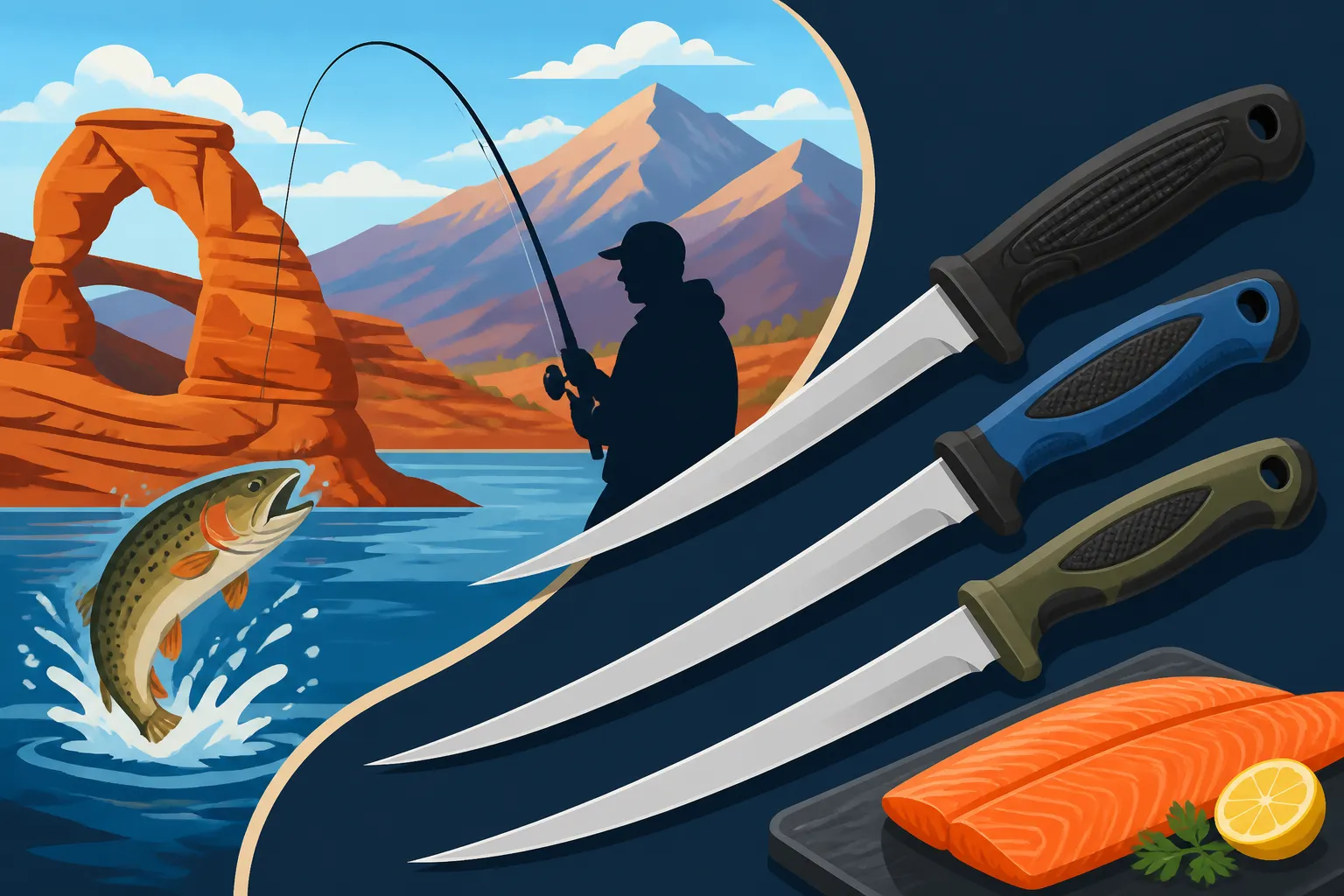
The manual fillet knife is what most people picture when they think about cleaning fish. It’s a classic for a reason: simple, reliable, and incredibly versatile. These knives rely purely on your skill and strength, offering a tactile connection to the fish that many anglers appreciate. They come in a vast array of blade lengths, flexibilities, and handle designs, allowing for a highly personalized choice. From a small, super-flexible 6-inch blade for panfish to a long, semi-stiff 10-inch blade for processing large lake trout, there’s a manual knife for every situation.
The main advantage of manual knives is their portability and independence. You don’t need a power source, making them perfect for backcountry trips to the Uinta Mountains, shore fishing at any reservoir, or even cleaning fish right on the dock. They are also generally more affordable than their electric counterparts, and with proper care, a good quality manual knife can last a lifetime. Learning to use a manual fillet knife effectively is a skill that takes practice, but once mastered, it allows for incredibly precise cuts, yielding beautifully clean fillets with minimal waste. Brands like Rapala, Dexter-Russell, and Bubba Blade are widely popular and offer excellent manual options that you can often find at local tackle shops or online retailers like Bass Pro Shops.
Electric Fillet Knives: Speed and Efficiency for Big Catches
When you're faced with a cooler overflowing with fish, especially if they're larger species or you have a large limit of smaller ones, an electric fillet knife can be an absolute game-changer. These knives use oscillating or reciprocating blades powered by electricity, doing much of the hard work for you. The blades move rapidly, allowing you to zip through fish quickly with minimal effort. This can be a huge relief after a long day of fishing, saving your hands and wrists from fatigue.
Electric knives truly shine when processing species like walleye, catfish, striped bass, or even a large haul of perch or kokanee. They excel at cutting through tough skin and dense bone structures, making what could be a laborious task much faster and easier. Many electric fillet knives come with interchangeable blades of different lengths and flexibilities, allowing you to adapt to various fish sizes. They typically require an AC power source, but some models offer rechargeable battery packs, greatly enhancing their portability for use at cleaning stations or on boats with accessible power outlets. While they might not offer the same level of delicate precision as a skilled hand with a manual knife for very intricate cuts, their speed and power are undeniable benefits, especially for anglers who regularly catch larger volumes of fish or struggle with hand fatigue.
Specialty Knives: Boning and Detail Work
Beyond the general-purpose fillet knives, there are also specialty knives that can be incredibly useful for specific tasks, particularly for those who want to maximize their yield or achieve restaurant-quality results. While a good fillet knife can handle most of the work, a dedicated boning knife, for example, has a shorter, stiffer, and often slightly curved blade that is perfect for removing any stubborn pin bones or for separating meat from bone on larger cuts. The stiffness provides the leverage needed for these more robust tasks.
Another type of specialty blade might be even smaller and more pointed, designed for detail work, such as skinning delicate fillets or trimming away bloodlines with utmost precision. These aren't usually necessary for the average angler but can be a valuable addition for enthusiasts who take great pride in their fish preparation. Think of them as the fine-tuning tools that complement your main fillet knife. For most Utah anglers, a well-chosen manual fillet knife, potentially augmented by an electric one for larger hauls, will cover all the bases. However, knowing these specialty options exist can help you refine your toolkit as your skills and preferences evolve.
Key Factors When Choosing Your Utah Fillet Knife
Deciding on the best fillet knife for your needs involves more than just picking a sharp blade. It's about aligning the tool with your specific fishing habits, the types of fish you target, and how often you'll be using it. Considering these factors will help you make a smart, long-lasting investment.
Target Species and Average Size
This is perhaps the most crucial factor in your decision. The fish you catch in Utah vary wildly in size, bone structure, and skin toughness, and your knife should reflect that. If you primarily chase smaller panfish like bluegill or perch in urban ponds, or small rainbow trout in stocked reservoirs, a shorter, more flexible blade (6-7.5 inches) will give you the control needed for delicate work around small bones. This type of knife allows for precise cuts, maximizing the yield from smaller fish.
However, if you're often targeting larger species such as walleye at Utah Lake, hefty brown trout in the Green River, or the impressive lake trout at Flaming Gorge, a longer (8-11 inches) and possibly stiffer blade is essential. A longer blade allows you to make fewer, longer passes, reducing the chance of tearing the meat and increasing efficiency. For exceptionally tough-skinned fish like large channel catfish, a sturdier, less flexible blade might even be beneficial to cut through their armored hide. If your angling pursuits are diverse, catching everything from tiny trout to massive stripers, you might find that owning two different knives—one shorter, flexible, and one longer, stiffer—is the ideal solution. Think about the average size of the fish you're most likely to be cleaning when making your choice. This decision greatly influences your efficiency and satisfaction at the cleaning station. For those big cats, consider specific tools referenced in Tools You Need to Fillet a Catfish.
Your Filleting Frequency and Location
How often do you plan to fillet fish, and where will you typically be doing it? These questions can guide you towards either a manual or electric option, and impact your decision on durability and portability. If you’re an occasional angler who only cleans a few fish a month, a high-quality manual fillet knife will likely suffice. It’s low maintenance, easy to transport, and doesn't require a power source. This makes it perfect for impromptu cleaning sessions at a campsite after a successful day hiking to high-altitude Uinta Lakes, or simply on your patio at home.
However, if you're a serious angler who regularly fills limits, participates in tournaments, or processes dozens of fish at a time, an electric fillet knife could be a significant time and effort saver. Imagine cleaning 30 yellow perch after a productive ice fishing trip at Scofield Reservoir – an electric knife will make short work of it, saving your hands from cramping. The "where" also matters: if you always clean fish at a dedicated cleaning station with power outlets, an electric knife is a no-brainer. But if you often clean fish in remote locations, a battery-powered electric knife or a reliable manual knife is your best bet. Portability, ease of cleaning the knife itself, and the availability of a power source are all practical considerations that heavily influence your best choice.
Budget and Brand Reputation
Let's be real, gear costs can add up, and fillet knives are no exception. You can find basic fillet knives for relatively little, and they might get the job done for a few outings. However, as with many tools, you generally get what you pay for. Investing a bit more in a quality knife from a reputable brand can mean the difference between a frustrating, short-lived tool and a reliable companion that serves you for years. While we can't discuss specific prices, generally, a higher-priced knife often indicates better blade material, superior edge retention, more comfortable ergonomics, and greater durability.
When considering your budget, think about the value over time. A knife that holds an edge longer, is easier to sharpen, and feels good in your hand will save you time and frustration in the long run. Brands like Rapala, Dexter-Russell, Bubba Blade, and even some kitchen knife manufacturers that offer fishing-specific blades have earned their reputation by consistently producing high-quality fillet knives. You can find a wide range of options from these trusted names at outdoor retailers like Bass Pro Shops or online platforms such as Amazon. Reading reviews and comparing features within your budget can help you identify a knife that offers the best balance of performance and cost. Don't feel pressured to buy the most expensive option, but also be wary of sacrificing too much quality for a rock-bottom price, especially for a tool as critical as a fillet knife. For other essential items, check out Utah Fishing Gear Guide.
Maintenance and Sharpening for Longevity
Even the best fillet knife in the world won't stay that way without proper care. Maintenance is not just about keeping your knife clean; it's about preserving its edge, preventing corrosion, and ensuring its safety and effectiveness for many years of filleting Utah's diverse catches.
Cleaning and Storage Best Practices
After a successful day of fishing and filleting, the very first step in knife maintenance is thorough cleaning. Fish slime, blood, and scales are highly corrosive and can quickly dull a blade or promote rust if left unchecked. As soon as you finish filleting, rinse your knife immediately with fresh, clean water. Using a mild dish soap and a soft brush or sponge will help remove any stubborn residue. Pay close attention to the area where the blade meets the handle, as this is a common spot for grime to accumulate. For electric knives, always follow the manufacturer's instructions for cleaning, which usually involves detaching the blades and washing them separately, being careful to keep the motor housing dry.
Once clean, it's crucial to dry your knife completely. Air drying might seem convenient, but residual moisture, especially in humid conditions or if you live near the Great Salt Lake, can still lead to spots or rust. Use a clean, dry cloth to wipe down the entire blade and handle. For storage, avoid tossing your knife loosely into a tackle box where it can bang against other gear, dulling the edge and posing a safety hazard. Many fillet knives come with a protective sheath, which is the ideal way to store them. If yours doesn't, consider purchasing a universal blade guard. Store your knife in a dry place, away from extreme temperatures and moisture, ensuring it's ready and razor-sharp for your next angling adventure. Proper storage also extends to other gear, so consider How to Store Fishing Gear Over a Utah Winter.
Keeping Your Edge: Sharpening Techniques
A sharp knife is a safe knife, and it's also a far more efficient knife. Even the highest quality blades will eventually lose their razor edge with use. Regular sharpening isn't just about restoring a dull blade; it's about maintaining peak performance. There are several methods for sharpening, each with its own merits. Whetstones, or sharpening stones, are a classic choice, offering excellent control and allowing you to achieve a truly fine edge. They come in various grits, from coarse for repairing damaged edges to very fine for honing a razor-sharp finish. This method requires a bit of practice to maintain a consistent angle, but the results are worth it.
Pull-through sharpeners offer a quicker, more convenient option, often with pre-set angles that simplify the process for beginners. While they might not achieve the same ultra-fine edge as a whetstone, they are excellent for quick touch-ups or for those who want a less intimidating sharpening experience. Electric sharpeners are another user-friendly choice, doing much of the work for you with abrasive wheels. Regardless of the method you choose, consistency in maintaining the correct sharpening angle is key. Most fillet knives benefit from an angle between 15-20 degrees per side. Regular, light honing with a ceramic rod or steel can also extend the life of your edge between full sharpening sessions, keeping your blade ready for action.
When to Replace Your Fillet Knife
While good maintenance can significantly extend the life of your fillet knife, there comes a time when replacement is the best option. One of the most obvious signs is when the blade becomes too thin or warped from repeated sharpening. If the blade starts to flex excessively in unintended ways, or if you can no longer achieve a consistent, sharp edge no matter how much you sharpen it, it's likely time for a new one. A blade that has lost its structural integrity can be dangerous and ineffective.
Another critical factor is the handle. If the handle becomes cracked, loose, or the non-slip material has worn down to the point where it no longer provides a secure grip, the knife poses a serious safety risk. Even if the blade is still decent, a compromised handle is a dealbreaker. Rust pitting that is too deep to remove, or extensive corrosion that weakens the blade, also signals it’s time to retire the knife. Finally, if you've noticed that your current knife is simply inadequate for the fish you're now catching—perhaps you've started targeting larger species and your short, flexible blade just isn't cutting it—it might be time for an upgrade, even if the old knife is still functional for smaller tasks. Think of it as evolving your gear to match your evolving angling skills and targets.
Top Picks and Where to Find Them
Navigating the sea of fillet knife options can feel daunting, but many trusted brands consistently deliver quality and performance. While personal preference plays a huge role, looking at widely acclaimed knives can give you a great starting point for your own gear decisions.
Recommended Manual Fillet Knives
For many Utah anglers, a reliable manual fillet knife is the cornerstone of their fish cleaning kit. These knives offer precision, control, and portability that electric models can't always match, especially when you're out in the wild.
One of the most iconic and highly recommended brands for manual fillet knives is Rapala. Their knives are legendary for their razor-sharp blades and comfortable, easy-to-grip handles. Rapala offers a variety of lengths and flexibilities, from smaller, super-flexible blades perfect for delicate trout and panfish up to longer, stiffer options for larger species. Their stainless steel blades hold an edge well and are relatively easy to sharpen. You can typically find Rapala knives in a wide array of outdoor stores and easily on Amazon.
Another top contender is Dexter-Russell. Often considered the workhorse of commercial fishing and processing, Dexter-Russell knives are known for their exceptional sharpness right out of the box and their ability to maintain an edge even with heavy use. Their Sani-Safe handles are designed for superior grip and hygiene, making them a favorite among professionals and serious anglers alike. They offer many blade sizes and flex options, ensuring you can find one tailored to your specific catch, whether it's a limit of perch or a trophy walleye.
Then there's Bubba Blade. These knives have gained a huge following for their distinctive, oversized handles designed for maximum grip, even when wet and slimy, reducing the risk of slippage. Their blades are often high-carbon stainless steel, providing excellent edge retention, and many models come with a non-stick coating. Bubba Blade offers a range of sizes, including longer blades well-suited for bigger fish like lake trout or stripers. These brands consistently receive high praise from anglers for their durability and performance. You can often explore a broad selection of these manual knives at large outdoor retailers like Bass Pro Shops.
Recommended Electric Fillet Knives
When you need speed, power, and efficiency to process a significant haul, an electric fillet knife is the way to go. They take much of the physical strain out of the filleting process, allowing you to get your fish cleaned and on ice much faster.
A consistently popular choice among electric fillet knives is the Rapala Electric Fillet Knife. Just like their manual counterparts, Rapala has designed an electric version that is both reliable and effective. It’s known for its comfortable handle, good balance, and sharp reciprocating blades that glide through fish quickly. Many models come with different blade lengths, making them versatile for various species found in Utah, from multiple kokanee salmon to a cooler full of walleye. Their AC-powered units are robust, and they also offer cordless options for increased portability.
Another highly regarded brand is Bubba Blade Electric Fillet Knife. True to their reputation, Bubba Blade brings their signature non-slip grip to their electric models, ensuring safety and control even with slippery hands. Their electric knives are powerful, often featuring robust motors and flexible, corrosion-resistant blades that make quick work of even tough-skinned or larger fish. They frequently come with multiple blade options, allowing anglers to switch between sizes for different types of fish.
Lastly, don't overlook options from brands like ProFormance/American Angler. These often offer powerful motors and interchangeable blades designed for efficiency and durability. While sometimes less common than Rapala or Bubba, they frequently provide excellent value and performance for the dedicated angler. When purchasing an electric fillet knife, consider if you need a corded (AC) model for home or cleaning station use, or a battery-powered (DC) model for on-the-go filleting. All these brands are widely available through online retailers like Amazon, offering convenience and a broad selection to choose from.
Fillet Knife Comparison Chart
To help visualize some of the key differences and features when choosing between popular types of fillet knives, here's a handy comparison chart. This table highlights general characteristics; specific models within each type will have variations.
| Feature / Type | Manual Fillet Knife | Electric Fillet Knife (Corded) | Electric Fillet Knife (Cordless) |
|---|---|---|---|
| Primary Advantage | Precision, control, no power needed, portable | Speed, power, efficiency for large quantities/tough fish | Speed, portability (no cord), efficiency |
| Best For | All sizes, especially small to medium fish; delicate work; remote locations | Medium to large fish, high volume, heavy use; home/cleaning stations with power | Medium to large fish, high volume; on-boat or remote use with battery |
| Blade Length | 6-11 inches (single blade) | Often interchangeable blades (6-10+ inches) | Often interchangeable blades (6-10+ inches) |
| Flexibility | Varies from very flexible to stiff | Blades typically have medium to stiff flex | Blades typically have medium to stiff flex |
| Power Source | Angler's hand/skill | AC outlet (wall plug) | Rechargeable battery pack |
| Maintenance | Regular sharpening, hand wash, dry, sheath storage | Blade cleaning, motor housing dry, battery care, charge | Blade cleaning, motor housing dry, battery care, charge |
| Portability | Excellent (lightweight, small) | Limited by cord length, power outlet needed | Good (battery allows freedom) |
| Skill Required | High (to achieve clean fillets) | Low to moderate (knife does most of the work) | Low to moderate (knife does most of the work) |
| Typical Brands | Rapala, Dexter-Russell, Bubba Blade, Morakniv | Rapala, Bubba Blade, Mister Twister, American Angler | Rapala, Bubba Blade, American Angler |
This chart should provide a quick reference when weighing the pros and cons of each type as you consider your next fillet knife. Remember to always prioritize safety, sharpness, and comfort in your final decision.
Disclaimer
This article is for general informational purposes only and does not constitute professional advice. Laws, prices and regulations vary by location and change over time. Consult a qualified professional for guidance on your specific situation.