Tools You Need to Fillet a Catfish
Catching a big channel cat or a flathead out of Utah Lake can be an absolute thrill, but then you get it home, and the thought of breaking down that slippery, thick-skinned, spiny creature can feel like a whole new challenge. Many anglers get intimidated by the prospect of filleting a catfish, often resorting to skinning it whole or even just gutting and frying it in the round, missing out on those beautiful, boneless fillets. This guide is here to demystify the process and equip you with the specific tools that make filleting a Utah catfish not just manageable, but surprisingly efficient and even enjoyable.
Why Filleting a Catfish is a Unique Challenge
Filleting any fish requires a sharp knife and some skill, but catfish present a few particular hurdles that make them stand out from, say, a rainbow trout or a walleye. Their physical characteristics demand a different approach and often a specialized set of tools to ensure safety, efficiency, and a clean fillet. Understanding these challenges is the first step to conquering them.
Tough, Scaleless Skin
Unlike most fish that have easily removable scales, catfish are known for their incredibly tough, leathery, and scaleless skin. This isn't just a minor inconvenience; it's a major factor that dictates your filleting strategy. Trying to fillet a catfish like you would a scaled fish, by cutting through the skin and then separating the fillet, usually leads to frustration and dull knives. The skin adheres stubbornly to the meat and requires a dedicated method to remove it effectively.
This tough exterior is why many seasoned anglers opt to skin a catfish before they even begin the actual filleting process. It’s not just about preference; it's about making the job significantly easier and preserving the edge of your primary fillet knife. Imagine trying to slice through a tire with a butter knife – that's a bit like taking a delicate fillet knife to thick catfish skin. The right tools, however, transform this formidable barrier into a straightforward step, allowing you to get to that sweet, flaky meat.
Sharp Spines and Fins
Another characteristic that sets catfish apart is their formidable array of sharp, bony spines located in their dorsal and pectoral fins. These aren't just for show; they can deliver a painful poke or even a nasty cut if you're not careful. This aspect alone often deters beginners, but even experienced anglers need to be mindful. Trying to manhandle a catfish without respecting its defenses can lead to injury, making an otherwise pleasant fishing trip end on a sour note.
The presence of these spines means you need to handle the fish carefully and consider tools that protect your hands and provide a secure grip. It’s not just about cutting the meat, but safely maneuvering the fish itself. Ignoring these natural defenses is a recipe for a trip to the first aid kit, so having the right safety gear and a solid plan for dealing with the fins is paramount to a successful and injury-free filleting session. This is especially true for larger catfish, where their spines can be quite substantial.
The Absolute Essential Tools for Catfish Filleting
To effectively fillet a catfish, you’ll need more than just a standard kitchen knife. These essential tools are designed to tackle the unique challenges that catfish present, making the process safer and more efficient. Don't try to skimp on these; they're the foundation of successful catfish processing.
A Robust Skinning Pliers or Skinning Tool
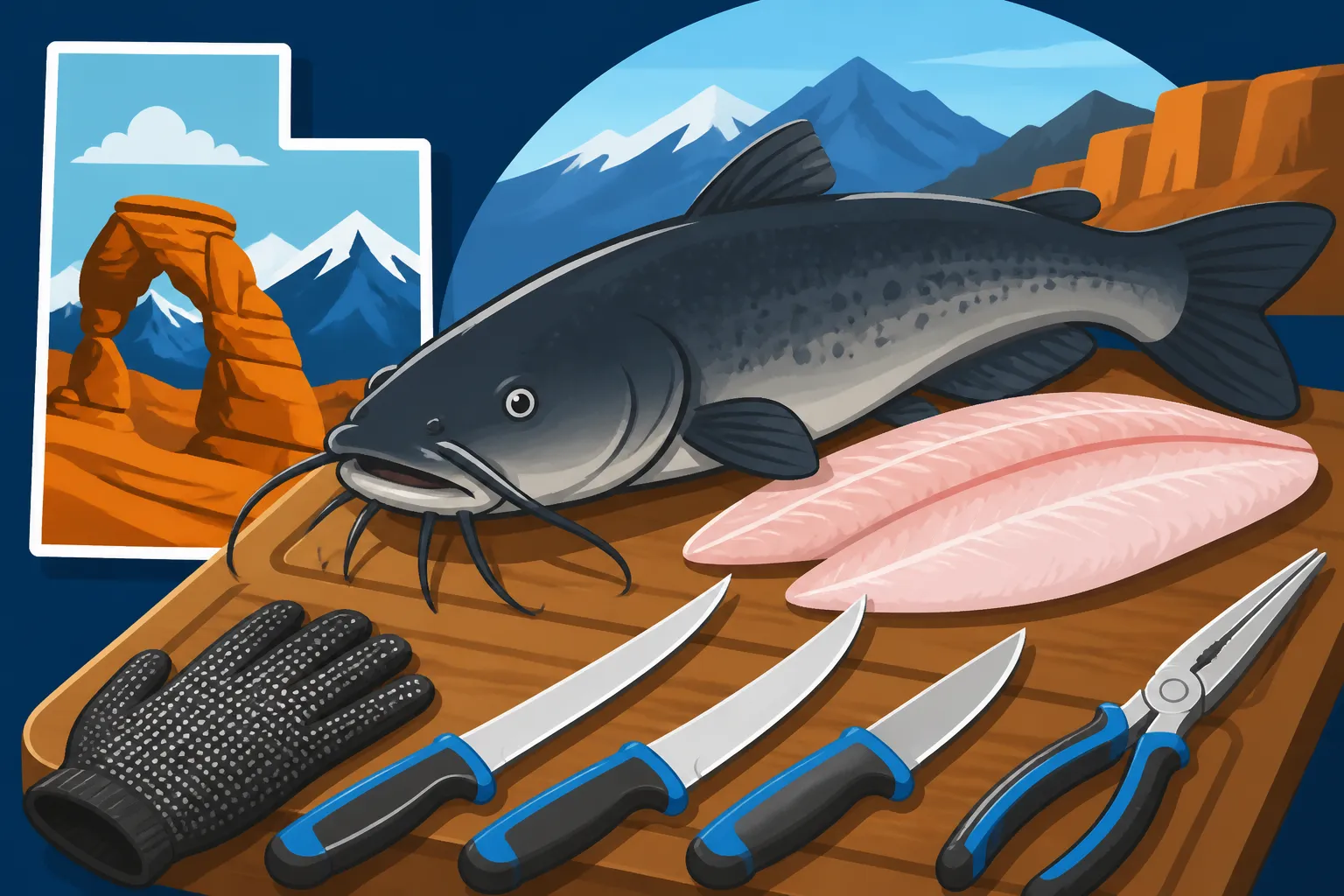
This is arguably the most crucial tool specifically for catfish. Given their tough, scaleless skin, trying to peel it back with just your hands or a small knife is an exercise in futility. A good pair of skinning pliers provides the leverage and grip needed to rip that skin clean off the fillet, or off the entire fish before you even start cutting the meat. Look for pliers with a strong, ergonomic grip and aggressive teeth or a serrated edge on the jaws to really latch onto the skin without slipping. Some models even have a specialized design that makes this task even easier.
Think of it this way: you make a cut behind the head, severing the skin all the way around, and then grab that flap with your pliers. With a firm, steady pull, often in combination with a skinning knife, you can separate the skin from the meat. This is where those strong pliers shine. Without them, you'd be wrestling with a slimy, uncooperative fish for ages. You can find excellent options for these at places like Bass Pro Shops or even online through Amazon, often marketed specifically for catfish.
A Sharp, Sturdy Fillet Knife
While you might be tempted to use your everyday kitchen knife, a dedicated fillet knife is non-negotiable for clean cuts and minimal waste. For catfish, you'll want a knife that's sharp enough to glide through meat but also sturdy enough to handle the denser texture, especially around the rib cage. A longer blade, typically in the 7-to-9-inch range, can be very beneficial, especially when dealing with larger fish. This allows you to make long, sweeping cuts from head to tail in a single motion, separating the fillet cleanly.
Consider a knife with a bit less flexibility than what you might use for, say, a delicate panfish. A stiffer blade provides better control and leverage when cutting through the muscle and around bones. The handle is also important; look for one with a non-slip grip, as your hands will inevitably get wet and slimy. This knife will be your primary tool for separating the fillets from the backbone and then cleaning them up. You might find some excellent options that are also good for larger species like walleye; checking out guides like Best Fillet Knife Length for Trout can give you an idea of blade length considerations, even if trout are a different beast.
Cutting Board
This might seem obvious, but having the right cutting board makes a world of difference. You need a board that is large enough to accommodate your catfish, stable, and easy to clean. A board that's too small will lead to fish spilling over the edges, making a mess and increasing the risk of accidental cuts. Look for a sturdy plastic or composite board with a non-slip surface or rubber feet to keep it from sliding around on your counter. Some even feature a channel around the edge to collect juices, keeping your workspace tidier.
Hygiene is critical when preparing fish, so choose a board that can be thoroughly washed and sanitized after each use. Wooden boards, while aesthetically pleasing, can absorb fish odors and bacteria, making them less ideal for raw fish processing. A good, large plastic cutting board will provide a safe and stable surface for all your filleting needs, helping you achieve clean cuts without battling a moving target. If you're often fishing from a boat, consider a portable fish cleaning station or a board that's designed to be used at a Best Fish Cleaning Table for a Boat Ramp to make the task even easier post-catch.
Helpful (But Not Strictly Necessary) Tools for a Smoother Job
While the essentials will get the job done, a few additional tools can significantly improve your efficiency, comfort, and safety when filleting catfish. These are the items that move the process from merely functional to genuinely enjoyable.
Fillet Glove or Cut-Resistant Glove
Even with the best knife skills, accidents can happen, especially when working with slippery fish and razor-sharp blades. A fillet glove or any quality cut-resistant glove (often made from materials like Kevlar or Dyneema) provides an invaluable layer of protection for your non-dominant hand. This is the hand that holds the fish steady, making it particularly vulnerable to slips.
Wearing a glove not only protects you from accidental knife cuts but also from those pesky catfish spines. While it won't prevent punctures entirely, it certainly reduces the severity and frequency of pokes. It’s a small investment that offers a huge peace of mind, allowing you to focus on your cuts rather than worrying about injury. Many anglers find these gloves indispensable once they've tried them, realizing how much more confidently they can handle the fish. You can find these at most sporting goods stores or on Amazon.
Sharpening Stone or Honing Steel
A sharp knife isn't just about making clean cuts; it's also a safety feature. A dull knife requires more force, increasing the risk of slips and accidents. While a brand-new fillet knife will be razor-sharp, even the best blades will dull over time, especially after going through a few catfish. Having a sharpening stone, a diamond sharpener, or a honing steel on hand ensures your knife stays in peak condition throughout your filleting session and for years to come.
A quick touch-up with a honing steel before you start, and perhaps midway through a large batch of fish, can make a significant difference. For more serious dullness, a sharpening stone will restore the edge. There are many types and grits available, so choose one that fits your comfort level and the type of knife you have. Keeping your knife surgically sharp will make every cut easier, more precise, and safer, contributing to a better overall experience. It’s an essential part of Utah Fishing Gear Guide for any serious angler.
Fish Gripper or Clamp
Catfish are notoriously slimy, making them difficult to hold securely, even with gloves. A fish gripper or clamp can be a game-changer here. These tools allow you to firmly hold the fish by the lower jaw or body without putting your hands near sharp fins or gill plates. This secure grip is invaluable when you're making initial cuts, skinning the fish, or separating fillets from the backbone.
Many fish grippers also have an integrated scale, which is a nice bonus for weighing your catch before you process it. They come in various sizes and materials, from simple plastic clamps to more robust stainless steel models. While not strictly necessary if you have good technique and a cut-resistant glove, a gripper minimizes direct contact with the fish, reducing slime transfer to your hands and tools, and provides a level of control that can make the whole process much less messy and frustrating.
Electric Fillet Knife
For those who regularly process a lot of fish, especially larger species like catfish, an electric fillet knife is a luxury that quickly becomes a necessity. These knives feature rapidly oscillating blades that make quick work of fish, effortlessly slicing through tough skin and bone. They can significantly reduce the physical effort and time required for filleting, making them incredibly valuable after a successful day on the water where you've caught your limit of Utah Lake Catfish Species.
While traditional manual fillet knives offer more control for intricate cuts, an electric knife excels at speed and brute force, powering through the backbone and larger sections of meat. They do require a bit of practice to master, but once you get the hang of it, you'll wonder how you ever lived without one. Consider models with both AC and DC power options for versatility, allowing you to use them at home or even boat-side if you have a power source. Bass Pro Shops and Amazon offer a wide range of electric fillet knives.
Step-by-Step Catfish Filleting with the Right Tools
Alright, you’ve got your tools, now let’s talk technique. Breaking down a catfish might seem daunting, but with the right gear and a systematic approach, it becomes much more manageable. This simplified guide will walk you through the process, assuming you've got your essential and helpful tools ready.
Preparing Your Workspace and the Fish
First things first, get your workspace ready. Lay down your large, non-slip cutting board on a stable surface. Have your skinning pliers, fillet knife, and cut-resistant glove within easy reach. A bucket of water nearby for rinsing your hands or the fish can also be very handy. Remember that catfish are slimy, so anticipate some mess and prepare accordingly, perhaps with a few old towels.
Once your space is prepped, take your catfish and give it a good rinse to remove any loose slime or debris. Some anglers even suggest using a coarse salt rub to help de-slime the fish, making it easier to handle. If you're using a fish gripper, now is the time to secure the fish so it doesn't flop around while you work. Safety first: put on your cut-resistant glove!
The Initial Cuts and Skinning Process
This is where the catfish-specific tools truly shine. Start by laying the catfish flat on its side. Using your fillet knife, make a deep cut directly behind the pectoral fin, cutting down through the backbone, but don't sever the head entirely. Then, turn the knife and cut along the top of the fish, following the backbone from the initial cut all the way to the tail.
Now, for the skinning. This is the part that often gives people trouble without the right tools. From that initial cut behind the head, you should have a flap of skin. Grab this flap firmly with your skinning pliers. With your other hand holding the fish down, pull the pliers with steady, firm pressure, peeling the skin away from the meat. You might need to use your fillet knife to gently separate the skin from the meat in tougher spots, or for large fish, to cut strips of skin rather than attempting to remove it all in one go. Repeat this for the other side of the fish. Once skinned, you'll be left with a much cleaner, easier-to-handle carcass.
Filleting and Cleaning the Meat
With the skin removed, the actual filleting becomes a much smoother process. Place the skinned fish back on your cutting board. Using your sharp fillet knife, continue the cut you made along the backbone, separating the top fillet from the rib cage and backbone. Guide your knife along the bones, trying to get as much meat as possible. Once the top fillet is off, you can often remove the belly meat or a smaller lower fillet, depending on the size of the fish and how you prefer to cut it.
After you have removed the main fillets, you’ll likely find a small strip of rib bones still attached. Carefully run your fillet knife underneath these bones, separating them from the clean meat. Inspect your fillets for any remaining bits of skin, stray bones, or dark red meat (bloodline), which some people prefer to trim for a milder flavor. Rinse your beautiful, boneless fillets under cold water, pat them dry, and they're ready for your favorite recipe. This process, while detailed, becomes quite fast with practice and the proper gear, yielding delicious results from species like the channel catfish or flathead that thrive in waters such as Utah Lake. If you're interested in general filleting advice, you can check out How to Fillet a Trout After Keeping Your Limit for another perspective on fish processing.
Maintaining Your Filleting Tools
Just like any good craftsman, a good angler knows the value of taking care of their tools. Proper maintenance not only extends the life of your equipment but also ensures that every time you head out to process your catch, your tools are ready for the task. Neglecting your gear can lead to rust, dull blades, and unnecessary frustration.
Cleaning and Drying After Each Use
This is the golden rule of tool maintenance, especially for anything used with fish. As soon as you’re done filleting, wash your tools thoroughly. Use warm, soapy water to remove all fish residue, slime, and blood. Pay extra attention to the crevices of knife handles and the joints of pliers, as gunk can easily accumulate there.
After washing, it’s absolutely critical to dry your tools completely. Moisture is the enemy of metal, leading to rust and corrosion, which can quickly ruin a good knife or pair of pliers. Use a clean towel to dry everything by hand, and then consider letting them air dry for a bit longer before putting them away. This simple step prevents the most common forms of damage and keeps your tools looking and performing their best.
Proper Storage for Longevity
How you store your tools when they're not in use is just as important as how you clean them. For knives, always use a blade guard or a dedicated knife sheath to protect the edge and prevent accidental cuts. Don't just toss your fillet knife into a drawer with other utensils where the blade can get dinged or dulled. Magnetic knife strips or knife blocks are also excellent storage solutions.
Pliers and other metal tools can benefit from a light coat of food-grade mineral oil if they’re going to be stored for an extended period, especially in a humid environment. This adds an extra layer of protection against rust. Keep all your filleting tools in a designated tackle box or drawer, away from other items that could damage them, and ensure they are in a dry environment. This attention to detail will mean your tools are sharp and ready for action whenever you land a trophy catfish.
| Tool Category | Essential for Catfish Filleting | Highly Recommended | Why It Matters for Catfish |
|---|---|---|---|
| Knives | Fillet Knife (Stiff, 7-9 inch) | Electric Fillet Knife | Needed for precise cuts and separating meat from bone; electric speeds up large catches. |
| Grip & Handling | Skinning Pliers | Fish Gripper | Crucial for tough, slimy skin removal; aids secure, safe handling. |
| Workspace | Large Cutting Board | Provides stable, sanitary surface for large, slippery fish. | |
| Safety | Cut-Resistant Glove | Protects hands from sharp spines and knife slips. | |
| Maintenance | Sharpening Stone | Keeps knives razor-sharp for efficient, safe cuts. |
Disclaimer
This article is for general informational purposes only and does not constitute professional advice. Laws, prices and regulations vary by location and change over time. Consult a qualified professional for guidance on your specific situation.