Life Jacket Requirements on a Utah Boat
Navigating the myriad of boating regulations can feel like trying to untangle a fishing line after a particularly enthusiastic cast – frustrating, confusing, and if you don't get it right, potentially dangerous. One of the most critical, yet often misunderstood, aspects of boating safety in Utah is the requirement for life jackets, or personal flotation devices (PFDs). This guide aims to cut through the confusion, clearly outlining what you need to know to stay safe and compliant on Utah's beautiful, but sometimes unpredictable, waters.
Why Every Boater Needs a Life Jacket, Legally and Safely
It’s easy to think of a life jacket as just another piece of gear, something you only need because "the law says so." But in Utah, where our reservoirs can be vast and our rivers swift, a PFD isn't just a legal obligation; it's a fundamental piece of safety equipment that can literally mean the difference between life and death. The state's requirements are designed not to make your life harder, but to protect you and your loved ones from the inherent risks of being on the water.
The Real Risks on Utah Waters
Imagine a beautiful summer day on Lake Powell, the sun shining, the water beckoning. You're out in your boat, enjoying the scenery. Suddenly, a rogue wave from a passing cruiser, or perhaps an unexpected gust of wind, causes someone to go overboard. In that frantic moment, having a readily accessible, properly fitted life jacket can be the difference. Even the strongest swimmers can be incapacitated by cold water shock, injury from hitting the water, or simply the panic of an unexpected fall. Our gorgeous alpine lakes, like Bear Lake or Flaming Gorge, might look calm, but their water temperatures can be surprisingly cold, even in summer, leading to hypothermia much faster than you’d expect. This isn't just about avoiding a fine; it's about surviving a real-world emergency. The Utah Division of Wildlife Resources (DWR) and other agencies emphasize PFD use constantly for good reason – they save lives.
Beyond the Fines: The Cost of Non-Compliance
While the legal penalties for not having the correct life jackets on board can include fines, the true cost of non-compliance is far graver. Losing a loved one, or experiencing a tragic accident that could have been prevented, is an immeasurable burden. Beyond the human toll, there's the disruption to search and rescue operations, which often involve multiple agencies and significant resources. Having the right PFDs means that if an incident occurs, those who fall overboard have a much higher chance of staying afloat, increasing their visibility and giving rescuers more time to reach them. It also means you’re setting a responsible example for other boaters and for younger generations learning to love the water.
Decoding Utah's Specific Life Jacket Rules by Age and Type
Utah's regulations regarding life jackets are quite specific, aiming to cover various scenarios and ensure adequate protection for all ages. It's not enough just to have life jackets on your boat; they must be the correct type, in good condition, and worn by the appropriate individuals. Understanding these nuances is crucial for any boater planning to launch onto any of Utah's lakes, reservoirs, or rivers.
Who Must Wear a Life Jacket in Utah
The most critical distinction in Utah's life jacket laws revolves around age. Here’s the breakdown:
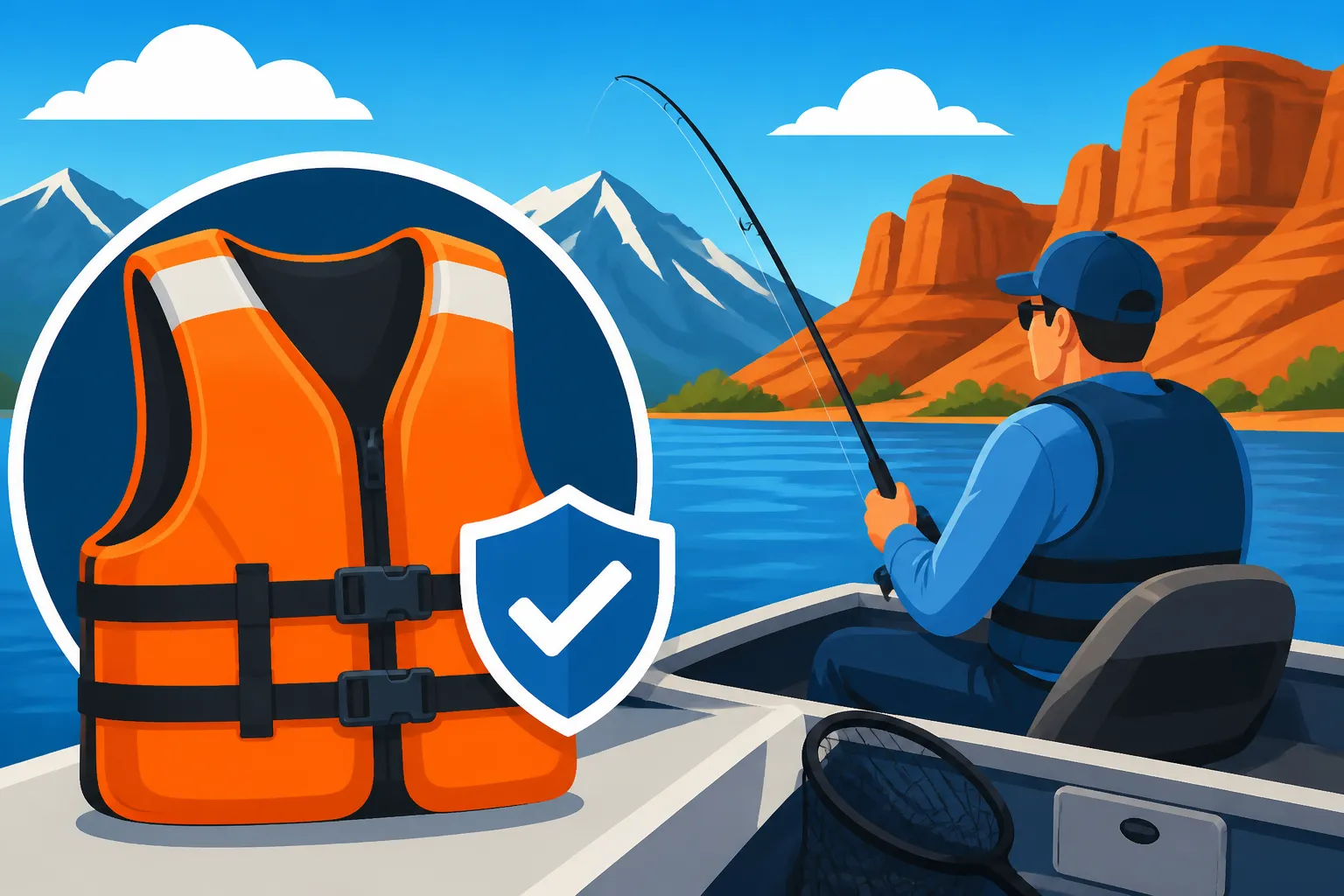
- Children 12 Years Old and Younger: This is non-negotiable. Any child 12 years of age or younger must wear a properly fitted, Coast Guard-approved life jacket at all times while on a moving vessel. This includes motorboats, canoes, kayaks, paddleboards, and any other vessel underway. This rule is in place because young children are particularly vulnerable in a boating accident, and their smaller bodies lose heat much faster in cold water. Even if you're just paddling around a calm community pond, if your vessel is moving, the child needs to be in their PFD.
- Passengers on Personal Watercraft (PWC): Anyone riding a personal watercraft, such as a Jet Ski or WaveRunner, must wear a Coast Guard-approved life jacket. PWCs are inherently fast and maneuverable, making falls into the water a common occurrence. A PFD ensures you're immediately buoyant and visible if you take an unexpected dip.
- Those Being Towed: If you're waterskiing, wakeboarding, tubing, or engaged in any other activity where you are being towed behind a vessel, you must wear a Coast Guard-approved life jacket. The forces involved in these activities, and the potential for impact with the water, make a PFD absolutely essential.
- All Other Occupants: For everyone else on board a vessel, regardless of age, there must be at least one readily accessible, Coast Guard-approved life jacket for each person. While adults over 12 are not legally required to wear it at all times (unless on a PWC or being towed), it must be on the boat and easily reachable in case of an emergency. "Readily accessible" means not stowed in a locked compartment, under a pile of gear, or in its packaging. It needs to be within arm's reach.
It's also worth noting that in certain extreme conditions or on specific bodies of water, additional regulations or recommendations might apply. Always check current conditions and any local advisories before heading out. For more details on overall regulations, you can refer to our Utah Boating and Fishing Rules guide.
Quantity and Condition: Meeting the Minimums
Beyond who wears them, Utah law also dictates how many and what condition your PFDs must be in.
- One Per Person: Every vessel must have at least one wearable, Coast Guard-approved PFD for each person on board. This is the absolute minimum. If you have eight people on your pontoon boat, you need eight life jackets.
- Throwable Devices (Type IV): Boats 16 feet in length or longer (excluding canoes and kayaks) must also carry at least one Type IV throwable PFD. This is a cushion or ring buoy designed to be thrown to someone in the water, not worn. It's an extra layer of safety for emergencies where someone unexpectedly falls overboard and you need to get buoyancy to them quickly. You can find more comprehensive information on Throwable Flotation Device Requirements on a Utah Boat.
- Good, Serviceable Condition: All life jackets must be in good, serviceable condition. This means no rips, tears, broken buckles, or straps. The flotation material should not be waterlogged or compressed, which would reduce its buoyancy. Faded fabric, minor stains, or a few stray fish scales are generally okay, but anything that compromises its structural integrity or ability to float a person is not. Regularly inspect your PFDs at the beginning of each boating season and before every trip.
- Proper Fit: A life jacket is only effective if it fits the wearer properly. This means snug, but not uncomfortably tight, with all buckles fastened and zippers zipped. For children, especially, it’s vital that the PFD does not ride up over their ears when lifted by the shoulder straps. An ill-fitting life jacket can actually be dangerous, hindering movement or even slipping off in the water.
This table provides a quick overview of the main requirements:
| Category | Requirement | Notes |
|---|---|---|
| Children 12 & Under | Must wear a Coast Guard-approved PFD. | While vessel is underway. |
| PWC Occupants | Must wear a Coast Guard-approved PFD. | All riders, regardless of age. |
| Those Being Towed | Must wear a Coast Guard-approved PFD. | Waterskiing, wakeboarding, tubing, etc. |
| All Other Persons | One readily accessible, Coast Guard-approved PFD for each person on board. | Adults 13+ not on PWC or being towed are not required to wear it, but it must be on the vessel and easily reachable. |
| Vessels 16 ft & Longer | Must carry one Type IV throwable PFD. | Excludes canoes and kayaks. |
| Condition | All PFDs must be in good, serviceable condition and properly sized. | No rips, tears, broken straps/buckles, waterlogged. |
For a broader look at what else you might need, check out our guide on Boat Safety Equipment Required in Utah.
Choosing the Right PFD: Types, Features, and Fit for Utah Waters
Selecting a life jacket isn't a one-size-fits-all situation. The U.S. Coast Guard classifies PFDs into different types, each designed for specific activities and water conditions. Understanding these types will help you make an informed decision when outfitting your boat or your family for a day on the water in Utah. You can often find a great selection at local retailers like Bass Pro Shops or online at Amazon.
Understanding PFD Types
There are generally five types of Coast Guard-approved PFDs you'll encounter:
- Type I: Offshore Life Jackets
- Description: These are the most buoyant PFDs, designed for rough, open water where rescue may be delayed. They are bulky but offer excellent flotation and are designed to turn an unconscious person face-up in the water.
- Use Case: Best for offshore cruising on large bodies like Lake Powell or Flaming Gorge, especially when venturing far from shore. Less common for typical Utah reservoir fishing due to bulk.
- Type II: Near-Shore Buoyant Vests
- Description: Less bulky than Type I, these PFDs are suitable for calm, inland waters where a quick rescue is likely. They will generally turn an unconscious person face-up, but not always in rough conditions.
- Use Case: A good general-purpose PFD for most Utah reservoirs and rivers for those who need to wear one. Often seen as the basic PFD provided on many rental boats.
- Type III: Flotation Aids
- Description: These are popular for recreational boating and watersports because they are comfortable and allow for a full range of motion. They are not designed to turn an unconscious person face-up, so the wearer must be able to help themselves.
- Use Case: Ideal for waterskiing, kayaking, canoeing, fishing, or general recreational boating on calmer waters. Many fishing-specific vests with pockets fall into this category. They offer the comfort that encourages people to actually wear them, which is a huge safety advantage.
- Type IV: Throwable Devices
- Description: These are cushions or ring buoys designed to be thrown to someone in distress. They are not meant to be worn.
- Use Case: Required on boats 16 feet or longer in addition to wearable PFDs. Essential for quickly providing flotation to someone who has unexpectedly fallen overboard.
- Type V: Special Use Devices
- Description: These are PFDs designed for specific activities, like kayaking, whitewater rafting, or sailing, and often have features tailored to those sports. They typically have a label stating they are approved for a specific activity. Some inflatable PFDs fall into this category.
- Use Case: For specialized activities on Utah's rivers or lakes, such as whitewater kayaking on the Green River or stand-up paddleboarding on Deer Creek. Inflatable PFDs, which are very popular for their low profile, are often Type V and must be worn to be counted toward the minimum requirement.
Inflatable vs. Inherently Buoyant PFDs
When choosing PFDs, you'll encounter two main categories:
- Inherently Buoyant PFDs: These are the traditional foam-filled vests. They provide constant flotation, are durable, and require minimal maintenance. They are always ready to go. Most Type I, II, and III PFDs fall into this category. They are a reliable choice, especially for children or less experienced swimmers.
- Inflatable PFDs: These are compact and comfortable, relying on an inflatable bladder that can be manually or automatically deployed. They offer high buoyancy once inflated but require more maintenance (checking CO2 cartridges, ensuring no leaks). Crucially, if an inflatable PFD is a Type V, it must be worn to count towards the minimum requirement. They are generally not recommended for non-swimmers, children under 16, or for high-impact watersports. Many experienced anglers prefer these for their comfort during long days of Utah Trout Fishing Tips or Utah Walleye Fishing Guide sessions, as they offer unrestricted movement.
When shopping, whether at Bass Pro Shops or browsing online at Amazon, always look for the U.S. Coast Guard approval stamp and ensure the PFD is appropriate for the wearer's weight and chest size, as well as the intended activity.
Practical Tips for Compliance and Safety on Utah Waters
Meeting the legal requirements for life jackets is your starting point, but true safety on the water goes a step further. It involves responsible maintenance, proper fitting, and creating a culture of safety on your boat. Even if you're an experienced angler looking for Best Places to Fish in Utah, these practical tips can enhance your safety and enjoyment.
Ensuring a Proper Fit
An improperly fitted life jacket is almost as useless as no life jacket at all. Here’s how to ensure a good fit:
- Check Weight and Chest Size: Most PFDs have a label indicating the approved user weight and chest size. Always match these to the individual. Do not try to make a child's PFD fit an adult, or vice-versa.
- Try It On: Have the wearer put on the PFD and fasten all buckles and zippers. It should feel snug, not loose.
- Perform the "Lift Test": For a child, lift them by the shoulders of the PFD. If it rides up above their chin or ears, it’s too large. For an adult, have someone gently pull up on the shoulder straps; if it slides up significantly, it's too big.
- Practice Movement: Ensure the wearer can move their arms and legs comfortably. It shouldn’t restrict their ability to swim or perform necessary actions.
- Re-evaluate Periodically: Children grow quickly, and adult sizes can change. Re-check the fit of PFDs, especially for kids, at the start of each season.
Remember, the best life jacket is the one you actually wear. If it's comfortable and fits well, people are much more likely to keep it on.
Maintenance and Storage for Longevity
Life jackets are exposed to harsh conditions – sun, water, dirt, and fish guts. Proper care ensures they remain effective and last longer.
- Rinse After Use: After each trip, especially in saltwater (if you ever venture to the coast) or our mineral-rich Utah lakes, rinse PFDs with fresh water to remove salt, dirt, and grime.
- Air Dry Completely: Hang PFDs in a well-ventilated area, out of direct sunlight, to dry thoroughly. Never store them wet, as this can lead to mold and mildew, which degrade the fabric and flotation material.
- Inspect Regularly: Periodically check for rips, tears, frayed straps, broken buckles, and excessive fading. For inflatable PFDs, inspect the CO2 cartridge and inflation mechanism according to the manufacturer's instructions. If a PFD is damaged, replace it immediately.
- Store Properly: Store PFDs in a dry, cool, well-ventilated space, away from extreme temperatures and harsh chemicals. Avoid storing them in direct sunlight or under heavy items that could compress the flotation material. Many boaters keep them in a dedicated dry bag or compartment on their boat, ensuring they're accessible but protected.
Leading by Example and Educating Others
As the captain of your vessel, you set the tone for safety. If you expect your child to wear a life jacket, you should consider wearing one yourself, or at least having it easily accessible. This reinforces the importance of PFDs and makes compliance less of a battle.
Take the time to explain why life jackets are important, not just that they're a rule. Educate your passengers, especially children, on how to properly wear their PFDs and what to do in case of an emergency. This proactive approach not only keeps everyone safer but also fosters a greater appreciation for responsible boating.
Knowing the specific requirements, choosing the right gear, and maintaining it properly are all part of being a smart and safe boater in Utah. For those venturing out with their own boats, you'll also want to familiarize yourself with Utah Boat Registration Requirements to ensure everything is in order before you launch.
Disclaimer
This article is for general informational purposes only and does not constitute professional advice. Laws, prices and regulations vary by location and change over time. Consult a qualified professional for guidance on your specific situation.