Boat Safety Equipment Required in Utah
Heading out on Utah's stunning reservoirs and rivers, whether it's for a serene day of fishing on Strawberry Reservoir or a lively weekend at Lake Powell, is an absolute blast. But let's be real, navigating all the rules and regulations can feel like trying to untangle a bird's nest of fishing line – confusing and a little frustrating. One area that often leaves folks scratching their heads is boat safety equipment. You want to be prepared, you want to be safe, and you definitely don't want to get pulled over only to find you're missing something crucial. This guide is here to cut through the confusion and clearly lay out exactly what boat safety equipment is required in Utah, helping you hit the water with confidence.
The Absolute Must-Haves for Every Utah Boat
When you're out on the water, the first and most fundamental line of defense is having the right safety gear. These aren't just suggestions; they're legal requirements designed to keep you and your passengers safe from the unexpected. Overlooking these items can lead to fines, but more importantly, it can put lives at risk.
Life Jackets Personal Flotation Devices PFDs
This is probably the most talked-about piece of safety gear, and for good reason! Personal Flotation Devices, or PFDs (what most of us just call life jackets), are non-negotiable. It's not enough to just have them; they need to be the right size, in good condition, and readily accessible for every single person on board.
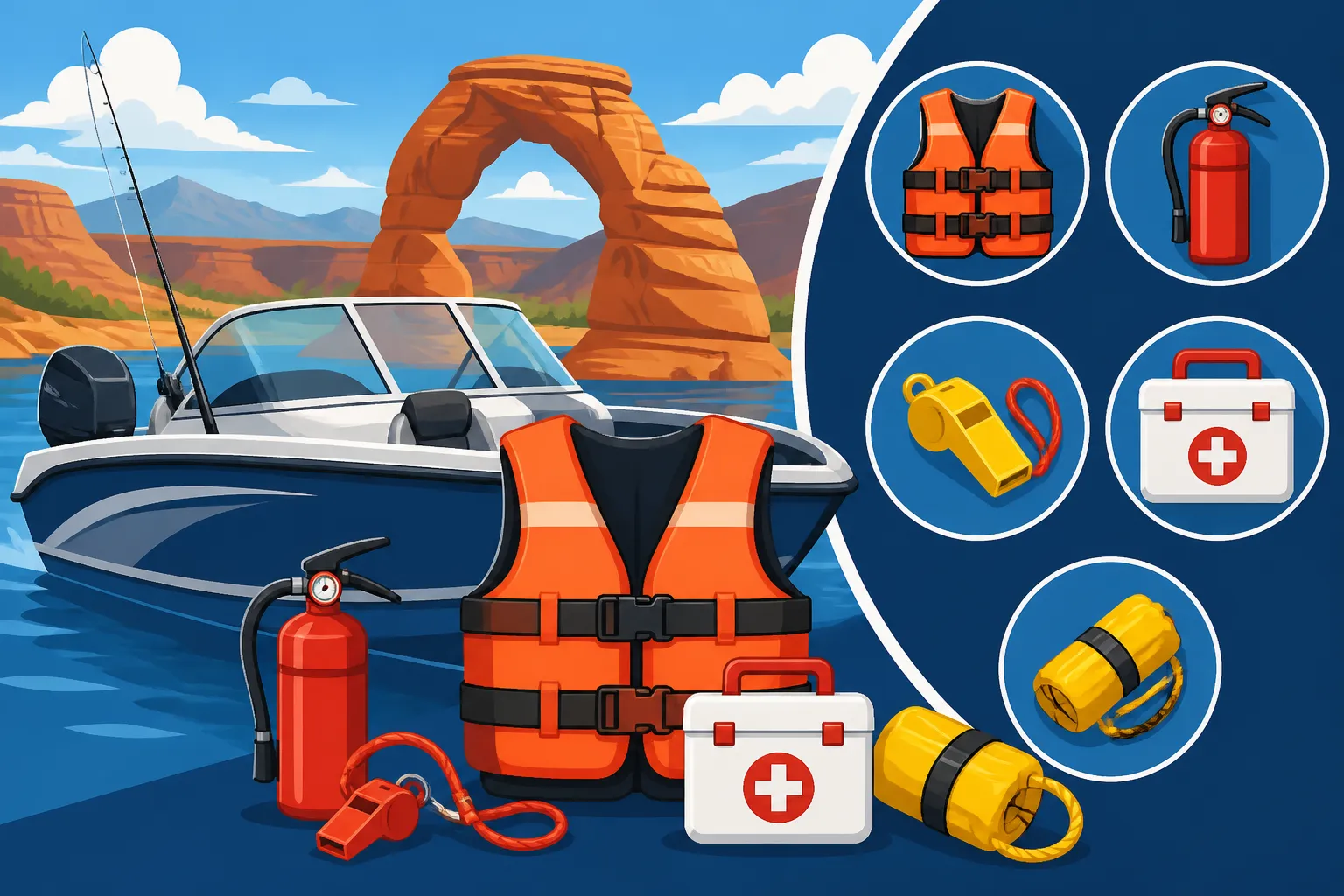
Utah law requires at least one Coast Guard-approved life jacket for every person on your boat. And here's the crucial part that sometimes gets missed: they need to fit the intended wearer. A huge adult life jacket won't do much good for a small child. For children 12 years of age and younger, they are required to wear a Coast Guard-approved life jacket whenever the vessel is underway. This means if you're cruising on Willard Bay with your grandkids, make sure those little vests are snug and buckled! It's a fantastic idea for everyone, regardless of age, to wear their PFD, especially when the water is cold, or conditions are rough. There are different types of PFDs, from the bulky offshore kind to the more comfortable inflatable vests. No matter the type, ensure it's in serviceable condition, meaning no rips, tears, or missing straps. Having a variety of sizes on hand, perhaps some from Bass Pro Shops or easily found on Amazon, will ensure everyone from your smallest angler to your largest cousin is covered. For more detailed information, check out our guide on Life Jacket Requirements on a Utah Boat and How Many Life Jackets You Need on a Utah Boat.
Throwable Flotation Device
Beyond the individual life jackets, most vessels 16 feet or longer (excluding canoes and kayaks) must also carry one throwable flotation device. Think of it as a lifesaver for someone who unexpectedly falls overboard. This isn't something you wear; it's something you throw.
Common examples include a ring buoy, a throw cushion, or a horseshoe buoy. The key is that it must be readily accessible, meaning it can be grabbed and deployed quickly without having to dig through a storage locker. If someone goes over, seconds count, and having that throwable device right there can make all the difference. It provides immediate buoyancy for someone in the water, giving you time to maneuver your boat back to them safely. It's a simple, yet incredibly effective, piece of gear that every boater should understand how to use. For specific details on what qualifies, you can refer to the comprehensive article on Throwable Flotation Device Requirements on a Utah Boat.
Sound-Producing Device
Imagine you're out on a foggy morning at Flaming Gorge, or perhaps you're simply trying to get another boater's attention. How do you do it? With a sound-producing device! Every vessel needs one.
For boats 40 feet or longer, a whistle and a bell are required. For smaller boats, a simple horn or whistle will do the trick. The important thing is that it needs to be audible for at least half a mile. This isn't just for emergencies; it's a critical tool for communicating with other vessels, especially in low visibility conditions or to signal your intentions. If you're approaching a blind bend on a river or need to alert a fisherman to your approach, a quick blast on a horn can prevent an accident. It's a small item, often overlooked, but immensely valuable for safety on the water. Don't leave the dock without it. Our post Do You Need a Whistle or Horn on a Utah Boat? goes into more depth on this requirement.
Fire Safety and Visual Signals
Beyond keeping people afloat, there are other dangers on the water, particularly fire and the need to signal for help. Addressing these can prevent a minor incident from becoming a major disaster.
Fire Extinguishers
Fire on a boat is one of the most terrifying scenarios an angler can face, especially if you're miles from shore. That's why fire extinguishers are a must for many types of boats in Utah.
If your boat has an inboard engine, enclosed fuel tank compartments, permanently installed fuel tanks, enclosed living spaces, or other sources of ignition, then you are required to have at least one Coast Guard-approved fire extinguisher. The type and number of extinguishers depend on the size of your vessel. For instance, a small open fishing boat with an outboard motor might not need one, but a cabin cruiser on Lake Powell absolutely will. Ensure your extinguisher is fully charged, easily accessible, and designed for marine use (typically a B-I or B-II rating). It's also vital to know how to use it, and to check its gauge regularly. A quick glance at the gauge before you launch can save your day, or even your boat, in an emergency. If you're unsure about the specifics for your vessel, our article Do You Need a Fire Extinguisher on a Utah Fishing Boat? clarifies all the nuances.
Visual Distress Signals VDS
While not always mandatory for all inland waters in Utah, having Visual Distress Signals (VDS) is a smart practice, especially if you frequent larger reservoirs like Lake Powell, Flaming Gorge, or Bear Lake, which can feel vast and remote. These signals help attract attention if you're in distress.
For vessels operating on the high seas, coastal waters, or major bodies of water (like the Great Salt Lake, which behaves more like a sea), visual distress signals are required. This typically includes day signals (like an orange distress flag) and night signals (like red flares). While many Utah lakes are considered "inland" and may not strictly require VDS by federal law, the Utah Division of Wildlife Resources (DWR) and the Utah State Parks recommend having them for large, open waters. Imagine a breakdown on a huge body of water like Flaming Gorge where cell service is spotty. A flare could be your only way to signal for help. Always keep flares in a waterproof container, know their expiration dates, and understand how to deploy them safely. Even if not legally mandated for your specific stretch of water, carrying them is a wise move for any responsible boater heading out into less populated areas.
Navigation, Lights, and Documentation
Proper navigation and documentation are not just about compliance; they're about preventing collisions and ensuring you can be identified and assisted when needed.
Navigation Lights
If you plan on operating your boat between sunset and sunrise, or during periods of restricted visibility (think fog or heavy rain), you must have proper navigation lights. This isn't an option; it's a critical safety measure.
These lights make your boat visible to other vessels and help you gauge their position relative to yours. Generally, this means a red light on the port (left) side, a green light on the starboard (right) side, and a white all-around light or masthead light (depending on boat type and size). Smaller boats, like kayaks or paddleboards, often get away with just a single white light that's visible 360 degrees, but it still needs to be present and illuminated. Always test your navigation lights before heading out for an evening troll or an early morning fishing trip. Nothing ruins a serene night on the water faster than realizing your lights are out and you're essentially invisible to oncoming traffic. It's a simple check that ensures a safe return to shore.
Required Documentation Onboard
Just like driving a car, operating a boat in Utah requires you to carry certain documents. It's about proving ownership, registration, and that you're authorized to be fishing or boating.
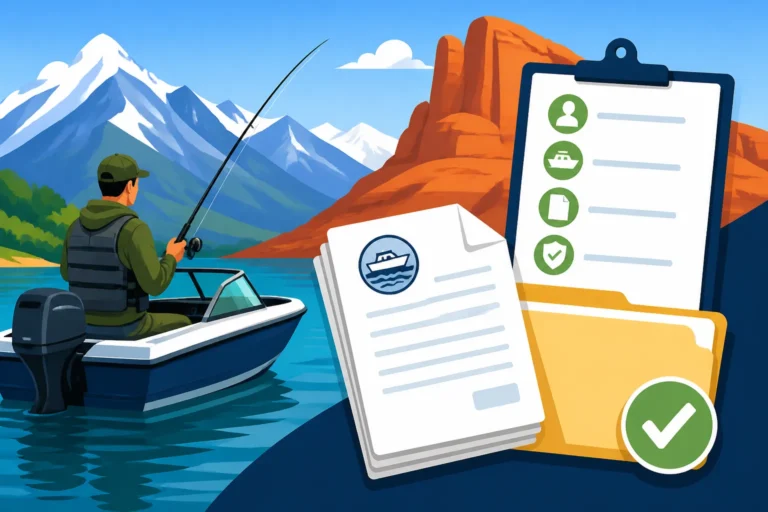
First and foremost, your boat's registration certificate must be onboard. This document proves that your vessel is properly registered with the state of Utah. Think of it as your boat's ID card. If you're fishing, don't forget your current Utah Fishing License Guide! The DWR wardens will definitely ask to see it. It's also a good idea to have some form of personal identification on you. All these documents should be kept in a waterproof container to protect them from the elements. If you happen to be operating a vessel that requires a boater education card (for example, if you're under a certain age operating a motorized vessel), that card should also be readily available. Having everything in order prevents delays and potential fines if you're stopped by law enforcement. Learn more about the specific steps in Paperwork Needed to Register a Boat in Utah.
Oars or Paddles Manual Propulsion
This might sound old-fashioned in our age of powerful outboards, but for many smaller boats, and even as a backup for larger ones, having a means of manual propulsion is a smart and often required item.
For vessels under 16 feet, such as many fishing dinghies, canoes, or paddleboards, you must have an oar or paddle on board. But even for larger vessels with engines, carrying a paddle or a small set of oars is a fantastic idea. Engines can fail for a myriad of reasons – running out of gas, mechanical issues, or a dead battery. Being able to paddle yourself to a nearby shore or back to a ramp can save you from a long, frustrating wait for a tow, or worse, drifting into dangerous areas. It's a piece of gear that you hope to never use, but when you need it, you'll be incredibly grateful it's there.
Additional Smart But Not Always Required Safety Gear
While the previous items are largely legal requirements, a truly prepared angler goes beyond the bare minimum. These additional items can significantly enhance your safety and comfort on Utah's waters.
First Aid Kit
Even the most careful boater can encounter minor scrapes, cuts, or other health issues. A well-stocked first aid kit is an absolute must-have for any outing, fishing or otherwise.
Think about it: a hook through the finger, a tumble on a slippery deck, a sudden headache from the sun, or a wasp sting. These things happen. Having bandages, antiseptic wipes, pain relievers, allergy medicine, and tools to remove hooks can turn a potentially miserable day into a minor inconvenience. Pack it in a waterproof container and make sure everyone on board knows where it is. I usually keep a small, purpose-built marine first aid kit from Bass Pro Shops in my dry bag, and I check its contents at the beginning of each season to make sure nothing has expired or been used up. For a detailed list of what to include, check out our guide on First Aid Items for a Utah Boat's Kit.
Anchor and Line
An anchor isn't just for keeping you in your favorite fishing spot; it's a vital safety tool, especially on larger, wind-prone reservoirs like Deer Creek or Jordanelle.
Imagine your engine dies in a strong gust of wind, or you need to hold your position to address a problem. An anchor can keep you from drifting into hazardous areas, away from the boat ramp, or onto rocky shores. Ensure you have enough anchor line (rode) for the waters you'll be fishing – typically 7:1 scope (seven feet of line for every foot of depth) is a good rule of thumb, but more is always better. Choose an anchor type appropriate for the bottom conditions you expect (e.g., a fluke anchor for mud/sand, a grapple anchor for rocky areas). Having a reliable anchor setup provides peace of mind and an important safety net. You can find excellent advice on selecting the right one in our article Best Anchors for Utah Reservoir Fishing.
Toolkit and Spare Parts
Modern engines are reliable, but things can still go wrong. A basic toolkit and a few key spare parts can prevent a frustrating breakdown from turning into a dangerous situation.
Simple issues like a loose battery cable, a fouled spark plug, or a clogged fuel filter can often be fixed with a few basic tools. Consider carrying wrenches, screwdrivers, pliers, electrical tape, spare fuses, extra spark plugs, a prop wrench, and a spare prop. Even a roll of duct tape can perform miracles! For larger boats, a spare fuel filter and a way to bleed the fuel system can be a lifesaver. The goal isn't to be a marine mechanic, but to be able to handle common, minor issues that could otherwise leave you stranded.
Communication Devices
While cell phones are ubiquitous, they aren't always reliable on the water, especially in remote areas or if your battery dies. Having backup communication is a smart move.
A fully charged cell phone in a waterproof case is a given, but consider carrying a portable VHF radio, especially if you venture onto larger lakes or areas with spotty cell service. These radios allow you to communicate with other boats, marine patrols, and emergency services. A good marine battery pack for charging your phone can also extend your communication capabilities. Some personal locator beacons (PLBs) or satellite messengers are also excellent investments for truly remote excursions, giving you a way to send an emergency signal even without cell service.
Summary of Essential Boat Safety Equipment
To help you keep track, here's a quick rundown of what's required and what's highly recommended for boating in Utah:
| Item | Requirement | Vessels 16 Feet & Under | Vessels 16-40 Feet | Vessels 40+ Feet | Recommended For All Boaters |
|---|---|---|---|---|---|
| Life Jackets (PFDs) | USCG Approved, serviceable, correct size | One per person | One per person | One per person | Absolutely |
| Throwable Device | USCG Approved | No (Recommended) | Yes | Yes | Yes |
| Sound-Producing Device | Whistle/horn audible 0.5 mile | Yes | Yes | Whistle & Bell | Yes |
| Fire Extinguisher | USCG Approved, B-I or B-II | Conditional* | Conditional* | Conditional* | Yes |
| Navigation Lights | Required for night/restricted visibility | Yes | Yes | Yes | Yes |
| Registration Certificate | Onboard vessel | Yes | Yes | Yes | Yes |
| Oars/Paddles | Manual propulsion for boats under 16ft | Yes | Recommended (backup) | Recommended (backup) | Yes |
| First Aid Kit | Highly recommended | Recommended | Recommended | Recommended | Absolutely |
| Anchor & Line | Highly recommended | Recommended | Recommended | Recommended | Absolutely |
| Toolkit/Spare Parts | Highly recommended | Recommended | Recommended | Recommended | Yes |
| Communication Device | Cell phone, VHF radio, PLB | Recommended | Recommended | Recommended | Absolutely |
*Conditional means required if your boat has an inboard engine, enclosed fuel tanks, permanently installed fuel tanks, or enclosed accommodation spaces. Always check current regulations for specifics.
Remember, this isn't just a checklist to avoid a ticket; it's a guide to ensuring everyone on your boat has the safest and most enjoyable time possible on Utah's beautiful waters. Being prepared is part of being a responsible angler and boater. Double-check your gear, know the rules, and have an amazing time making memories out on the lake!
Disclaimer
This article is for general informational purposes only and does not constitute professional advice. Laws, prices and regulations vary by location and change over time. Consult a qualified professional for guidance on your specific situation.