Do You Need a Trolling Motor for Kayak Fishing on Utah Lake?
If you've ever tried kayak fishing on Utah Lake, you know it can be a real workout. One minute you're calmly casting along the shore, the next you're battling a stiff breeze that feels like it's trying to push you all the way to Antelope Island. It’s enough to make you wonder if there’s an easier way to cover water and fight those famous Utah Lake walleye without exhausting yourself. This guide will dive deep into whether a trolling motor is a necessity or a luxury for kayak fishing on this expansive, often windy, body of water.
The Realities of Kayak Fishing on Utah Lake: To Motor or Not To Motor?
Let's be honest, paddling a kayak on Utah Lake is a commitment. It's the largest freshwater lake in Utah, covering about 150 square miles. That's a lot of water, and it can be notoriously shallow in places, but also vast and open to the elements. Many anglers get out there with dreams of chasing channel catfish or trophy walleye, only to find themselves fighting the wind and waves more than the fish. The question isn't just "Can I fish without a trolling motor?" but "Will I enjoy fishing without one, and will I be effective?"
The "Need" Versus "Want" Argument
For many, the initial thought is that a kayak is meant to be paddled. It's about simplicity, stealth, and getting a good workout. But Utah Lake presents unique challenges that quickly blur the line between "need" and "want." If you're planning a quick hour-long trip close to the launch on a calm morning, you probably don't need one. You can paddle out, make a few casts, and paddle back with relative ease.
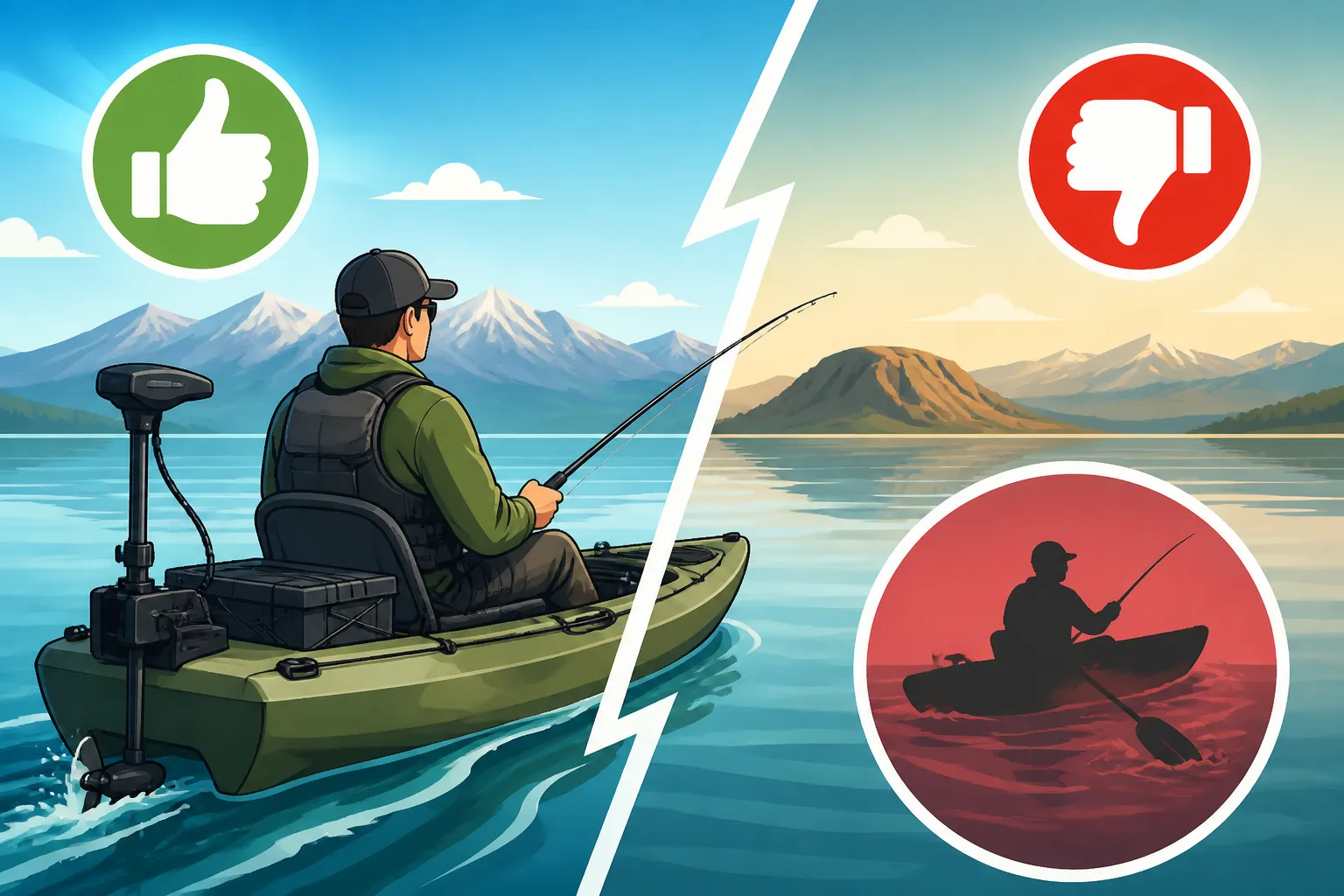
However, if your goal is to explore different Utah Lake Walleye Fishing Spots, target multiple areas, cover a significant distance, or stay out for several hours, a trolling motor quickly shifts from a luxury to something that feels pretty essential. Imagine you've finally located a promising school of fish, only for a sudden gust of wind to pull you off your spot faster than you can paddle back. That's a common frustration on Utah Lake, and it’s where a motor truly shines. It allows you to maintain position, fight a fish, and even cast all at the same time, giving you a serious advantage.
Understanding Utah Lake's Conditions
Utah Lake is known for its incredible fishing, but also for its unpredictable conditions. Early mornings can be glass-smooth, but by late morning or early afternoon, a strong breeze often picks up, turning calm waters into choppy swells. This can make paddling incredibly difficult, exhausting, and even a bit unsafe if you're far from shore.
The lake is also relatively shallow, which means waves can become steep and close together, making for a jarring ride in a kayak. Trying to maintain control, much less fish effectively, in these conditions can be a nightmare. A trolling motor provides consistent propulsion that helps you cut through chop, hold your line, and battle the elements, freeing your hands to focus on what you came to do: fish. Consider How Wind Affects Fishing on Utah Reservoirs can drastically change your experience.
The Undeniable Benefits of a Trolling Motor for Kayak Fishing on Utah Lake
Once you've paddled a few miles against a headwind or tried to hold steady over a brush pile while simultaneously casting and reeling, the benefits of a trolling motor become abundantly clear. It's not just about speed; it's about efficiency, control, and ultimately, enjoyment.
Covering More Water and Reaching New Spots
Utah Lake is huge. Without a motor, you're limited to how much water you can realistically cover in a day without getting completely worn out. A trolling motor dramatically expands your range. Suddenly, those distant coves or points that seemed too far to paddle become accessible. You can explore more Utah Lake Fishing Spots and spend less time commuting and more time fishing. This is especially true if you're trying to locate roaming schools of wipers or struggling to find good Utah Lake Catfish Fishing Spots.
| Propulsion Method | Average Speed | Effort Required | Hands-Free Operation | Range Potential | Best Use Cases |
|---|---|---|---|---|---|
| Paddling | Slow-Moderate | High | Minimal | Short-Medium | Stealth, Exercise, Small Waters |
| Pedal Drive | Moderate-Fast | Medium | Good | Medium-Long | Versatility, Moderate Coverage |
| Trolling Motor | Moderate-Fast | Low | Excellent | Long | Covering Distance, Wind, Spot-Lock |
Maintaining Position and Fighting Fish
This is arguably one of the biggest advantages. Imagine hooking into a big channel cat or a feisty walleye. With a paddle, you're constantly trying to steer, fight the fish, and manage your line all at once. It's a juggling act that often results in lost fish or frustration. A trolling motor, especially one with a remote control or GPS anchoring feature, allows you to maintain your position effortlessly. You can keep your kayak pointed into the wind or current, or even "spot-lock" over a productive area, leaving your hands free to focus on the fight. It truly changes the dynamic of battling a strong fish from a small craft.
Conserving Energy for What Matters
Fishing is supposed to be fun, not an endurance sport (unless you want it to be!). Spending hours paddling against wind and waves saps your energy, often leaving you too tired to fully enjoy the fishing itself. With a trolling motor, you conserve your physical energy for casting, reeling, and landing fish. This means you can stay on the water longer, fish harder, and simply have a more relaxed and productive day. For many, this energy conservation is worth the investment alone.
Essential Considerations Before Adding a Trolling Motor to Your Kayak
While the benefits are clear, adding a trolling motor isn't as simple as just strapping it on. There are several practical, financial, and regulatory hoops to consider before you hit the water. It's not insurmountable, but it requires some planning.
Choosing the Right Motor and Battery Setup
When you start looking at motors, you'll quickly realize there's a huge variety. For a kayak on Utah Lake, you'll generally be looking at smaller transom-mount motors, or specialized bow-mount options designed for kayaks. Consider the Trolling Motor Thrust Needed for a Utah Reservoir Boat. You'll want enough thrust to move your kayak effectively, especially against wind and waves, but not so much that it's overkill and drains your battery too fast. Many anglers find 30-55 pounds of thrust is a good range for most kayaks.
Then there's the battery, which is often the heaviest and most expensive part of the setup. Lithium batteries are lighter and last longer but come at a premium price. Lead-acid batteries are more affordable but heavier and require more maintenance. You'll need to think about runtime, too. How long do you typically want to fish? A good battery setup, perhaps one you source from a reputable outdoor retailer like Bass Pro Shops or an online marketplace like Amazon, can make or break your day. Don't forget to consider how to manage your Battery Setup to Power a Fish Finder on a Kayak if you have one.
Mounting and Stability
Not all kayaks are designed to easily accept a trolling motor. You'll need a stable platform and a secure way to mount the motor. Many fishing kayaks now come "motor-ready" with transom plates or integrated motor mounts. If yours doesn't, you might need an aftermarket mount. You’ll also need to consider how the added weight of the motor and battery will affect your kayak's stability, especially if you plan to stand and fish. A heavier, wider fishing kayak will generally handle a motor better than a narrower, recreational kayak. Best Kayaks for Utah Lake Fishing often feature design elements that accommodate motors well.
Navigating Utah's Regulations and Requirements
This is a crucial step that often catches people off guard. In Utah, once you add any form of mechanical propulsion to a watercraft, even a kayak, it generally falls under the same regulations as a motorized boat. This means you’ll likely need to register your kayak with the state. The rules around Do Kayaks Need to Be Registered in Utah? are important to understand. You'll also need to be aware of Utah Boating and Fishing Rules regarding safety equipment, such as life jackets for everyone on board and potentially a whistle or horn.
Furthermore, Utah takes aquatic invasive species (AIS) very seriously. All motorized vessels, and many non-motorized vessels too, are subject to AIS inspections. You'll need to know about Utah Aquatic Invasive Species Inspection Stations and understand the rules, especially when leaving certain reservoirs like Lake Powell, to ensure you're not inadvertently spreading invasive quagga mussels.
Cost and Investment
Let's face it, adding a trolling motor isn't free. You're looking at the cost of the motor itself, a battery (or two, plus charger), mounting hardware, and potentially a new, more robust kayak if your current one isn't suitable. Then factor in registration fees and any required safety gear. It's an investment, but for many, the enhanced fishing experience and extended time on the water make it well worth it. Think of it as investing in your enjoyment and effectiveness on the water.
Alternative Propulsion Methods for Kayak Fishing on Utah Lake
If a trolling motor feels like too much of a leap, or you simply prefer a more traditional approach, there are other ways to make your kayak fishing experience on Utah Lake more efficient and enjoyable.
Pedal Drive Systems
Many modern fishing kayaks come equipped with pedal drive systems, like Hobie's MirageDrive or Native Watercraft's Propel Drive. These systems allow you to propel your kayak using your legs, similar to riding a bicycle. The huge advantage here is that your hands remain completely free for casting, reeling, and managing your tackle. Pedal drives can be surprisingly fast and efficient, allowing you to cover significant distances without the need for a battery or dealing with motor regulations. They also provide a great workout! The main drawbacks are the initial cost of the kayak itself (which tends to be higher for pedal-drive models) and the fact that you're still expending physical energy, albeit a different kind than paddling.
Strategic Paddling Techniques and Gear
Even if you choose to stick with traditional paddling, you can improve your efficiency and reduce fatigue. Investing in a high-quality, lightweight paddle can make a world of difference. Learning efficient paddling strokes, like a strong forward stroke or a sweep stroke for turning, can help you conserve energy.
Consider using a drift sock or sea anchor on windy days. This device acts like a parachute in the water, slowing your drift and helping you maintain a more consistent line over structure. It won't help you go against the wind, but it will certainly make controlled drifting much easier, saving your arms from constant corrective strokes. You can also research How to Anchor a Boat in Wind on a Utah Reservoir to understand how different anchoring techniques can help.
For those looking to explore with minimal gear, remember that there are many Best Fishing Spots You Can Reach Without a Boat in Utah, including access points along the shore of Utah Lake that don't require venturing far from the launch. Sometimes, less is more, and focusing on accessible areas with well-practiced paddling can still yield great results.
Ultimately, whether you "need" a trolling motor for kayak fishing on Utah Lake depends on your personal fishing style, the distances you want to cover, and your tolerance for battling the elements. For many, the ability to cover water, hold position, and conserve energy makes a trolling motor an invaluable tool, transforming a challenging day into a productive and enjoyable one. For others, the simplicity of a paddle or the efficiency of a pedal drive system offers a different, equally rewarding experience.
Disclaimer
This article is for general informational purposes only and does not constitute professional advice. Laws, prices and regulations vary by location and change over time. Consult a qualified professional for guidance on your specific situation.