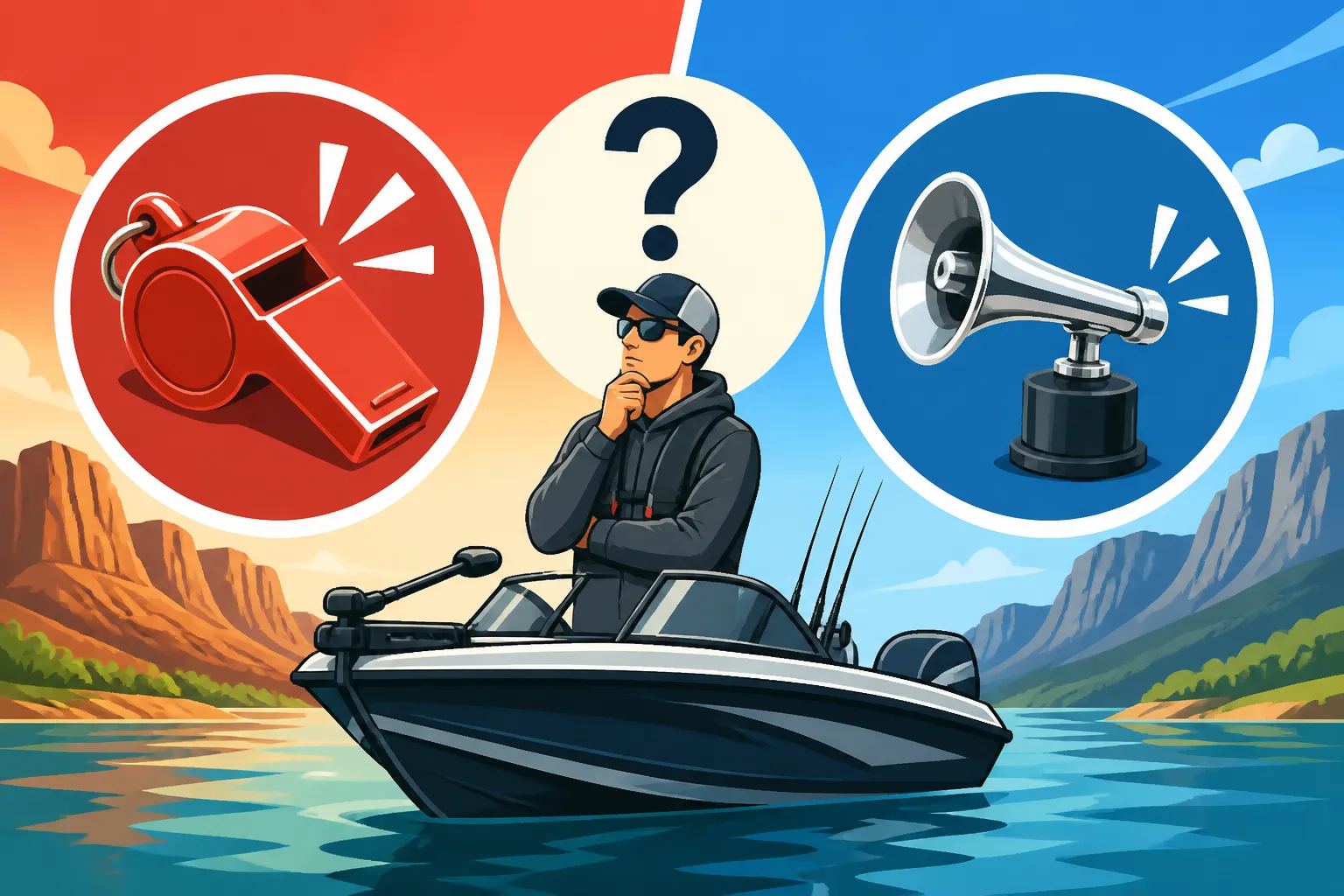
Do You Need a Whistle or Horn on a Utah Boat?
Picture this: you're out on a stunning Utah reservoir—maybe Jordanelle, Deer Creek, or even the vast expanse of Lake Powell—the sun is shining, the fish are biting, and you're feeling great. Then, a sudden fog rolls in, or perhaps another boat veers a little too close, and you realize you need to make your presence known. In that moment, you might wonder, "Do I have the right equipment? Do I even need a whistle or a horn on my boat in Utah?" It's a question many of us have pondered, often when we're already on the water! This guide is here to clear up that confusion, explain the regulations, and help you ensure you're always prepared for whatever the water throws your way.
Understanding Utah's Boating Safety Equipment Requirements
Boating safety isn't just about common sense; it's also about adhering to specific regulations designed to keep everyone safe on the water. Utah, like other states, has clear rules for what kind of safety gear you need to have on board. And yes, audible signaling devices are definitely part of that essential checklist. It’s easy to get caught up in the excitement of new lures or the perfect fishing spot, but overlooking these basic requirements can not only lead to fines but, more importantly, put you and your passengers at risk.
The Legal Mandate for Audible Signaling Devices
Let's cut right to it: yes, you absolutely need an audible signaling device on your boat in Utah. This isn't just a suggestion; it's a legal requirement enforced by the Utah Division of Outdoor Recreation (formerly DWR). These devices serve a critical purpose: communication. On the water, visual cues can be obscured by weather, distance, or even just the glare of the sun. An audible signal, whether it's a whistle or a horn, allows you to signal your intentions to other vessels, alert them to your presence in low visibility, or call for help in an emergency. Think of it as your voice on the water, loud enough to cut through engine noise, wind, and waves.
For example, imagine you're cruising on Willard Bay, and suddenly a squall picks up, reducing visibility. You hear another boat approaching, but can't see it clearly. A quick series of blasts from your horn can let them know exactly where you are and prevent a dangerous close-quarters situation. This is why understanding Utah Boating and Fishing Rules is so crucial, as they lay out all these important safety guidelines.
When a Whistle or Horn is Legally Required
The specific type of audible device you need depends on the size of your vessel. This is where many boaters get a little confused. The general rule in Utah, following federal guidelines, is pretty straightforward:
- Boats under 16 feet in length: These vessels are required to carry some means of making an efficient sound signal. A simple, mouth-blown whistle will typically suffice. It doesn't need to be fancy, just effective and easily accessible. This applies to most canoes, kayaks, stand-up paddleboards, and smaller fishing boats that you might take out on a calm lake.
- Boats 16 feet but less than 40 feet in length: These vessels must carry a whistle or horn capable of producing a two-second blast that can be heard for at least one-half nautical mile. This is where a simple mouth whistle might not be enough, and a robust air horn or a permanently mounted horn becomes a much better, and often necessary, option. Most fishing boats, pontoons, and smaller cabin cruisers fall into this category.
- Boats 40 feet or more in length: For these larger vessels, the requirements step up. They need both a whistle or horn that meets the same specifications as above, and a bell. While most recreational anglers in Utah won't be piloting boats this size, it's good to understand the full scope of the regulations.
It's important to remember that having the device isn't enough; it must be in good working order and readily accessible. There's nothing worse than needing your horn in an emergency only to find it's out of air or the whistle is clogged. Always check your safety gear before heading out, much like you'd check your tire pressure before a road trip. Non-compliance can lead to citations and penalties, which nobody wants to deal with on what should be a relaxing day on the water. Knowing Utah Fishing License Penalties for Violations can give you an idea of the seriousness of not following regulations, even for safety gear.
Other Essential Audible Signaling Devices
While this guide focuses on whistles and horns, it's worth noting that the broader category of "audible signaling devices" can include other items depending on your vessel and situation. As mentioned, larger vessels (over 40 feet) also need a bell. Beyond that, a marine VHF radio, while not strictly an "audible signaling device" in the same vein as a whistle, is a powerful communication tool that can transmit distress calls and communicate with other vessels and shore stations. It's not a substitute for a horn, but it's a valuable addition to your overall safety arsenal, especially if you're venturing onto larger bodies of water like Lake Powell or Flaming Gorge. Always think about redundancy in your safety gear.
Choosing the Right Whistle or Horn for Your Utah Boat
Once you understand the "why" and "when," the next step is figuring out "what" kind of whistle or horn is best for your specific boating needs in Utah. There are several options available, each with its own advantages and disadvantages. The choice often comes down to the size of your boat, how often you'll use it, and your personal preference for reliability and power.
Manual Whistles: Simple, Effective, and Affordable
For smaller craft like kayaks, canoes, paddleboards, or even small fishing dinghies under 16 feet, a simple, mouth-blown whistle is often all you need to meet the legal requirement. They are incredibly straightforward, require no batteries or propellant, and are almost indestructible.
Pros of Manual Whistles:
- Affordable: You can pick one up for just a few dollars.
- Reliable: No moving parts, no batteries to die, no air canisters to run out. As long as you can blow, it works.
- Compact: Easily clips to a life jacket, stashes in a dry bag, or hangs around your neck.
- Waterproof: Most are designed to work even when wet.
Cons of Manual Whistles:
- Limited Volume: While efficient for signaling, they don't produce the same ear-splitting volume as an air horn, especially over long distances or in noisy conditions.
- Requires Breath: If you're physically exhausted or panicking in an emergency, blowing a whistle might be difficult.
- Less Intimidating: For collision avoidance with larger boats, a whistle might not command as much immediate attention as a loud horn blast.
When choosing a manual whistle, look for a "pea-less" design. These whistles don't have a small cork or plastic ball (a pea) inside that can get stuck or freeze in cold weather, making them more reliable. You can find excellent, Coast Guard-approved whistles at sporting goods stores, or easily order them online from retailers like Amazon or Bass Pro Shops. Many life jackets even come with one already attached! Just make sure it's accessible. Don't bury it at the bottom of a dry bag. Clip it to your Life Jacket Requirements on a Utah Boat if possible.
Air Horns: Power and Immediate Impact
For vessels 16 feet and larger, an air horn often becomes the preferred choice, and in many cases, a necessity to meet the volume and distance requirements. These can be the handheld aerosol canister types or the more robust, battery-powered portable units.
Pros of Air Horns:
- Loud: They produce a powerful, attention-grabbing blast that carries well over water and through adverse conditions like fog or heavy rain.
- Instant Impact: A sudden, loud horn blast is more likely to get the immediate attention of another boater than a whistle.
- Less Physical Exertion: A push of a button or squeeze of a trigger is all it takes.
Cons of Air Horns:
- Limited Blasts: Aerosol air horns have a finite amount of propellant. They can run out, often when you need them most.
- Temperature Sensitive: The propellant in aerosol cans can be affected by extreme temperatures, which we certainly get in Utah, potentially reducing performance.
- Maintenance/Shelf Life: Battery-powered units need charged batteries, and aerosol cans expire or lose pressure over time.
- Bulkier: Even handheld units are larger than a whistle and need to be stored carefully to avoid accidental discharge.
If you opt for an aerosol air horn, always carry a spare canister or a backup whistle. For battery-powered options, ensure the batteries are fresh and consider carrying a backup power source. These are readily available at marine supply stores, or from online retailers like Amazon and Bass Pro Shops. They're especially popular for boaters on large reservoirs like Flaming Gorge or Lake Powell, where distances are vast and conditions can change rapidly.
Mounted Horns: For Larger or Permanent Setups
If you have a larger powerboat, a pontoon boat, or a fishing vessel that's regularly out on the water, a permanently mounted electric or compressed air horn might be the best solution. These are typically wired into your boat's electrical system or connected to an onboard air compressor.
Pros of Mounted Horns:
- Highest Volume and Range: Designed for maximum projection, they meet the most stringent requirements for larger vessels.
- Always Ready: Integrated into your boat, they are always available with a flip of a switch or push of a button (assuming your boat's power is on).
- Professional Look: Aesthetically integrated into your boat's design.
Cons of Mounted Horns:
- Cost: Significantly more expensive than whistles or handheld air horns, including installation.
- Power Dependent: Relies on your boat's battery or air compressor, so if those systems fail, your horn might too.
- Installation: Requires electrical wiring or air line routing, which might be a DIY project for some but a job for a professional for others.
Most recreational anglers in Utah won't need a permanently mounted horn unless they're operating a larger vessel. However, for those with serious fishing boats or cruisers, this is the gold standard for audible signaling. Ensure any installation is done properly to avoid electrical issues.
Here's a quick comparison of audible signaling devices:
| Device Type | Cost | Portability | Power Source | Typical Use Case | Pros | Cons |
|---|---|---|---|---|---|---|
| Manual Whistle | Low | Excellent | Angler's Breath | Kayaks, Canoes, SUPs, small fishing boats | Inexpensive, reliable, waterproof | Lower volume, requires breath |
| Aerosol Air Horn | Medium | Good | Compressed Air Can | Small to medium powerboats | Very loud, easy to use | Limited blasts, temperature sensitive |
| Battery Air Horn | Medium-High | Good | Batteries (AA/AAA) | Small to medium powerboats | Loud, multiple blasts | Requires charged batteries, bulkier |
| Mounted Horn | High (incl. install) | Poor (fixed) | Boat Electrical/Air | Medium to large powerboats | Highest volume, always ready (if powered) | Expensive, power-dependent, complex install |
Practical Scenarios and Safe Boating Practices in Utah
Having the right whistle or horn is just the first step. Knowing when and how to use it effectively is equally important. An audible signaling device is a tool for communication and safety, and like any tool, its effectiveness depends on the skill of the user. Understanding basic sound signals is part of being a responsible boater in Utah.
Using Your Whistle or Horn for Collision Avoidance
The most common use for an audible signaling device is to communicate your intentions to other boats and avoid collisions. The rules of the road on the water, often called the "COLREGs" or Navigation Rules, include specific sound signals. While these can seem complex, learning the basics can prevent serious incidents.
Here are a few common signals you might use on Utah's waterways:
- One short blast (about 1 second): "I intend to leave you on my port (left) side." Or, when meeting head-on, "I intend to pass you on my port side."
- Two short blasts: "I intend to leave you on my starboard (right) side." Or, when meeting head-on, "I intend to pass you on my starboard side."
- Three short blasts: "I am operating astern propulsion" (i.e., my engine is in reverse).
- Five or more short, rapid blasts: This is the most crucial one for recreational boaters – it's a "danger signal." Use this if you don't understand the other boat's intentions, if you believe a collision is imminent, or if the other vessel is acting erratically. It essentially means, "Hey! Watch out! Something is wrong!"
Knowing these signals, and recognizing them from other boats, is a fundamental part of Utah Boating and Fishing Rules. Imagine navigating the busy waters of Utah Lake on a summer weekend; understanding these quick communication signals can prevent a lot of headaches and potential accidents. It’s not just about what you have but what you do with it.
Distress Signals and Emergency Situations
Beyond collision avoidance, your whistle or horn is also a vital tool for signaling distress. While visual distress signals (like flares or flags) are also critical, an audible signal can be heard when you might not be seen, especially in fog, at night, or if you're out of sight behind a cove or island.
When to use an audible device as a distress signal:
- Prolonged blast (4-6 seconds) repeated at intervals: This is the universal sound signal for distress. If you're experiencing engine failure, taking on water, or have a medical emergency, repeat this signal until help arrives or you're no longer in danger.
- Fog or restricted visibility: In these conditions, all vessels are required to make specific sound signals to indicate their presence and movement. For power-driven vessels underway, that's one prolonged blast every two minutes. This ensures other boats know you're there, even if they can't see you. This is incredibly important on a large body of water like Bear Lake, where thick fog can roll in unexpectedly.
Always combine audible distress signals with other methods if possible. Waving your arms, flashing a light, setting off flares, or calling on a VHF radio (if you have one) will increase your chances of being seen and heard. Knowing Boat Safety Equipment Required in Utah will highlight other essential items like visual distress signals that complement your whistle or horn.
Integrating Audible Devices with Your Overall Safety Kit
Your whistle or horn is just one piece of a larger puzzle when it comes to boat safety. A truly prepared boater in Utah has a comprehensive safety kit. Think of it as layers of protection.
Beyond the whistle/horn, your safety kit should always include:
- Life Jackets: Everyone on board must have a properly fitting, Coast Guard-approved life jacket, and children 12 and under must wear them when the boat is underway. This is non-negotiable. For more details, see Life Jacket Requirements on a Utah Boat.
- Fire Extinguisher: Depending on your boat's size and type, a marine-rated fire extinguisher is likely required. Check Do You Need a Fire Extinguisher on a Utah Fishing Boat? for specifics.
- Visual Distress Signals: Flares, signal flags, or a distress light are crucial for daytime and nighttime emergencies.
- First-Aid Kit: For minor injuries that can happen unexpectedly.
- Anchor and Line: Essential for holding your position in an emergency or while fishing.
- Paddle/Oars: Even if you have an engine, a backup means of propulsion can be a lifesaver.
- Tool Kit: Basic tools for minor repairs.
- Navigation Lights: If operating after sunset or before sunrise.
Regularly check all your safety equipment. Make it a habit before every outing. Test your horn, check the expiration dates on flares and fire extinguishers, and ensure life jackets aren't damaged. Don't wait until an emergency to realize something isn't working or is missing.
Beyond the Basics: Advanced Considerations for Utah Boaters
Being a responsible boater means more than just meeting the minimum requirements. It’s about cultivating a mindset of proactive safety and continuous learning. Especially in Utah, where weather conditions can shift quickly and waters range from calm community ponds to vast, unpredictable reservoirs, an "above and beyond" approach to safety is always wise.
Maintaining Your Audible Signaling Devices
Just like you maintain your fishing reels or boat motor, your safety equipment needs attention too. A whistle or horn that fails when you need it most is no better than not having one at all.
- Manual Whistles: Keep them clean. A little dirt or grit can impact their sound. If it’s attached to a life jacket that’s been in the water, rinse it with fresh water and let it air dry to prevent mineral buildup.
- Aerosol Air Horns: Store them upright in a cool, dry place. Avoid direct sunlight or extreme heat, which can cause the propellant to degrade or expand, leading to a weaker blast or even a rupture. Check the expiration date regularly and replace them annually or as recommended by the manufacturer, even if they haven't been used. Consider carrying a spare, or a backup whistle.
- Battery-Powered Horns: Ensure batteries are fresh and check them before each outing. Extreme cold, common during Utah's shoulder seasons or for Utah Ice Fishing Guide, can drain batteries faster. Keep spares in a waterproof container.
- Mounted Horns: Periodically test them. Check electrical connections for corrosion and ensure any air lines are free of kinks or leaks. A quick blast before leaving the dock can confirm it's working.
Taking these small steps ensures your audible signaling device is always ready to perform its critical function when called upon.
Education and Proactive Safety
The best safety equipment in the world won't help if you don't know how to use it, or how to react in an emergency. This is where education comes in. Utah strongly encourages, and often requires, boater education.
- Boater Education Courses: Consider taking a boater education course, even if it's not strictly required for your age or vessel type. These courses cover everything from navigation rules to emergency procedures, proper equipment usage, and environmental stewardship. They often review specific requirements for Utah Boating and Fishing Rules. For more on this, see Utah Boater Education Course Requirement. Knowing the rules means you can react instinctively when seconds count.
- Learn the "Rules of the Road": Familiarize yourself with the international and inland navigation rules. While some of the minutiae might not apply to your small fishing boat, understanding basic right-of-way, signaling, and avoiding dangerous situations is universally applicable. Many safety manuals (and even handy laminated cards) cover common sound signals.
- Practice: If you have an air horn, practice using it (responsibly, away from others!). Understand its range and how much pressure it takes. For whistles, practice blowing consistent, clear blasts.
Being proactive about safety isn't just about avoiding trouble; it's about confidently enjoying your time on the water, knowing you're prepared for almost anything.
The "Spirit" of the Law vs. the "Letter" of the Law
When it comes to safety equipment, it's always a good idea to consider the "spirit" of the law, not just the "letter." While the law might state a simple whistle is sufficient for your kayak, is that truly the safest option for the specific waters you fish?
For instance, if you regularly paddle on large, open reservoirs like Pineview or Deer Creek, especially during times of heavy boat traffic or when weather can change quickly, you might consider carrying a handheld air horn in addition to your whistle, even if not strictly required. This redundancy provides an extra layer of safety. Perhaps you pair a whistle on your life jacket with a compact, battery-powered horn in your dry bag. These can be easily found on Amazon or at Bass Pro Shops, and the peace of mind they offer is well worth the small investment.
Similarly, if you're taking kids out fishing in a small boat, having an easily accessible, loud horn can be a simple way to get their attention if they drift too far, or to alert another boater who isn't paying attention. Always aim for what makes you and your passengers feel safest and most prepared, rather than just doing the bare minimum. After all, a day of Utah fishing is about enjoyment, and peace of mind is a big part of that.
Disclaimer
This article is for general informational purposes only and does not constitute professional advice. Laws, prices and regulations vary by location and change over time. Consult a qualified professional for guidance on your specific situation.