Paperwork Needed to Register a Boat in Utah
Trying to figure out exactly what paperwork you need to register your boat in Utah can feel like navigating a maze blindfolded. It's a common source of frustration for new and seasoned boat owners alike, especially with all the different rules and departments involved. This guide is here to untangle that confusion, providing a clear, step-by-step breakdown of all the essential documents and information required to get your boat legally on Utah's beautiful waters.
Understanding Utah's Boat Registration Basics
Before you even start digging through old files or calling up past owners, it’s really helpful to understand why Utah requires boat registration and what kind of vessels actually need it. This isn't just about collecting fees; it's about safety, proper identification, and helping manage our state's waterways for everyone. Plus, if you ever run into trouble on the water, having your vessel properly registered is the first step toward official assistance.
Which Vessels Need to Be Registered?
The Utah Division of Wildlife Resources (DWR) and Utah State Parks and Recreation are the main entities overseeing boating regulations. Generally, if your watercraft has a motor – whether it's an outboard, inboard, or even an electric trolling motor – you'll need to register it. This applies to a huge range of boats, from your fishing skiff to a fancy wake boat, and even personal watercraft (PWCs) like jet skis. It doesn't matter if you only use that trolling motor occasionally; if it's on the boat, registration is typically a must. For a comprehensive overview, you can check out the Utah Boating and Fishing Rules.
There are a few exceptions, of course. Canoes, kayaks, rafts, and paddleboards that are not propelled by a motor typically don't need to be registered. However, even these non-motorized vessels still need to comply with Aquatic Invasive Species (AIS) requirements, especially if you're moving them between different bodies of water. This can be a point of confusion, so it's good to clarify. So, while you might think your little fishing kayak is exempt, if you attach even a small electric motor to it, you're suddenly in the registration queue. This guide will clarify some of those common questions, like Do Kayaks Need to Be Registered in Utah? or Do Paddleboards Need to Be Registered in Utah?, so you're not caught off guard.
The Purpose of Registration and Your Hull Identification Number (HIN)
Beyond just being a legal requirement, boat registration serves several practical purposes. It allows law enforcement and rescue services to identify vessels, track ownership, and enforce safety regulations. Your unique Hull Identification Number, or HIN, is the cornerstone of this system. Think of it as the VIN for your car – a permanent identifier that's usually molded into the transom (the back) of your boat, typically on the starboard (right) side. This number is crucial for everything from preventing theft to tracking a boat's history.
When you register your boat, this HIN is recorded and linked to you as the owner. If you're buying a used boat, always make sure the HIN on the boat matches the HIN on the title and bill of sale. Any discrepancies could be a red flag, indicating potential theft or fraud, and will definitely cause headaches when you try to register it.
The Essential Documents You'll Need
Alright, let's get down to brass tacks: what actual pieces of paper do you need to gather? This is where many people get tripped up, and honestly, it's not always super intuitive. Having everything in order before you head to the DMV or DWR office can save you a ton of time and frustration. Imagine standing in line for an hour, only to be told you're missing one tiny form! Nobody wants that.
Proof of Ownership: Title or Manufacturer's Statement of Origin
This is arguably the most critical document. You need to prove that the boat is legally yours.
- New Boats: If you're buying a brand-new boat from a dealership, you'll receive a Manufacturer's Statement of Origin (MSO), sometimes called a Manufacturer's Certificate of Origin (MCO). This is essentially the birth certificate for your boat, showing that you are the first retail owner. Keep this in a safe place, as it's what you'll use to get your initial Utah title and registration.
- Used Boats (Titled): For most used boats in Utah that are 1985 models or newer (and sometimes older, depending on their history), they will have a Utah Certificate of Title. This is the document that legally transfers ownership from the previous owner to you. The previous owner must sign off on the title, transferring it to your name. Make sure their signature is legible and that all fields are correctly filled out, especially the buyer's information and the sale date. A title that's been "skipped" (meaning the seller didn't title it in their name first) or improperly filled out can lead to delays.
- Used Boats (Non-titled, older models): Some very old boats, especially those manufactured before 1985, might not have a formal title from the state. In these cases, a comprehensive Bill of Sale becomes paramount. It needs to include all the essential details: buyer's name and address, seller's name and address, date of sale, purchase price, and a detailed description of the boat including its HIN, make, model, and year. Both buyer and seller should sign and date it. It's often a good idea to have this notarized if a title isn't available, just for an extra layer of proof.
Bill of Sale
Even if your boat has a title, a Bill of Sale is highly recommended and often required for registration, especially if you're buying it used. It provides a clear record of the transaction and can protect both buyer and seller.
- What to Include: A good Bill of Sale should specify the boat's make, model, year, HIN, and any included accessories (like a trailer, if sold with the boat). It must state the full names and addresses of both the buyer and seller, the date of sale, and the agreed-upon purchase price. Both parties should sign and date the document. Having a copy for each party is crucial. If you need a template, many marine dealers or even places like Bass Pro Shops might have generic ones, or you can find reputable templates online via a quick search on sites like Amazon or other legal form providers.
- Why it's Important: The Bill of Sale is not just proof of purchase; it's also used to calculate sales tax. In Utah, you'll likely pay sales tax on the purchase price of the boat (and trailer, if applicable) unless an exemption applies. The stated purchase price on your Bill of Sale is what the state will use, so be accurate!
Current Photo ID
This might seem obvious, but you'll need a valid form of identification. Typically, a Utah driver's license or state ID card is sufficient. If you're new to Utah, make sure you have your current driver's license and any other supporting documents to establish residency, especially if you're trying to qualify for resident rates on things like Utah Fishing License Costs by Age and Residency.
Proof of Residency (for Resident Registration)
If you're claiming Utah residency to pay lower registration fees (which are generally much more favorable for residents!), you'll need to prove you live here. Your Utah driver's license usually suffices, but sometimes additional proof like a utility bill, voter registration, or property tax statement might be requested if there's any doubt. This helps ensure that the folks benefiting from resident rates are indeed contributing to the state economy.
Completed Application Forms
The Utah Division of Wildlife Resources (DWR) and Utah State Parks provide the necessary application forms. You can usually download these from their websites or pick them up in person at their offices or at a local DWR agent. Filling these out accurately and completely before you go in can speed up the process considerably.
- Application for Utah Certificate of Title and Registration (Form TC-656): This is the main form you'll be filling out. It asks for all the details about your boat, including its HIN, make, model, year, length, type of propulsion, and hull material. You'll also provide your personal information as the owner.
- Proof of Sales Tax Payment or Exemption: You might need a separate form or declaration if sales tax has already been paid (e.g., if you bought it from a dealer who collected tax) or if you're claiming an exemption. Generally, sales tax is paid at the time of registration, but if you purchased from an out-of-state dealer, they might have already collected it.
Step-by-Step Process for Registering Your Boat
Now that you know what you need, let's walk through the how. It’s not overly complicated, but following the steps will definitely help you avoid common snags.
Step 1: Gather All Your Documents
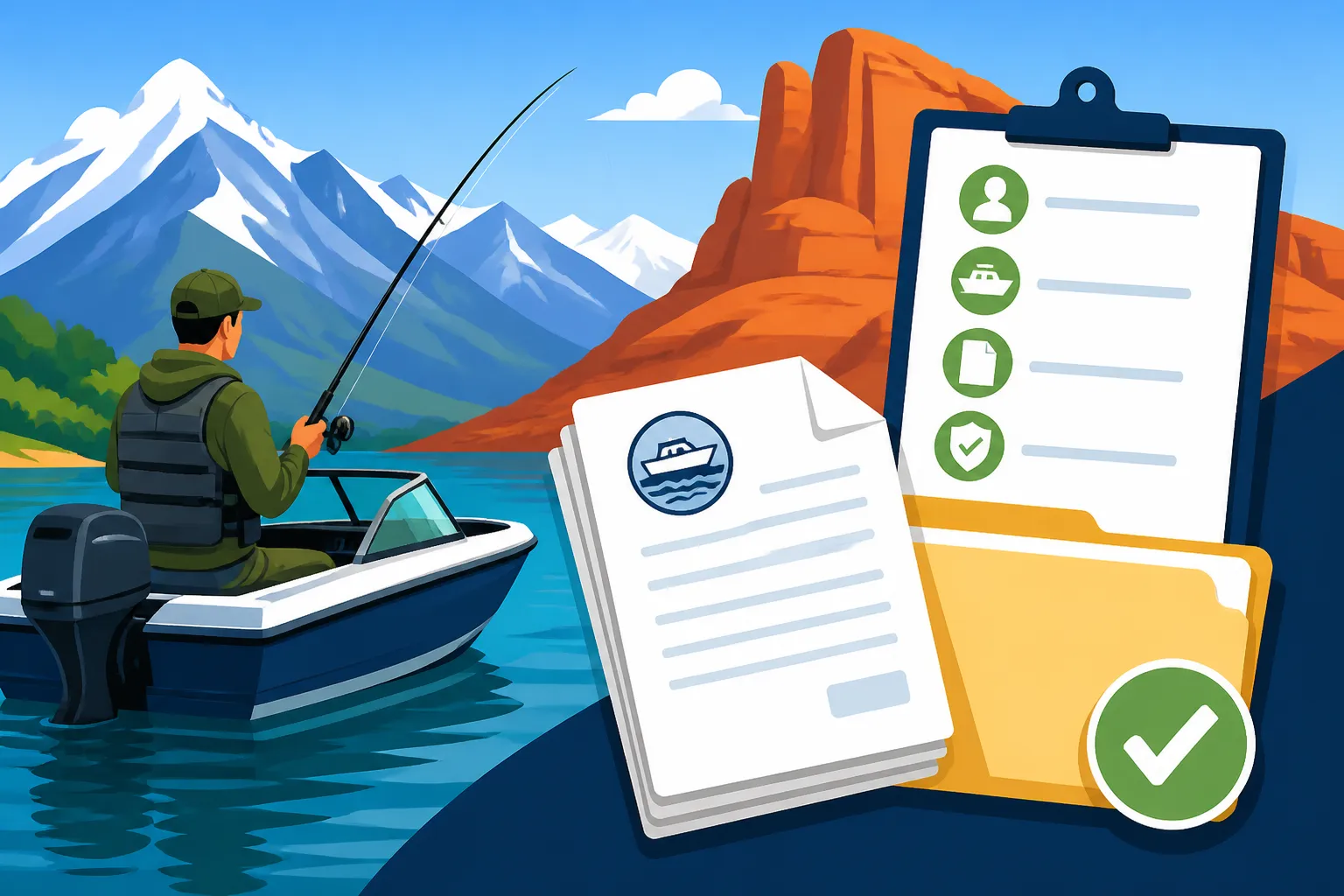
Before you even think about heading out, double-check your checklist. You should have:
- Original boat title (signed over to you) or MSO.
- A clear, detailed Bill of Sale.
- Your current, valid photo ID.
- Any proof of residency beyond your ID, if needed.
- Payment method for registration fees and sales tax.
Make copies of everything for your records! It's always a good idea to have digital copies on your phone or in cloud storage too, just in case.
Step 2: Complete the Application Forms
Head over to the Utah State Parks and Recreation or DWR website to find the most current versions of the application forms, or visit an office in person. Fill them out thoroughly. The form will ask for your contact information, the boat's details (HIN, make, model, year, length, propulsion type, hull material), and sometimes even details about the engine (if separate from the boat purchase). Don't leave any blanks. If something doesn't apply, write "N/A" rather than leaving it empty.
Step 3: Visit a Registration Agent or State Parks Office
Once everything is assembled, you have a few options for where to complete the registration:
- Utah State Parks Offices: Many State Parks offices across Utah handle boat registrations. These are often great places to go, especially if you're visiting a park anyway.
- Designated DWR Registration Agents: The DWR partners with various businesses (often sporting goods stores or even some boat dealerships) to act as registration agents. These can be very convenient, sometimes with shorter lines than a dedicated State Parks office. You'd be surprised how many local mom-and-pop shops and even larger retailers like Bass Pro Shops or Cabela's might offer this service.
- Mail (for renewals, typically not initial registration): While you can often renew registrations by mail or online, initial titling and registration usually require an in-person visit to verify documents and pay fees.
When you go in, be prepared to present all your original documents. The agent will review them, verify your identity, and process the transaction. This is also where you'll pay your registration fees and any applicable sales tax. The cost can vary based on boat length, usage, and whether you're a resident or nonresident. For a breakdown of what to expect, check out Cost to Register a Boat in Utah.
Step 4: Receive Your Decals and Registration Card
Once your registration is complete, you'll be issued a registration card and a set of decals. The registration card should be kept on board the vessel whenever it's in use. Think of it as your boat's driver's license and registration. The decals must be affixed to your boat according to Utah State Parks regulations – typically on the bow (front half) of the boat, on both sides, in plain view. They show the registration number and the expiration year. It's a small detail, but getting these decals correctly placed is part of staying compliant. You want to avoid any hassle from a game warden out on the water!
Common Pitfalls and How to Avoid Them
Even with a clear guide, sometimes things can go sideways. Knowing what to watch out for can save you a lot of grief.
Incomplete or Incorrect Paperwork
This is by far the most common reason for delays. A missing signature, an incorrect HIN, or an incomplete address can send you right back to the drawing board.
- Double-Check Everything: Before you leave home, literally go over every single line of every document. Compare the HIN on the title, Bill of Sale, and the boat itself. Ensure names and addresses match your ID.
- Notarization: While not always strictly required for a Bill of Sale in Utah, getting it notarized adds a layer of authenticity that can prevent issues, especially if the previous owner isn't easily reachable after the sale.
- Legibility: Make sure all writing, especially signatures, is clear and easy to read.
Missing or Incorrect Hull Identification Number (HIN)
The HIN is critical. If it's missing, obscured, or doesn't match the paperwork, you have a problem.
- Verify Before Purchase: When buying a used boat, always visually inspect the HIN on the hull and compare it against the title and Bill of Sale. If it's damaged or appears altered, walk away or consult with the DWR before proceeding.
- Homemade Boats: If you've built a boat yourself, you'll need to go through a process to get a HIN assigned. This involves an inspection and additional paperwork, so be prepared for that extra step.
Sales Tax Issues
Sales tax on boats can sometimes be confusing, especially with private party sales or out-of-state purchases.
- Understand Your Obligation: In Utah, you're generally responsible for paying sales tax on the boat and trailer. If you buy from a dealer, they usually collect it. If you buy from a private party, you'll pay it when you register the boat.
- Out-of-State Purchases: If you bought your boat out of state, you might still owe Utah sales tax if you intend to register and use the boat here. Credits for sales tax paid in another state might apply, but you'll need documentation. Always disclose this upfront during registration.
Aquatic Invasive Species (AIS) Requirements
While not strictly "registration paperwork," AIS compliance is mandatory for all boats in Utah and often tied into the registration process. You'll typically pay an AIS fee when you register your boat.
- Annual AIS Fee: This fee supports Utah's efforts to prevent the spread of invasive species like quagga and zebra mussels.
- Inspections: Be aware that even with your registration and AIS sticker, you'll still need to undergo mandatory inspections at Utah Aquatic Invasive Species Inspection Stations if you're traveling from certain waters or crossing specific checkpoints. This is crucial to protect our waterways, and non-compliance can lead to significant fines. You can find more details on Utah Aquatic Invasive Species Rules for Anglers.
By being proactive and having all your ducks in a row, the boat registration process in Utah can be a smooth one. Enjoy getting out on the water!
Disclaimer
This article is for general informational purposes only and does not constitute professional advice. Laws, prices and regulations vary by location and change over time. Consult a qualified professional for guidance on your specific situation.