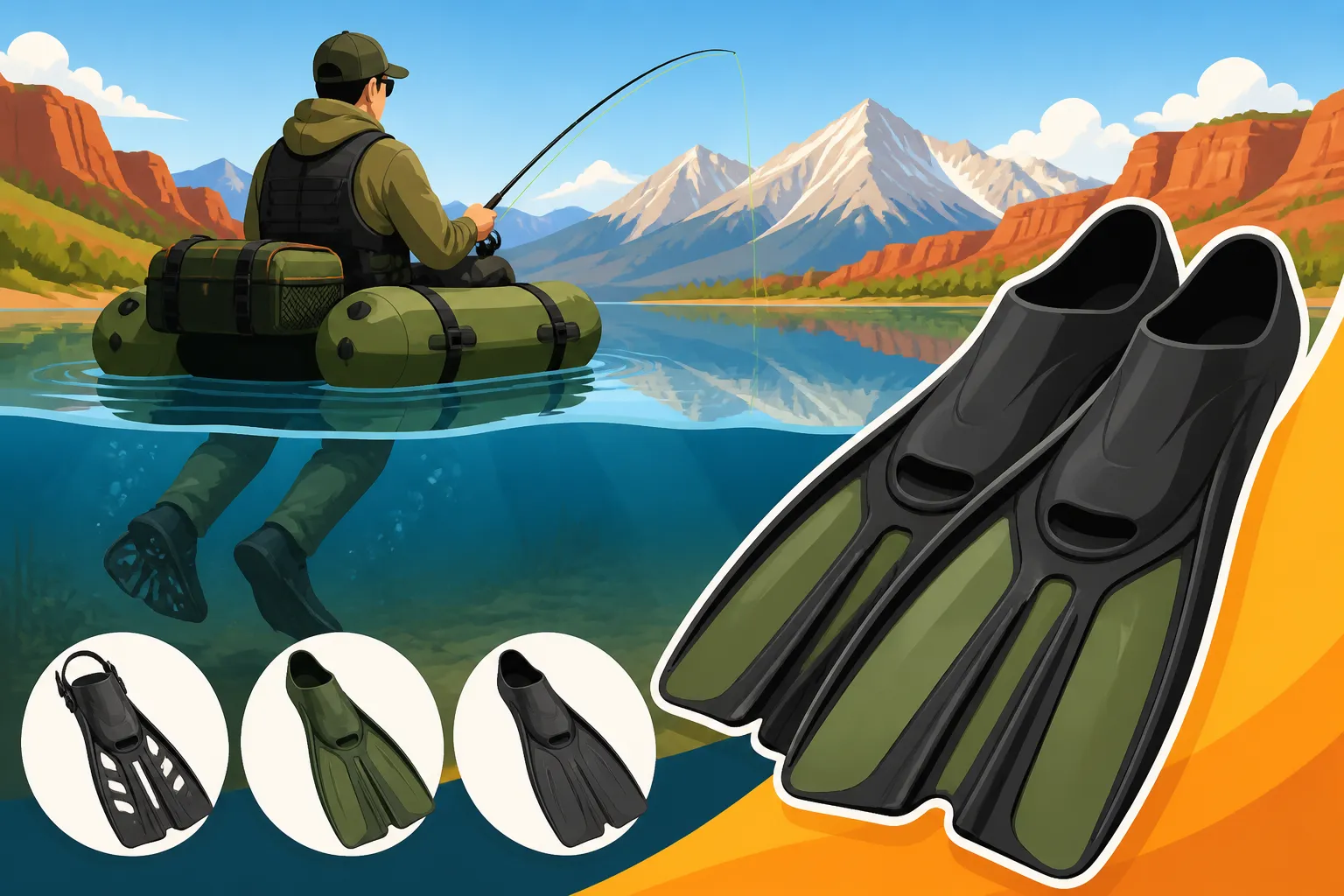
Best Fins for a Float Tube in Stillwater Fishing
There's nothing quite like the tranquility of float tube fishing on a calm Utah stillwater, but that peaceful experience can quickly turn into a grueling workout if you're constantly fighting against inefficient propulsion. Trying to reach that prime fishing spot across a cove or slowly work a weed line with inadequate fins can be utterly exhausting, distracting you from the joy of the catch. This guide is here to help you navigate the often-overlooked world of float tube fins, ensuring your time on the water is spent fishing, not just paddling.
Why Fins are Crucial for Float Tube Stillwater Fishing
Float tubes offer an incredible, low-impact way to access fishing spots that might be unreachable from shore or too shallow for a traditional boat. You sit low in the water, offering a stealthy approach, and can often get right into the heart of the action. However, unlike a boat with a motor or oars, your primary means of propulsion comes from your feet. This is where high-quality fins become not just an accessory, but an absolute necessity for an enjoyable and effective day on the water.
The Frustration of Inefficient Movement
Imagine you've spotted a promising rise near a distant rocky outcrop on Deer Creek Reservoir, or you're trying to meticulously cast along a submerged log at a community pond, but your fins just aren't cutting it. You're kicking constantly, expending huge amounts of energy, yet barely moving. This isn't just tiring; it's genuinely frustrating. Your focus shifts from reading the water and presenting your fly or lure to simply trying to stay in position or make slow progress. It can quickly take the fun out of the experience, making you rethink those longer trips to pristine waters like those found in the Uinta Mountains. How to Fish From a Float Tube in Utah covers more about navigating these waters.
Poorly designed or ill-fitting fins can also cause cramps and muscle fatigue. You might find yourself constantly adjusting them, or they might rub uncomfortably, creating hot spots that can ruin your day. This kind of physical discomfort detracts significantly from the mental calm that float tube fishing is supposed to offer. When your legs are burning after only a short period, the thought of exploring further or staying out longer becomes less appealing, limiting your potential fishing time and success.
Precision and Stealth: Getting to the Fish
Beyond just moving from point A to point B, effective fins provide the precision steering and subtle movements essential for successful stillwater fishing. When you're trying to hold your position against a light breeze, slowly drift through a productive area, or precisely maneuver around submerged structure, responsive fins are invaluable. They allow you to make small, controlled adjustments with minimal effort, keeping your hands free for casting, retrieving, or managing your line.
This stealth factor is particularly important in clear, calm waters where fish are easily spooked. Loud splashes or erratic movements can send wary trout scattering. With good fins, you can glide silently and deliberately, getting into optimal casting range without alarming your target. This quiet approach is a huge advantage, especially when targeting species like the elusive brown trout in many of Utah's rivers and reservoirs, or the more sensitive native cutthroat in high-mountain lakes.
Types of Float Tube Fins: Understanding Your Options
When it comes to float tube fins, you'll generally encounter a few main styles, each with its own advantages and considerations. Choosing the right type depends heavily on your personal preferences, the kind of fishing you do, and the footwear you plan to use.
Strap-On Fins: Versatility and Power
Strap-on fins are perhaps the most common and versatile choice for float tube anglers. These fins are designed to be worn over your existing waders and wading boots, or even sturdy shoes. They typically feature adjustable straps around the heel and sometimes over the instep, allowing for a customizable and secure fit. The convenience of using your regular fishing boots means you don't need a separate pair of dedicated fin-compatible footwear.
Many strap-on fins boast larger, stiffer blades that can provide excellent power and propulsion, which is fantastic when you need to cover a lot of water quickly or fight against a strong headwind on larger reservoirs. Their open-heel design also means they're often easier to get on and off, which can be a real blessing when you're bundled up in waders. However, it's crucial to ensure a snug fit to prevent chafing or the fins slipping off during vigorous kicking. You can often find a good selection of these at outdoor retailers or online platforms like Amazon, where reviews can help gauge fit and durability. Gear You Need to Fish From a Float Tube in Utah has more on essential equipment.
Boot-Style Fins: Comfort and Control
Boot-style fins, sometimes called full-foot fins, integrate the foot pocket directly into the fin itself, much like snorkeling or scuba diving fins. These are designed to be worn barefoot or with thin neoprene socks, offering a very streamlined and comfortable fit that reduces drag and potential chafing points. The direct connection between your foot and the fin can translate to a more efficient transfer of power, giving you a greater sense of control and responsiveness in the water.
While boot-style fins excel in comfort and direct power transfer, they do require you to either forgo wading boots entirely or carry them separately for bank access. This might not be ideal if you plan on wading from shore before getting into your float tube, or if you're fishing in colder waters where waders are essential. However, for those who primarily launch directly into the water from a boat ramp or a sandy beach, and prioritize maximum comfort and fluid movement, these can be a fantastic option. They often come in various sizes, so finding the perfect fit for your foot is paramount, and many anglers check sites like Bass Pro Shops for sizing guides and in-person trials.
Hybrid and Specialty Fins: Niche Needs
Beyond the two main categories, the market also offers a range of hybrid and specialty fins designed to cater to specific needs. Some hybrid models attempt to combine the best of both worlds, offering an open-heel design with a more robust, boot-like foot pocket for enhanced comfort and power when worn over lighter wading shoes or neoprene booties. These often aim for a balance between the powerful kick of strap-ons and the snug fit of boot-style fins.
Then there are specialty fins, like those with unique blade designs or articulation points, aimed at maximizing efficiency with minimal effort or providing specific maneuverability. For example, some fins feature a "split-fin" design that mimics a whale's tail, theorized to reduce strain and increase thrust. While these can be more expensive, they might appeal to anglers who spend extensive hours in their float tube and are looking for every possible edge in performance and comfort. It's worth researching these options if you find traditional fins aren't quite meeting your unique demands on the water.
Key Factors When Choosing Fins for Utah Stillwater Fishing
Selecting the perfect set of fins isn't just about picking the first pair you see. Several factors come into play, especially when considering the diverse conditions of Utah's stillwaters, from expansive reservoirs to smaller, wind-prone ponds.
Propulsion and Efficiency: Moving with Less Effort
The primary purpose of fins is to move you through the water, so propulsion and efficiency are paramount. This involves considering the blade size, shape, and stiffness. Generally, larger and stiffer blades will provide more power per kick, allowing you to move faster and cover more distance. However, they also require more leg strength and can be more tiring over long periods. Think of it like cycling: a higher gear provides more speed but demands more effort.
For many float tube anglers who prefer a leisurely pace and want to conserve energy for fishing, a moderately sized, somewhat flexible blade might be a better choice. These offer a good balance of power and ease of use, reducing fatigue while still allowing for effective movement. If you're frequently fishing large bodies of water like Strawberry Reservoir or Flaming Gorge, where covering distance is often necessary, you might lean towards fins with greater thrust. Conversely, if you're sticking to smaller, calmer ponds, you might prioritize finesse over brute force. Best Time of Year to Fish in Utah can influence how much water you need to cover.
Comfort and Fit: Long Days on the Water
Comfort cannot be overstated, especially when you plan on spending hours in your float tube. Ill-fitting fins can quickly turn a pleasant outing into an ordeal. For strap-on fins, ensure that the foot pocket is deep enough and wide enough to accommodate your wader boots without excessive squeezing or rubbing. The straps should be robust and easy to adjust, allowing for a secure fit that doesn't restrict circulation.
Boot-style fins need to fit like a glove – snug but not tight. Any looseness will lead to chafing and loss of power, while too tight a fit will cause discomfort and cramps. Consider trying them on with the type of socks you'll be wearing. Remember, your feet can swell slightly during a long day, so a little wiggle room is sometimes beneficial. Prioritize models with padded straps or softer foot pocket materials to maximize comfort during those extended sessions targeting Utah Trout Fishing Tips.
Durability and Construction: Built to Last
Your fins will be subjected to a lot of wear and tear: kicking against rocks, dragging through mud, exposure to sun and water, and the constant stress of propulsion. Investing in durable fins made from high-quality materials will save you money and frustration in the long run. Look for fins constructed from robust plastics or rubber compounds that can withstand abrasions and UV exposure.
Check the buckles and straps on strap-on fins – are they made of strong, corrosion-resistant materials? Flimsy buckles are a common failure point. Similarly, inspect the seams and bonding on boot-style fins. A well-constructed pair of fins should feel solid and substantial in your hands. Reading reviews on platforms like Amazon or checking product descriptions on Bass Pro Shops can often give you insights into common durability issues reported by other anglers.
Weight and Portability: Getting to the Water's Edge
While not as critical as propulsion or comfort, the weight and portability of your fins can matter, especially if you often hike to reach your fishing spots. Some of Utah's most pristine high-altitude lakes require a decent trek, and every ounce in your pack counts. Lighter fins can make a noticeable difference on those longer hauls.
Consider how easily the fins pack away. Some designs are bulkier than others. If you're always launching from a vehicle, weight might be a non-issue. But if you're regularly strapping your float tube and gear to your back for a hike to Best Small Ponds Near Salt Lake City for an Evening Trip or some hidden gem in the Uintas, then lighter, more compact fins should factor into your decision.
Here's a quick comparison of common fin types:
| Feature | Strap-On Fins | Boot-Style Fins | Hybrid/Specialty Fins |
|---|---|---|---|
| Footwear | Worn over wading boots/shoes | Worn barefoot or with thin socks | Over light wading shoes/booties, or barefoot |
| Comfort | Good, depends on boot fit, potential chafing | Excellent, streamlined, less chafing | Variable, often good balance of both |
| Propulsion | Often powerful, larger blades | Efficient power transfer, streamlined | Can be very efficient, specialized designs |
| Versatility | High, adaptable to different footwear | Lower, requires specific footwear approach | Moderate, dependent on specific design |
| Portability | Can be bulky, but often fit with existing gear | Generally more compact if not wearing boots | Varies widely by design |
| Best Use Case | Anglers needing power, diverse access points | Anglers prioritizing comfort, direct propulsion | Niche users seeking specific performance |
Maintenance and Care for Your Float Tube Fins
Just like any other piece of fishing gear, your float tube fins will last much longer and perform better with a little bit of tender loving care. Neglecting them can lead to premature wear, material degradation, and ultimately, needing to replace them sooner than necessary.
Rinsing and Drying After Each Trip
This is perhaps the simplest yet most overlooked step in fin maintenance. After every outing, especially if you've been in murky or brackish water, give your fins a thorough rinse with fresh water. This removes dirt, grit, algae, and any potentially corrosive elements. Pay close attention to buckles, straps, and crevices where debris might accumulate. If you've been in a body of water known for invasive species, like Quagga Mussels at Lake Powell, a more thorough decontamination might be necessary, as outlined in Utah Quagga Mussel Decontamination Rules.
Once rinsed, it's crucial to let your fins air dry completely before storing them. Hanging them in a shaded, well-ventilated area is ideal. Avoid direct sunlight for extended periods, as UV rays can degrade plastics and rubber over time, making them brittle and prone to cracking. Storing damp fins can lead to mildew, odors, and material breakdown.
Storage Tips for Longevity
Proper storage protects your fins from damage and the elements. Once dry, store them in a cool, dry place away from direct sunlight and extreme temperatures. Avoid leaving them crumpled or bent, as this can deform the blades or stress the straps, potentially leading to permanent damage. If possible, lay them flat or hang them by the heel straps.
For strap-on fins, loosen the straps before storing them to relieve tension and prevent stretching or warping. Periodically inspect the buckles and straps for any signs of wear, cracks, or corrosion. Addressing small issues early, such as replacing a worn strap or lubricating a stiff buckle, can prevent bigger problems down the line and ensure your fins are always ready for your next adventure. Taking care of your gear, including your fins, is an extension of responsible angling and helps you maintain an efficient setup, whether you're using Best Fishing Rods for Utah Anglers or simply enjoying the serenity of stillwater fishing.
Remember, your fins are your engine on the float tube. Treat them well, and they'll keep you quietly cruising to those honey holes for many seasons to come.
Disclaimer
This article is for general informational purposes only and does not constitute professional advice. Laws, prices and regulations vary by location and change over time. Consult a qualified professional for guidance on your specific situation.