Do Kids Under 12 Need a Fishing License in Utah?
It can feel like a labyrinth of rules and regulations when you're just trying to enjoy a simple day out fishing with the family, especially when it comes to figuring out who needs a license. Many parents, myself included, often wonder if their littlest anglers are exempt from the standard Utah fishing license requirements. This guide will cut through the confusion and explain exactly when and if kids under 12 need a fishing license in our beautiful Beehive State, ensuring your family outings are stress-free and fully compliant.
Do Kids Under 12 Need a Fishing License in Utah?
Let's get straight to the heart of the matter because this is a question that pops up in every parent's mind when they're planning a fishing trip with their youngsters. The good news, and something that brings a sigh of relief to many, is that Utah makes it incredibly easy for the youngest members of your family to experience the joy of fishing.
The Simple Answer for Young Anglers
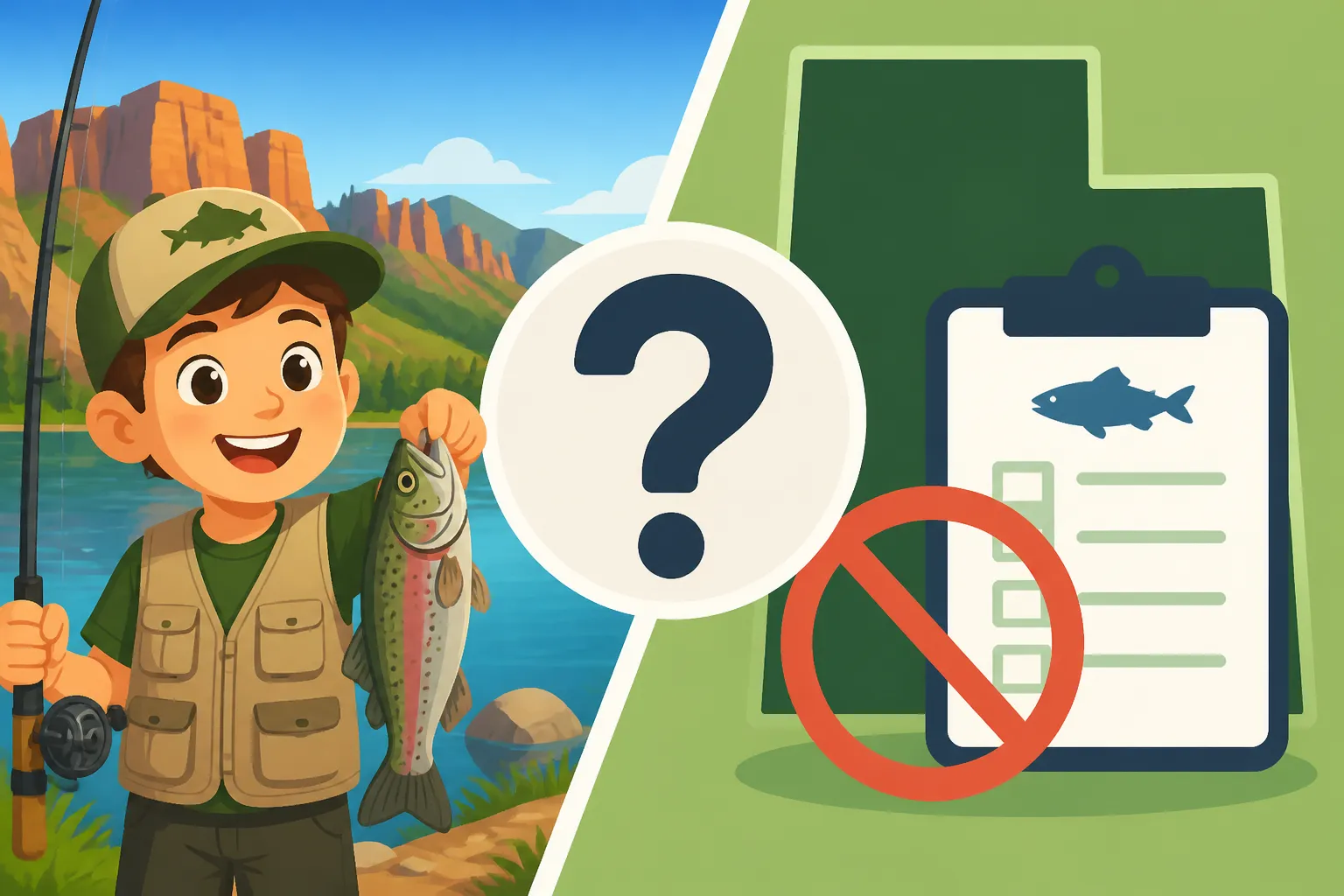
The clear, unambiguous answer is no, kids under the age of 12 do not need a fishing license in Utah. This is fantastic news for families! The Utah Division of Wildlife Resources (DWR) has a specific exemption that allows children aged 11 and under to fish without needing to purchase any kind of license or permit. This policy is designed to encourage youth participation in outdoor activities and foster a love for fishing from a very early age, without adding extra financial burden or bureaucratic hurdles for parents. Imagine the relief of not having to worry about an additional purchase or paperwork when you're already juggling snacks, sunscreen, and tangled lines! This exemption is a wonderful way for new generations to fall in love with Utah's abundant waters. You can find more details on this and other age requirements by checking out the Utah Fishing License Age Requirements guide.
Why This Rule is So Important for Families
This rule isn't just a small detail; it's a huge benefit that profoundly impacts how families can enjoy the outdoors in Utah. For many parents, the cost of licenses for themselves, plus gear, bait, and travel, can quickly add up. Removing the license requirement for young children alleviates some of that financial pressure, making fishing a more accessible and affordable family activity. It also simplifies the planning process immensely. You don't have to navigate complex online forms or stand in line at a sporting goods store just for a temporary license for your six-year-old. You can simply pack up the rods, grab some worms, and head to your favorite fishing hole. This ease of access encourages spontaneous trips and allows kids to discover the wonder of the natural world without barriers. It's about creating memories, not paperwork.
Understanding Utah's Youth Fishing License Structure
While the under-12 exemption is a huge win for families, it’s important to understand that it’s not a blanket rule for all youth. As children grow and develop their angling skills, the regulations gradually change. Knowing these age cut-offs and requirements ahead of time can save you a headache and ensure your future family fishing trips remain compliant and fun.
When a License Becomes Necessary for Kids
The magic age in Utah where a fishing license becomes a requirement for young anglers is 12 years old. Once your child celebrates their 12th birthday, they are officially considered old enough to need their own fishing license. This applies whether they're fishing for an hour at a community pond or embarking on a multi-day trip to a large reservoir like Strawberry. This transition means that parents will need to start planning for that additional license purchase when their child approaches this age. It’s a good idea to mark it on the calendar or set a reminder, so you’re not caught off guard. For a deeper dive into specific regulations for this age group, explore the Utah Youth Fishing License Rules.
Different License Options for Older Kids
When your child turns 12, they'll have a few options for their fishing license, depending on their age and how often they plan to fish. The Utah DWR offers various license types to suit different needs. Generally, a youth annual fishing license is available for those aged 12-17. This license covers them for a full year from the date of purchase, allowing for numerous trips throughout the seasons.
Here’s a general overview of youth license categories:
| Age Group | License Requirement | Typical License Type | Notes |
|---|---|---|---|
| 0-11 | No License Required | N/A | Encourages early participation |
| 12-17 | License Required | Youth Annual Fishing License | Also eligible for short-term licenses |
| 18+ | License Required | Adult Annual Fishing License | Resident or Non-Resident options |
For kids who might only fish once or twice a year, or perhaps on a family vacation to Utah, shorter-term options like a 3-day or 7-day fishing license might also be available, though these are more commonly used by non-residents or adults. The cost for youth licenses is significantly lower than adult licenses, reflecting the DWR's continued commitment to making fishing accessible for younger generations. These licenses can typically be purchased online through the DWR website, at most sporting goods stores, or through authorized license agents across the state. It's always a good idea to check the current year's Utah Fishing License Costs by Age and Residency to confirm pricing and options before you buy.
Beyond the License: What Kids Still Need to Know
Even though young children don't need a license, that doesn't mean it's a free-for-all on the water. All anglers, regardless of age, have a responsibility to understand and follow Utah's fishing regulations. This is crucial not only for conservation but also for safety and to ensure everyone has an enjoyable experience.
Essential Rules and Regulations for All Ages
This is where many parents can sometimes get tripped up. While the license itself is waived for kids under 12, the underlying rules of ethical and legal angling are not. Every single person fishing, including your five-year-old with a Snoopy rod, must abide by the Utah Fishing Regulations Explained. This includes understanding and adhering to:
- Daily Bag and Possession Limits: This refers to the number of fish of a certain species you can keep per day and the total number you can have in your possession. For instance, if the limit for rainbow trout is four, your child can't keep more than four, even if they caught eight. It’s a shared responsibility for the entire fishing party. Make sure you're aware of the specific Utah Daily Bag and Possession Limits for the water you're fishing.
- Size Restrictions: Some fish species have minimum or maximum length requirements. A fish that's too small or too large must be immediately released, regardless of who caught it.
- Gear Restrictions: Certain waters might have specific rules about what kind of bait or tackle you can use (e.g., "artificial flies and lures only"). These rules apply to everyone.
- Specific Water Body Rules: Different lakes, reservoirs, and rivers in Utah have unique regulations. For example, Strawberry Reservoir has special rules for cutthroat trout, and some waters have mandatory kill rules for invasive species like Northern Pike. Always check the DWR fishing guide for the specific body of water you intend to fish.
It’s the supervising adult's responsibility to ensure that any child they are fishing with follows all these rules. It's an excellent opportunity to teach responsibility and respect for wildlife and the environment from a young age.
Safety First: Gear and Supervision for Young Anglers
Fishing with kids isn't just about catching fish; it's about creating a safe and memorable experience. Safety should always be your top priority. Even on calm waters, a life jacket is a non-negotiable piece of equipment for young children, especially when fishing near water or from a boat. There are many comfortable, kid-specific life jackets available, and you can often find a good selection on platforms like Amazon. Sun protection is also key: hats, sunglasses, and sunscreen are essential for preventing sunburn, even on cloudy days.
Beyond personal safety gear, consider the fishing equipment itself. Start with a simple, easy-to-handle rod and reel combo that’s appropriately sized for their small hands. You don't need anything fancy for a beginner. A simple spincasting reel (often called a "push-button" reel) is usually the easiest for kids to learn. Ensure hooks are barbless if possible (or pinch down the barbs) to make hook removal easier and safer for both the fish and your child. A small tackle box with a few basic items like bobbers, sinkers, and hooks is all a beginner needs. For more ideas on what to get, check out this guide on What Gear Does a First-Time Utah Angler Need?. Always keep a first-aid kit handy for minor cuts and scrapes, which are pretty much inevitable when fishing with enthusiastic little ones. Most importantly, constant adult supervision is critical. Not only for safety but also for coaching, untangling lines, baiting hooks, and celebrating those first catches!
Promoting Ethical Angling from a Young Age
Fishing is more than just catching fish; it's an opportunity to instill important values in children about conservation, sportsmanship, and respect for nature. Even when they're not required to have a license, kids can learn about How to Release a Fish Without Hurting It in Utah, understanding that not every fish needs to be kept. Teach them to handle fish gently, wet their hands before touching, and release fish quickly if they're not legal size or if you're practicing catch-and-release.
Explain why we have bag limits and why it's important not to waste resources. Encourage them to pick up any litter they see, even if it's not theirs, leaving the fishing spot cleaner than they found it. These lessons go far beyond fishing; they teach environmental stewardship and a sense of responsibility that will serve them well throughout their lives. It's about nurturing a love for the outdoors that includes protecting it for future generations.
Making Family Fishing Easy in Utah
Bringing young children fishing should be an enjoyable experience for everyone, not a source of stress. Utah offers a fantastic variety of accessible fishing spots and numerous resources to help families have successful and memorable outings. The goal is to make it as easy and fun as possible!
Finding Kid-Friendly Fishing Spots
One of the biggest factors in a successful family fishing trip with little ones is choosing the right location. You'll want spots that are safe, accessible, and offer a good chance of catching fish to keep those short attention spans engaged.
- Community Ponds: Utah has a fantastic program of urban and community fishing ponds that are regularly stocked with trout and other panfish. These ponds are often designed with families in mind, featuring paved paths, restrooms, and easy access. They're usually well-stocked, which means a higher likelihood of bites, keeping the kids excited! Many of these ponds are perfect for a short outing without a long drive. Look into options like the ponds in Salt Lake Valley for easy access. To find one near you, check out our guide on Utah Community Pond Fishing Spots.
- State Parks and Reservoirs with Amenities: Many of Utah’s state parks surrounding reservoirs offer excellent shore fishing access, picnic areas, and other amenities that make a day with kids much easier. Places like Deer Creek Reservoir or Jordanelle Reservoir often have designated fishing areas or marinas where shore access is good.
- Blue Ribbon Fisheries (with caution): While some of Utah's "Blue Ribbon" fisheries are incredible, like parts of the Provo River, they can sometimes be challenging for very young children due to swift currents, tricky wading, or requiring more advanced techniques. However, some sections might still be suitable for shore fishing with supervision.
- Accessible Piers: Look for fishing piers at larger reservoirs. These offer a safe, elevated platform to fish from, keeping kids away from steep banks or uneven terrain. Many piers are also handicap-accessible, making them great for strollers or wagons to haul gear.
When scouting a location, consider how close restrooms are, if there's shade, and if the terrain is suitable for little legs. The goal is to minimize frustration and maximize fun. You can find more specific recommendations in our detailed guide on the Best Fishing Spots for Kids in Utah.
Tips for a Successful First Fishing Trip
Planning is key when fishing with young children. Here are some seasoned tips to ensure everyone has a great time:
- Keep it Short and Sweet: A young child’s attention span is often shorter than an adult’s. Don't plan an all-day epic. Aim for an hour or two, especially for the very first trip. You want them to leave wanting more, not completely exhausted and bored.
- Focus on Fun, Not Fish Count: The objective isn't to fill the cooler. It's about casting, reeling, watching the bobber, and enjoying nature. Celebrate every wiggle, every nibble, and certainly every catch, no matter how small.
- Pack Plenty of Snacks and Drinks: Hunger and thirst can quickly turn a fun outing into a meltdown. Be over-prepared with their favorite snacks and plenty of water.
- Bring Distractions: Even with the excitement of fishing, there might be downtime between bites. Bring a small toy, a book, or even binoculars for birdwatching to keep them engaged.
- Dress for Success (and Mess): Layer clothing for changing weather, bring rain gear if there's a chance of showers, and always assume they will get wet and dirty. Pack a change of clothes for the ride home.
- Patience is a Virtue: Fishing requires patience, and so does teaching kids to fish. There will be tangled lines, missed bites, and moments of frustration. Take a deep breath, and remember you’re building memories.
- Teach Basic Knots and Casting: Even if you do most of the work, showing them how to tie a simple knot or helping them practice casting (even just in the grass at home) gives them a sense of participation. Our guide on How to Teach a Kid to Fish in Utah has some great advice on this.
- Celebrate the Experience: Whether a fish is caught or not, focus on the positive aspects: the fresh air, the sounds of nature, the time spent together. Take photos to commemorate the adventure!
Ultimately, creating positive early experiences is how we cultivate the next generation of anglers who will appreciate and care for Utah's beautiful aquatic resources.
Disclaimer
The information provided in this guide is intended for general informational purposes only and is subject to change. While we strive to offer accurate and up-to-date details, fishing regulations in Utah, including licensing requirements, can be updated by the Utah Division of Wildlife Resources (DWR) at any time. It is always the angler's responsibility to consult the official Utah DWR Fishing Guidebook or website for the most current regulations and to ensure full compliance before engaging in any fishing activities.