What Does Mandatory Harvest Mean on a Utah Fishing Water?
Have you ever been out on a beautiful Utah lake, reeling in a fish, only to suddenly wonder if you're even allowed to let it go? The world of fishing regulations can be incredibly confusing, and the term "mandatory harvest" often throws even seasoned anglers for a loop. It’s not just about what you can keep, but what you must keep, and understanding this rule is crucial for legal and responsible angling. This guide will demystify what mandatory harvest means in Utah, why it exists, and how to comply with it on your next fishing adventure.
Understanding Mandatory Harvest in Utah Fishing
When you hear "mandatory harvest" in the context of Utah fishing, it's not a suggestion; it's a non-negotiable directive from the Utah Division of Wildlife Resources (DWR). This specific regulation is put in place for very important ecological reasons, primarily to protect Utah's delicate native fish populations and aquatic ecosystems from invasive threats. It's a critical tool in the DWR's conservation arsenal.
What "Mandatory Harvest" Actually Means
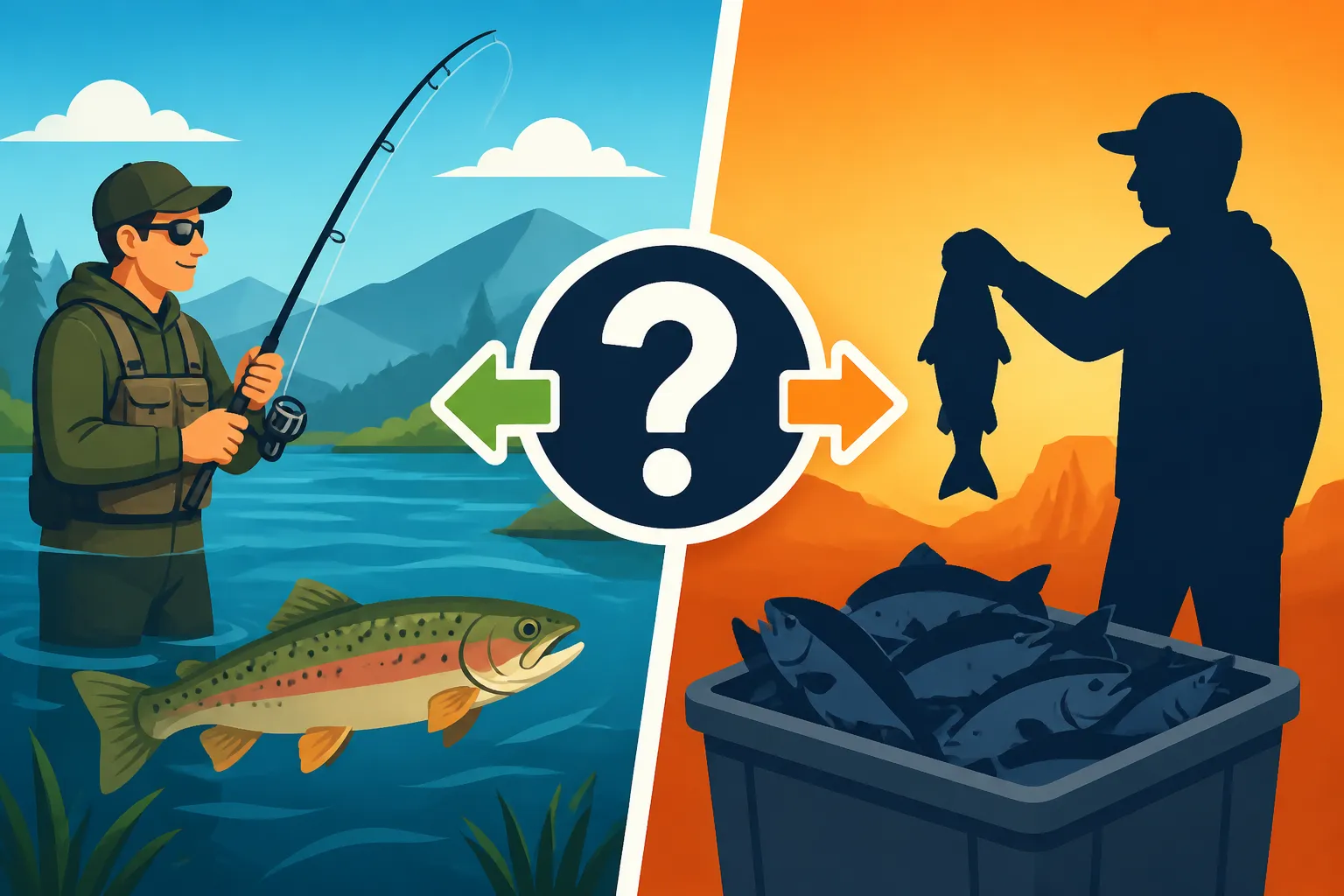
At its core, "mandatory harvest" means that if you catch a certain species of fish in a designated water body, you are legally required to remove it from the ecosystem. You absolutely cannot release it back into the water, even if you’re typically a catch-and-release angler, or if the fish is small, or if you simply don't want to keep it. Once it's on your line and landed, it must be harvested. This contrasts sharply with most other fishing regulations where you might have a bag limit (e.g., "four trout daily") but the choice to release fish that meet legal size requirements is still yours. With mandatory harvest, that choice is removed.
The implications are straightforward: be prepared to dispatch the fish humanely and store it properly. This means bringing a cooler with ice, a method for quick dispatch, and ensuring you know how to handle the fish once it's caught. Failing to harvest a fish designated for mandatory harvest is a violation of state fishing regulations and can result in significant penalties, including fines and potential loss of fishing privileges. It's truly one of the most serious regulations to understand and follow. For a broader overview of all the rules, check out our guide on the Utah Fishing Regulations Explained.
Why Utah Imposes Mandatory Harvest Rules
The reasons behind mandatory harvest rules are deeply rooted in wildlife management and conservation science. Utah's DWR doesn't implement these rules arbitrarily; they are strategic measures to address specific ecological imbalances or threats. The primary driver is almost always the control of invasive species. These non-native fish can wreak havoc on local ecosystems, outcompeting native fish for food, preying on them, or introducing diseases.
For instance, an invasive predator might decimate populations of native species, some of which could be endangered or threatened, disrupting the entire food web. By requiring anglers to harvest these invasive species, the DWR leverages the fishing community as an active participant in conservation efforts. It's a way to reduce the population of harmful fish without solely relying on costly and labor-intensive stocking or removal programs. This helps protect the future of recreational fishing for desired species and safeguards the biodiversity of Utah's waters. It's a win-win when anglers help manage these challenging populations while enjoying their sport.
Common Species Under Mandatory Harvest in Utah
While regulations can change, one of the most prominent and impactful examples of a mandatory harvest species in Utah is the Northern Pike. Understanding this specific case helps illustrate the broader principles behind such rules.
Northern Pike at Utah Lake
Northern Pike at Utah Lake are the quintessential example of mandatory harvest in action, and it’s a regulation that anglers fishing this popular water body absolutely must know. The DWR has declared a strict "kill all" policy for Northern Pike caught in Utah Lake and its tributaries. This means if you catch a Northern Pike there, you are legally obligated to dispatch it immediately and humanely, and you cannot return it to the water. The reasons are critical for the health of the lake's ecosystem, as detailed in our comprehensive article, Why Does Utah Lake Require You to Kill Every Northern Pike?.
Northern Pike are aggressive, voracious predators that grow large quickly. They were illegally introduced into Utah Lake, and their presence poses a severe threat to the native fish populations, particularly the endangered June Sucker. The June Sucker is a federally listed endangered species found only in Utah Lake, and its recovery is a major conservation priority for the state and federal agencies. Northern Pike prey heavily on June Suckers, especially the juveniles, making it incredibly difficult for the native population to rebound. Therefore, every Northern Pike removed from Utah Lake is a step towards protecting the June Sucker and restoring ecological balance. Anglers are on the front lines of this battle, and their participation is vital.
Other Highly Encouraged Harvests and Their Distinctions
It's important to clarify that while Northern Pike at Utah Lake are under strict mandatory harvest, other species might have regulations that strongly encourage harvest but aren't strictly "mandatory" in the sense of "you absolutely cannot release." For instance, some waters might have "no possession limit" or "unlimited take" for certain species like common carp, perch, or even specific sizes of walleye or striped bass. While these regulations mean you can keep as many as you want, and it's generally encouraged for ecological reasons (e.g., managing overpopulation or invasive species), it typically doesn't prohibit you from releasing a healthy fish if you choose to. The key difference lies in the option to release.
For instance, at Lake Powell, you’ll often hear about the encouragement to keep as many Striped Bass as you can, due to their overpopulation and impact on other fish. While there’s no bag limit, it’s not a strict mandatory harvest. You could, in theory, release a Striped Bass if you wanted, though it's generally advised against for conservation reasons. The distinction matters because mandatory harvest carries specific legal consequences for non-compliance, whereas unlimited harvest, while having a strong conservation recommendation, doesn't always carry the same immediate legal obligation to keep every single fish you catch. Always double-check the current regulations for the specific water you are fishing to understand these nuances. Our guide on Invasive Fish Species in Utah offers more context on the DWR's management strategies.
Practical Implications for Anglers
Understanding the rules is one thing, but being prepared to follow them is another. Mandatory harvest regulations require a bit of foresight and preparation from anglers to ensure compliance and humane handling.
Preparing for a Mandatory Harvest Encounter
When you plan a fishing trip to waters known for mandatory harvest species, preparation is key. You can't just throw a line in and hope for the best; you need to be ready to act when you hook one of these fish. First and foremost, always carry a cooler filled with ice. A simple soft cooler or a larger hard-sided cooler from Amazon will suffice, depending on how many fish you anticipate catching and the length of your trip. The ice is crucial not just for preserving the meat if you plan to eat the fish, but also for humane dispatch and storage on warm days. Proper storage is vital; learn How to Store Fish on a Hot Day in Utah to keep your catch fresh.
Beyond refrigeration, you'll need a tool for humane dispatch. A "bonker" (a small, heavy club) or a sharp, sturdy knife can quickly and humanely stun or dispatch the fish, minimizing suffering. Pike have sharp teeth and gills, so a pair of long-nosed pliers or a fish gripper is also highly recommended for safe handling. Make sure your fishing line and tackle are strong enough to reliably land these fish; it's frustrating and counterproductive to hook a mandatory harvest species only to lose it due to inadequate gear. Before you head out, review the current DWR guide; it's often available on the DWR website or at local license vendors. Our guide on Utah Fishing Techniques for Beginners also covers basic gear preparation.
Humane Dispatch and Handling
Once you've landed a fish that falls under mandatory harvest, acting quickly and humanely is paramount. The goal is to minimize stress and suffering for the fish, whether you plan to eat it or simply dispose of it responsibly. The most common method involves a sharp blow to the head with a bonker or the blunt end of a knife to stun the fish, followed by a cut to the gills or brain to ensure death. This is often referred to as "ikan-jime" (a Japanese method) or "brain spiking," which causes immediate cessation of brain activity.
After dispatch, place the fish immediately on ice. This not only keeps the meat fresh if you're taking it home but also ensures it stays dead and doesn't revive, which could lead to an accidental, illegal release. Remember, the fish cannot go back into the water. Disposing of dead fish improperly is also illegal and harmful to the environment. If you're not planning to eat the fish, ensure it's bagged and disposed of in a proper waste receptacle at home or at designated trash bins, not left on the shore or thrown back into the lake. Many boat ramps and popular fishing spots, especially at larger reservoirs like Utah Lake, have public fish cleaning stations where you can process your catch and dispose of carcasses correctly. Check our list of Utah Fish Cleaning Station Locations for facilities near you.
| Species | Primary Location | Reason for Mandatory Harvest | Key Action for Anglers |
|---|---|---|---|
| Northern Pike | Utah Lake & Tributaries | Highly invasive predator, threatens June Sucker | Kill all immediately, do not release |
| Other invasive species (check current regulations) | Specific Waters | Overpopulation, ecological disruption, disease risk | Follow specific DWR guidance, often "unlimited take" |
It's a serious responsibility to understand and comply with these rules. Penalties for non-compliance, such as releasing a Northern Pike in Utah Lake, can include hefty fines and even a suspension of your fishing license. For more details on these consequences, refer to our article on Utah Fishing License Penalties for Violations. Always be sure to check the latest DWR proclamation or app before each trip, as regulations can and do change. This is especially true concerning Utah Aquatic Invasive Species Rules for Anglers, which are constantly updated to protect our waters.
Disclaimer
The information provided in this guide is for general informational purposes only and does not constitute legal advice. Fishing regulations in Utah can change frequently. Always consult the most current Utah Fishing Guidebook published by the Utah Division of Wildlife Resources (DWR) or visit their official website before engaging in any fishing activities. Compliance with all applicable laws and regulations is the sole responsibility of the angler.