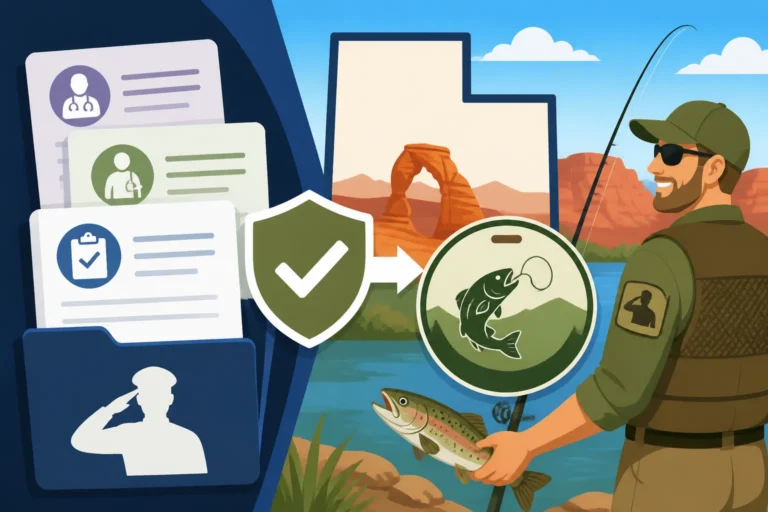
Utah Fishing License Discount for First Responders
Serving our communities as a first responder is a demanding, often thankless job that takes a significant toll. Between long hours, stressful situations, and the immense responsibility, finding time and resources for relaxation, like a peaceful day of fishing, can feel like a luxury. Many dedicated first responders wonder if their invaluable service might qualify them for a discount on a Utah fishing license, helping ease the financial burden of pursuing a much-needed outdoor escape. This comprehensive guide aims to address that exact question, offering clarity on what's available and how you can make fishing in Utah more accessible.
The Reality of First Responder Fishing License Discounts in Utah
It’s completely understandable to hope for special recognition, especially when you dedicate your life to protecting others. Many states offer various forms of discounts for active military, veterans, seniors, and those with disabilities, and it's natural to assume that first responders like police officers, firefighters, and EMS personnel might fall under a similar umbrella. However, the landscape of fishing license discounts can be a bit nuanced, and what applies in one state might not be the same in another.
Understanding Current Utah DWR Policies
Let's get straight to it: as of the most recent updates, the Utah Division of Wildlife Resources (DWR) does not currently offer a specific, direct fishing license discount explicitly for active or retired first responders based solely on their profession (e.g., police, fire, EMS). I know, this can be a bit disappointing to hear, especially when you see programs for other groups. It’s a common point of confusion and sometimes frustration, as the definition of "first responder" is broad, and the need for a break is universal among those in high-stress roles.
While there isn't a blanket "first responder" discount, it’s crucial to understand that many individuals who serve as first responders may very well qualify for other existing discounts or exemptions based on different criteria. For instance, if you're a first responder who also happens to be a veteran, or someone with a qualifying disability, those are separate categories with their own established discount programs. This distinction is really important because it means while your badge or helmet might not be the direct ticket to a discount, your broader life experiences and other service commitments could absolutely open doors to savings. The DWR's primary focus with these specific discounts tends to be on categories like age, residency, military service, and documented disabilities, which are often easier to define and verify across a diverse population.
Why This Information Matters to You
Knowing the exact policies prevents wasted time and potential disappointment. Instead of searching fruitlessly for a non-existent first responder category, you can channel your efforts into exploring other avenues that might genuinely apply to your situation. For many, fishing isn't just a hobby; it's a vital stress reliever, a way to decompress after intense shifts, and a chance to reconnect with nature and family. The last thing you need is more bureaucracy or confusion when you're trying to plan a well-deserved outing.
Understanding that a direct "first responder" discount isn't currently available allows us to pivot and explore the benefits that do exist and how they might relate to your personal circumstances. This proactive approach ensures that you're well-informed and can confidently pursue the most cost-effective ways to enjoy Utah's incredible fisheries, whether you're targeting a trophy trout at Flaming Gorge or just enjoying a quiet afternoon at a community pond. Think of this as getting the lay of the land, so you can choose the best path forward to get your line in the water without unnecessary hurdles.
Exploring Related Discounts for Those Who Serve
Even without a dedicated "first responder" discount, many individuals who serve in these vital roles have other life experiences or circumstances that do qualify them for existing Utah fishing license benefits. It’s all about knowing what to look for and understanding the specific criteria. The key is to see if you fit into any of the established categories recognized by the Utah Division of Wildlife Resources.
Utah's Disabled Veteran Fishing License Program
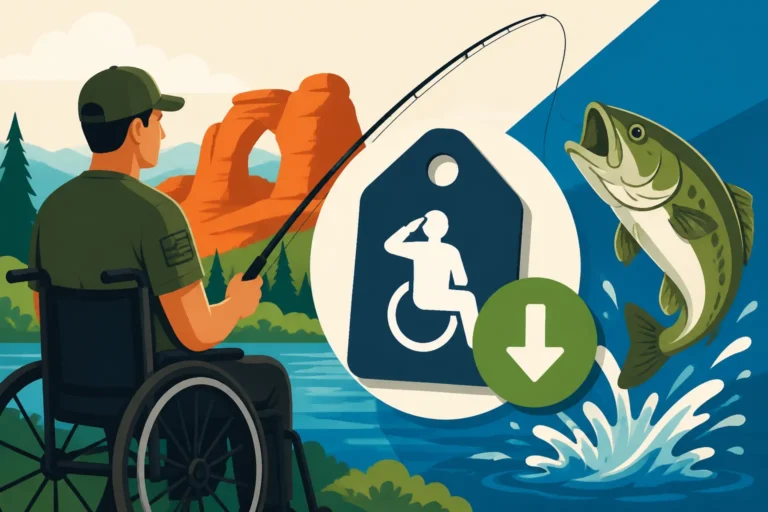
This is a significant program that many first responders, who also have military service, might overlook. If you are a U.S. military veteran with a service-connected disability, Utah offers a substantial discount on fishing licenses. This isn't just a small reduction; it's a way to honor your dual service to both country and community.
To qualify for a Utah Disabled Veteran Fishing License, you generally need to meet specific criteria regarding your disability rating from the Department of Veterans Affairs (VA). Typically, the DWR requires proof of a service-connected disability rating of a certain percentage, often 20% or more, depending on the specific benefit you're seeking. This is a common benefit across many states, acknowledging the sacrifices made by veterans. For first responders who are also veterans, this can be the pathway to a more affordable license. It means that while your current job title might not get you a discount, your past military service very likely could. It’s definitely worth investigating if this applies to you or someone you know who fits this description. You can find more details on what documents prove a service-connected disability for a Utah veteran license by checking the DWR website or a local DWR office.
Combination Licenses: Another Way to Consolidate Costs
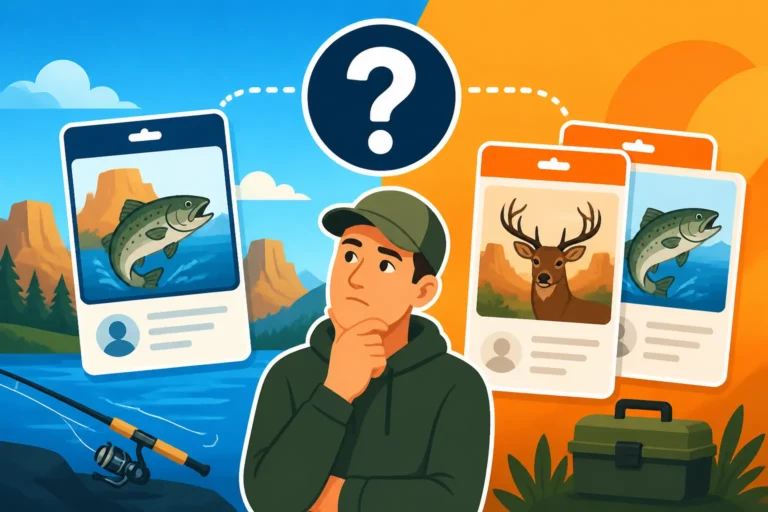
Sometimes, the best discount isn't a direct reduction but rather a smart bundling option. For many outdoor enthusiasts, fishing isn't their only passion. If you also enjoy hunting, consider a Utah Combination Hunting and Fishing License. This single license covers both activities for a full year, and it's almost always more cost-effective than purchasing separate annual licenses for hunting and fishing individually.
Think about it: if you plan to hunt deer in the fall and fish for trout throughout the spring and summer, buying two separate licenses adds up. A combination license streamlines the process and often saves a noticeable amount of money. This strategy isn't a "discount" in the traditional sense, but it’s a smart financial move that many first responders, who often value outdoor pursuits, can benefit from. It's about maximizing your outdoor recreation budget by taking advantage of the bundled pricing. You might be surprised at the savings, especially if you consider all the seasons and activities you enjoy. When you’re looking at the Utah Fishing License Costs by Age and Residency, compare the annual fishing license price against the combination license to see your potential savings.
| License Type | Resident Adult (18-64) | Non-Resident Adult (18+) | Disabled Veteran (Resident) |
|---|---|---|---|
| Annual Fishing License | ~$40 | ~$95 | ~$20 (with 20%+ rating) |
| Annual Combination License | ~$70 | ~$200 | ~$20 (with 20%+ rating) |
| 3-Day Fishing License | N/A | ~$30 | N/A |
| 7-Day Fishing License | N/A | ~$40 | N/A |
Note: Prices are approximate and subject to change by the DWR. Always check the official DWR website for the most current pricing and eligibility requirements.
How to Navigate the Application Process for Qualified Discounts
Once you’ve identified a discount or cost-saving option that might apply to you, the next step is understanding how to actually get your license. The Utah DWR has made the process fairly straightforward, offering both online and in-person options. Knowing what to expect can save you time and ensure a smooth experience.
Required Documentation and Verification
This is where the rubber meets the road. For any special license, whether it's a veteran discount or proof of residency, you'll need the right paperwork. For the Utah Disabled Veteran Fishing License, for example, you'll need official documentation from the Department of Veterans Affairs (VA) verifying your service-connected disability rating. This usually comes in the form of a letter or card from the VA. It’s not enough to simply state you’re a veteran with a disability; you need the official proof.
For resident licenses, you'll typically need to show proof that you've lived in Utah for a specified period (usually six consecutive months immediately prior to applying for the license), often through a Utah driver's license, state ID, or other official documents like utility bills or property tax statements. If you're buying a youth license, you'll likely need proof of age. The DWR isn't trying to make things difficult, but they need to ensure that everyone receiving a discounted rate genuinely qualifies according to state law. Gathering these documents before you start the application process will make everything go much more quickly. Always double-check the latest requirements on the DWR website or by calling a DWR office, as rules can occasionally be updated.
Online vs. In-Person Application
The DWR offers convenient ways to purchase your fishing license. For most standard licenses, the Utah Fishing License Online Purchase Process is probably the easiest route. You can visit the DWR website, create an account or log in, select your license type, and pay with a credit card. It’s quick, efficient, and you can usually print your temporary license right away or save it to your phone. This is often the best method if you're buying a standard annual license or a combination license and already have an account.
However, if you're applying for a specific discount like the Disabled Veteran license, or if you have unique circumstances, an in-person visit might be necessary. You can visit any DWR office or a licensed vendor (like many sporting goods stores, some grocery stores, or even smaller general stores in rural areas) to apply. While the online system is robust, some specific discounts require a DWR representative to physically review your documentation to ensure eligibility. They can also answer any questions you might have about your specific situation. Don't hesitate to visit a DWR office; the staff are usually very helpful and knowledgeable about all the various Utah Fishing License Exemptions and Discounts. This personal touch can be really reassuring, especially if you're unsure about what documentation you need.
Additional Strategies for Affordable Fishing in Utah
Beyond direct discounts, there are several smart ways for first responders and anyone else to enjoy Utah fishing without breaking the bank. Sometimes it’s about timing, and other times it’s about making savvy choices for your gear. Every little bit helps when you're trying to stretch your budget for a well-deserved escape to the water.
Taking Advantage of Utah's Free Fishing Day
This is a fantastic opportunity that everyone, including first responders and their families, should mark on their calendars! Once a year, the Utah DWR hosts a Utah Free Fishing Day. On this designated day, typically in early June, anyone can fish in Utah's public waters without needing a fishing license. It's an incredible chance to introduce kids to fishing, try out a new spot, or just enjoy a day on the water without the upfront cost of a license.
While you don't need a license on Free Fishing Day, remember that all other fishing regulations, such as daily bag and possession limits (like the Utah Trout Daily Limit Explained), still apply. It's a perfect stress-free way to experience the joys of angling and see if it's something you want to invest in further. Think of it as a trial run! It's a great opportunity to explore various Best Places to Fish in Utah with the whole family, perhaps even trying out a local community pond or a section of the Provo River.
Smart Shopping for Gear and Supplies
Fishing gear can definitely add up, but you don't need the most expensive equipment to have a great day on the water. For first responders looking to get into fishing, or even experienced anglers needing to replace items, smart shopping is key.
Start with the essentials. A basic spinning rod and reel combo, a small tackle box with hooks, sinkers, bobbers, and a few lures or some bait is usually all you need to get started. You can find excellent beginner-friendly combos for a very reasonable price. When it comes to consumables like fishing line, hooks, and even bait, buying in bulk or looking for sales can save you money over time. Retailers like Amazon often have great deals on fishing tackle and can deliver right to your door, saving you a trip to a specialized store. You can also find good quality, affordable tackle from brands like Ugly Stik for rods and reels, or Berkley for line and bait.
Don't forget to check local sporting goods stores for clearance sales or consider used gear. Many anglers upgrade frequently, and you can often find perfectly good rods, reels, or even waders at consignment shops or online marketplaces. For specific items like a good pair of polarized sunglasses to help you see fish, or a comfortable fishing vest, you might find competitive prices on Amazon compared to brick-and-mortar stores. When putting together your tackle box, think about versatility. A few spoons and spinners that work for various species, like those in a Best Tackle for Utah Trout article, will serve you better than dozens of highly specialized lures. Don't feel pressured to buy everything at once; build your collection over time. Websites like Amazon are also excellent for checking reviews and comparing prices on everything from bait containers to portable fish cleaning tables, helping you make informed decisions without breaking the bank.
Considering Short-Term License Options
If you don't plan on fishing frequently throughout the year, an annual license might not be the most economical choice. Utah offers short-term licenses, which can be a real money-saver for the occasional angler.
For non-residents, these often come in 3-day or 7-day increments. While a resident annual license is usually the best value for frequent anglers, if you're a first responder who only gets a couple of dedicated fishing trips in a year, or perhaps you're visiting a different part of the state, a short-term option might make more sense. While Utah doesn't currently offer a 1-day fishing license, the Utah 3-Day Fishing License Cost or the Utah 7-Day Fishing License Cost could be a great choice for a long weekend trip.
Always do the math based on how many days you realistically expect to fish. Sometimes, two separate 3-day licenses will still be cheaper than a full annual license, especially if your trips are spread far apart. This flexibility in licensing options ensures that you're only paying for the amount of fishing time you truly anticipate using, which is a smart financial strategy for anyone, including busy first responders carving out precious time for relaxation.
Disclaimer
Please be aware that fishing regulations, license requirements, and pricing can change. While this guide provides the most current information available, it is always best to consult the official Utah Division of Wildlife Resources (DWR) website or contact a DWR office directly for the most up-to-date and accurate details before purchasing your license or heading out to fish.