Utah Aquatic Invasive Species Inspection Station Locations
It can feel like a real headache trying to keep up with all the regulations when you're just trying to get out on the water and enjoy some peaceful fishing. One of the biggest challenges Utah anglers and boaters face is navigating the ever-important aquatic invasive species (AIS) inspection process. Nobody wants to accidentally spread harmful quagga or zebra mussels, but figuring out where to get your boat checked can be confusing and lead to unnecessary stress or even costly fines. This comprehensive guide is here to simplify the process, detailing exactly where you can find AIS inspection stations across Utah, what types of stations exist, and how to prepare for a smooth inspection.
Understanding Utah's Aquatic Invasive Species Threat
Let's be honest, we all love Utah's stunning lakes and reservoirs. They’re teeming with fish, offer incredible recreation, and are a huge part of our lifestyle. But there's a serious, silent threat lurking that could jeopardize all of it: aquatic invasive species. When we talk about AIS, we're primarily focused on quagga and zebra mussels. These tiny invaders might seem harmless, but they wreak absolute havoc on ecosystems and infrastructure. They multiply rapidly, attaching to everything underwater – boats, docks, pipes, and even native species.
Why Quagga and Zebra Mussels are a Big Deal
The reality of these mussels is pretty grim. If they establish themselves in a waterbody, they can filter out microscopic food sources, starving native fish and disrupting the entire food web. Imagine your favorite fishing spot like Strawberry Reservoir or Flaming Gorge suddenly having drastically fewer trout because these mussels have taken over. Beyond the ecological damage, they also clog water intake pipes, hydropower facilities, and irrigation systems, costing millions of dollars in maintenance and repairs annually. This isn't just a distant problem; we've already seen them impact Lake Powell, and the state is fighting tooth and nail to prevent their spread to other pristine waters. Understanding this threat helps highlight why the inspection process, though sometimes inconvenient, is absolutely vital for protecting Utah's fisheries for generations to come. It’s a collective effort, and your participation truly makes a difference.
Mandatory Inspections for Protecting Our Waters
Because the stakes are so high, the Utah Division of Wildlife Resources (DWR) has implemented mandatory AIS inspections for all boats and personal watercraft. This isn't just a suggestion; it's a legal requirement. Whether you're launching a small fishing boat, a kayak, or even a paddleboard, if it's been in a "quagga-infested" waterbody (like Lake Powell) or is simply entering a new waterbody, an inspection is often required. The purpose of these inspections is simple: intercept any hitchhiking mussels before they can infest another lake or river. Skipping an inspection, or failing to decontaminate when required, can result in significant penalties. You can find more details about these rules in our guide on Utah Aquatic Invasive Species Rules for Anglers.
Where to Find Permanent AIS Inspection Stations in Utah
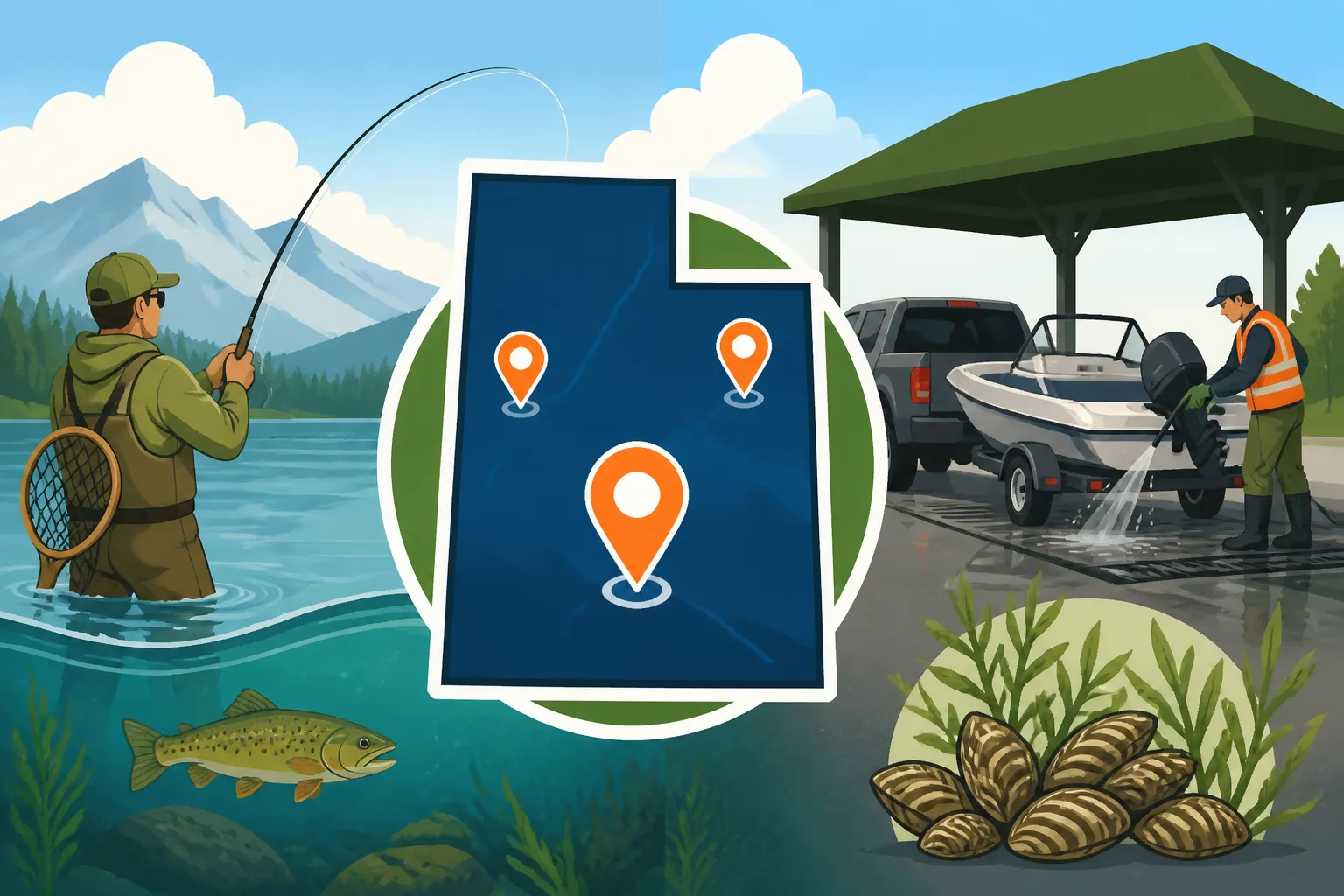
Utah's DWR has established a network of permanent AIS inspection stations strategically located around the state. These stations are typically found along major travel routes, especially near popular reservoirs and highways leading to and from areas known for quagga mussel infestations. Think of them as the front line of defense, staffed by trained technicians ready to give your watercraft a thorough once-over.
Key Permanent Station Locations
These permanent stations are designed for convenience, usually equipped with the necessary tools for inspections and, when needed, decontaminations. It's always a good idea to factor in a stop at one of these locations into your travel plans, especially if you're coming from out of state or have recently been on a known infested waterbody.
Here’s a breakdown of some of the most frequently used permanent stations:
- Hurricane/St. George Area (Southern Utah): Given the proximity to Lake Powell, stations in Southern Utah are extremely busy. You'll find a major station on Highway 9 near Hurricane (the main route to Zion National Park) and another on I-15 near St. George. These are critical checkpoints for anyone leaving Lake Powell.
- Spanish Fork (Central Utah): A very important station is located on Highway 6 near Spanish Fork. This is a major corridor for traffic heading to and from waters like Lake Powell, Strawberry Reservoir, and even those coming up from points south. It’s a common spot for anglers traveling between central and southern Utah.
- Flaming Gorge Area (Northeastern Utah): With Flaming Gorge Reservoir being a highly popular destination, there are stations in the vicinity, often located on US-191 north of Vernal or closer to the Wyoming border. These help protect this incredible trophy fishery from potential invasion.
- Bear Lake Area (Northern Utah): Another beloved waterbody, Bear Lake, also has vigilance. Look for stations on US-89 in Logan Canyon or other routes leading to the lake, particularly during peak seasons.
- Green River/Moab (Southeastern Utah): For those exploring the stunning waters in Southeastern Utah, like the Green River, you might encounter stations on I-70 or other major routes.
This table provides a snapshot of some major permanent stations and their general operating status:
| Station Name | General Location | Highway/Route | Typical Operating Status | Notes |
|---|---|---|---|---|
| Hurricane | Southern Utah, near Zion | SR-9 | Year-Round (Seasonal Hrs) | High volume from Lake Powell; decons often available. |
| St. George (I-15) | Southern Utah, south of city | I-15 | Year-Round (Seasonal Hrs) | Catches traffic headed north from Arizona/Nevada. |
| Spanish Fork | Central Utah, east of city | US-6 | Year-Round (Seasonal Hrs) | Major hub, crucial for Lake Powell traffic heading north. |
| Daniels Canyon | Central Utah, between Heber/Duchesne | US-40 | Seasonal (Spring-Fall) | On route to Strawberry Reservoir and Uinta Basin. |
| Green River | Southeastern Utah | I-70 | Seasonal (Spring-Fall) | Intercepts traffic from eastern Utah and Colorado. |
| Bear Lake (Logan Cyn.) | Northern Utah | US-89 | Seasonal (Spring-Fall) | Protects Bear Lake, catches traffic from Logan/Cache Valley. |
| Flaming Gorge (Manila) | Northeastern Utah, near reservoir | SR-44 / US-191 | Seasonal (Spring-Fall) | Dedicated to protecting Flaming Gorge. |
Keep in mind that while many are year-round, operating hours can vary significantly by season. Always check the DWR's official website or app for the most current information before you head out. This is especially true for those coming from high-risk waters, where specific Utah Quagga Mussel Decontamination Rules will apply.
When to Expect These Stations to Be Open
Permanent stations are generally staffed during daylight hours, especially on weekends and holidays, which are peak boating times. During the busiest summer months, many might even extend their hours. In the off-season, like late fall or winter, some stations might operate on a reduced schedule or even close for periods, especially those in more remote areas. However, key stations along major routes, particularly those intercepting Lake Powell traffic, often remain open year-round, albeit with shorter hours during colder months. It’s always best practice to check the DWR website or their "Utah Hunting and Fishing App" before you travel to confirm the latest operating hours. This way, you won't arrive at a station only to find it closed and potentially delay your trip or even lead to a citation for not getting an inspection.
Navigating Seasonal and Mobile AIS Checkpoints
Beyond the fixed permanent stations, Utah also employs seasonal and mobile AIS checkpoints. These are crucial for providing flexibility and targeting specific areas or events, ensuring broader coverage and adaptability to changing boating patterns or threats.
Understanding Seasonal Checkpoints
Seasonal checkpoints often pop up during peak recreational seasons, like spring, summer, and early fall, when more people are out on the water. You’ll typically find these near popular boat ramps, state parks, and major access points to specific reservoirs. For example, during the busy summer weekends, you might find a temporary station set up right at the entrance to Deer Creek Reservoir State Park or Jordanelle State Park. The goal is to catch boaters right before they launch, providing a convenient last-minute inspection.
These temporary locations are incredibly important because they fill the gaps that permanent stations might miss. They also serve as educational hubs, where DWR personnel can chat with boaters, answer questions about Utah Aquatic Invasive Species Inspection Stations, and hand out informational materials. It's not uncommon to see these stations at popular fishing tournaments or derbies, where many boats converge from various locations. They’re a reminder that vigilance is needed at all access points, not just along major highways. Remember, ignorance of the rules is not an excuse for non-compliance, so be prepared for these pop-up checks.
Encountering Mobile Checkpoints and Watercraft Inspections
Mobile inspection teams are a dynamic part of Utah's AIS defense strategy. These teams are less predictable than permanent or seasonal stations because they can set up almost anywhere, at any time. You might encounter a mobile checkpoint on a rural road leading to a remote lake, at a campground where boaters are staging, or even randomly on an unannounced route near popular fishing destinations. These mobile units are staffed by certified DWR officers and technicians who have the authority to stop and inspect watercraft.
While it might feel a bit surprising to be stopped on the road for an inspection, it’s a standard and necessary procedure. These mobile units play a vital role in surprising potential violators and ensuring that boaters aren't trying to bypass the more obvious permanent stations. They're often equipped with portable decontamination units, allowing for on-the-spot cleaning if a boat is found with standing water or suspected mussels. If you’re ever unsure about what to do, just remember the “Clean, Drain, Dry” principle. Having your boat visibly clean, all water drained, and fully dry will make any inspection quick and easy. Tools like a shop-vac or a portable pump can be really helpful for ensuring your boat is thoroughly drained, and you can often find great options for these on Amazon to keep in your rig.
What to Expect at an AIS Inspection
The thought of an inspection might sound daunting, but knowing what to expect can make the process smooth and quick. The DWR officers and technicians conducting these inspections are there to help, not to hinder your fishing trip, and they'll guide you through the process.
The Inspection Process Step-by-Step
When you pull up to an inspection station, whether it’s a permanent one or a mobile checkpoint, here’s a general idea of what will happen:
- Stop and Prepare: Follow any signage or instructions from the personnel. Pull your boat over to the designated inspection area. Before you even get to the station, it's helpful to have your boat prepared. This means removing any drain plugs, opening storage compartments, and making sure your bilge is accessible.
- Initial Interview: A DWR technician will approach your vehicle and ask a few questions. These typically include:
- Where are you coming from (what waterbody did your boat last enter)?
- Where are you planning to go next?
- How long has your boat been out of the water?
- Have you recently been to Lake Powell or another known infested water?
Be honest and upfront. This information helps them determine the risk level and what type of inspection or decontamination might be necessary.
- Visual Inspection: The technician will then conduct a thorough visual inspection of your watercraft, including the hull, engine, outdrive, propeller, anchor, and any compartments. They are looking for any attached mussels, standing water, or mud/debris that could harbor invasive species. They might even use mirrors or flashlights to check hard-to-reach areas. They'll likely also ask you to put your engine down and ensure all plugs are removed to verify complete drainage. Even small items like fishing nets, life jackets, or anchor lines that have been in the water will be checked.
- Decontamination (If Necessary): If mussels are found, or if your boat has recently been in an infested water and hasn't met the required dry time, a decontamination will be ordered. This involves using hot, high-pressure water to kill and remove any mussels. The DWR technicians are trained and equipped to perform this service. This process can take anywhere from 15 minutes to an hour or more, depending on the size of your boat and the extent of contamination. It's crucial for protecting other waters. Our guide on Utah Quagga Mussel Decontamination Cost provides more details on what to expect if a decon is needed.
- Seal and Release: Once the inspection or decontamination is complete, if your boat meets the clean, drain, and dry criteria, you’ll usually receive a seal. This seal indicates that your boat has been inspected and cleared to launch. This is especially common for boats leaving high-risk areas. If you're planning on fishing a nearby reservoir right after an inspection, you might not get a seal, but rather a simple verbal clearance. Always keep your inspection paperwork handy, whether digital on your phone or a physical copy.
Preparing for a Quick and Easy Inspection
The best way to ensure a speedy inspection is to arrive prepared. Here are some tips:
- Clean: Before you even leave the ramp of your last fishing spot, or definitely before you hit an inspection station, physically clean off any visible mud, plants, or debris from your boat, motor, and trailer. A good stiff brush or even a small portable pressure washer (you can find affordable options on Amazon) can be incredibly helpful.
- Drain: Remove all drain plugs and ensure all water is drained from the bilge, live wells, ballast tanks, and engine cooling systems. Tilt your motor down to allow water to run out. This is a non-negotiable step. Even a small amount of standing water can potentially harbor microscopic mussel larvae.
- Dry: Allow your boat to dry completely before launching into a new waterbody. This is especially critical if you've been in a known infested area. The recommended dry times can vary depending on the season and temperature, so always check current guidelines. Our article on Utah Dry Time Rules After Leaving Lake Powell goes into this in much more detail.
- Organize Documents: Have your boat registration and any previous inspection/decontamination paperwork readily available. This helps confirm your boat's history and speeds up the process. A waterproof document bag, available on Amazon, can keep these safe.
- Know Your Travel History: Be ready to accurately state which waterbodies your boat has visited.
Remember that even kayaks, canoes, and paddleboards can spread AIS. While they don't always need to stop at every station, the "clean, drain, dry" principle applies to them just as much. You can learn more about this in our guide on Do Kayaks and Paddleboards Need AIS Inspections in Utah?. By doing your part, you’re helping preserve the incredible fishing opportunities we all cherish in Utah.
Disclaimer
The information provided in this guide is for general informational purposes only and does not constitute legal advice. Fishing regulations and aquatic invasive species rules in Utah are subject to change. Always consult the official Utah Division of Wildlife Resources (DWR) website, publications, or contact a DWR office directly for the most current and accurate regulations before engaging in any fishing or boating activities.