Utah Bait Fish Rules for Live Bait
One of the most confusing things for anglers in Utah, especially those new to the state or coming from places with more relaxed rules, is figuring out what's allowed when it comes to live bait. You don't want to get out on the water, excited for a day of fishing, only to realize your favorite live minnows are a big no-no, potentially landing you in trouble. This comprehensive guide will untangle the often-complex Utah bait fish rules for live bait, helping you understand what you can and cannot use to stay on the right side of the law and protect our precious fisheries.
The General Rule on Using Live Bait Fish in Utah Waters
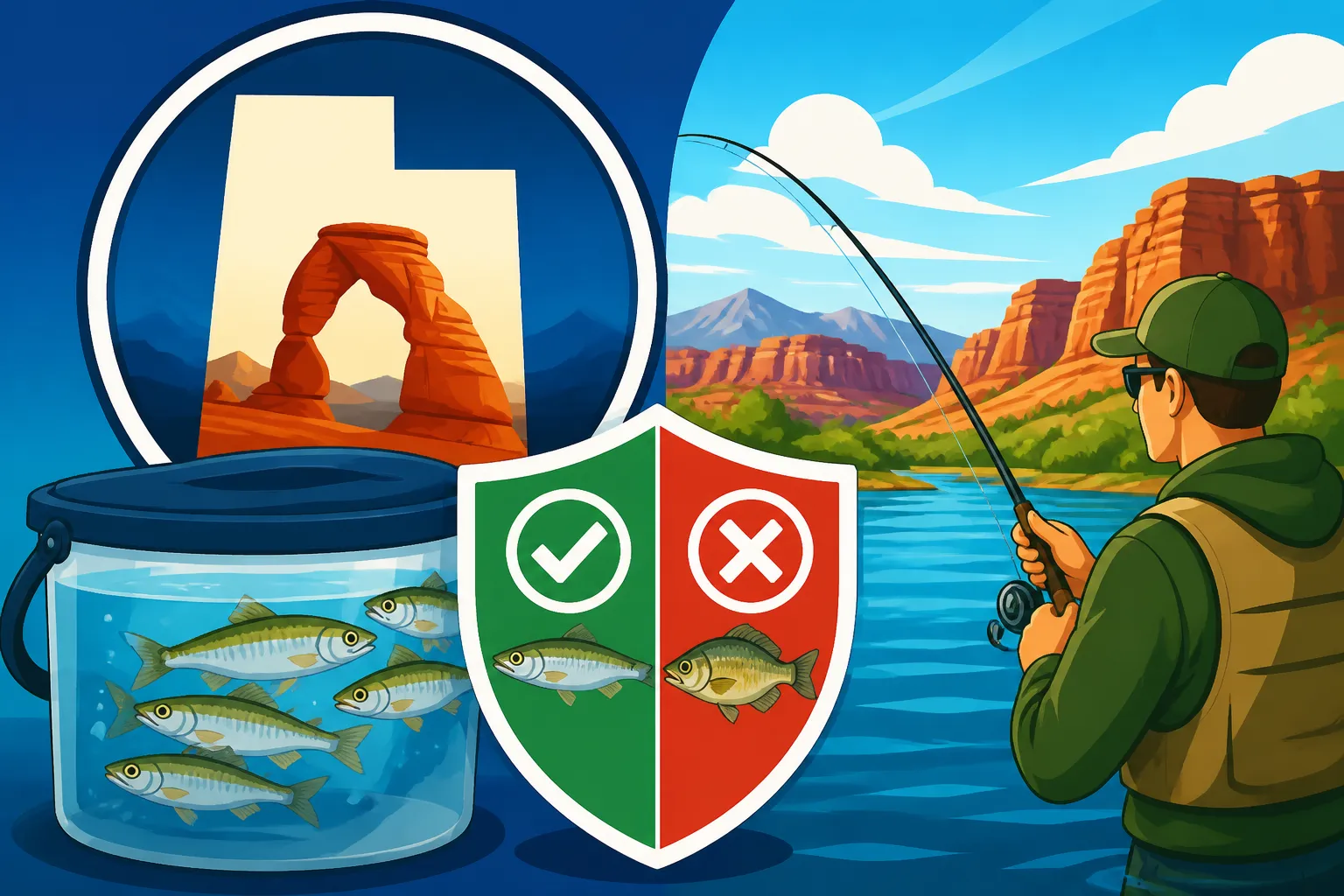
Let's cut right to it: the overarching rule in Utah is that using live bait fish is generally prohibited in most waters across the state. This isn't just a suggestion; it's a critical regulation put in place for very important reasons. Many anglers come to Utah expecting to cast out a lively minnow, shiner, or chub, only to find that doing so could result in a significant fine. It’s a common misconception, and it’s one that the Utah Division of Wildlife Resources (DWR) takes very seriously. This rule is designed to protect the state's diverse aquatic ecosystems from a host of potential threats.
Why Restrictions Exist: Protecting Utah's Ecosystems
The restrictions on live bait fish aren't meant to make fishing harder or less enjoyable; they are a vital safeguard for Utah's fisheries. The primary concerns revolve around two major threats: the introduction of invasive species and the spread of fish diseases.
Imagine bringing a bucket of bait minnows from a local pond to a pristine mountain lake. That seems harmless, right? Unfortunately, those bait fish could be carrying diseases or parasites that the lake's native fish populations have no natural immunity to. A single sick minnow could devastate an entire fishery. Beyond disease, there's the risk of introducing non-native, invasive fish species. If even a few bait fish escape the hook or are intentionally released (a big no-no, by the way), they can establish breeding populations. These new species can then outcompete native fish for food and habitat, disrupt the food web, and in some cases, even prey directly on native or sport fish fry. For instance, the DWR works tirelessly to protect species like the Bonneville Cutthroat Trout, Utah's state fish, and invasive species pose a serious threat to these efforts. Understanding these threats makes it clear why rules regarding bait fish are so stringent and why you should always refer to the current Utah Fishing Regulations Explained before heading out.
Defining "Bait Fish" According to Utah DWR
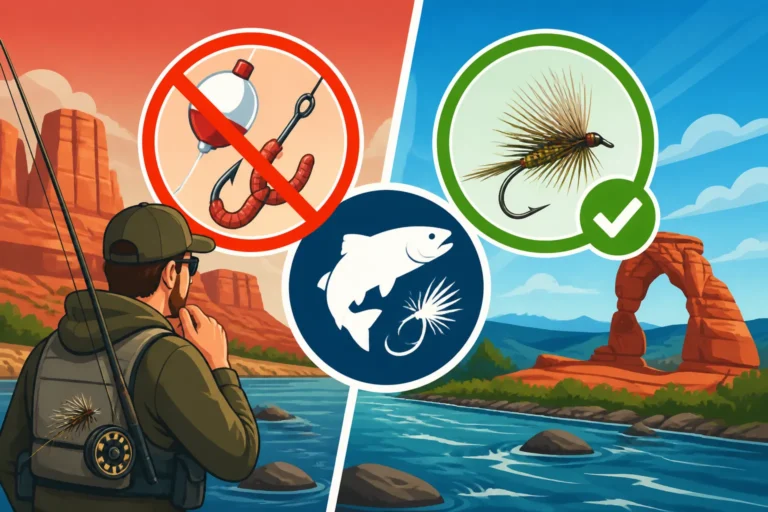
So, what exactly does the Utah DWR consider a "bait fish"? This is where some of the confusion often lies. When the regulations talk about "bait fish," they are specifically referring to live fish used as bait. This is a crucial distinction. Worms, grubs, crickets, grasshoppers, salmon eggs, or even dead, non-fish baits like shrimp or cured anchovies, are generally not considered "bait fish" under these restrictions.
For example, you can almost always use a nightcrawler or a wax worm as live bait for trout, as these are invertebrates and not fish. The concern comes when anglers want to use live minnows, shiners, or other small fish that they might net themselves or purchase elsewhere. These are the "live bait fish" that are heavily regulated. It's not about prohibiting all live organisms, but specifically living fish that could potentially cause ecological harm if introduced to new waters. Always double-check the DWR guidebook for the exact legal definition, but generally, if it swims and has fins, and you're planning to use it alive on your hook, it's likely falling under the strict bait fish rules.
Waters Where Live Bait Fish Are Strictly Prohibited
The vast majority of Utah's most popular and ecologically sensitive waters have a strict ban on live bait fish. This means no live minnows, no live chubs, no live shiners—no live fish of any kind used as bait. These bans are integral to maintaining the health and balance of these important fisheries.
Key Reservoirs and Rivers with Ban
When you're planning a trip to some of Utah's premier fishing destinations, assume live bait fish are off-limits unless explicitly stated otherwise. Iconic waters like Strawberry Reservoir, famous for its trophy trout and kokanee salmon, have a complete ban on live bait fish. This is critical for protecting its unique genetics and preventing the introduction of harmful pathogens. Similarly, Bear Lake, home to the unique Bonneville Cisco and Bear Lake Cutthroat Trout, also prohibits live bait fish to safeguard its endemic species. The Provo River, particularly its blue-ribbon sections, and the Green River below Flaming Gorge Dam, are renowned fly-fishing destinations where live bait fish are absolutely forbidden, preserving the pristine environment and native trout populations.
Other major reservoirs like Deer Creek Reservoir, Jordanelle Reservoir, Pineview Reservoir, and Flaming Gorge Reservoir generally adhere to this prohibition as well for game fish. Each water body has specific management goals, and preventing the spread of disease or invasive species through live bait fish is almost always a top priority. Getting caught using illegal live bait fish in these waters isn't just a slap on the wrist; it can lead to significant fines and even forfeiture of your gear. It’s just not worth the risk. When considering a trip to a particular spot, always look up the specific rules. For instance, if you're planning a trip to Strawberry Reservoir Fishing Guide, you'll quickly learn that sticking to artificial lures or other legal dead baits is the way to go.
The "Dead Bait" Exception and What It Means
While live bait fish are largely outlawed, there's a crucial distinction with dead bait. In many of the same waters where live bait fish are banned, using dead bait fish might be permitted under specific conditions. This means you could potentially use a frozen shiner or a commercially processed anchovy in certain locations. However, this isn't a carte blanche to use any dead fish you find.
The key here is usually the source and condition of the dead bait. Commercially prepared, frozen, or preserved dead bait fish (like herring, anchovies, or even dead chubs) can sometimes be legal, provided they are certified disease-free and come from a reputable source. The DWR often specifies that these baits must be dead and no longer retain any characteristics that would allow them to become alive or reproduce. It's about eliminating the risk of accidental introduction. For example, if you're fishing for lake trout at Flaming Gorge, you might be allowed to use dead cisco or chub purchased from a certified bait shop, but you would never be allowed to use them live. Always check the current fishing handbook for the specific body of water you intend to fish. A good rule of thumb is that if you're bringing dead bait fish, it should be store-bought and professionally handled. You absolutely cannot catch a fish from one body of water, kill it, and then use it as bait in another, as this still poses a disease transfer risk. When in doubt, stick to tried-and-true non-fish baits or artificial lures, which you can find a huge variety of on platforms like Amazon.
Waters Where Live Bait Fish Might Be Allowed and the Specifics
This is where it gets a little tricky, and frankly, quite rare. While the general rule is "no live bait fish," there are a very, very limited number of waters where specific species of live bait fish might be allowed, often with strict caveats. These exceptions are few and far between and are typically found in waters managed for specific purposes, often to control invasive species or enhance opportunities for certain predatory fish where the risks are deemed minimal or manageable.
Identifying Designated Waters
Finding a water body in Utah where live bait fish are explicitly permitted is like finding a needle in a haystack. These regulations can also change year-to-year based on DWR management goals, so it's absolutely crucial to consult the most current Utah Fishing Guidebook published by the Division of Wildlife Resources. Do not rely on old guidebooks, anecdotal advice, or internet forums from years past. The DWR's online guide and physical copies are updated annually, and they are your absolute best source of truth.
Historically, some waters designated as "white fish" or "carp" waters, particularly in urban settings or those already heavily impacted by non-native species, might have different rules. For example, some community fishing ponds or waters where eradicating invasive species like common carp or northern pike is a priority might have slightly relaxed rules on certain bait types, but this rarely extends to live bait fish. Even if live bait fish were permitted in a specific water, it would likely be restricted to very common, non-invasive species, and often with requirements for how they are acquired. The key takeaway here is: assume it's forbidden until you see it explicitly permitted in the current DWR guidebook for the specific water you are fishing. Don't guess, don't assume, check. If you want to fish in a way that minimizes legal risks, focus on Utah Fishing Techniques for Beginners which emphasize artificial lures or legal dead baits.
Sourcing Live Bait Fish Legally
Let's say, against all odds, you find a specific water body in the current DWR guide that allows live bait fish. Even then, you can't just catch minnows from a ditch and use them. The regulations almost always dictate how these live bait fish must be sourced. Typically, they must be purchased from a licensed Utah bait dealer. This ensures that the bait fish come from approved, disease-free sources and haven't been exposed to pathogens or invasive species from other wild waters.
When purchasing from a licensed dealer, you'll often be required to keep a receipt as proof of purchase. This receipt can specify the species and quantity of bait fish, and sometimes even the water body they are approved for. Transporting live fish also comes with its own set of rules, usually focused on preventing escape or accidental introduction. You cannot transport live fish from one water body to use in another unless specifically authorized. This is part of the Utah Aquatic Invasive Species Rules for Anglers which aim to prevent contamination. If you're ever in a situation where you might use live bait fish, these are the questions you need to ask yourself: "Is it explicitly allowed in this water?" and "Is my bait sourced legally, with proof, and transported correctly?" If you can't answer "yes" confidently to both, it's best to use an alternative.
| Bait Type | General Legality in Utah (most waters) | Primary Concerns/Conditions |
|---|---|---|
| Live Minnows/Shiners (any live fish) | Generally PROHIBITED | Risk of introducing invasive species and spreading fish diseases. Extremely limited exceptions, requiring DWR guidebook verification and licensed dealer sourcing. |
| Dead Bait Fish (e.g., frozen anchovies, cured herring) | Often PERMITTED | Must be dead, non-living, and typically purchased from a certified, disease-free source. Sourcing from one wild water and using in another is generally prohibited. |
| Live Worms (e.g., nightcrawlers, wax worms) | Generally PERMITTED | These are invertebrates, not fish, and generally pose no invasive species or disease threat to fish populations. Widely accepted across Utah. |
| Live Insects (e.g., crickets, grasshoppers) | Generally PERMITTED | Similar to worms, these are invertebrates. Ensure they are native species and not exotic pets that could cause harm if introduced to the environment. |
| Artificial Lures/Flies | Always PERMITTED | No risk of invasive species or disease. The preferred method for many anglers, especially in sensitive fisheries or catch-and-release waters. Huge variety available for different species and conditions. Look for them on Amazon! |
| Corn, Marshmallows, PowerBait | Generally PERMITTED | These are processed, non-living baits that are widely accepted for trout and other species. Check specific water regulations as some "bait-restricted" waters might still allow these, while others might be "artificial lures only." |
The Risks and Penalties of Non-Compliance
Ignoring the Utah bait fish rules, whether intentionally or out of ignorance, can lead to serious consequences. The DWR has dedicated conservation officers patrolling the state's waters, and they are well-versed in these regulations. It's far better to be safe than sorry and ensure you fully understand the rules before you even wet a line.
Understanding the Legal Ramifications
Getting caught using illegal live bait fish in Utah can result in a hefty fine. These aren't minor tickets; depending on the severity and location, fines can range from hundreds to potentially thousands of dollars. On top of financial penalties, you could face confiscation of your fishing gear, including rods, reels, and even your boat if it's directly involved in the infraction. More severely, you could face suspension of your fishing privileges, meaning you wouldn't be able to obtain a Utah fishing license for a period of time. This can be particularly devastating for avid anglers who rely on the seasons.
The DWR's stance is firm: protecting Utah's natural resources is paramount. They spend considerable resources on managing fisheries, stocking fish, and monitoring aquatic health. Introducing invasive species or diseases via illegal live bait fish can undo years of conservation work and cost millions in remediation efforts. Conservation officers are trained to identify different types of bait and are often on the lookout for suspicious activity, particularly in high-risk areas. If you're ever in doubt about what's legal, it's always best to err on the side of caution and use baits that are unquestionably permitted.
Best Practices and Alternatives for Anglers
Given the strict regulations and potential penalties, the best practice for anglers in Utah is to assume live bait fish are prohibited unless you have explicit, current DWR documentation stating otherwise for the specific water you are fishing. This "Know Before You Go" mentality is your strongest defense against accidental violations.
Instead of wrestling with the intricacies of live bait fish regulations, embrace the fantastic world of alternatives! Artificial lures, such as spoons, spinners, crankbaits, jigs, and soft plastics, are incredibly effective for a wide variety of fish species across Utah. You can find an incredible selection of these on Amazon, often with reviews from other Utah anglers. For trout, PowerBait, salmon eggs, or even corn are highly effective and universally accepted non-fish baits. For bass, worms (plastic or live nightcrawlers), creature baits, and spinnerbaits work wonders. For catfish, stink baits or cut bait (dead, commercially sourced, non-fish) are popular choices.
Furthermore, many anglers find immense satisfaction in mastering techniques with artificial lures, which often require more skill and understanding of fish behavior. Exploring different lures and presentations can add a whole new dimension to your fishing experience. Always check the current Utah Fishing Regulations Explained for any water you plan to visit, paying close attention to the bait restrictions for that specific location. When you can't use live bait fish, there's still a whole world of effective and exciting ways to catch fish in Utah's stunning waters.
Disclaimer
The information provided in this guide is for general informational purposes only and is not legal advice. Fishing regulations in Utah can change frequently. Always consult the most current Utah Fishing Guidebook published by the Utah Division of Wildlife Resources (DWR) or contact the DWR directly for the most up-to-date and accurate regulations before engaging in any fishing activities. Compliance with all applicable laws and regulations is the sole responsibility of the angler.