Is Foul Hooking Legal During the Bear Lake Cisco Run?
The annual Bear Lake Cisco Run is a truly unique and exhilarating event, drawing anglers from all over to witness and participate in one of Utah's most fascinating fisheries. It's a time of immense excitement, camaraderie, and often, a bit of controlled chaos as thousands of tiny cisco gather near the shore. However, with so many fish packed into a small area, a common question arises: what about foul hooking? It’s a legitimate concern, as the sheer density of fish can make it feel almost impossible not to snag one accidentally. This guide is here to clear up any confusion and delve deep into Utah's regulations regarding foul hooking during the famous Bear Lake Cisco Run, ensuring you stay on the right side of the law and fish ethically.
Understanding Foul Hooking in Utah Fishing
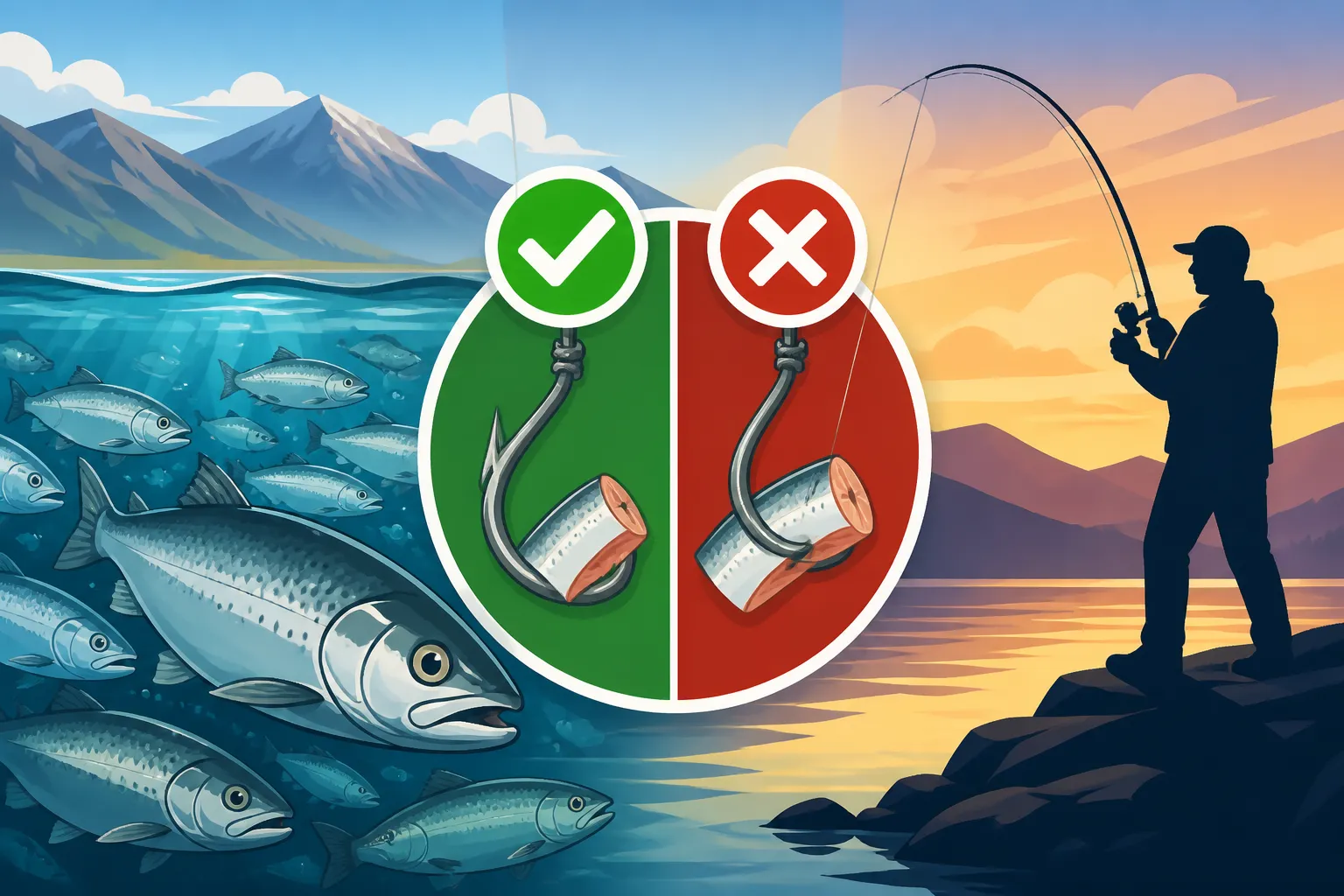
Before we dive specifically into the Bear Lake Cisco Run, it's crucial to understand what foul hooking (sometimes called snagging) actually means in the eyes of Utah's fishing regulations. Essentially, foul hooking is catching a fish anywhere other than in its mouth. While it might sound straightforward, there are nuances, especially when you're dealing with vast schools of fish.
Think about it: most fishing methods are designed to entice a fish to bite a hook, meaning the hook enters its mouth. When a fish is foul hooked, it's often caught in the side, fin, tail, or even an eye. This can happen for various reasons, from a fish simply swiping at a lure and getting caught elsewhere, to an angler intentionally trying to snag a fish out of a tightly packed school. The distinction between accidental and intentional foul hooking is critical, and it forms the very foundation of Utah's regulations. The ethical concern with foul hooking isn't just about fairness, but also about the potential for injury to the fish, especially if it's not kept.
Utah's Specific Rules for the Bear Lake Cisco Run
The Bear Lake Cisco Run is a special beast, and the Utah Division of Wildlife Resources (DWR) has very specific rules to manage it responsibly. Because the Bonneville Cisco gather in such incredible numbers close to shore, particularly along areas like Cisco Beach, it creates a unique situation ripe for foul hooking. To prevent widespread, unethical snagging, the DWR has strict guidelines in place.
During the designated open season for the Cisco Run (which typically happens for a limited period in January), the primary legal method for taking cisco is dip netting. This is paramount. While some anglers might attempt to use small jigs or flies in the thick schools, the overwhelming and legally sanctioned method is using a dip net. This method directly addresses the foul hooking issue, as you are scooping the fish, not hooking them. Any attempt to purposely snag fish using a hook, even with a traditional rod and reel, is strictly prohibited. The regulations are designed to ensure that the harvest is managed and that anglers aren't just indiscriminately tearing through the schools with treble hooks. If you're planning your trip, make sure to check the official Utah Fishing Season Dates and Limits, as these can be updated annually by the DWR.
It's not uncommon to see hundreds of people bundled up, standing on the ice or along the shoreline, all with their dip nets ready. The rules are enforced by conservation officers, and they are very aware of the potential for misuse during this specific event. They are looking for intentional snagging, which is distinct from an accidental foul hook that might occur with traditional angling in other waters. So, to answer the burning question: intentional foul hooking (snagging) during the Bear Lake Cisco Run is illegal. The DWR promotes dip netting as the primary and preferred method, recognizing the unique circumstances of this fishery.
Legal vs. Illegal Methods During the Cisco Run
Understanding what you can and cannot do is key to a successful and legal Cisco Run experience. It's not just about avoiding trouble; it's about respecting the fishery and the efforts to preserve it.
| Method | Legality During Bear Lake Cisco Run | Explanation |
|---|---|---|
| Dip Netting | Legal & Encouraged | The primary and most common method for harvesting cisco during the designated season. Nets must adhere to specific size limits (often no larger than 18 inches in diameter). |
| Traditional Angling | Generally Discouraged/Limited | While you can use a rod and reel in Bear Lake, actively attempting to snag fish out of the dense cisco schools with hooks is illegal. If you're fishing for other species like trout, standard hook-and-mouth rules apply. |
| Intentional Snagging | Illegal | Purposely casting hooks into dense schools of cisco with the intent to catch them by snagging them on the body, rather than by mouth. This is heavily monitored by DWR officers during the run. |
| Foul Hooking (Accidental) | Must Release (if not allowed for target species) | If you're fishing traditionally for a different species (e.g., trout), and you accidentally foul hook a fish, you are generally required to release it immediately and unharmed. This is different from the specific rules of the cisco run where dip netting is the primary method. |
It's worth noting that the Bear Lake Cisco Run is so distinct that even general Utah Fishing Regulations Explained might not fully capture its unique nuances. Always consult the current DWR guide for the most up-to-date specific rules for Bear Lake.
Navigating Accidental Foul Hooks and Ethical Angling
Okay, so we've established that intentional foul hooking is a no-go. But what if you're out on the lake, perhaps fishing for the famous Bear Lake Cutthroat Trout or other species, and you accidentally foul hook a cisco or another fish during the time the cisco are running? It happens. With fish packed so tightly, sometimes a lure or bait intended for a mouth can just happen to snag a fin.
The general rule in Utah, and a good ethical practice everywhere, is that if you accidentally foul hook a fish not legally allowed to be taken by snagging (which is most fish, with the notable exception of carp in certain circumstances), you should release it immediately. This means handling the fish with care, removing the hook as quickly and gently as possible, and returning it to the water unharmed. Do not attempt to re-cast into the same spot repeatedly if you find yourself constantly snagging fish by accident; this could be seen as an attempt to intentionally foul hook.
For the Cisco Run itself, since dip netting is the primary legal method, the concept of "accidental foul hooking" with a rod and reel becomes a bit moot for cisco specifically, as you shouldn't be targeting them with hooks in that manner during the run. However, applying the principle of ethical angling, if you're fishing for other species in Bear Lake, you'll still want to adhere to careful release practices if you accidentally foul hook something.
Responsible angling goes beyond just following the letter of the law. It includes:
- Knowing the Regulations: Always, always check the current Utah Fishing Regulations for the specific body of water and species you're targeting. These are available online through the DWR website, and you can often pick up a physical copy at license vendors or sporting goods stores like those found through an Amazon search for "Utah fishing guide book."
- Using Appropriate Gear: For the Cisco Run, that means a legal-sized dip net. For other species, it means using tackle appropriate for the fish you intend to catch, which minimizes harm and increases the likelihood of a clean hookset.
- Practicing Catch-and-Release Effectively: If you're releasing fish, learn how to do it properly. Minimize air exposure, handle fish with wet hands, and use barbless hooks where appropriate or when fishing catch-and-release waters.
- Reporting Violations: If you witness someone intentionally and repeatedly foul hooking fish, especially during the Cisco Run, it's important to report it to the Utah DWR. This helps protect the resource for everyone.
Penalties and Enforcement for Violations
The DWR takes fishing violations seriously, and intentional foul hooking or snagging falls under that umbrella. Getting caught intentionally foul hooking fish during the Bear Lake Cisco Run, or any other time it's prohibited, can lead to significant consequences.
Penalties can vary depending on the severity of the violation and whether it's a first offense. Generally, fishing without a valid license or using illegal methods can result in fines, forfeiture of fishing gear, and even the suspension of your fishing privileges. For instance, being caught fishing without a license in Utah can lead to fines starting at several hundred dollars, plus court costs. Using illegal methods like intentional foul hooking could incur similar or even higher fines, and you might have your equipment confiscated. Conservation officers patrol Bear Lake extensively during the Cisco Run, precisely because of the unique nature of the fishery and the high potential for violations. They are trained to observe angler behavior and determine intent. It's far better to err on the side of caution, stick to legal methods like dip netting for cisco, and ensure you have your proper Utah Fishing License Guide in hand.
The purpose of these strict rules isn't to make fishing difficult but to protect the fish populations and ensure sustainable angling opportunities for future generations. The Bonneville Cisco are a vital part of the Bear Lake ecosystem, and their unique spawning run needs careful management. So, while the excitement of the Cisco Run is infectious, remember to keep your focus on legal and ethical practices. When in doubt, always refer to the official DWR regulations or consider picking up a specific guide on Amazon for Utah fishing rules. Staying informed and compliant ensures that everyone can enjoy the incredible experience of the Bear Lake Cisco Run without harming this precious natural resource.
Disclaimer
Please note that fishing regulations in Utah are subject to change. Always consult the most current Utah Division of Wildlife Resources (DWR) fishing guide and local advisories before heading out on the water. This article provides general information and should not be considered a substitute for official DWR publications or legal advice.