Utah Fishing Guide License Requirements Explained
Embarking on the journey to become a professional fishing guide in Utah is an exciting prospect, full of promise for sharing your passion with others. However, many aspiring guides quickly find themselves overwhelmed by a tangled web of state regulations and licensing requirements that can feel more complicated than tying a perfect surgeon's knot in a gale. This comprehensive guide will untangle those complexities, walking you through every essential step, from initial qualifications to ongoing compliance, ensuring you understand exactly what it takes to legally and successfully lead anglers on Utah's incredible waters.
The Basics of Becoming a Licensed Fishing Guide in Utah
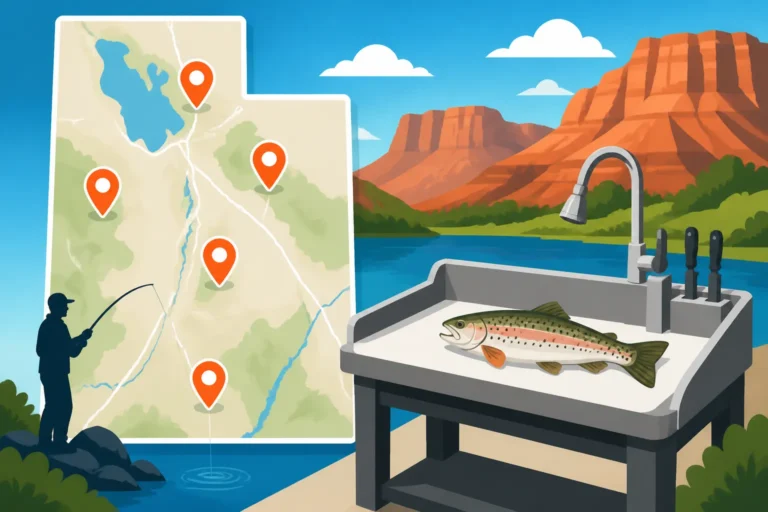
Becoming a fishing guide isn't just about knowing where the fish are biting; it's a serious profession with responsibilities and legal obligations. Utah, with its diverse fisheries from high mountain lakes to vast desert reservoirs, takes its outdoor recreation seriously, which means there are specific rules in place to protect both the natural resources and the clients you'll be guiding. It’s not simply a matter of hanging a "Guide Services" sign and hitting the water.
This initial hurdle can feel a bit daunting, especially when you're just starting out and eager to get clients on the water. You might be wondering why a special license is even necessary when you already have your own Utah Fishing License Guide. The state isn't trying to make things difficult; they're ensuring a certain standard of professionalism, safety, and environmental stewardship from those who profit from its natural beauty.
Why a Special License is Necessary
Imagine you're a client, paying good money for a guided trip. You expect a knowledgeable, safe, and professional experience. The state's guide licensing process is designed to ensure that those expectations are met, and to protect both parties involved. For starters, a licensed guide is generally required to carry commercial liability insurance, which offers a layer of protection should an accident occur during a trip. This isn't just a nicety; it's a critical safeguard for your business and your clients.
Beyond safety and liability, the licensing ensures that guides are familiar with Utah Fishing Regulations Explained. This includes everything from bag limits and species-specific rules to seasonal closures and ethical angling practices. A guide who isn't up-to-date could inadvertently lead clients into a violation, which could result in hefty fines or even loss of fishing privileges for everyone involved. It's about maintaining the integrity of the sport and the health of the fisheries.
General Requirements and Initial Steps
Before you even fill out an application, there are some foundational requirements that almost all aspiring guides will need to meet. First and foremost, you'll need to be an adult, typically 18 years or older, to hold a commercial guide license. There's also usually a residency component, meaning you'll need to demonstrate that you are a legal resident of Utah to qualify for certain licenses or rates, though non-resident guide options might exist depending on the specific program.
Your personal fishing history also matters. While Utah doesn't necessarily require years of competitive angling experience, they do look for individuals with a solid understanding of fishing techniques, local waters, and a clean record with wildlife violations. It goes without saying that anyone looking to become a guide should already be an experienced and ethical angler who lives and breathes fishing in Utah. Begin by contacting the Utah Division of Wildlife Resources (DWR) to get the most current application packets and understand any recent changes to the program. They are your primary resource for accurate information.
Understanding Utah's Specific Guide License Categories
Utah's guiding landscape isn't a one-size-fits-all situation. The state distinguishes between different types of guiding services, each with its own set of requirements. This is where it can get a little tricky, as you need to make sure you're applying for the right license for the services you intend to offer. Many aspiring guides get caught up here, thinking any "fishing guide license" covers everything. But that's often not the case, especially if you plan to branch out into broader outdoor activities.
It’s crucial to understand these distinctions early on. Providing services that fall under a different category than your license allows can lead to severe penalties, including fines and the revocation of your guiding privileges. Always double-check which license aligns precisely with your business model and offerings.
Differences Between Fishing Guides and Outfitter Services
In Utah, a "fishing guide" typically refers to an individual who personally leads fishing trips. They might provide instruction, locate fish, and generally manage the angling experience for their clients. An "outfitter," on the other hand, often provides a broader range of services. An outfitter might employ multiple guides, provide equipment, transportation, and even lodging as part of a package deal. While a guide might work for an outfitter, an outfitter needs a separate license that covers the overarching business operation.
If your plan is to simply take a few clients out on the lake from your personal boat, you're likely looking at a fishing guide license. But if you envision a larger operation, perhaps with a fleet of boats, multiple employees, or offering multi-day wilderness trips that include camping, you'll delve into outfitter licensing, which carries significantly more complex regulations. It's essential to define the scope of your business clearly from the outset.
Age, Residency, and Background Checks
As mentioned, being at least 18 years old is a baseline requirement for most commercial guiding licenses in Utah. When it comes to residency, the state often has different pricing structures or even specific programs for Utah residents versus non-residents. To prove residency, you'll typically need to provide documents like a Utah driver's license, utility bills, or tax returns that show you've lived in the state for a continuous period, often six months or a year, prior to application. This is similar to the requirements for obtaining a Utah Resident Fishing License Cost for personal use.
Perhaps one of the most critical and often overlooked aspects is the background check. Because guides are often responsible for the safety and well-being of their clients, particularly in remote or potentially hazardous environments, a criminal background check is a standard part of the licensing process. This is to ensure that individuals with certain disqualifying offenses aren't put in positions of responsibility over the public. You'll usually be required to submit fingerprints and undergo a thorough screening, so be prepared for this step, as it can sometimes add to the processing time.
The Application Process and What to Expect
Once you've determined the correct license type and confirmed you meet the basic eligibility, it's time to dive into the application itself. This phase often involves collecting a stack of documents, filling out forms meticulously, and potentially sitting for exams. It can feel like a lot of paperwork, but remember, each piece is a brick in the foundation of your legitimate guiding business. Don't rush it, and definitely don't skip any steps, as incomplete applications are the most common reason for delays.
Required Documentation and Fees
The Utah DWR application packet will clearly list all the necessary paperwork. This almost always includes a copy of your valid personal Utah fishing license, proof of age and residency, and a completed application form. Beyond that, you'll need to demonstrate financial responsibility. This often comes in the form of commercial liability insurance, which needs to meet state-mandated minimum coverage amounts. You'll need to provide a certificate of insurance from your provider. Many insurance companies, like those found through an Amazon search for "commercial liability insurance for fishing guides," offer policies tailored to outdoor recreation businesses.
Then there are the fees. Obtaining a guide license isn't free. There's an application fee, and once approved, an annual license fee. These fees contribute to the administration of the program and conservation efforts in the state. Be sure to check the current fee schedule with the DWR, as these can change periodically. It’s also wise to inquire about the Utah Fishing License Processing Fee for Credit Cards if you plan to pay electronically, as this can add a small amount to the total.
Essential Certifications: First Aid and Boater Education
This is where the rubber meets the road for client safety. Most, if not all, commercial fishing guide licenses in Utah will require you to hold current certifications in First Aid and CPR. Think about it: you're out on the water, sometimes hours from the nearest hospital, and accidents can happen. Being able to respond effectively to medical emergencies is not just a good idea; it's a legal obligation. You'll typically need to provide proof of certification from recognized organizations like the American Red Cross or American Heart Association. Many community colleges and private training centers offer these courses, and some even have online blended options if you search on Amazon for "wilderness first aid course online."
If you plan to use a motorized boat to transport clients, which most guides do, you'll also need to comply with Utah Boating and Fishing Rules. A key part of this is demonstrating proficiency in boat operation and safety. This usually means completing an approved boater education course and receiving a Utah Boating Certificate. The state explicitly outlines the Utah Boater Education Course Requirement for anyone operating a motorboat over a certain horsepower. Remember, safety isn't just about knowing what to do in an emergency; it's about preventing emergencies in the first place through proper boat handling and adherence to all marine regulations. You'll also need to ensure your vessel meets all Boat Safety Equipment Required in Utah standards, including enough Life Jacket Requirements on a Utah Boat for everyone aboard.
Maintaining Your Guide License and Staying Compliant
Getting your guide license is a huge accomplishment, but it's not a one-and-done deal. Like a good fishing reel, it requires ongoing maintenance to keep it in top working order. Staying compliant means more than just having the physical license in your wallet; it means adhering to all the rules, renewing on time, and continuously educating yourself. Falling out of compliance can quickly put an end to your guiding career.
Renewal Procedures and Continuing Education
Guide licenses in Utah are not perpetual. They typically expire on a specific date, often annually, and you'll need to go through a renewal process. This usually involves submitting a renewal application, updating any expired certifications (like your First Aid/CPR), providing proof of current liability insurance, and paying the renewal fee. It’s a good practice to set reminders well in advance of your expiration date, as letting it lapse can lead to complications, including late fees or even having to reapply from scratch.
While formal "continuing education" isn't always a strict requirement in the same way it is for some other professions, the spirit of it is vital. As a guide, you should always be learning. Fish behavior changes, regulations are updated, and new techniques emerge. Staying informed about the latest Utah Fishing Season Dates and Limits and specific rules for waters like Strawberry Reservoir or Flaming Gorge is crucial. Attending local fishing expos, workshops, or even just regularly reading DWR publications will keep you sharp and your clients happy. Remember, guiding isn't just a job; it's a commitment to lifelong learning about the outdoors.
Common Pitfalls and Violations to Avoid
There are several common missteps that can quickly land a fishing guide in hot water. The most obvious, of course, is guiding without a valid license. This can result in significant Utah Fishing License Penalties for Violations, hefty fines, and the potential loss of future guiding opportunities. Always ensure your license is current and prominently displayed or readily accessible when on duty.
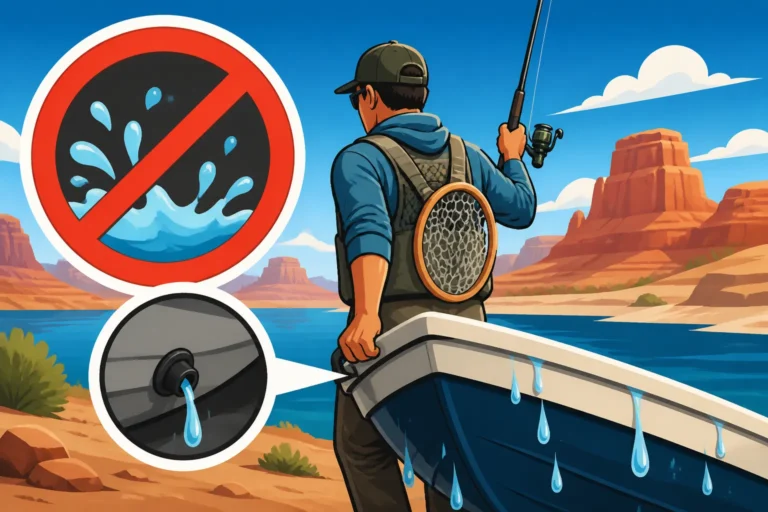
Another critical area is the proper use of your boat and adherence to Utah Boat Registration Requirements. Failure to register your vessel, or neglecting to have the required safety equipment on board, can lead to tickets and disruptions to your trip. Equally important, if you're taking clients out in a vessel, you also need to be acutely aware of and comply with Utah Aquatic Invasive Species Rules for Anglers. This includes cleaning, draining, and drying your boat after leaving certain waters, or stopping at mandatory inspection stations, to prevent the spread of harmful invasives like Quagga mussels. Ignoring these rules not only endangers Utah's precious ecosystems but also carries serious consequences for you as a guide.
Finally, always be mindful of ethical angling practices and strict adherence to all bag limits and fishing regulations, even if you’re fishing waters with no bag limits or mandatory harvest rules. It's your responsibility to ensure your clients understand and follow these rules. If a client mistakenly keeps a fish out of season or over the limit, you as the guide are often held accountable. When clients ask, " Do You Need a License on a Guided Fishing Charter in Utah? " they often expect you to be the expert on all rules, not just your own license status. Protect yourself and your business by being a meticulous steward of Utah's fisheries and a vigilant enforcer of its regulations.
| Requirement Category | Specific Item | Description | Proof Needed (Examples) |
|---|---|---|---|
| Personal | Age | Minimum 18 years old | Driver's License, Birth Certificate |
| Residency | Proof of Utah residency (if applicable) | Utah Driver's License, Utility Bills | |
| Personal Fishing License | Valid annual or multi-year Utah fishing license | DWR License Number | |
| Background Check | Criminal history screening | Fingerprints, Consent Form | |
| Safety & Business | First Aid/CPR | Current certification from approved provider | Certification Card (e.g., Red Cross) |
| Boater Education | Approved course completion (for motorized vessels) | Utah Boating Certificate | |
| Liability Insurance | Commercial liability insurance, state-mandated minimums | Certificate of Insurance | |
| Boat Registration | Valid registration for any client-carrying vessel | Boat Registration Card | |
| Application | Application Form | Completed and signed DWR application | DWR Application Packet |
| Fees | Application and annual license fees | Payment Receipt |
Disclaimer
The information provided in this guide is intended for informational purposes only and is not legal advice. Fishing regulations and licensing requirements in Utah can change frequently. It is the responsibility of the individual to consult the most current regulations and speak directly with the Utah Division of Wildlife Resources (DWR) or other relevant state agencies to ensure full compliance before engaging in any guiding activities. Always verify all requirements, fees, and procedures with official sources.