Utah Trotline and Setline Rules
It can be incredibly frustrating to navigate the intricate world of fishing regulations, especially when you're exploring different methods to maximize your time on the water. Many anglers, curious about traditional or highly effective techniques they've heard about elsewhere, often wonder if methods like trotlines and setlines are permissible in Utah. This guide is here to untangle the rules, help you understand why these regulations exist, and show you plenty of legal, effective ways to enjoy the incredible fishing Utah has to offer.
Understanding Trotlines and Setlines in Utah Fishing
When you're out on the water, whether it's a vast reservoir or a quiet river bend, you might see or hear about various fishing techniques. Trotlines and setlines are methods that often spark curiosity, especially for those looking to fish more passively or cover a larger area. However, it's crucial to understand what these entail and how they're viewed by Utah's wildlife management.
What Exactly Are Trotlines and Setlines?
Let's start by defining our terms, because sometimes the jargon can be the most confusing part. A trotline is essentially a long, heavy fishing line with multiple baited hooks attached at intervals, suspended between two fixed points in the water, usually across a channel or bay. Think of it as a main fishing line that doesn't require constant attendance, allowing many hooks to fish simultaneously. Anglers typically anchor each end to shore or submerged structures, letting the line sit for hours or even overnight.
A setline, while similar in principle, is typically a single fishing line that is anchored or tied off to a stationary object, like a tree or a stake on the bank, and left unattended with one or more baited hooks. It's "set" in place, hence the name, and not actively held or cast by an angler. Both methods are designed for passive fishing, allowing fish to find the bait over an extended period without continuous human interaction. They contrast sharply with traditional rod-and-reel fishing, where an angler is actively casting, retrieving, or holding their fishing rod.
Why Utah Has Specific Regulations for These Methods
The reason Utah, like many other states, has very specific—and often restrictive—rules regarding trotlines and setlines boils down to conservation, fair chase, and public safety. Imagine a scenario where countless trotlines are deployed across a popular fishing lake. The potential for overharvesting certain fish species, especially those with strict bag limits like trout or walleye, becomes immense. These methods can be highly efficient, sometimes too efficient, making it difficult for wildlife agencies to manage fish populations sustainably.
Beyond conservation, there's the principle of "fair chase." Most recreational fishing regulations are designed to provide a challenging and sporting experience. Trotlines and setlines, by their nature, remove much of the active skill and engagement typically associated with angling. There's also the risk of bycatch—unintentionally catching non-target species, including protected ones, which might die before the lines are checked. Moreover, submerged lines with multiple hooks can pose safety hazards to boaters, swimmers, and wildlife. For these reasons, the Utah Division of Wildlife Resources (DWR) maintains clear stances on such methods, prioritizing the long-term health of fisheries and the safety of all water users. You can find a comprehensive overview of these principles in the state's official guide to Utah Fishing Regulations Explained.
The Straightforward Truth: Are Trotlines and Setlines Legal in Utah?
Let's cut right to the chase because this is usually the most important question for curious anglers. Understanding the legality of these methods is paramount to staying on the right side of Utah's fishing laws.
The General Prohibition and Its Rationale
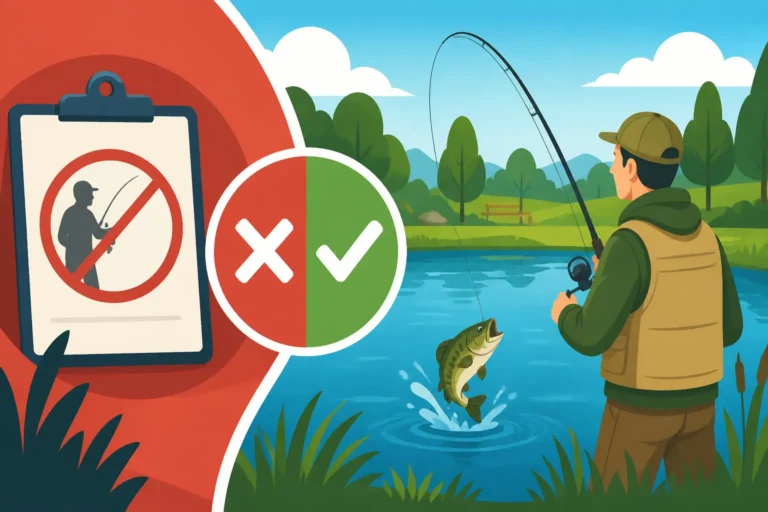
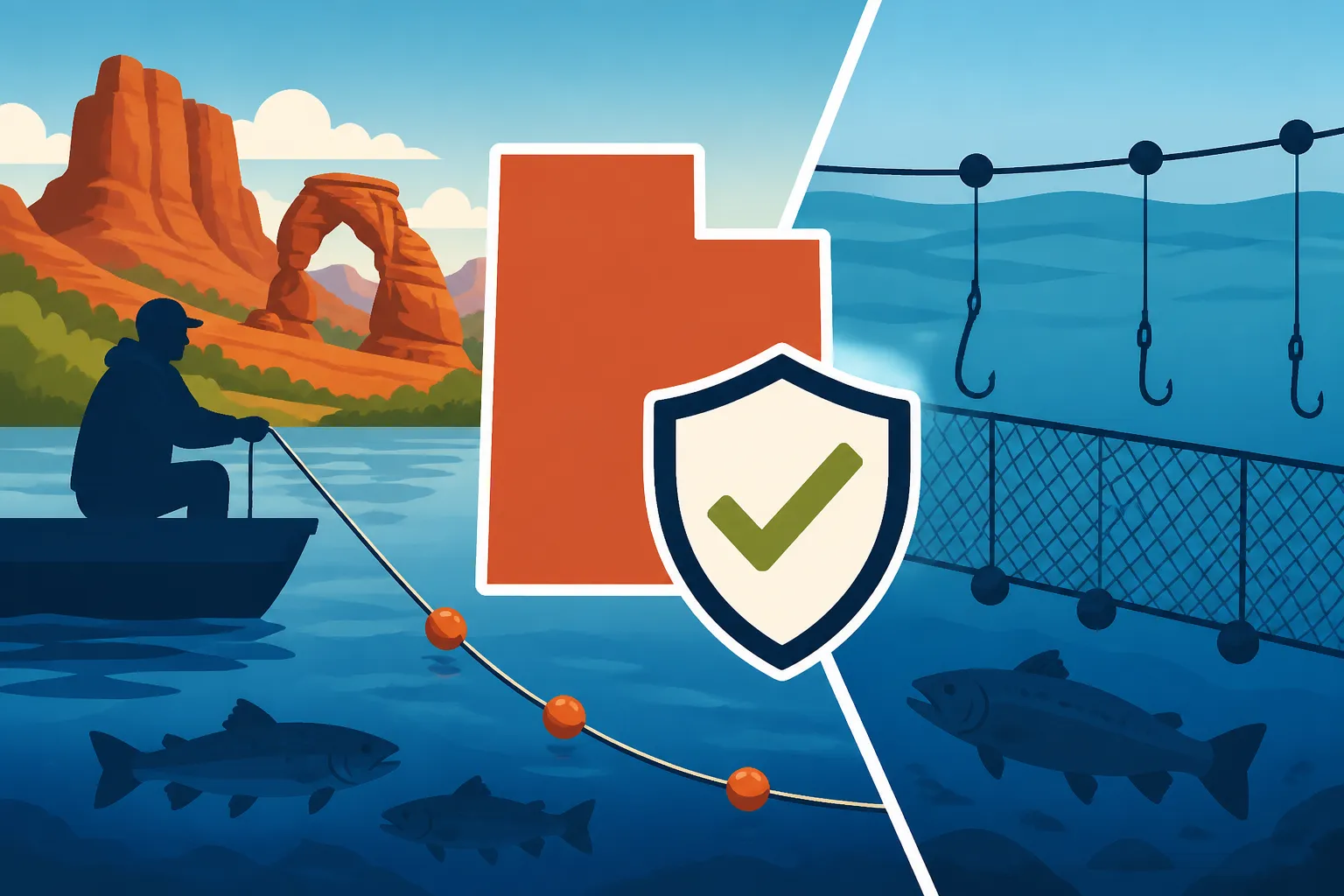
For the vast majority of recreational anglers in Utah, the use of trotlines and setlines is generally prohibited. This isn't a nuanced rule with a lot of hidden exceptions for your average fishing trip; it's a pretty clear "no." The Utah DWR has implemented these strict rules to safeguard the state's precious aquatic resources and ensure sustainable fishing for everyone.
The rationale behind this prohibition, as mentioned earlier, is multifaceted. It's about preventing overharvest, which could quickly deplete fish populations, especially in popular waters like Strawberry Reservoir or Flaming Gorge. It's also about minimizing unintended harm to fish that might be caught and left on lines for extended periods, as well as protecting native species. The DWR's conservation efforts are extensive, and limiting methods that could undermine those efforts is a key part of their strategy. While there might be highly specialized, permit-based exceptions for scientific research or very specific commercial operations (which are rare and not applicable to recreational anglers), for your typical day of fishing, these methods are simply not allowed.
Specific Waters and Species Considerations
Because of the general prohibition, there aren't really "specific waters" where recreational anglers can use trotlines or setlines for species like catfish, walleye, or trout. The rule is broad-stroke across most of Utah's public fishing waters, including popular destinations like Utah Lake, Lake Powell, Bear Lake, and countless rivers and streams. You won't find a special clause that says, "trotlines are okay for catfish only on Utah Lake," for example.
The DWR's regulations focus on fair and sustainable angling practices using active methods. This means that whether you're targeting the robust catfish population in Utah Lake, the elusive walleye, or the abundant trout species across the state, you'll be expected to use approved methods, primarily rod and reel. These regulations are meticulously laid out in the annual fishing proclamation, which you should always consult before heading out. Staying informed about regulations like Utah Fishing Season Dates and Limits and specific harvest rules is just as important as knowing what gear you can use.
Consequences of Violating Trotline and Setline Rules
Ignorance of the law is rarely an excuse, and fishing regulations are no exception. Using prohibited fishing methods like trotlines or setlines in Utah can lead to serious legal repercussions, which no angler wants to face.
Penalties for Illegally Using Setlines or Trotlines
Getting caught using illegal fishing methods in Utah can carry significant penalties. Enforcement officers with the Utah Division of Wildlife Resources take these violations seriously, as they directly impact conservation efforts and the integrity of recreational fishing. Anglers found using trotlines or setlines without authorization can face substantial fines, which vary depending on the severity and specific circumstances of the violation. These fines can range from hundreds to thousands of dollars.
Beyond monetary penalties, you could also face forfeiture of your fishing equipment. This means losing your rods, reels, lines, and any other gear associated with the illegal activity. In more severe or repeat cases, anglers might even have their fishing privileges suspended or revoked, making it impossible to legally fish in Utah for a set period. These consequences are outlined in detail in guides like Utah Fishing License Penalties for Violations, which highlight how serious the DWR is about protecting the state's wildlife. It's a stark reminder that staying informed and compliant with all regulations, starting with how to legally How to Buy a Utah Fishing License, is crucial for every angler.
Reporting Violations and Promoting Responsible Angling
The DWR relies on responsible anglers and citizens to help enforce regulations and protect Utah's fisheries. If you ever encounter what you suspect to be illegal fishing activity, such as the deployment of trotlines or setlines, you are encouraged to report it. You can contact the Utah DWR's poaching hotline (UTIP, or Utah Turn In a Poacher) or local conservation officers. Providing as much detail as possible—location, time, description of individuals, and type of equipment—can greatly assist their investigation.
Promoting responsible angling isn't just about following the rules yourself; it's also about fostering a community that respects the environment and the regulations designed to protect it. Ethical fishing practices ensure that future generations can enjoy the same opportunities we do. This means releasing fish carefully, respecting private property, disposing of trash properly, and, of course, adhering to all legal fishing methods and limits. It’s about being a steward of the environment, not just a consumer of its resources.
Alternatives to Trotlines and Setlines for Utah Anglers
So, if trotlines and setlines are out, what are the best ways to maximize your chances of success on Utah's waters while staying completely legal? The good news is, there are many incredibly effective and rewarding methods available.
Effective Methods for Targeting Common Utah Species
Utah offers fantastic opportunities for a variety of fish species, and plenty of legal techniques will put fish in your net. For trout, which are widely stocked and native to many waters, traditional bait fishing with worms, PowerBait, or corn is incredibly effective, especially for beginners. Spinners and spoons are also excellent choices for active retrieval, mimicking small baitfish. Fly fishing is another popular and highly productive method for trout in rivers like the Provo River, as explored in the Utah Fly Fishing Guide.
If you're after catfish, particularly in places like Utah Lake, bottom fishing with cut bait, nightcrawlers, or stink baits is the way to go. You can learn specific tips in resources like How to Catch Catfish at Utah Lake in Summer. For walleye, especially during spring and fall, jigging with swimbaits or trolling with crankbaits can yield great results. Learning How to Catch Walleye at Utah Lake in Spring can significantly boost your success. Bass anglers (smallmouth and largemouth) will find success with a wide array of lures, including soft plastics, crankbaits, and topwater presentations around structure. These are just a few examples of the rich tapestry of techniques available to help you land fish.
Recommended Gear for Multi-Rod Fishing Within Legal Limits
Even without trotlines, you can still enhance your fishing setup to cover more water or present different baits simultaneously, all within Utah's legal framework. Most Utah waters allow anglers to fish with up to two rods at a time, and in some specific waters (check current DWR proclamations carefully), you might be allowed more, often up to three. This is a far cry from a trotline with dozens of hooks, but it allows for versatile fishing. Always double-check the current Utah Fishing Regulations Explained or the annual proclamation for specific water bodies, as rules can vary.
To effectively manage multiple rods, especially when bank fishing, rod holders are invaluable. These can be simple spike-style holders that push into the ground or more elaborate setups for boat fishing. You can find a wide variety of these on platforms like Amazon, offering stability for your rods while you attend to another or simply relax and wait for a bite. For those looking to upgrade their arsenal, checking out guides like Best Fishing Rods for Utah Anglers or Best Tackle for Utah Trout can provide excellent recommendations for durable and effective gear. A good tackle box, easily available on Amazon, filled with a diverse selection of lures and baits suited for Utah's species, will also serve you well. Remember, the goal is productive, legal, and ethical fishing, and Utah provides ample opportunities to achieve just that.
Here's a quick reference for common fishing methods in Utah:
| Method | Description | Legality in Utah (Recreational) | DWR Rationale |
|---|---|---|---|
| Rod and Reel | Actively casting, retrieving, or holding a line with a hook. | Legal | Promotes fair chase, actively managed effort, generally species-specific. |
| Trotline | Long line with multiple baited hooks, anchored between two points. | Generally Prohibited | Risk of overharvest, bycatch, unattended lines, safety hazard. |
| Setline | Single line with one or more baited hooks, anchored/tied off and left unattended. | Generally Prohibited | Similar to trotlines; issues with overharvest, bycatch, unattended lines, safety. |
| Snagging | Foul-hooking fish, typically during spawning runs. | Prohibited (with rare, specific exceptions like Cisco at Bear Lake) | Unethical, can harm fish populations, not considered fair chase. |
| Spearfishing | Using a spear or similar device to catch fish underwater. | Legal (for specific species and waters) | Allowed for certain invasive species (e.g., carp, northern pike) in designated areas. |
| Bowfishing | Using a bow and arrow to catch fish. | Legal (for specific species and waters) | Allowed for certain invasive species (e.g., carp) in designated areas. |
| Using Multiple Rods | Fishing with 2-3 rods simultaneously (depending on regulations). | Legal (check specific water body limits) | Increases fishing opportunity while still requiring attendance and management. |
Remember to always consult the current Utah Fishing Guidebook for the most up-to-date and specific regulations for each water body you plan to fish.
Disclaimer
The information provided in this guide is for general informational purposes only and is subject to change. While we strive to offer accurate and current details, fishing regulations in Utah are established and enforced by the Utah Division of Wildlife Resources (DWR) and can be updated annually or even seasonally. It is the responsibility of every angler to consult the most recent official Utah Fishing Guidebook and proclamation before engaging in any fishing activity. Non-compliance with DWR regulations can lead to fines, penalties, and forfeiture of fishing privileges and equipment. Always fish legally and ethically.