Best Utah Lakes for Trophy Fish
There’s nothing quite like the dream of hooking into a truly monstrous fish, that once-in-a-lifetime lunker that tests your gear, your patience, and your angling prowess. For many of us, the hunt for a trophy fish is what keeps us coming back to the water, year after year. Here in Utah, you might be surprised by the sheer size and variety of finned giants swimming in our lakes and reservoirs. This guide will take a deep dive into the very best Utah lakes known for consistently producing those legendary catches, helping you turn your trophy dreams into a reality.
Understanding What Makes a "Trophy Fish" in Utah
Before we even cast a line, it's crucial to understand what we're actually aiming for. A "trophy fish" isn't just any big fish; it's a specimen that stands out, often reaching or exceeding recognized benchmarks for its species. These aren't your everyday catches, and pursuing them requires a specific mindset, dedication, and often, specialized techniques.
Defining Trophy Size by Species
The term "trophy" is pretty subjective until you put some numbers to it. What might be a trophy panfish is certainly not a trophy lake trout! For many species in Utah, a trophy can be defined by weight, length, or a combination of both, often pushing the upper limits of what that particular fish is known to achieve in our waters. These are often fish that might be considered for a state record or at least a catch-and-release record through organizations like the Utah Division of Wildlife Resources (DWR). For instance, a trophy rainbow trout in Utah might be anything over 20 inches and 4 pounds, while a true trophy lake trout at Flaming Gorge can easily exceed 20 pounds and 36 inches. Understanding these benchmarks helps you set realistic, yet ambitious, goals for your fishing adventures.
It's also important to remember that these size definitions can vary slightly from one water body to another, depending on the specific genetics and forage available to the fish. For example, a 15-inch brown trout might be a respectable catch in a smaller mountain stream, but in a large reservoir like Strawberry, anglers are often targeting fish twice that size. The DWR regularly updates its data on fish populations and growth rates, giving us invaluable insights into where the next potential record-breaker might be lurking. This knowledge helps us identify not just the species, but also the specific waters where they have the best chance of reaching gargantuan proportions.
Factors Influencing Trophy Potential
So, why do some lakes produce giants while others only offer average-sized fish? It boils down to a complex interplay of environmental and biological factors. First and foremost is the availability of forage. A lake teeming with baitfish like kokanee salmon or chub provides an ample, high-energy diet that allows predatory fish like lake trout and walleye to grow exceptionally large. Conversely, a sparse food source will limit growth, no matter how good the genetics.
Water quality and habitat diversity also play a huge role. Clean, oxygen-rich water with varied structures – deep ledges, submerged timber, rocky points, and expansive flats – offers both feeding grounds and protection for fish as they grow. The age structure of the fish population is another critical element; older fish have had more time to grow, and lakes with stable, mature populations are more likely to hold trophy specimens. Management practices by the DWR, including stocking programs, special regulations like catch-and-release-only sections, and slot limits, are designed to foster these conditions. For instance, specific rules like those detailed in our guide on Utah Fishing Regulations Explained or Utah Daily Bag and Possession Limits are often put in place precisely to protect and grow larger fish.
The Thrill of the Chase: Why Trophy Fishing Appeals
For many dedicated anglers, trophy fishing isn't just about the size of the fish; it's about the challenge, the patience, and the ultimate reward. It’s about understanding the specific behaviors of these larger, often older, and much wiser fish. They don’t get big by being easy to catch! This pursuit demands a deeper understanding of fish biology, water conditions, and advanced angling techniques. The sheer adrenaline rush of seeing a 30-pound lake trout surface or feeling the powerful tug of a trophy striped bass on the end of your line is an experience that keeps anglers coming back for more.
The stories shared around campfires, the photos of a proud angler with their magnificent catch, and the respectful release of a true lunker, knowing it will continue to contribute to the lake's genetics – these are all part of the allure. It’s a pursuit that often involves traveling to remote locations, investing in specialized gear, and sometimes, enduring long hours without a bite. But that single, unforgettable moment when all the effort culminates in a massive strike makes every single challenge worth it. It’s a testament to the wildness of nature and the persistent spirit of the angler.
| Species | Typical Trophy Length (inches) | Typical Trophy Weight (pounds) | Primary Trophy Waters |
|---|---|---|---|
| Lake Trout (Mackinaw) | 36+ | 20+ | Flaming Gorge, Fish Lake, Bear Lake |
| Cutthroat Trout | 22+ | 4+ | Strawberry, Bear Lake, Scofield |
| Rainbow Trout | 24+ | 6+ | Strawberry, Fish Lake, Scofield |
| Brown Trout | 25+ | 8+ | Green River, Provo River, Flaming Gorge |
| Walleye | 24+ | 8+ | Utah Lake, Willard Bay |
| Smallmouth Bass | 18+ | 4+ | Flaming Gorge, Lake Powell, Deer Creek |
| Striped Bass | 30+ | 15+ | Lake Powell |
| Tiger Muskie | 40+ | 20+ | Pineview Reservoir |
| Wiper | 25+ | 10+ | Willard Bay |
| Channel Catfish | 30+ | 15+ | Utah Lake, Willard Bay |
Note: These are general guidelines; actual trophy sizes can vary based on specific water bodies and angler preferences.
Flaming Gorge Reservoir: A Trophy Lake Trout and Smallmouth Haven
Stretching across the Utah-Wyoming border, Flaming Gorge Reservoir is legendary. This massive body of water, carved by the Green River, is arguably Utah's premier destination for truly gargantuan fish. It's a place where dreams of record-breaking lake trout and robust smallmouth bass are not just possible, but often realized. The sheer size and depth of Flaming Gorge provide an ideal environment for fish to grow old and exceptionally large, giving dedicated anglers plenty of challenging water to explore.
Targeting Massive Lake Trout (Mackinaw)
When we talk about trophy fishing at Flaming Gorge, the conversation almost always starts with lake trout, often affectionately called "Mackinaw." These are cold-water predators that can reach truly astonishing sizes, with fish over 20 pounds being relatively common and specimens pushing 40-50 pounds caught every year. They inhabit the deep, cold waters of the reservoir, often relating to structure like ledges, points, and submerged canyons. Targeting them is a commitment, often requiring specialized gear and techniques.
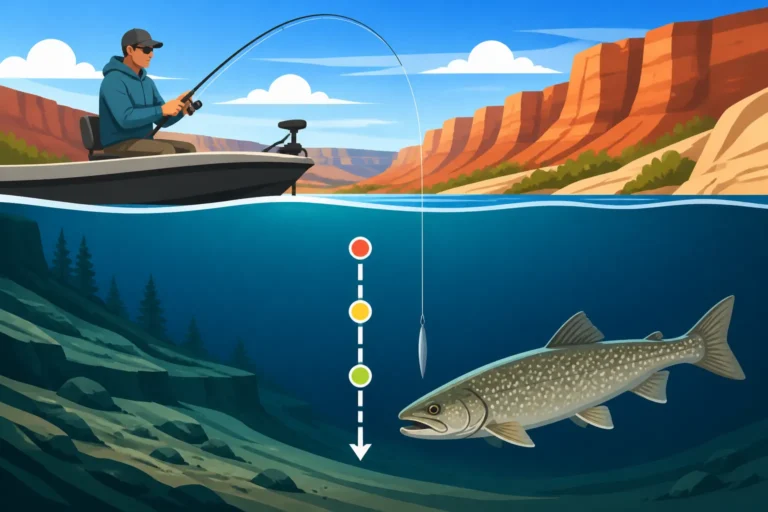
Anglers typically pursue these giants through deep trolling with downriggers, sending large spoons, dodgers, or minnow-imitating plugs down to depths of 60 to 120 feet, sometimes even deeper, especially in the summer months. The technique of How to Downrig for Lake Trout is critical here, as precise depth control is essential. Live or dead bait, such as chub or sucker, fished on a large jig or bait rig, can also be incredibly effective. Winter ice fishing offers another fantastic opportunity, with anglers jigging large tubes or spoons over deep structure. The key to consistency is a good fish finder to locate schools of baitfish and the lakers themselves, along with a heavy-duty rod and reel combo capable of handling fish that can fight for extended periods.
Chasing Big Smallmouth Bass
While the lake trout often steal the headlines, Flaming Gorge is also home to an outstanding population of trophy smallmouth bass. These bronze beauties thrive in the rocky shorelines, submerged timber, and countless coves throughout the reservoir. Unlike their deep-dwelling cousins, smallmouth are more accessible, making them a popular target for anglers who prefer casting and retrieving. Fish regularly exceed 3 pounds, with 5-pounders not unheard of, offering powerful fights that are exhilarating on lighter tackle.
Effective techniques for smallmouth include casting crankbaits, jerkbaits, and soft plastics like tubes, grubs, or senkos around rocky points, ledges, and drop-offs. Topwater lures can also be incredibly exciting during low-light conditions, producing explosive strikes. The Best Lures for Utah Smallmouth Bass often include crayfish imitations, which are a favorite food source for these aggressive predators. Targeting them in spring when they move shallower to spawn, or in late summer and fall when they actively feed, can lead to some truly memorable days on the water. Focus on areas with broken rock and submerged cover, and be prepared for a strong fight, as these fish are renowned for their acrobatic jumps and powerful runs.
Access and Prime Locations at Flaming Gorge
Flaming Gorge offers numerous access points, boat ramps, and marinas, making it relatively easy to launch your boat and explore its vast waters. Key areas like Lucerne Valley, Buckboard Crossing, and the Linwood Bay offer excellent starting points, each with unique characteristics and target species. For lake trout, focus on the deeper, open water areas, especially around the main channel and significant underwater structures. Areas north of the dam, particularly towards the Wyoming border, are known for producing some of the largest lake trout.
For smallmouth, explore the endless rocky coves and points throughout the reservoir. The Sheep Creek Bay area and various arms like the Carter Creek Arm or the Henry's Fork Arm provide excellent habitat. You can spend weeks exploring Flaming Gorge and still only scratch the surface of its fishing potential. Many anglers opt for a multi-day trip, either camping at one of the many lakeside campgrounds or staying in nearby towns like Manila. If you're new to the area or seeking specialized trophy tactics, consider hiring a local guide through platforms like FishingBooker. They can significantly increase your chances of finding and landing that trophy fish, especially given the reservoir's immense size and complex underwater topography.
Strawberry Reservoir: Home to Legendary Cutthroat and Rainbow Trout
Strawberry Reservoir is arguably Utah's most iconic fishery, a true gem in the heart of the Uinta National Forest. It's a place steeped in angling history, known for its stunning scenery and, more importantly, its incredibly robust population of large, hard-fighting trout. If your trophy dreams involve massive cutthroat, chunky rainbows, or even elusive tiger trout, Strawberry is a destination you simply cannot miss. The management of this reservoir is a testament to conservation, having undergone significant restoration efforts to bring it to its current world-class status.
The Iconic Strawberry Cutthroat
The native Bonneville Cutthroat Trout thrives in Strawberry, growing to impressive sizes that often exceed 20 inches and 4 pounds. These fish are not only beautiful with their distinctive red slash under the jaw but are also powerful fighters, renowned for their strong runs and aerial acrobatics. Targeting these native giants is a passion for many Utah anglers. They are often found cruising the shallower flats in spring and fall, especially around creek mouths and along the reservoir's expansive shorelines.
As the water warms in summer, they retreat to deeper, cooler waters, often suspending over open basins or relating to submerged structures like the old river channel. Techniques vary but include trolling with pop gear and a worm, casting spoons and jerkbaits from shore or boat, and fly fishing with streamers or nymphs, particularly during insect hatches. Our guide to Utah Cutthroat Trout Guide offers even more insight into these magnificent fish. Anglers often fish the deep areas of Strawberry Bay or Soldier Creek, or even the extensive flats around the Ladders, depending on the season. Catching and releasing these fish respectfully ensures they can continue to grow and spawn, contributing to the reservoir's trophy legacy.
Trophy Rainbow and Tiger Trout Opportunities
Beyond the cutthroat, Strawberry also boasts an excellent population of large rainbow trout, which often grow even larger than their cutthroat cousins due to consistent stocking and abundant food sources. Rainbows here regularly push past the 24-inch mark and can weigh 6 pounds or more, offering incredible battles. They are often found in similar areas to the cutthroat, but can also be more active in slightly warmer water. Trolling with various spoons, tube jigs, or even PowerBait rigs under an indicator can be highly effective.
Adding an extra layer of excitement are the tiger trout, a sterile hybrid of brown and brook trout, identifiable by their intricate, worm-like patterns. These aggressive predators grow quickly and fight like absolute demons. While not as numerous as cutthroat or rainbows, finding a trophy tiger trout at Strawberry is a truly special event, with fish easily reaching lengths over 20 inches. They have a strong preference for actively hunting baitfish, so casting large spoons, stickbaits, or even streamer flies near submerged structures or aggressive schools of chubs can entice a strike. Strawberry offers diverse opportunities for any angler seeking a substantial trout, no matter the species.
Seasonal Strategies for Strawberry Monsters
Strawberry Reservoir's trophy potential is largely seasonal, dictating the best tactics. Spring, right after ice-off, is a prime time as trout move into shallower waters to feed aggressively. Trolling near shorelines or casting from popular access points like Strawberry Bay or Soldier Creek can be incredibly productive. As summer progresses, the fish move deeper, making boat fishing with downriggers or deep-water jigging more effective. The cooler temperatures of fall bring them back to the shallows, often creating spectacular topwater action, especially for fly anglers.
Winter provides fantastic ice fishing opportunities, with anglers drilling holes over known feeding grounds and jigging spoons or small tubes. The reservoir's unique "slot limit" regulations, often requiring the release of trout within a certain size range, are specifically designed to protect and promote the growth of these larger trophy fish. Always be sure to check the current Utah Trout Limits by Water before heading out, as these regulations are key to maintaining Strawberry's incredible fishery. Knowing when and where to fish, and what regulations apply, will significantly increase your odds of landing a true Strawberry monster.
Bear Lake: Unique Giants in a Deep Blue Gem
Nestled high in the Bear River Mountains, straddling the Utah-Idaho border, Bear Lake is often called the "Caribbean of the Rockies" for its stunning turquoise waters. But beneath that beautiful surface lies a deep, cold, and ancient lake holding a unique collection of trophy-sized fish found nowhere else on earth. For anglers seeking a truly distinctive trophy experience, Bear Lake offers an unforgettable adventure, home to several endemic species that have evolved in its isolated depths.
The Enigmatic Bear Lake Cutthroat
The Bear Lake Cutthroat Trout is one of the lake's crown jewels. These are distinct subspecies of cutthroat, adapted to the deep, cold waters of Bear Lake, and they grow to impressive sizes, often exceeding 25 inches and 6-8 pounds. They are powerful, deep-water predators, often preying on the lake's abundant Bonneville Cisco, another endemic species. Targeting these cutthroats requires specialized techniques and a good understanding of their behavior throughout the seasons.
Anglers primarily target these trophy cutthroats through trolling, often using downriggers to get their lures or bait to the desired depths. Large spoons, flatfish, or even realistic imitations of cisco are popular choices. During the winter, when the lake freezes over, ice fishing for cutthroat becomes a popular pursuit, with anglers jigging spoons or tube jigs tipped with a piece of cisco or sucker meat. The unique nature of these fish makes them a highly sought-after trophy, and responsible catch-and-release is encouraged to maintain their population. Their powerful runs in the deep, clear water are a test for any angler's tackle.
Deep-Water Lake Trout and Cisco Opportunities
While Flaming Gorge gets a lot of attention for lake trout, Bear Lake also holds a robust population of these deep-dwelling giants. Here, they are often called "Mackinaw" as well, and they can reach impressive sizes, though perhaps not quite as massive as their Flaming Gorge counterparts. Trophy lake trout in Bear Lake typically range from 15 to 25 pounds, feeding heavily on the abundant cisco and other baitfish. Like the cutthroat, they are primarily caught by deep trolling with large spoons, swimbaits, or cut bait on downriggers. Finding the schools of cisco is often the key to locating the predatory lake trout.
The Bonneville Cisco, while smaller, offers a unique winter trophy experience. During a short window in late January, these small, silvery fish gather in massive schools near shore to spawn, creating an incredible "cisco run." While not a trophy in size, the sheer volume and the unique technique of "snagging" (which is legal only for cisco during this specific period) make it a bucket-list experience. The excitement of catching dozens, sometimes hundreds, of these delicious fish in a single outing is a trophy unto itself. You can find out more about the Bonneville Cisco at Bear Lake in our detailed guide.
Navigating Bear Lake's Trophy Waters
Bear Lake's immense size and depth can be intimidating, but with the right approach, it yields incredible rewards. The lake is generally very clear, which means fish can be spooky, especially in shallower waters. Most trophy fishing occurs from a boat, allowing anglers to cover vast expanses and target the deeper areas where these fish thrive. Popular launch points include Bear Lake State Park Marina and Garden City, both offering access to the lake's expansive waters.
Understanding the thermocline and where baitfish are holding is crucial for success. A quality fish finder is an indispensable tool for locating schools of cisco and the predatory trout that follow them. While much of the lake looks uniform, subtle underwater structures, points, and changes in depth can hold concentrations of fish. For those looking for an edge or a deeper understanding of this unique fishery, seeking out a local guide, perhaps through FishingBooker, who specializes in Bear Lake's endemic species, can be incredibly beneficial. They can teach you the nuances of trolling for cutthroat or the secrets to locating prime lake trout spots in this breathtakingly beautiful, yet challenging, body of water.
Lake Powell: Striper Boils and Largemouth Lunkers
Lake Powell, a vast and intricate reservoir spanning the border of Utah and Arizona, is a stark contrast to Utah's mountain lakes. With its endless canyons, red rock formations, and fluctuating water levels, it's an adventurer's paradise and a trophy angler's dream, particularly for those who love warm-water species. This colossal reservoir is renowned for its explosive striped bass action, but also holds hidden treasures in its largemouth and smallmouth bass populations.
The Explosive World of Trophy Striped Bass
If you’re seeking a trophy fish that fights like a freight train and offers incredible action, Lake Powell’s striped bass are your target. These powerful fish can grow to immense sizes, with trophy stripers often exceeding 30 inches and 15 pounds. What makes them particularly exciting is their tendency to "boil" on the surface, pushing schools of shad to the surface in a feeding frenzy that can encompass acres of water. This creates an unparalleled sight-fishing opportunity that is both visually spectacular and incredibly effective.
Anglers often locate these boils by watching for diving birds or surface commotion, then race to the action, casting topwater lures, spoons, or swimbaits into the frothing water. When the boils aren't happening, stripers can be found deeper, often schooling around canyon walls, submerged islands, or main channel drop-offs. Trolling deep-diving crankbaits or jigging heavy spoons can be productive. Bait fishing with anchovies or cut shad is also incredibly effective for larger, deeper-holding stripers. Given the fluctuating water levels, staying updated on fish patterns and optimal depths is critical, and a local guide can be invaluable in navigating this dynamic fishery.
Hidden Giants: Largemouth and Smallmouth Bass
While striped bass often dominate the headlines, Lake Powell also offers exceptional trophy opportunities for both largemouth and smallmouth bass. The sheer endlessness of its structure – thousands of miles of shoreline, countless coves, brush-filled arms, and rocky ledges – provides perfect habitat for these aggressive predators. Largemouth bass typically hide in brushy cover, flooded timber, and shaded canyon pockets, growing to impressive sizes, with 5+ pound fish being a realistic goal.
Smallmouth bass, conversely, prefer the rocky points, sheer canyon walls, and rubbly banks. Trophy smallmouth here are strong, aggressive, and can easily exceed 4 pounds. Targeting largemouth involves pitching jigs, Texas-rigged worms, or spinnerbaits into cover, while smallmouth respond well to crankbaits, jerkbaits, and dropshot rigs fished along rocky transitions. Exploring the deeper, less-frequented canyons can often yield the biggest surprises. The best Utah Bass Fishing Regulations will apply here, so make sure to check them before your trip. This reservoir demands exploration, and those willing to navigate its vastness are often rewarded with a trophy bass from its iconic red rock backdrop.
Exploring Lake Powell's Vast Trophy Grounds
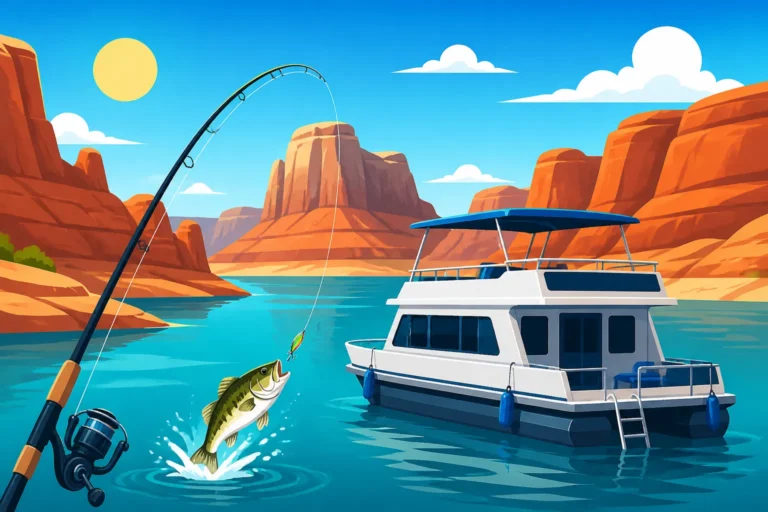
Lake Powell is immense, stretching over 186 miles with nearly 2,000 miles of shoreline. Access is primarily through marinas like Wahweap, Bullfrog, and Antelope Point. Due to its size, a substantial boat is often necessary, especially if you plan to explore distant canyons. Many anglers opt for houseboat rentals for multi-day trips, allowing them to anchor in secluded coves and explore vast sections of the lake at their leisure. This allows for dedicated time on the water to pursue specific trophy targets.
Navigating Lake Powell requires attention to detail, as unmarked hazards and constantly changing water levels can present challenges. GPS and detailed maps are essential tools. Focus on the main channel for deeper striped bass, and explore the countless side canyons and coves for largemouth and smallmouth. Areas like Good Hope Bay, the San Juan Arm, and various side canyons off the main channel can be highly productive. The lake's vastness means that even on busy weekends, you can often find your own secluded trophy fishing grounds. A knowledgeable guide can also provide invaluable insight into current conditions and hot spots, especially if you're venturing out on a large lake like Powell for the first time.
Fish Lake: High-Altitude Lunkers and Diverse Trophies
Perched at over 8,800 feet in elevation in central Utah, Fish Lake is truly a jewel among Utah's high-mountain fisheries. It's a deep, cold, and pristine lake known for its impressive array of trophy-sized fish, offering a different kind of high-altitude angling experience compared to the larger desert reservoirs. Here, you'll find the pursuit of large lake trout, colorful splake, and jumbo perch, all against a backdrop of stunning alpine scenery.
Jumbo Perch and Big Lake Trout
Fish Lake is renowned for its incredible yellow perch fishery, often producing "jumbo" perch that can exceed 12 inches and rival the size of small trout. While not typically considered a trophy species in many waters, the sheer size and abundance of perch at Fish Lake make them a unique trophy target for panfish enthusiasts. They provide consistent action, particularly through the ice, and are excellent table fare. Targeting them involves small jigs tipped with bait like mealworms or wax worms, fished near weed beds or submerged structures.
But the lake's true giants are its lake trout (Mackinaw), which regularly push past the 20-pound mark. These are deep-water predators that cruise the lake's expansive depths, feeding on perch and other baitfish. Like at Flaming Gorge, deep trolling with large spoons or minnow imitations, often on downriggers, is the primary method. Jigging heavy spoons or tube jigs over deep structure is also effective, especially during the ice fishing season. The combination of clear water and significant depth allows these fish to grow very old and very large, offering a true challenge for anglers.
Quality Rainbow and Splake
Beyond the lake trout and perch, Fish Lake also offers excellent opportunities for trophy-sized rainbow trout and splake. Rainbows are regularly stocked and thrive in the lake's rich environment, often reaching lengths of 20 inches or more. They are aggressive fighters and can be caught using a variety of methods, including trolling spoons, casting lures from shore, or bait fishing with PowerBait or worms. During certain times of the year, particularly spring and fall, they can be found cruising shallower areas.
Splake, a hybrid cross between brook trout and lake trout, are also stocked and grow exceptionally well in Fish Lake. These beautiful, hard-fighting fish combine the aggressive nature of a brook trout with the size potential of a lake trout, making them a fantastic trophy target. Splake often inhabit depths similar to lake trout but can also be found shallower. Trolling with spoons or small crankbaits, or jigging with tubes, can entice strikes. Their unique coloration and strong fight make them a prized catch for any angler. The diversity of quality trout species here means you have multiple targets for your trophy hunt.
Best Access and Tactics for Fish Lake
Fish Lake offers good access with multiple boat ramps, campgrounds, and lodging options around its perimeter. The main public boat ramp is located near the Fish Lake Lodge, providing easy access to the deeper portions of the lake. Due to its high elevation, the fishing season is generally shorter, with ice-off typically in late May or early June, and the lake freezing over by late November or early December, offering a long and productive ice fishing season.
When targeting lake trout and splake, a good fish finder is essential for locating schools of perch and significant underwater structure. Depths of 40-80 feet are often productive, but don't be afraid to experiment. For perch, look for transitions where weed beds meet deeper water. Shore anglers can find success with rainbows, especially in spring and fall, by casting spoons or fishing PowerBait off the bottom. Remember to dress in layers, even in summer, as the high-altitude weather can change rapidly. Fish Lake truly embodies the magic of high-mountain trophy fishing in Utah.
Other Notable Utah Waters for Trophy Potential
While Flaming Gorge, Strawberry, Bear Lake, Lake Powell, and Fish Lake are undoubtedly Utah's trophy heavyweights, several other waters across the state offer fantastic, and sometimes unexpected, opportunities for landing a lunker. These diverse fisheries each have their own unique charm and target species, providing even more options for the dedicated trophy angler. Don't overlook these smaller, but no less exciting, destinations in your quest for a big fish.
Willard Bay's Wiper and Catfish
Willard Bay Reservoir, a large freshwater impoundment near Ogden, is a shallow, warm-water lake famous for its fast-growing wiper and channel catfish. Wiper, a hybrid cross between white bass and striped bass, are incredibly strong fighters that grow to impressive sizes, with trophy specimens often exceeding 25 inches and 10 pounds. They are aggressive schooling predators, known for their powerful runs.
Anglers target wiper by casting crankbaits, large spoons, or swimbaits at schooling fish, especially near the dikes or causeways. When they're not actively schooling, trolling or jigging over submerged points and humps can be effective. Willard Bay also holds a significant population of channel catfish, with many fish exceeding 30 inches and 15-20 pounds. These whiskered giants are often caught on cut bait, stink bait, or worms fished on the bottom, particularly in the warmer months. Night fishing for catfish can be especially productive. Always be sure to review the Utah Walleye Harvest Rules and any special regulations for Willard Bay, as they are often aimed at managing these aggressive species.
Pineview Reservoir's Tiger Muskie
For a truly unique and challenging trophy experience, Pineview Reservoir, located east of Ogden, is the place to go for tiger muskie. These sterile hybrids, a cross between muskellunge and northern pike, are the apex predators of Pineview, growing to formidable sizes, with trophy fish regularly exceeding 40 inches and 20 pounds. They are notoriously elusive, earning them the nickname "the fish of 10,000 casts," but the reward of landing one is immense.
Tiger muskie are ambush predators, so targeting them involves casting or trolling large bucktails, jerkbaits, or swimbaits near weed lines, submerged timber, and rocky points. Patience and persistence are key. Many muskie anglers employ figure-eight retrieves at the boat, as these curious fish often follow lures right up to the boat before striking. The fight of a tiger muskie is legendary for its raw power and aggressive head shakes. This is truly a specialized pursuit, often requiring heavy-duty gear and a stout leader. Catch and release is highly encouraged for these magnificent fish to maintain the trophy fishery.
Scofield and Panguitch for Quality Trout
While not always producing the absolute monsters of Strawberry or Flaming Gorge, Scofield Reservoir (southeast of Provo) and Panguitch Lake (in Southern Utah) are consistently excellent for quality-sized trout, often yielding fish that qualify as personal trophies. Scofield is known for its healthy populations of rainbow, cutthroat, and tiger trout, with fish frequently hitting the 18-22 inch range. It's a fantastic ice fishing destination, where jigging small spoons or tubes can lead to consistent action with nice fish. Open water tactics include trolling and bait fishing from shore.
Panguitch Lake, a beautiful high-mountain lake, is another producer of robust rainbow, cutthroat, and splake trout. Fish in the 18-20 inch range are common, with larger specimens caught regularly. The lake's clear, cold waters provide an excellent environment for trout growth. Trolling, fly fishing with streamers, and bait fishing are all productive. Both Scofield and Panguitch offer fantastic opportunities for anglers seeking solid, bragging-rights trout without necessarily pursuing state-record contenders, providing a more accessible trophy experience for many.
Essential Gear and Guides for Your Trophy Hunt
Embarking on a trophy fishing expedition in Utah means being prepared. These aren't just regular fishing trips; they often involve specialized techniques, durable gear, and sometimes, the wisdom of local experts. The difference between landing that lunker and losing it at the boat often comes down to the quality of your equipment and your preparation.
The Right Tackle for Big Fish
When pursuing trophy fish, your standard trout rod might not cut it. You'll need tackle that can handle the immense power and prolonged fights these giants offer. For deep-water lake trout or powerful striped bass, a heavy-action baitcasting or spinning rod, typically 7-8 feet long, paired with a robust reel capable of holding 200+ yards of 20-50 pound braided line, is essential. Strong fluorocarbon or monofilament leaders (15-30 lb test) are also crucial for abrasion resistance and stealth. Don't skimp on hooks either; replace flimsy factory hooks on lures with stronger, sharper alternatives.
For trophy bass or tiger muskie, specialized rods designed for pitching heavy lures or handling powerful fish are recommended. A medium-heavy to heavy power rod with a fast action will give you the backbone to cast large baits and turn a big fish from cover. For fly anglers targeting large trout, a 6-8 weight rod with a matching reel and a strong tippet is often necessary. Always ensure your drag system is smooth and properly set before you head out. Our Utah Fishing Gear Guide can help you select the right tools for your specific trophy pursuit. And don't forget a large, rubberized landing net – essential for safely subduing and releasing a big fish without damaging its protective slime coat.
The Value of Experienced Guides
Navigating vast, complex reservoirs like Flaming Gorge or Lake Powell, or understanding the unique patterns of trophy fish in any given lake, can be a steep learning curve. This is where an experienced fishing guide becomes an invaluable asset. A professional guide not only knows the water like the back of their hand but also understands the seasonal patterns, preferred forage, and specific techniques required to target trophy-sized fish. They have the specialized gear, the boat, and most importantly, the knowledge accumulated over years of being on the water.
Hiring a guide, especially for your first few trophy hunts on a new body of water, can dramatically increase your chances of success. They can teach you subtleties in presentation, how to read your fish finder for specific species, and even help you identify prime locations that might be overlooked by the casual angler. Platforms like FishingBooker make it easy to find and book reputable, licensed guides who specialize in trophy fishing on Utah's best lakes. It's an investment that can save you countless hours of trial and error and provide an educational experience that will benefit your future angling endeavors. Plus, a guide often knows the current Utah Fishing Season Dates and Limits and any emergency changes, keeping you compliant.
Conservation and Ethical Trophy Fishing
Catching a trophy fish is an incredible accomplishment, but it comes with a responsibility to the resource. Many of Utah's trophy fisheries are sustained through careful management and angler participation in conservation efforts. Practicing ethical catch-and-release is paramount, especially for larger, older fish that are vital to the breeding population. This means minimizing fight time, handling the fish gently with wet hands, keeping it in the water as much as possible, and using de-hooking tools for quick release.
Consider taking a quick photo and releasing the fish to fight another day, rather than harvesting it, unless it's an invasive species with a mandatory kill order (like Northern Pike in Utah Lake) or within specific slot limits designed for harvest. Understanding the local regulations, such as those covered in the Utah Trout Limits by Water or Utah Fishing Regulations Explained, is not just about avoiding penalties but about being a responsible steward of our fisheries. By prioritizing conservation, we ensure that future generations of anglers will also have the opportunity to pursue their own trophy dreams in Utah's spectacular waters.
Disclaimer
Please remember that fishing conditions, regulations, and fish populations can change rapidly. Always consult the latest official Utah Division of Wildlife Resources (DWR) fishing guide and local advisories before planning your trip. The information provided here is for general guidance and informational purposes only.