Bonneville Cisco at Bear Lake
When you talk about fishing in Utah, most people immediately think of trophy trout in Strawberry or the kokanee salmon runs at Flaming Gorge. But there's a truly unique, almost mythical fish that calls one specific, incredibly special lake home: the Bonneville Cisco in Bear Lake. Many anglers, even seasoned Utah veterans, find themselves a bit mystified by this small, silvery fish and the specific, often chilly, circumstances required to even attempt to catch them. This guide aims to pull back the curtain on the Bonneville Cisco, explaining what makes them so special, where they live, how to target them during their famous winter run, and why they're such an integral part of Utah's fishing heritage.
Understanding the Bonneville Cisco: Bear Lake's Unique Gem
The Bonneville Cisco (Prosopium gemmifer) isn't just another fish in Utah; it's a living relic, a testament to the ancient geological forces that shaped the Bear Lake valley. This species is truly one-of-a-kind, an example of endemism where a species is found nowhere else on Earth. For anglers, understanding this uniqueness is the first step to appreciating why the winter "Cisco Run" is such a cherished, albeit frigid, tradition.
Unique Characteristics and Appearance
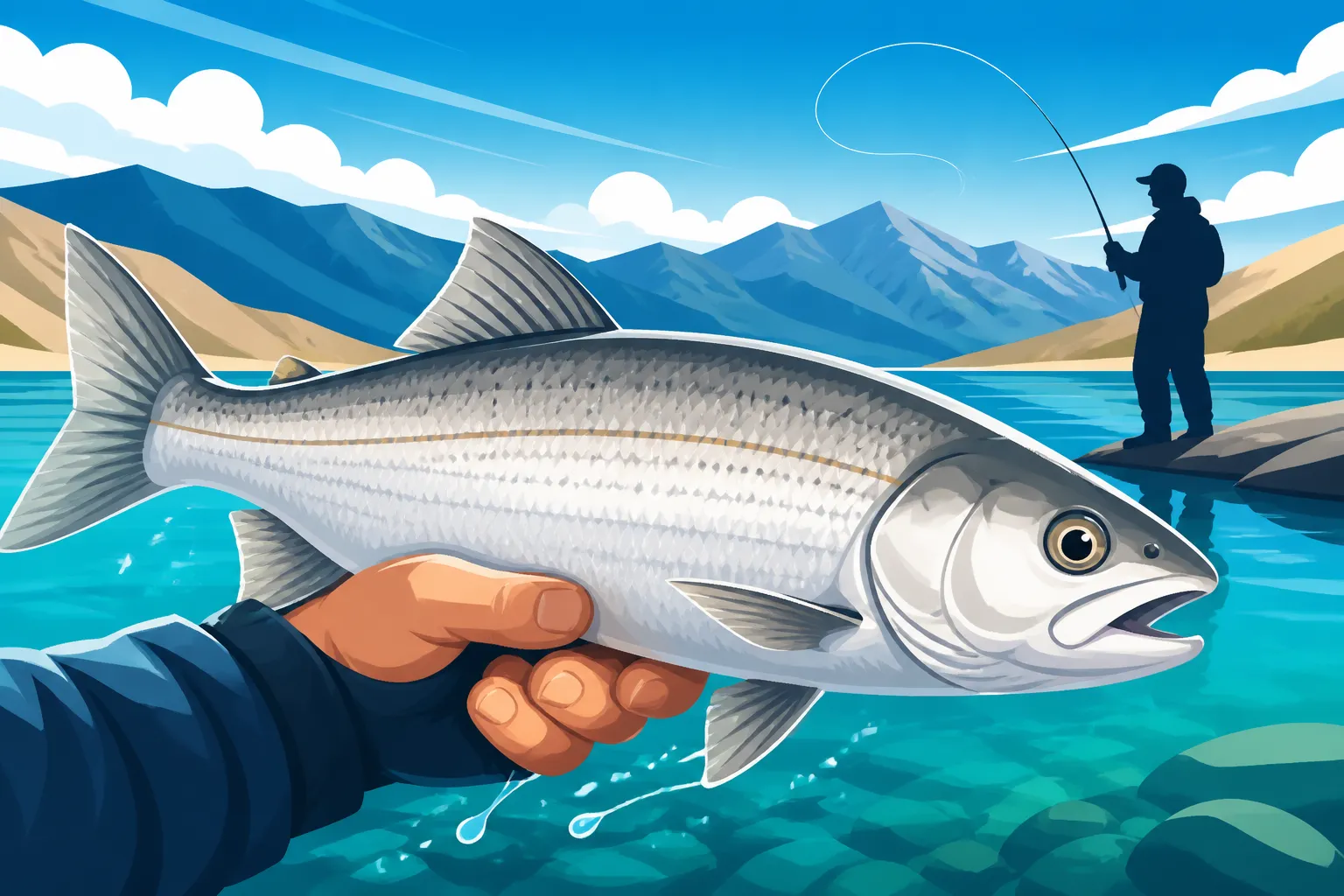
At first glance, a Bonneville Cisco might not look particularly remarkable to the untrained eye. They're relatively small, typically ranging from 6 to 9 inches in length, with some reaching up to a foot. Their bodies are slender, compressed laterally, and covered in fine, silvery scales that flash brilliantly under the water. They have a small, somewhat pointed head and a mouth adapted for feeding on plankton, their primary food source in the deep waters of Bear Lake. While they share some similarities with other whitefish species, their specific anatomical features, like gill raker counts and fin ray configurations, distinguish them as a unique species.
What truly sets them apart is their resilience and adaptation to the very specific, cold, and oligotrophic (low nutrient) environment of Bear Lake. Unlike many other species, they don't migrate extensively to spawn in rivers; instead, they utilize the shallow, rocky shoals of Bear Lake itself. Their unique life cycle and reliance on this single body of water make them incredibly vulnerable to changes in the ecosystem, highlighting the importance of conservation efforts. When you hold a Bonneville Cisco, you're not just holding a fish; you're holding a piece of natural history, specially adapted to its peculiar home. What the Bonneville Cisco Is is a great resource if you want to dive deeper into their biology.
Historical Significance and Native Status
The Bonneville Cisco is not merely present in Bear Lake; it is a native inhabitant, having evolved there over thousands of years. Bear Lake itself is an ancient lake, often referred to as a "limnological museum" due to its isolation and the unique species it harbors. The Cisco, along with the Bear Lake Sculpin, Bear Lake Whitefish, and Bonneville Whitefish, are endemic species, meaning they are found exclusively in Bear Lake and its immediate drainages. This makes them incredibly important from a scientific and ecological perspective.
Historically, the Bonneville Cisco has been a crucial part of the local ecosystem, providing a food source for larger predatory fish like the formidable Bear Lake Cutthroat Trout and Lake Trout, as well as for birds and other wildlife. For generations of local residents and anglers, the winter Cisco Run has been a cultural event, a way to connect with the lake and harvest a unique food source. These small, oily fish are highly prized for their flavor, often smoked, pickled, or fried, making them a delicious reward for braving the winter chill. The tradition of catching cisco by dipping them with nets during their spawning run dates back to early settlers and continues to this day, an annual ritual that binds people to the lake's natural cycles. You might be surprised to learn about Other Fish Species Unique to Bear Lake if you thought cisco were the only ones.
Bear Lake's Ecosystem: The Cisco's Exclusive Home
Bear Lake, often called the "Caribbean of the Rockies" for its stunning turquoise waters, is more than just a pretty face. It's a truly exceptional natural laboratory, a deep, cold, and chemically unique body of water that has fostered the evolution of several endemic species, with the Bonneville Cisco being one of its most famous residents. Understanding the lake itself is key to understanding why the cisco thrive there and nowhere else.
Bear Lake's Unique Ecosystem
Bear Lake is a natural lake, bisected by the Utah-Idaho border, and is among the oldest lakes in North America. Its peculiar chemistry, largely influenced by underground springs rich in calcium carbonate, gives it that distinctive blue hue and contributes to its cold, clear waters. The lake is relatively unproductive in terms of surface nutrients, which means it doesn't support massive populations of many species, but it's perfect for those specialized few that have adapted to its unique conditions. The deep, cold waters provide stable thermal refuge for cold-water species like the cisco year-round.
The cisco are primarily planktivores, meaning they feed on microscopic organisms called zooplankton that drift in the water column. The lake's deep basins provide ample habitat for these zooplankton, which in turn support the large populations of cisco. This intricate food web is a delicate balance, and the cisco are a critical component, bridging the gap between the smallest organisms and the larger predatory fish. Any significant changes to the lake's water quality, temperature, or zooplankton populations could have cascading effects throughout the entire ecosystem, threatening the cisco and the other endemic species. Many wonder, Is the Bonneville Cisco Found Anywhere Besides Bear Lake?, and the answer is a resounding no, which underscores its unique habitat requirements.
Year-Round Habitat and Behavior
For most of the year, outside of their brief spawning period, Bonneville Cisco are elusive creatures, residing in the deeper, colder sections of Bear Lake. They tend to school in the limnetic zone – the open water column – where they can efficiently filter-feed on zooplankton. This deep-water existence makes them virtually inaccessible to most anglers for the majority of the year. They aren't typically caught on traditional hook-and-line methods during the summer or fall because of their preferred depth and feeding habits.
Their behavior is largely dictated by water temperature and food availability. They'll follow the plankton, which can involve vertical migrations throughout the day, moving shallower at dawn and dusk and deeper during midday. This cryptic lifestyle is part of what makes their spawning run so remarkable – it's one of the only times the average person has a chance to directly interact with them. Anglers who venture out during the summer months are more likely to find lake trout or cutthroat trout, but rarely the cisco themselves, as they stick to the chilly depths, far from the surface waters warmed by the summer sun.
The Famous "Cisco Run": A Winter Spectacle
If you've heard anything about Bonneville Cisco, it's almost certainly about the "Cisco Run." This annual winter event transforms the normally quiet shores of Bear Lake into a bustling, often chaotic, scene of dedicated anglers, brave families, and curious onlookers, all braving the bitter cold for a chance to participate in a truly unique fishing tradition.
Understanding the Spawning Phenomenon
The Cisco Run is the Bonneville Cisco's spawning migration. Unlike most fish that run up rivers to spawn, the Bonneville Cisco spawns in the shallow, rocky areas along the shores of Bear Lake itself. As winter sets in and ice begins to form (or has already formed), typically from mid-January into early February, the mature cisco emerge from the deep, dark waters and move into the shallows. They prefer rocky substrates where their eggs can settle and incubate.
This is the only time of year when these fish are readily accessible, and it's a spectacle to behold. The fish school in massive numbers, creating dark patches in the water. Historically, and still today, the primary method of "catching" cisco during this run is not with a hook and line, but with dip nets. Anglers stand on the shore, often in waders, or out on the ice, and simply scoop the fish out of the water as they swim past. It's an experience unlike any other in fishing, less about skill and more about endurance, timing, and embracing the cold. The window for the prime run can be incredibly short, making those cold January mornings all the more precious. If you're wondering Why Bonneville Cisco Only Spawn for About Ten Days a Year, it highlights the intense, compressed nature of this natural event.
Optimal Timing and Conditions for the Run
The timing of the Cisco Run is crucial and can vary slightly from year to year, largely depending on water temperature and ice conditions. Generally, the run peaks in mid-January, often coinciding with Martin Luther King Jr. Day weekend, which has become an unofficial tradition for many. However, the exact best days often depend on localized weather patterns. Cold, clear nights tend to concentrate the fish in the shallows.
Ice cover is a huge factor. If the lake freezes over completely, anglers often cut holes in the ice to dip net. If the lake remains open near the shore, wading becomes the method. The best conditions often involve stable, very cold weather, which keeps the water temperature optimal and encourages the fish to move in. Strong winds, especially out of the north, can make fishing difficult and push the fish away from accessible areas. It's always wise to check local reports from the Utah Division of Wildlife Resources (UDWR) or local bait shops for current conditions before making the trip. Anglers often set up shelters on the ice or gather around bonfires on the shore to stay warm, turning the run into a social event as much as a fishing trip. You'll find specific advice on Bear Lake Cisco Run Fishing Spots to help you pick a location.
Fishing for Bonneville Cisco: Tactics and Regulations
Fishing for Bonneville Cisco is an experience that breaks many traditional angling molds. It's less about lures and casting, and more about communal effort, cold-weather endurance, and the unique method of dip netting. However, understanding the specific gear and regulations is paramount for a successful and legal outing.
Gear and Techniques for Success
The primary "technique" for catching cisco during their run is dip netting. This involves using a large, long-handled net, often with a sturdy, heavy hoop, to scoop the fish from the water. These nets can be quite substantial, sometimes several feet in diameter, allowing anglers to catch multiple fish with a single sweep. When purchasing a dip net, look for a robust frame and a long handle – especially if you plan to wade into the icy waters. Many anglers buy specialized nets or even construct their own. You can often find suitable dip nets or materials on online retailers like Amazon if you can't locate them locally.
While dip netting is dominant, some anglers also find success with traditional hook-and-line methods, particularly during the early and late stages of the run, or in areas where dip netting isn't feasible. Small jigs, often tipped with a piece of bait like a wax worm or mealworm, fished vertically through the ice or from shore, can entice a bite. The key is small offerings, as cisco have tiny mouths. For this, a lightweight spinning rod with a sensitive tip is ideal. On Amazon, you can find tiny ice fishing jigs or panfish tackle that would be perfect for this niche fishing. Remember to dress warmly – layers are your best friend. Thermal underwear, waterproof outer layers, warm boots, and gloves are non-negotiable for comfort and safety in sub-zero temperatures. A portable ice fishing shelter can also be a game-changer for staying warm. If you are going to use a jig, check out How to Rig a Jigging Rap for Cisco at Bear Lake for specific tips. Also, it’s helpful to know What Bait Works Best During the Bear Lake Cisco Run? for those hook-and-line attempts.
Regulations and Ethical Angling
The Bonneville Cisco Run is a regulated event, and it's critical to know and follow the rules set forth by the Utah Division of Wildlife Resources (UDWR) and the Idaho Department of Fish and Game (IDFG), depending on which side of the lake you're fishing. A valid Utah fishing license (or an Idaho license for the Idaho side) is always required, even for dip netting. Utah Fishing License Guide is a great resource for securing your license.
Key regulations typically include:
- Method of Take: Only dip nets are allowed during the official "Cisco Run" period. Hook-and-line fishing might be permitted during other times of the year, but specifically during the run, dip nets are the primary legal method.
- Daily Bag and Possession Limits: There are strict limits on how many cisco you can take per day and how many you can possess. These limits are generous, reflecting the abundance during the run, but they are still limits. You need to be aware of the Utah Daily Bag and Possession Limits for Bear Lake.
- Snagging/Foul Hooking: While dip netting is allowed, traditional snagging (intentionally hooking a fish anywhere other than the mouth) is generally illegal. The regulations surrounding the cisco run specifically address Utah Snagging Rules for Cisco at Bear Lake, so it’s important to familiarize yourself with these nuances. Dipping with a net is distinct from snagging with a hook. Be sure you know the difference.
- Watercraft: If you're on the ice, be aware of ice safety guidelines. If you're on open water during the run, typical boating and watercraft rules apply.
Ethical angling extends beyond legal compliance. It means respecting the fish, the lake, and fellow anglers. Don't leave trash on the ice or shore, be mindful of your impact on the spawning habitat, and share the space with others. The cisco are a valuable resource, and their continued abundance depends on responsible stewardship. You can find comprehensive information in Utah Fishing Regulations Explained.
The Future of Bonneville Cisco: Conservation and Challenges
The Bonneville Cisco, as an endemic species, holds a special place in Utah's natural heritage. Its continued survival is not just important for the ecosystem of Bear Lake, but also for the unique tradition of the Cisco Run that draws so many to its shores each winter. However, like many specialized species, they face ongoing challenges that require careful management and conservation efforts.
Ecological Importance of Cisco
Beyond being a cultural icon, the Bonneville Cisco plays a vital ecological role within Bear Lake. As a primary consumer, feeding on zooplankton, they convert microscopic energy into a larger food source for predatory fish. They are a critical forage fish for the two primary apex predators in Bear Lake: the Bear Lake Cutthroat Trout and the Lake Trout (Mackinaw). Without a healthy population of cisco, these larger fish would struggle to find enough food, potentially impacting their growth, survival, and overall population health.
The cisco are also part of the complex biological diversity that defines Bear Lake. Their unique adaptations to this ancient lake provide scientists with a living laboratory to study evolution and resilience. Preserving the Bonneville Cisco means preserving a piece of evolutionary history and maintaining the natural balance of one of Utah's most distinct ecosystems. When we talk about species like What the Bear Lake Sculpin Is or What the Bear Lake Whitefish Is, we're really talking about a whole suite of unique biodiversity that depends on the integrity of Bear Lake.
Challenges and Conservation Efforts
Despite their abundance during the spawning run, Bonneville Cisco populations are not without threats. Their endemism – being confined to a single lake – makes them particularly vulnerable to environmental changes. Key challenges include:
- Climate Change: Changes in water temperature, ice cover duration, and precipitation patterns can directly impact cisco spawning success, egg incubation, and food availability (zooplankton). A warmer lake could also favor non-native species that compete with or prey on cisco.
- Water Quality and Quantity: Bear Lake's water levels are managed for irrigation, and inputs from surrounding agricultural lands can affect water quality. Pollution or excessive nutrient runoff could alter the delicate balance of the lake's ecosystem.
- Invasive Species: While Bear Lake has been relatively resistant to many invasive species, the introduction of any new fish, plant, or invertebrate could outcompete cisco for food, prey on their young, or introduce diseases. Aquatic invasive species (AIS) are a constant concern in Utah, and anglers need to be vigilant about Utah Aquatic Invasive Species Rules for Anglers to protect waters like Bear Lake.
- Overharvest: While current regulations are designed to prevent overharvest, ensuring compliance and adapting limits as needed is crucial to sustain the population.
Conservation efforts are ongoing and include careful monitoring of cisco populations by the UDWR and IDFG, research into their life history and habitat needs, and public education campaigns to promote responsible angling and prevent the spread of invasive species. Understanding the cisco and participating in respectful, regulated fishing practices are how anglers can contribute to the long-term health of this irreplaceable Bear Lake gem.
| Aspect | Description | Important Considerations |
|---|---|---|
| Species Identification | Small, silvery, slender fish, 6-12 inches, adapted to deep, cold water. Endemic to Bear Lake. | Easily confused with other whitefish, but unique characteristics. |
| Primary Habitat | Deep, cold waters of Bear Lake for most of the year. Shallow, rocky shoals during spawning. | Specific adaptations to Bear Lake's unique chemistry and temperature profile. |
| Spawning Period (The Run) | Mid-January to early February, when cisco move into shallow waters to lay eggs. | Timing is crucial, often around MLK Jr. Day weekend. Check local conditions. |
| Primary Fishing Method | Dip netting (using large, long-handled nets) from shore or through ice. | Requires specific gear (dip net), warm clothing, and knowledge of regulations. |
| Secondary Fishing Method | Small jigs tipped with bait (e.g., wax worms) on light spinning tackle through ice. | Less common, more "traditional" angling, effective in certain conditions. |
| Regulations | Valid Utah (or Idaho) fishing license required. Specific daily bag and possession limits. Dip netting only. | Familiarize yourself with Utah Fishing Regulations Explained and Utah Snagging Rules for Cisco at Bear Lake. |
| Ecological Role | Critical forage fish for Bear Lake Cutthroat Trout and Lake Trout. Part of a unique endemic ecosystem. | Essential for maintaining the health of Bear Lake's predatory fish populations and overall biodiversity. |
| Conservation Concerns | Climate change, water quality, invasive species, potential overharvest. | Responsible angling, AIS prevention, and supporting conservation efforts are vital for their future. |
Disclaimer
This article is for general informational purposes only and does not constitute professional advice. Laws, prices and regulations vary by location and change over time. Consult a qualified professional for guidance on your specific situation.