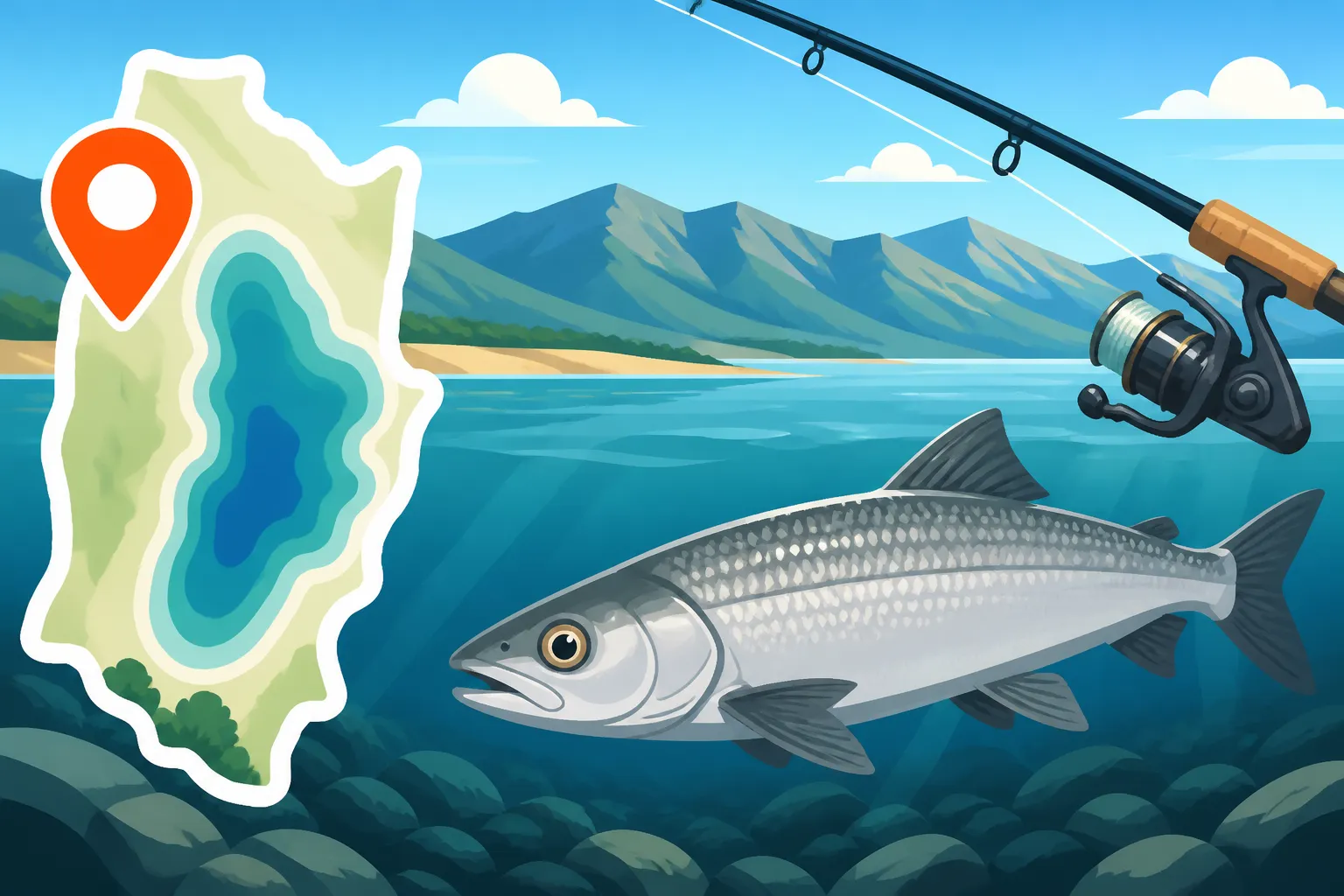
Bear Lake Cisco Run Fishing Spots
Navigating the winter wonderland of Bear Lake to partake in the legendary Cisco Run can be an exhilarating, yet sometimes bewildering experience. Many anglers, especially those new to this unique event, struggle to pinpoint the exact locations where the Bonneville Cisco congregate, often battling harsh conditions and crowds without much success. This comprehensive guide will illuminate the prime fishing spots around Bear Lake, helping you optimize your chances during this brief, exciting winter phenomenon and making your trip a memorable one.
Understanding the Bear Lake Cisco Run Phenomenon
The annual Bear Lake Cisco Run isn't just another fishing event; it's a deep-rooted tradition in Utah, drawing thousands of eager anglers to the frozen shores each winter. For those unfamiliar, it's a spectacle of nature and a unique angling challenge.
What Makes the Cisco Run So Special?
At its heart, the Cisco Run is all about the Bonneville Cisco, a small, silvery fish found almost exclusively in the deep, cold waters of Bear Lake. These fish are a relic, a unique species adapted to this specific environment, and their annual spawning migration to the shallow shorelines is what triggers the "run." Unlike most fishing, where stealth and patience are key, the Cisco Run is often a high-energy, social event. People gather, bundled against the cold, dipping nets and jigs into the icy water, hoping to fill buckets with these delicious fish. They're prized for their unique flavor and are often smoked, canned, or fried fresh. The communal aspect, the shared anticipation, and the sheer uniqueness of snagging these fish make it a truly special experience that stands apart from typical trout or bass fishing. It's a chance to connect with a specific slice of Utah's angling culture. To learn more about this fascinating fish, check out our guide on the Bonneville Cisco at Bear Lake.
The Critical Timing: When Does it Happen?
The window of opportunity for the Bear Lake Cisco Run is notoriously narrow and dictated almost entirely by Mother Nature. Generally, the run begins in mid to late January and can last anywhere from a few days to a couple of weeks, depending on ice formation and water temperatures. The cisco need specific conditions to move into the shallows for spawning, primarily sufficient ice cover near the shoreline to protect their eggs and precise water temperatures. It's a delicate balance; too warm, and the fish won't come in close; too cold, and the ice can become too treacherous. The Utah Division of Wildlife Resources (DWR) provides updates on current conditions and expected timings, so keeping an eye on their advisories is crucial. Without the right timing, you might find yourself on the shore with plenty of ice but no cisco. This short, unpredictable window adds to the thrill, turning each successful trip into a well-earned triumph against the elements.
Prime Shoreline Fishing Access Points
When the Cisco Run is on, the shoreline around Bear Lake transforms into a bustling hub of activity. While the entire lake is technically accessible, certain spots consistently outshine others due to ideal conditions, ease of access, and historical success rates. Knowing these prime locations can significantly boost your chances.
Cisco Beach: The Iconic Hotspot
Without a doubt, Cisco Beach, located on the Utah side of Bear Lake just north of Laketown, is the undisputed capital of the Cisco Run. It's where the legend began, and it's where you'll find the largest concentrations of anglers, especially on weekends. The main reason for its popularity is simple: geography. The underwater contours and spawning habitat here seem to be perfectly aligned for the Bonneville Cisco. The lake bottom gently slopes, offering the ideal depth for the cisco to lay their eggs, and currents often concentrate them near this stretch of shoreline.
However, its popularity comes with a caveat: crowds. If you're looking for solitude, this isn't it. Expect to share the ice or shoreline with hundreds, if not thousands, of fellow anglers, all vying for their share of the silvery bounty. Parking can be a challenge, and finding an open spot close to the action might require an early start or a bit of patience. Despite the crowds, the energy is infectious. There's a shared camaraderie, with tips and stories often exchanged freely. For many, the social aspect is as much a draw as the fishing itself. When the fish are running strong, the sound of nets dipping and jigs flying creates a unique soundtrack to this winter tradition.
Rainbow Cove: A Less Crowded Alternative
For those who prefer a slightly less intense experience than Cisco Beach, Rainbow Cove offers a fantastic alternative. Situated on the Idaho side of the lake, north of the main Bear Lake State Park marina, Rainbow Cove often sees good numbers of cisco but with a fraction of the human traffic. The access here is generally good, often less congested than its southern counterpart. The shoreline also provides similar spawning grounds and depths that attract the cisco, making it a reliable spot when the run is on.
The main difference lies in the atmosphere. While still a popular spot, Rainbow Cove tends to be more spread out, allowing anglers a bit more elbow room. It's an excellent choice for families or groups who want to enjoy the experience without feeling too squeezed. Historically, when comparing Cisco Beach vs Rainbow Cove at Bear Lake, many seasoned anglers note that Rainbow Cove can sometimes offer just as productive fishing, especially if you're willing to walk a little further down the beach to find your own patch of ice. The slightly longer drive for many Utah residents is a small trade-off for the increased tranquility and space.
Rendezvous Beach: Family-Friendly Options
Another excellent option, particularly for families with young children or anglers looking for more amenities, is Rendezvous Beach State Park. Located on the Utah side, near the town of Garden City, Rendezvous Beach offers paved access, restrooms, and sometimes even warming stations, depending on the year and DWR management. While not always as historically productive as Cisco Beach for sheer numbers of cisco right off the bat, it's a solid choice, especially when the run is robust.
The gentle slope of the beach and easy access make it ideal for setting up a family camp, complete with portable shelters and heaters. It’s also often a good spot to target other species while waiting for the cisco to show up. The convenience here often outweighs the need for the absolute densest concentration of cisco, especially if you're introducing new anglers to the sport. Being within a state park, it’s well-maintained and provides a safe environment for everyone. If you're planning a multi-day trip, many choose to camp right on the frozen beach, embracing the full winter angling experience.
Boat and Ice Fishing Strategies for Cisco
While many participate in the Cisco Run from shore with dip nets, the real advantage for consistently filling your buckets, especially if the fish aren't right up against the bank, often comes from venturing onto the ice or, in milder conditions, using a boat. These methods require a different approach and a keen understanding of fish behavior.
Navigating the Ice: Safety and Location
Ice fishing for cisco is a thrilling pursuit, but safety must always come first. Bear Lake is a large, deep body of water, and ice conditions can vary dramatically. Always check the ice thickness regularly with an auger as you venture out. A minimum of four inches of clear, solid ice is generally recommended for foot travel, and significantly more for ATVs or snowmobiles. The DWR and local bait shops often provide updates on ice conditions, but personal vigilance is paramount.
Once safely on the ice, the key is to locate the schools of cisco. These fish don't stay in one spot; they move, often in vast schools. A good fish finder, especially one designed for ice fishing with a flasher display, can be invaluable. Look for dense schools of fish congregating near the bottom, typically in 10 to 30 feet of water, though they can be shallower during the peak spawn. Many anglers use portable ice shelters to escape the biting winds and cold, allowing them to focus on fishing comfortably for longer periods. It's often a game of "run and gun" – drill a few holes, check for fish, and if they're not there, move on. Don't be afraid to try different depths and areas, observing where other successful anglers are clustered.
Optimal Depths and Techniques from a Boat
While the Cisco Run is largely an ice fishing affair, on years with thin or no ice, or for anglers targeting cisco just before or after the main ice event, boats can be very effective. From a boat, you have the flexibility to cover more water and chase moving schools. The prime depths remain similar to ice fishing, generally 10-30 feet.
When fishing from a boat, vertical jigging is the primary technique. Use small, heavy jigs like a ½ to 1-ounce jigging spoon or a tube jig in white, silver, or glow colors. These mimic the small invertebrates and baitfish that cisco feed on. Drop your jig to the desired depth, often near the bottom where you mark fish on your sonar, and impart a sharp jigging motion followed by a pause. Many anglers will tip their jigs with a piece of mealworm or a small strip of cisco belly meat for added scent and attraction.
For those looking to target other species while on the boat, it's worth noting that the deeper waters of Bear Lake are home to large lake trout. Understanding How to Downrig for Lake Trout can open up another dimension to your fishing trip, allowing you to target these trophy fish that often feed on the abundant cisco. While not the primary focus of the run, it's a fantastic bonus opportunity. FishingBooker lists several guides in the Bear Lake area who are experts at targeting both cisco and lake trout, offering an excellent way to learn these specialized techniques.
Beyond Cisco: Other Fishing Opportunities at Bear Lake During Winter
While the Bonneville Cisco might be the star of the winter show at Bear Lake, it's important to remember that this magnificent body of water holds other incredible fishing opportunities, even during the coldest months. Diversifying your targets can make for an even more rewarding trip.
Targeting Bear Lake Cutthroat Trout
For many, the indigenous Bear Lake Cutthroat Trout is the true trophy of this alpine lake. These powerful, native trout are highly sought after, and winter, particularly through the ice, can be an excellent time to pursue them. While cisco hang out in schools, cutthroat are often found cruising along drop-offs, underwater points, and structure, actively hunting for smaller fish like the Bonneville Cisco.
To target them effectively, you'll want to use slightly heavier gear than for cisco. Common tactics include setting up tip-ups with dead cisco or chub minnows as bait, fished just off the bottom in 30-80 feet of water. Another popular method is jigging with larger spoons or tube jigs, mimicking injured baitfish. The DWR regularly stocks cutthroat, enhancing the population, and while the run is happening, the opportunistic cutthroat will be feasting on spawning cisco. Keep an eye out for these feisty fish near known drop-offs and structure. You can often find great spots near the Bear Lake Marina Fishing Access or other areas with quick access to deeper water. For insights into where to find these beauties, refer to our guide on the Best Spots for Bear Lake Cutthroat Trout.
Exploring Other Bear Lake Species
Bear Lake is a truly unique fishery, hosting several other species that can be caught during the winter months, offering a different challenge or simply a change of pace.
The Bonneville whitefish, another endemic species, are often found in deeper waters and can be caught through the ice using small jigs or bait presented near the bottom. While not as flashy as a cutthroat, they provide excellent table fare and a steady bite. Some anglers specifically target them when the cisco bite slows down.
And then there are the famous Lake Trout, often referred to as Mackinaw in Utah. Bear Lake is known for producing some truly massive lakers. During winter, they can be found suspended in the water column or near the bottom in very deep areas, often relating to schools of cisco or whitefish. Large tube jigs, spoons, or even live bait (where permitted) fished on heavy ice fishing gear are the go-to. This requires patience and often specialized electronics to pinpoint these deep-dwelling giants. FishingBooker can connect you with guides specializing in these larger Bear Lake species, who can provide insights into their winter movements and the specific gear required. Don't be surprised if your jig for a cisco is suddenly inhaled by a much larger, toothy predator!
Essential Gear and Regulations for the Cisco Run
Successfully participating in the Bear Lake Cisco Run isn't just about knowing where to go; it's also about being properly equipped and well-versed in the specific rules that govern this unique fishery. Without the right gear and knowledge of regulations, you might find yourself cold, frustrated, or worse, in violation.
Must-Have Equipment for Success
The Bear Lake Cisco Run demands specialized gear, especially if you're venturing out onto the ice. Here's a breakdown of what you'll need:
- Cisco Jigs & Spoons: These are small, heavy lures designed to sink quickly and attract cisco. Popular choices include Swedish Pimples, Kastmasters, or specialized cisco jigs, often in silver, white, or glow-in-the-dark colors. Pair these with a very small, sharp hook (size 10-14). Our article on How to Rig a Jigging Rap for Cisco at Bear Lake offers more in-depth advice on specific setups.
- Dip Net: For shore-based angling during the peak of the run, a long-handled dip net (often 6-8 feet or longer) is essential for scooping up schools of cisco when they move into the super shallow water.
- Ice Auger: If you plan on ice fishing, a reliable ice auger (manual or powered) is crucial for drilling holes. Consider the depth and number of holes you'll be drilling.
- Ice Fishing Rods: Short, sensitive ice rods (24-36 inches) with a light action are perfect for detecting the subtle bites of cisco and handling their moderate size. Pair them with small spinning reels spooled with light monofilament or fluorocarbon line (2-4 lb test).
- Fish Finder/Flasher: Absolutely invaluable for locating schools of cisco under the ice. Brands like Humminbird and Garmin offer excellent portable units.
- Warm Clothing: This cannot be stressed enough. Bear Lake in January is brutally cold. Layers are key: thermal underwear, fleece, a waterproof/windproof outer shell, insulated boots, warm hat, and gloves or mittens are non-negotiable. Many anglers also bring hand and foot warmers.
- Portable Shelter & Heater: An ice fishing shelter provides a vital reprieve from the wind and cold. A portable propane heater (like a Buddy Heater) can make hours on the ice much more comfortable.
- Buckets: Essential for carrying your catch, especially if you're lucky enough to hit a strong run.
- Bait: While jigging is primary, some anglers will tip their jigs with mealworms or a small piece of bait. Learn What Bait Works Best During the Bear Lake Cisco Run? for more details.
Navigating Utah Fishing Regulations
The Cisco Run has some very specific regulations that differ from general Utah fishing rules. It's critical to be aware of these to avoid penalties.
First and foremost, everyone age 12 and older needs a valid Utah fishing license. You can find detailed information on obtaining one in our Utah Fishing License Guide or learn about the Utah Fishing License Online Purchase Process. It's always best to have your license readily available, either printed or on your phone, as wardens frequently patrol the ice during the run.
Secondly, and perhaps most importantly, are the specific rules regarding the capture of cisco. During the designated Cisco Run period (usually January), anglers are permitted to "snag" cisco. This means intentionally hooking the fish anywhere on its body, not just in the mouth. This is a unique exception to Utah's general anti-snagging rules and is only allowed for Bonneville Cisco during this specific season and in this specific location. However, it's crucial to understand the nuances of Utah Snagging Rules for Cisco at Bear Lake and confirm the exact dates and methods permitted by the DWR each year. The daily limit for cisco is typically generous, often 30 fish, but this can change, so always check the current Utah Daily Bag and Possession Limits before you go.
Furthermore, anglers should be aware of broader Utah Fishing Regulations Explained, including rules around Aquatic Invasive Species (AIS) inspections if bringing a boat or other watercraft, even kayaks or paddleboards, to the lake. While ice fishing, these rules might seem less relevant, but they apply to all watercraft leaving any Utah waterbody year-round. It's also vital to ensure you are not accidentally "foul hooking" or snagging other species like trout, as that remains illegal and could lead to significant fines. Always double-check the latest DWR proclamation before heading out.
Remember, responsible angling ensures that the Bear Lake Cisco Run remains a cherished tradition for generations to come.
Comparing Bear Lake Cisco Fishing Spots
To help you decide where to set up your gear, here's a quick comparison of the most popular access points for the Bear Lake Cisco Run:
| Fishing Spot | Location | Primary Access Type | Crowd Level (Peak) | Best For | Key Amenities (Seasonal) |
|---|---|---|---|---|---|
| Cisco Beach | Utah Side (N. of Laketown) | Shore / Ice | Very High | High volume, traditional experience, social | Limited (pit toilets) |
| Rainbow Cove | Idaho Side (N. of Marina) | Shore / Ice | Moderate to High | More space, good numbers, less intense | Limited (pit toilets) |
| Rendezvous Beach | Utah Side (Garden City) | Shore / Ice | Moderate | Families, beginners, longer stays | Paved access, restrooms, camp |
Disclaimer
The information provided in this guide is for general informational purposes only and is subject to change. Fishing regulations, ice conditions, and fish behavior can vary significantly. Always consult the official Utah Division of Wildlife Resources (DWR) regulations and local advisories before planning any fishing trip to Bear Lake. Your safety is your responsibility.