Panguitch Lake Fishing Spots
There's nothing quite as frustrating as showing up at a promising fishing destination, only to find yourself casting into unproductive waters or feeling completely overwhelmed by the sheer size of a lake. Panguitch Lake, with its stunning southern Utah scenery and reputation for monster trout, can certainly feel like that if you don't know where to start. This comprehensive guide is here to cut through the confusion, helping you pinpoint the best fishing spots on Panguitch Lake and arming you with the knowledge to make your next trip a truly memorable one.
The Allure of Panguitch Lake and Its Legendary Trout
Panguitch Lake isn't just another body of water; it's a high-elevation gem nestled in the Dixie National Forest, renowned across Utah and beyond for its exceptional trout fishing. The name "Panguitch" itself comes from the Paiute word meaning "big fish," and the lake certainly lives up to that moniker. Anglers flock here year-round, drawn by the promise of landing trophy-sized rainbow trout, Bonneville cutthroat trout, and formidable tiger trout.
The lake's relatively shallow nature, coupled with an abundance of aquatic insects and forage fish, creates an ideal environment for trout to thrive and grow to impressive sizes. It's not uncommon to hear tales of 5-pounders, and double-digit lunkers are pulled out every season. This consistent quality makes it a prime destination for both seasoned anglers seeking a challenge and families hoping to introduce their kids to the thrill of a big bite. Knowing where to focus your efforts, however, is key to turning those tales into your own personal fishing stories.
Understanding Panguitch Lake's Unique Ecosystem
Panguitch Lake sits at an elevation of about 8,200 feet, which significantly influences its fishing dynamics. The high altitude means shorter summers and long, cold winters, often resulting in thick ice for months on end. This seasonal shift dictates fish behavior and accessibility. During the open water season, the lake's shallower average depth (around 20-30 feet, with deeper pockets up to 60 feet) means water temperatures can fluctuate, impacting where trout hold throughout the day.
The lake bottom is a mix of volcanic rock, gravel, and silt, with healthy weed beds developing in shallower areas during the warmer months. These weed beds are crucial, providing shelter for baitfish and invertebrates, which in turn attract hungry trout. Understanding this underwater landscape, even without a fancy fish finder, can give you a significant edge. Look for transitions in bottom structure, areas where weed lines meet deeper water, and points or submerged humps that act as natural ambush points for predatory fish.
Why Panguitch Lake Stands Out for Trophy Trout
Many anglers consider Panguitch Lake one of Utah's premier trophy trout destinations, and for good reason. The Utah Division of Wildlife Resources (DWR) actively manages the fishery, stocking it annually with thousands of rainbow and cutthroat trout, alongside the sterile hybrid tiger trout. These tiger trout are particularly prized; they are a cross between a brown trout and a brook trout, known for their aggressive nature and beautiful, worm-like patterns. They grow quickly and fight hard, making them a top target. You can learn more about the unique characteristics and stocking efforts for these fascinating fish in our detailed guide on the topic of Tiger Trout in Utah.
The combination of consistent stocking, natural forage, and careful management contributes to the lake's ability to produce large fish year after year. While many waters might offer good numbers, Panguitch frequently delivers both quantity and quality, making it a truly special place to wet a line.
Prime Shore Fishing Hotspots and Accessibility
Not everyone has a boat, and honestly, you don't always need one to have an incredible day at Panguitch Lake. There are plenty of fantastic spots accessible right from shore, especially if you know where to look. Accessibility can change with water levels and seasonal conditions, so it's always a good idea to check current conditions before heading out.
The main roads around the lake provide relatively easy access to several key areas. For those who prefer to keep their feet on solid ground, focusing on areas with gradual slopes, weed beds, or rocky outcroppings that extend into the water will increase your chances. These areas offer both cover and feeding opportunities for cruising trout.
Fishing Near the Panguitch Lake Resort
The area around the Panguitch Lake Resort and the nearby public boat ramp offers some of the most convenient shore fishing opportunities. Just west of the resort, there's a good stretch of shoreline with varying depths. This spot is popular because of its ease of access and proximity to amenities. Anglers often find success here using traditional bait setups, like PowerBait or worms under a bobber, or casting small spinners and spoons.
During the early morning or late evening hours, trout often move closer to shore to feed, making these times particularly productive. The resort area also provides a great starting point for families with younger anglers, as they can easily switch between fishing and other activities. It's a low-pressure, high-convenience zone that consistently yields fish.
Exploring the West Side and Clear Creek Inlet
Moving along the western shore, particularly towards the Clear Creek inlet, you'll find more secluded spots that can be incredibly rewarding. The Clear Creek inlet itself is a magnet for fish, especially during spring and fall when trout congregate near the incoming water flow, which often brings in fresh food sources. This area can be accessed from the main road that skirts the western edge of the lake.
Further south along the west side, look for areas with rocky points and submerged structures. These features provide excellent cover and ambush points for larger trout. Walking a bit away from the more crowded areas can often lead to finding your own productive stretch of shoreline. Be mindful of private property signs and always respect the natural environment. When planning a trip, consider reviewing general Utah Fishing Regulations Explained to ensure you're aware of all current rules.
Mastering Boat and Trolling Strategies
For many, a boat unlocks the true potential of Panguitch Lake. It allows you to cover more water, reach deeper sections, and target fish holding in offshore structures that shore anglers can't reach. Whether you're in a small jon boat, a fishing kayak, or a fully equipped trolling vessel, understanding how to effectively use your boat here will dramatically improve your catch rate.
Panguitch Lake has a few public boat ramps, with the most commonly used one located near the Panguitch Lake Resort. Ensure your boat is properly registered and equipped with all necessary safety gear, as per Utah Boating and Fishing Rules. Also, remember that Utah has strict Aquatic Invasive Species (AIS) rules, so be prepared for potential inspections.
Effective Trolling Patterns and Speeds
Trolling is arguably the most popular and effective method for covering water and locating active trout on Panguitch Lake. The key is to vary your depth, speed, and lure presentation until you find what the fish are keying in on that day. For rainbow and cutthroat trout, trolling speeds between 1.5 to 2.5 miles per hour often work well. For larger, more aggressive tiger trout, you might experiment with slightly faster speeds or erratic lure actions.
Many successful Panguitch Lake anglers use downriggers or lead core line to get their lures down to specific depths. In summer, trout often suspend in the cooler, deeper water, so targeting depths of 15-30 feet is common. During spring and fall, they might be shallower. Popular trolling lures include small spoons like Needlefish or Daredevils, Rapala-style stickbaits, and even small wedding rings tipped with a piece of Gulp! or nightcrawler. Keep an eye on your fish finder to mark schools of bait or individual fish, and adjust your depth accordingly.
Navigating Key Offshore Structures
Beyond simply covering water, successful boat fishing involves understanding the underwater topography. Panguitch Lake, despite its relatively uniform depth, has several key structures that consistently hold fish. The channel that runs through the lake, remnants of the old riverbed, is a prime example. This channel offers slightly deeper water and often acts as a highway for cruising trout.
Look for submerged humps, rock piles, and distinct weed lines using your fish finder. Many anglers focus their efforts around the "mid-lake hump" or other subtle rises in the lakebed. These structures provide excellent habitat and ambush points. Another strategy is to troll parallel to the shore, just outside the main weed beds. This allows you to target trout that are moving between the safety of the weeds and the open water. For guided experiences or to tap into local knowledge, services like FishingBooker can help you find experienced guides who know these secret spots inside and out.
Seasonal Strategies for Panguitch Lake Success
Panguitch Lake offers fantastic fishing opportunities year-round, but the techniques and locations change drastically with the seasons. Adapting your approach to the prevailing conditions is paramount to consistent success. From the first thaw to the thickest ice, understanding the seasonal nuances will make you a more effective angler.
Always consult the official Utah Fishing Season Dates and Limits before your trip, as specific regulations for Panguitch Lake can sometimes apply, and closures or special limits are occasionally implemented to protect fish populations.
Spring: Ice-Off Excitement and Shallow Water Action
Spring at Panguitch Lake, typically from late April to early June, is a time of immense excitement. As the ice recedes, often from the edges inward, trout become incredibly active and hungry after a long winter. They will move into the shallower, warmer water near the shorelines and inlets to feed aggressively. This is arguably one of the best times for shore anglers.
During ice-off, try casting spoons, spinners, or suspending jerkbaits towards the breaking ice line or along newly open shorelines. PowerBait, nightcrawlers, and salmon eggs fished on the bottom or under a bobber are also highly effective, especially in areas where Clear Creek flows into the lake. Fly anglers can find success with streamer patterns, scuds, and leech imitations near the banks. The fish are often fat and feisty, making for excellent sport.
Summer: Deep Water Trolling and Early Morning Bites
As summer progresses (July and August), the shallower waters of Panguitch Lake warm up significantly. Trout, particularly the larger ones, will retreat to deeper, cooler sections of the lake. This is when boat anglers, especially those equipped for trolling, really shine. Targeting depths of 15-30 feet becomes crucial.
Early mornings and late evenings are still the most productive times, even in summer, as trout might briefly move shallower to feed under low light conditions. During the day, focus on the mid-lake humps, the old river channel, and trolling runs parallel to the drop-offs. Fly anglers can still find success by stripping streamers from float tubes or pontoon boats over deeper weed beds or fishing nymphs under indicators in cooler, spring-fed areas. Keeping your bait or lure presentation in the optimal temperature zone is the key to summer success.
Fall: Aggressive Feeding and Pre-Winter Prep
Fall at Panguitch Lake, typically September through November until ice-up, is another golden period for anglers. As water temperatures begin to drop, trout become highly active again, feeding heavily to build up fat reserves for the coming winter. This can lead to some truly spectacular fishing. Both boat and shore anglers can experience great success.
Trolling remains effective, often at shallower depths than in summer, as fish spread out more throughout the water column. Spoons and crankbaits that imitate baitfish are excellent choices. Shore anglers should target points and drop-offs with PowerBait, worms, or by casting lures. Fly anglers will find success with streamer patterns, egg patterns (especially as cutthroat trout might begin their spawning rituals, though check regulations for specific closures or restrictions on targeting spawning fish), and larger nymphs. The cooler, crisp air and stunning fall foliage make for a truly enjoyable fishing experience.
Winter: Ice Fishing Paradise
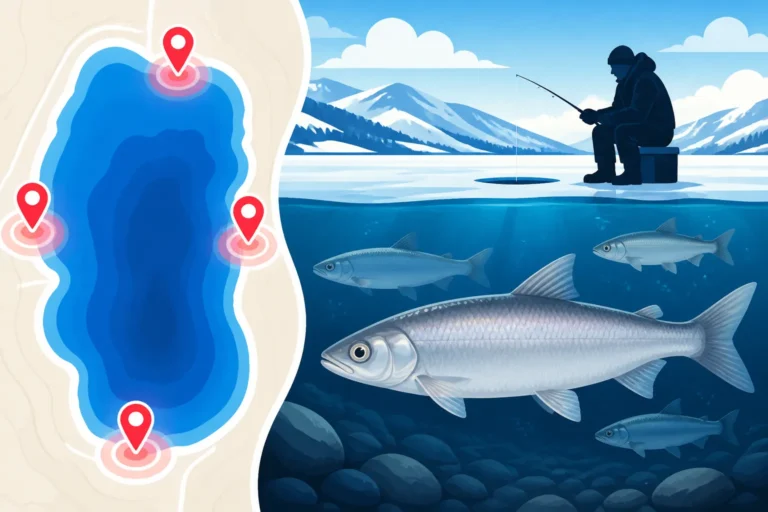
Panguitch Lake is renowned as one of Utah's premier ice fishing destinations. Once the lake freezes solid, typically from late November or early December through March, anglers flock to its frozen surface. The thick, safe ice allows for easy access to virtually any part of the lake, provided you're exercising proper ice safety. Our dedicated Utah Ice Fishing Guide offers comprehensive tips for staying safe and successful.
Ice fishing here can be incredibly productive for all trout species. Jigging small spoons, Rapala Jigging Raps, or tungsten jigs tipped with a mealworm or wax worm are popular and effective methods. Dead sticking with PowerBait or a nightcrawler suspended just off the bottom is also a proven technique. Many anglers set up multiple rods (within legal limits, of course) to cover different depths and presentations. Popular ice fishing spots often mirror the open-water hotspots: the areas around the resort, the mid-lake humps, and off the points.
Targeting Panguitch Lake's Trophy Trout
Panguitch Lake is home to a magnificent array of trout species, each offering a unique challenge and reward. Understanding the habits and preferred habitats of rainbow, cutthroat, and tiger trout will significantly elevate your angling success.
The Utah DWR actively stocks the lake with these species, carefully managing the populations to ensure a robust and healthy fishery. It’s part of what makes Panguitch so special – you never quite know what kind of trophy might hit your line next!
Rainbow Trout: The Lake's Abundant Fighter
Rainbow trout are the most common species in Panguitch Lake, and they are known for their strong fights and willingness to bite. They are stocked regularly, providing excellent opportunities for anglers of all skill levels. Rainbows can be found throughout the lake, from the shallow weed beds to the deeper open water.
For rainbow trout, traditional methods often work best. PowerBait in various colors (chartreuse, rainbow, corn-scented) fished off the bottom with a small sinker and a short leader is a perennial favorite, especially for shore anglers. Casting small spinners like Mepps Aglias or Panther Martins, or spoons such as Kastmasters or Daredevils, can also be very effective, particularly in spring and fall when rainbows are actively cruising the shallows. Trolling with similar lures, as well as Rapala crankbaits, covers more water and helps locate schools of fish.
Bonneville Cutthroat Trout: The Native Beauty
The Bonneville cutthroat trout is a native subspecies and holds a special place in Utah's fishing heritage. These fish are characterized by the distinctive red or orange "cutthroat" mark under their jaw. In Panguitch Lake, they can grow to impressive sizes and offer a more challenging catch than their rainbow counterparts. They often prefer slightly cooler water and can be found near deeper structure or in areas with incoming tributary flows.
Targeting cutthroat trout often involves similar methods to rainbows, but with a slight emphasis on slightly larger presentations or natural baits. Trolling with larger spoons or minnow-imitating crankbaits can be very effective, especially near drop-offs and the old river channel. Fly anglers find success with streamer patterns, leeches, and larger nymph imitations. When fishing for cutthroat, patience and persistence are key, as they can be more elusive, but the reward of landing a beautiful, robust cutthroat is truly worth the effort.
Tiger Trout: The Elusive Predator
Tiger trout are the real "trophy" fish for many Panguitch Lake regulars. These sterile hybrids are known for their striking, labyrinthine patterns and their aggressive, predatory nature. They grow very quickly and fight incredibly hard, often making powerful runs and spectacular jumps. Because they are predators, they tend to feed on smaller fish, making them a top-of-the-food-chain target.
To catch tiger trout, you often need to "match the hatch" by imitating the baitfish they feed on. Larger spoons, minnow-imitating crankbaits (Rapala, Yo-Zuri), and soft plastic swimbaits retrieved with an erratic action are excellent choices. Trolling these lures at varying depths, often slightly faster than for other trout, can trigger aggressive strikes. During ice fishing, larger jigging spoons or even small tube jigs can entice a tiger trout. Many anglers specifically targeting tigers will use a fish finder to locate schools of baitfish and then present their lures nearby, knowing that the tigers won't be far behind. Finding a local guide through a platform like FishingBooker can significantly increase your chances of finding these elusive fish, as they often have specialized knowledge of where the big ones lurk.
Recommended Gear and Essential Tackle for Panguitch Lake
Having the right gear can make all the difference between a frustrating day and a fantastic one on Panguitch Lake. While you don't need the most expensive equipment, a few key items will ensure you're prepared for the diverse fishing opportunities the lake presents.
Whether you're casting from shore, trolling from a boat, or drilling holes in the ice, your tackle box should be well-stocked for trout. If you're new to fishing in Utah, our guide on What Gear Does a First-Time Utah Angler Need? offers a great starting point for building your basic setup.
Spinning Gear for Versatility
For the vast majority of Panguitch Lake anglers, a medium-light to medium action spinning rod and reel combo is the workhorse. A 6'6" to 7' length provides good casting distance from shore and enough backbone for fighting larger trout. Spool your reel with 6-8 pound monofilament or fluorocarbon line, or a 10-15 pound braided line with a fluorocarbon leader for added sensitivity and abrasion resistance.
This versatile setup is perfect for casting lures like spinners, spoons, and small crankbaits. It also excels for bait fishing with PowerBait or worms. Having a spare spool with a different line type or weight can be handy if conditions change. When selecting your specific rod and reel, consider reputable brands like Shimano, Daiwa, or Pflueger, which offer reliable performance without breaking the bank. For specific recommendations, our guide to the Best Fishing Rods for Utah Anglers delves into various options.
Trolling and Downrigger Setups
If you plan to primarily fish from a boat and troll, a dedicated trolling rod is a worthwhile investment. These rods are typically longer, softer, and have a more parabolic bend to handle the constant load of trolling and absorb the shock of a strike without pulling the lure from the fish's mouth. Paired with a line counter reel, you can precisely control your depth.
Downriggers are highly effective on Panguitch Lake, allowing you to present lures at exact depths where fish are holding. Many anglers run two downriggers, staggered at different depths, to find the active zone. For lead core setups, a stout conventional reel on a medium-heavy rod is appropriate. When choosing your lures for trolling, include a variety of colors and actions, from flashy chrome spoons to naturalistic minnow imitations, to see what the trout prefer on a given day.
Ice Fishing Essentials
When Panguitch Lake freezes over, a whole new set of gear becomes essential. A good ice auger (manual, gas, or electric) is critical for drilling holes quickly and efficiently. Make sure it's sharp! You'll also need short, sensitive ice fishing rods (24-36 inches), preferably with a spring bobber or highly sensitive tip to detect subtle bites.
Small spinning reels spooled with 4-6 pound monofilament or fluorocarbon are ideal. A portable ice shelter can offer protection from the elements, and a reliable portable heater will keep you comfortable on frigid days. Don't forget an ice scoop to clear slush from your holes, a bucket to sit on and hold fish, and plenty of warm layers. Lure-wise, stock up on small tungsten jigs, jigging spoons, and vertical jigs, often tipped with mealworms, wax worms, or Gulp! maggots.
Maximizing Your Panguitch Lake Fishing Experience
Beyond just finding the right spots and using the right gear, there are several practical considerations that can greatly enhance your Panguitch Lake fishing trip. From respecting regulations to embracing local resources, a little preparation goes a long way.
Understanding the nuances of the lake's environment and the available services can turn a good fishing trip into a truly great one.
Respecting Regulations and Conservation
Before you even cast your first line, make sure you have a valid Utah Fishing License Guide. Licenses are mandatory for most anglers and help fund conservation efforts. Always familiarize yourself with the current Utah Daily Bag and Possession Limits for Panguitch Lake, as these can change to manage fish populations. For example, there might be specific slot limits or size restrictions for certain species like cutthroat or tiger trout.
Practicing catch and release, especially for larger breeding-size fish or species you're not planning to eat, is a fantastic way to ensure the long-term health of the fishery. When releasing fish, handle them gently with wet hands, minimize their time out of water, and ensure they are revived before letting them go. Clean up any trash you generate and leave the shoreline and surrounding areas cleaner than you found them.
Utilizing Local Resources and Expertise
Don't underestimate the value of local knowledge! The folks who live and work around Panguitch Lake often have the most up-to-date information on fishing conditions, recent catches, and what's biting. Stop by local tackle shops, marinas, or even chat with other anglers at the boat ramp or on the ice. These informal exchanges can provide invaluable tips that aren't found in any guide.
Consider hiring a local fishing guide, especially if it's your first time on Panguitch Lake or if you're targeting a specific, challenging species like trophy tiger trout. A good guide can quickly put you on fish, teach you effective techniques, and share insights into the lake's nuances. Websites like FishingBooker make it easy to find and book reputable, licensed guides who specialize in Panguitch Lake fishing. They can provide all the necessary gear and boat access, taking the guesswork out of your trip.
Accommodations and Amenities
Panguitch Lake offers a range of accommodations, from rustic cabins and campgrounds to more modern lodges and resorts. The Panguitch Lake Resort is a popular choice, offering cabins, a general store, and boat rentals. There are also several Forest Service campgrounds nearby, like Panguitch Lake North Campground and Panguitch Lake South Campground, which provide basic amenities for those who prefer to rough it a bit more.
The nearby town of Panguitch, about a 20-minute drive from the lake, offers additional services including grocery stores, restaurants, gas stations, and more lodging options. Planning your accommodations in advance, especially during peak season or popular ice fishing weekends, is highly recommended.
Panguitch Lake Fishing Hotspots Table
To help visualize some of the prime areas, here's a quick overview of Panguitch Lake's top fishing spots and what they're generally known for:
| Fishing Zone | Primary Access | Best for | Recommended Techniques | Key Features |
|---|---|---|---|---|
| Panguitch Lake Resort Area | Shore / Boat | Rainbow Trout, ease of access | Bait (PowerBait, worms), casting spinners/spoons | Public boat ramp, shallow weed beds, amenities nearby |
| Clear Creek Inlet | Shore / Boat | Rainbow Trout, Cutthroat Trout, spring/fall | Casting spoons/spinners, fly fishing streamers, bait | Inflowing water, deeper channels, attracts feeding fish |
| West Shore Points | Shore / Boat | Larger Cutthroat, Tiger Trout | Trolling deep, casting larger lures, natural baits | Rocky points, submerged structure, deeper water close to shore |
| Mid-Lake Hump | Boat (Fish Finder recommended) | Trophy Lake Trout, Tiger Trout, suspended fish | Deep trolling with downriggers, vertical jigging | Submerged peak, baitfish concentrations, holds big fish |
| Old River Channel | Boat (Fish Finder recommended) | All Trout Species, especially trolling | Trolling spoons, crankbaits, lead core | Deeper trench running through the lake, fish highway |
| South End Shallow Flats | Shore / Boat | Rainbows, active feeders (spring/fall) | Casting small lures, fly fishing, bait | Extensive weed beds, shallower water, good for sight fishing |
Remember, fish are constantly on the move, and conditions can change daily. Use this table as a starting point, but always be prepared to adapt your approach based on what you observe on the water.
Final Cast
Panguitch Lake is truly a treasure for Utah anglers, offering diverse opportunities and the constant promise of a memorable catch. While it might seem daunting at first glance, armed with the knowledge of its unique ecosystem, prime fishing spots, and seasonal strategies, you're well on your way to a successful and enjoyable trip. Whether you prefer casting from the peaceful shoreline, meticulously trolling across its depths, or bundling up for some exciting ice fishing, Panguitch Lake has something special for every angler. Tight lines, and may your next cast be your best one yet!
Disclaimer
The information provided in this guide is for informational purposes only and is based on general fishing knowledge, experience, and publicly available data. Fishing conditions, regulations, and fish behavior can change rapidly. Always consult the latest official regulations from the Utah Division of Wildlife Resources (UDWR) before engaging in any fishing activities. Adherence to all local, state, and federal laws is the responsibility of the angler. Fishing carries inherent risks, and safety precautions should always be observed.