Bear River Fishing Access
Trying to navigate the extensive winding path of the Bear River in Utah, hoping to find that perfect fishing spot, can feel a bit like searching for a needle in a haystack. With its diverse environments ranging from high-mountain streams to slow-moving marshlands, knowing where to go and what to expect can be incredibly daunting. This comprehensive guide is designed to cut through that confusion, helping you uncover the prime access points and unlock the rich fishing opportunities the Bear River offers, no matter your skill level or preferred species.
Understanding the Bear River Fishery
The Bear River is quite the anomaly in North America – it's the largest river on the continent that doesn't flow into an ocean, instead emptying into the Great Salt Lake. This unique characteristic, combined with its substantial length (over 500 miles!) and diverse path through Wyoming, Idaho, and northern Utah, creates an incredibly varied and dynamic fishery. Understanding these different sections is key to figuring out where and how to fish it successfully.
Upper River Characteristics
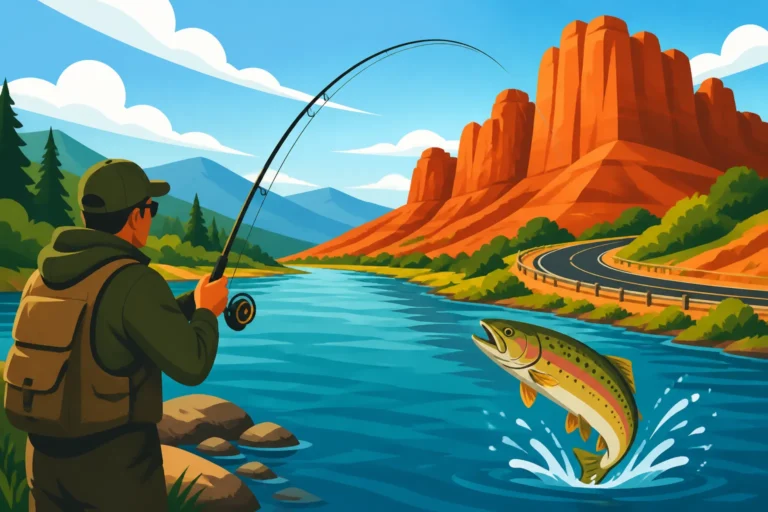
As the Bear River originates in the high Uinta Mountains of northeastern Utah, near Evanston, Wyoming, its upper stretches are classic freestone trout waters. Here, you'll find a colder, clearer, and often faster-flowing river, carving through mountainous and pastoral landscapes. Think stunning scenery, crisp air, and a strong sense of wilderness. This segment of the river, particularly as it flows through Summit and Rich counties in Utah, offers prime conditions for trout species. The river here is typically narrower, with riffles, runs, and deeper pools providing ideal habitat. Access often involves more remote roads or even a bit of hiking, adding to the allure for those seeking solitude and wild fish. The water quality is generally excellent, supporting a healthy insect population, which in turn fuels robust trout growth.
Lower River and Delta Dynamics
As the Bear River flows downstream and eventually enters the broad, flat agricultural lands of Cache and Box Elder counties, its character changes dramatically. It slows significantly, widens, and often becomes warmer and murkier, especially during agricultural runoff or summer months. This lower section, particularly below Cutler Reservoir and as it approaches the Bear River Migratory Bird Refuge and the Great Salt Lake, transitions into a warm-water fishery. The river here meanders through extensive wetlands and farmlands, with soft, silty bottoms and abundant aquatic vegetation. The delta region is a vast, ecologically crucial area, providing habitat for countless bird species, but also offering unique fishing opportunities in its channels and sloughs. Navigating this section often involves different challenges, from dense vegetation along the banks to slow currents that can make boat control a factor. Understanding these dynamics is crucial for success, as the fish species, preferred techniques, and even the available access points are entirely different from the upper river.
Diverse Fish Populations
Because of its extensive journey and varied environments, the Bear River supports an impressive array of fish species. In the colder, upper reaches, you'll primarily encounter various trout species. Rainbow trout are common, often stocked by the Utah Division of Wildlife Resources (UDWR) to enhance angling opportunities. You'll also find brown trout, known for their elusive nature and often larger size, especially in the more secluded sections. While less common, some sections might hold a few brook trout, particularly in tributaries, and even the native Bonneville cutthroat trout in specific protected areas. For a deeper dive into these species, you might find the guide on Utah Trout Species Guide really helpful.
As you move downstream into the warmer, slower waters, the species mix shifts dramatically. Here, common carp are abundant, growing to impressive sizes and offering a powerful fight. Channel catfish are also prevalent, providing exciting night fishing opportunities. You might also encounter black bullhead catfish, wipers (a hybrid striped bass), smallmouth bass in certain areas, and various panfish like bluegill and perch. Invasive species like northern pike have also been found in connected waters, and anglers must be aware of rules regarding their harvest. The sheer variety means you can tailor your trip to target specific fish, making the Bear River a truly versatile fishing destination.
Key Access Points Along the Bear River
Finding suitable access to a river as long and winding as the Bear can be a challenge. It flows through private lands, public access areas, and some rather remote stretches. Knowing where to legally and safely get to the water is half the battle. Let's break down some of the most reliable ways to access this fantastic fishery.
Public Parks and Designated Areas
One of the easiest ways to access the Bear River is through established public parks and designated fishing access points. These spots are often maintained by local municipalities or the UDWR, providing amenities like parking, restrooms, and sometimes even picnic areas. In the upper river, you might find smaller, more rustic access points near towns like Evanston, Wyoming (just upstream from the Utah border), or as the river winds through areas of Summit County. These often have small pull-offs or short trails leading to the riverbank.
Further downstream, particularly in Cache and Box Elder counties, larger public access areas become more common. For example, the Bear River Greenway in Logan offers multiple access points, trails, and even fishing piers in some sections. This is a fantastic option for families or those looking for an easy, convenient spot. The Bear River Migratory Bird Refuge in Box Elder County also provides designated access points and channels, though fishing here is often regulated more strictly to protect wildlife. Always keep an eye out for informational signage at these locations, as local rules can vary. Websites like FishingBooker can sometimes list popular public access points, making it easier to plan your visit and even find guides who operate in these areas.
Bridge Crossings and Roadside Access
Many anglers find hidden gems by utilizing bridge crossings and roadside pull-offs. The Bear River is crisscrossed by numerous roads and highways throughout its course, particularly state routes and county roads. While these aren't always "official" access points, many bridges offer small areas to pull off the road, park safely, and walk down to the river. It's crucial, however, to be mindful of private property. Look for "No Trespassing" signs and always ensure you're on public land or have permission before venturing onto private property. A good rule of thumb is to look for public easements or land managed by the Bureau of Land Management (BLM) or the National Forest Service, especially in the upper river sections.
In the lower river, many county roads run alongside or near the river, offering a myriad of potential access points for shore fishing or launching a small kayak or float tube. Again, vigilance regarding private property boundaries is paramount. These less-trafficked spots can often yield excellent results for those willing to explore a bit, but always prioritize safety and respect for landowners.
Boating and Wading Opportunities
The Bear River offers both excellent wading and boating opportunities, depending on the section and water levels. In its upper, shallower, and swifter stretches, wading is often the preferred method, especially for fly anglers targeting trout. However, exercise caution, as river bottoms can be slick, and currents can be strong, especially during peak runoff. Always wear appropriate wading boots and consider a wading staff for stability.
For the wider, deeper, and slower lower sections, particularly below Cutler Reservoir, small boats, canoes, kayaks, and float tubes become highly effective. There are several boat ramps, both public and private, that provide access to the river itself or connected reservoirs like Cutler. These ramps are often found near larger communities or state park facilities. For example, boat launches around Cutler Reservoir provide excellent access to both the reservoir and sections of the river. Always check the latest water levels before launching, as conditions can change rapidly. And remember, all boats must adhere to Utah's Utah Boating and Fishing Rules, including proper registration and safety equipment. Kayakers and paddleboarders should also be aware of Do Kayaks and Paddleboards Need AIS Inspections in Utah? rules, especially if moving between different water bodies.
Fishing Techniques and Target Species for the Bear River
The varied nature of the Bear River means that a one-size-fits-all approach to fishing simply won't work. Successful angling here requires adapting your techniques to the specific section of the river you're targeting and the species you hope to catch. Let's dive into some effective methods.
Spin Fishing for Trout and Panfish
Spin fishing is an incredibly versatile and popular method on the Bear River, particularly effective for both trout in the upper sections and panfish (like bluegill and perch) downstream. For trout, light spinning tackle with a 6' to 7' ultra-light or light action rod is ideal, paired with a small spinning reel spooled with 4-6 lb test monofilament or fluorocarbon line. Small spinners, such as Mepps Aglias or Rooster Tails, in sizes #0 to #2, are perennial favorites, often in silver, gold, or brass finishes. Small spoons like Kastmasters or Daredevils can also be very effective, especially in deeper pools.
Bait fishing is also highly productive for stocked trout. PowerBait, in various colors like green, rainbow, or chartreuse, fished off the bottom with a small worm hook and an egg sinker, is a classic choice. Nightcrawlers or mealworms can also entice a bite. For panfish in the lower, slower sections, ultralight tackle is still king. Small jigs tipped with a piece of worm, tiny spinners, or even a simple bobber rig with a worm or piece of corn can yield excellent results. These techniques are generally straightforward, making them perfect for beginners or a relaxing day on the water.
Fly Fishing for Native Species
The upper stretches of the Bear River, with their cold, clear, flowing water, are a fly angler's paradise, especially for those pursuing brown and rainbow trout, and potentially native cutthroat. A 4-weight or 5-weight fly rod, 8.5 to 9 feet in length, is a good all-around choice. Matching the hatch is often key here, so having a selection of dry flies, nymphs, and streamers is advisable.
- Nymphing: During much of the year, subsurface nymphing is highly effective. Patterns like a Prince Nymph, Pheasant Tail Nymph, Hare's Ear Nymph, or a Copper John in sizes 14-18 are staples. Fish these under an indicator with split shot to get them down to the fish.
- Dry Fly Fishing: When insects are hatching, dry fly fishing can be incredibly exciting. Caddis imitations (Elk Hair Caddis), Mayfly patterns (Parachute Adams), and terrestrial patterns (Hopper patterns, Ant patterns) during summer are often productive. The Provo River is renowned for its fly fishing, and many techniques that work there, detailed in How to Fly Fish the Provo River, will translate well to the upper Bear River.
- Streamers: For targeting larger brown trout, especially during cooler months or after a rain event, stripping streamer patterns like Woolly Buggers (black, olive, brown) or Sculpzillas can elicit aggressive strikes.
Understanding current conditions, water temperature, and recent insect activity is crucial for successful fly fishing on the Bear River. Checking with local fly shops can provide invaluable, up-to-the-minute advice.
Bait Fishing for Catfish and Carp
As the river widens and slows in its lower reaches, particularly below Cutler Reservoir and closer to the Great Salt Lake, it becomes prime territory for warm-water species like channel catfish and common carp. These fish grow large and offer a formidable fight on appropriate tackle.
- Catfish: For channel catfish, medium to medium-heavy spinning or baitcasting gear is suitable, spooled with 10-20 lb test line. A standard Carolina rig with a circle hook (sizes 2/0 to 4/0) is a go-to setup. Baits such as cut bait (especially shad or chub), chicken livers, stink baits, or large nightcrawlers are highly effective. Catfish are often most active from late afternoon through the night, so planning a How to Catch Walleye at Night style trip can be very productive. Look for deeper holes, submerged structure, or areas with current breaks.
- Carp: Common carp are powerful fighters and can be targeted with similar medium-heavy tackle. Simple bottom rigs with corn, dough balls (a mixture of flour, cornmeal, and water), or even bread can be incredibly effective. Many carp anglers pre-bait an area for a few days before fishing to attract and hold fish. Carp are often found in slower sections, backwaters, and areas with abundant aquatic vegetation. While often overlooked by some anglers, carp fishing can provide incredible action and challenge. If you're looking for more specific insights on catfish, our Utah Catfish Guide has all the details.
Navigating Regulations and Conservation on the Bear River
Fishing in Utah, and especially on a diverse waterway like the Bear River, means navigating a set of regulations designed to protect fish populations and maintain ecological balance. It's not just about what you catch, but how you catch it, and what you do with it afterward. Being a responsible angler is crucial for preserving this resource for future generations.
General Statewide Regulations
Before you even cast a line in the Bear River, or any Utah water for that matter, you need to ensure you have a valid Utah fishing license. There are different types of licenses—resident, non-resident, annual, 3-day, 7-day—and costs can vary significantly depending on your age and residency status. A great starting point for understanding all the options is our comprehensive Utah Fishing License Guide. Remember, there are often specific age requirements for licenses, so be sure to check if you need a Utah Youth Fishing License Rules if fishing with younger companions.
Beyond the license, you must also be aware of statewide general regulations. These include things like:
- Daily Bag and Possession Limits: How many fish of a certain species you can keep in a single day and how many you can have in your possession. These can vary by species and by specific water. The Utah Daily Bag and Possession Limits post can clarify a lot.
- Legal Methods of Take: What types of gear are permitted (e.g., number of rods, bait restrictions).
- General Seasons: While many waters are open year-round, some have specific closures.
- Aquatic Invasive Species (AIS) Rules: This is critically important in Utah. If you're using a boat, especially one that has been in other waters, you must follow decontamination procedures to prevent the spread of invasive species like quagga and zebra mussels. Check out Utah Aquatic Invasive Species Rules for Anglers for detailed information.
It's your responsibility as an angler to know and follow these rules. Ignorance is not an excuse, and penalties for violations can be stiff.
Specific Local Rules and Invasive Species Concerns
While statewide regulations provide a baseline, the Bear River often has specific, localized rules that anglers must be aware of. These are typically outlined in the current Utah Fishing Guidebook, published annually by the UDWR, and are often posted at popular access points. For instance:
- Bait Restrictions: Certain stretches of river, particularly those managed as Blue Ribbon fisheries or native trout waters, may have "artificial flies and lures only" rules or even "catch-and-release" designations. Always verify the rules for the specific section of the Bear River you're fishing. Our guide on Utah Bait Fish Rules for Live Bait can shed more light on general bait regulations.
- Species-Specific Regulations: While many areas have general trout limits, specific lengths or possession limits might apply to certain trout species (like cutthroat) in particular waters. For warm-water species, there might be mandatory harvest rules for invasive fish. For example, some waters in Utah require anglers to kill every northern pike they catch to prevent their spread and impact on native fisheries. While less common in the Bear River, it's vital to stay informed.
- Aquatic Invasive Species (AIS) at the Refuge: The Bear River Migratory Bird Refuge, while offering fishing opportunities, has very strict rules regarding boat access and potential AIS concerns to protect its sensitive ecosystems. Any boat entering or exiting these waters might be subject to additional inspections or drying periods.
Always carry a copy of the current Utah Fishing Guidebook (physical or digital on your phone) or check the UDWR website for the most up-to-date regulations for the specific stretch of the Bear River you plan to fish. You can also contact local UDWR offices for clarification.
Ethical Angling Practices
Beyond legal compliance, ethical angling is about respect for the resource, other anglers, and the environment.
- Leave No Trace: Pack out everything you pack in. This includes all trash, broken fishing line, and discarded bait containers.
- Responsible Release: If you're practicing catch and release, learn how to properly handle fish to minimize stress and maximize their survival rate. Wet hands, minimize air exposure, and use barbless hooks when possible.
- Respect Private Property: Even if you find a tantalizing spot, if it's on private land, do not trespass. Seek permission from landowners or stick to clearly marked public access areas.
- Share the Water: The Bear River can be popular, especially in certain areas. Be courteous to other anglers, boaters, and wildlife watchers. Give others space, especially fly anglers who need room to cast.
- Report Violations: If you witness poaching or other illegal activities, report them to the UDWR. This helps protect the resource for everyone.
By adhering to these ethical principles, you contribute to a positive angling experience for yourself and others, and ensure the Bear River remains a healthy and vibrant fishery.
Best Times to Fish the Bear River and Seasonal Considerations
Just like any major river system, the Bear River's fishing opportunities ebb and flow with the seasons. Understanding these cycles is crucial for maximizing your chances of success and knowing what to expect when you head out.
Spring and Runoff Challenges
Spring on the Bear River is a dynamic period. As winter snows melt in the Uinta Mountains and surrounding foothills, the river swells with cold, often turbid runoff. This can dramatically increase water flows and reduce clarity, making fishing challenging. Typically, runoff peaks from late April through early June, depending on the snowpack and weather patterns.
- Upper River: During peak runoff, the upper river can become unfishable due to high water and poor visibility. However, as runoff subsides and the water begins to clear, late spring can offer some fantastic opportunities for trout. Fish will often hold in slower eddies, behind structure, or along the banks where they can escape the main current. Nymphing with heavier patterns or fishing bait in these calmer pockets can be effective. If you want to learn more about this challenging period, check out How Runoff Affects Utah River Fishing and How to Fish a River During Spring Runoff in Utah.
- Lower River: The lower river also experiences high flows and turbidity, but for warm-water species like carp and catfish, this can sometimes stir up feeding activity. As the water warms slightly in late spring, carp will often begin to become active in shallower, vegetated areas. Catfish can also be found moving into flooded backwaters. Patience is key, and targeting areas where the water is slightly clearer or slower can yield results.
Summer Warmth and Low Flows
Summer sees the Bear River stabilize, with water levels generally dropping and temperatures rising. This is a time of contrasts, offering excellent fishing in some sections while making others more challenging.
- Upper River: In the upper, trout-holding sections, summer means consistent flows (post-runoff) and clearer water, which can be fantastic for fly fishing with dry flies in the mornings and evenings when insect hatches are prevalent. Terrestrial patterns like grasshoppers and ants become effective as well. However, as summer progresses and temperatures soar, the water can become too warm for trout, especially in the mid-day sun, leading to slower fishing and increased stress on released fish. Anglers should prioritize fishing early mornings or late evenings and consider catch-and-release practices to protect the trout. Our guide on Best Time of Day to Fish for Utah Trout offers great insight.
- Lower River: The lower Bear River truly shines in the summer for warm-water species. Catfish are highly active, especially during evening and night fishing excursions, as are carp and various panfish. The warmer water and abundant food sources fuel strong growth and aggressive feeding. Boating or float tubing through these sections can be highly productive, allowing access to channels, sloughs, and vegetated areas that are harder to reach from shore. This is also a good time to target smallmouth bass if you can find rocky structure or current breaks. Remember to protect yourself from the sun and stay hydrated during those warm Utah summer days!
Fall Colors and Active Fish
Autumn is arguably one of the most beautiful and productive times to fish the Bear River. As temperatures cool and the leaves change, fish often become more active, feeding aggressively in preparation for winter.
- Upper River: For trout anglers, fall is prime time. The water cools to optimal temperatures, and trout become very active. Brown trout, in particular, will become more aggressive as they prepare for their spawn, often taking streamers or larger nymph patterns. Fall hatches can also be excellent. The crowds usually thin out after the summer rush, offering a more peaceful angling experience. This is a fantastic time for trophy-sized fish. You might find our post on Best Fall Technique for Utah Trout very helpful.
- Lower River: Warm-water species in the lower river also experience a resurgence in activity during the fall. Catfish and carp will feed heavily, often moving into shallower areas to gorge on available food before the cold sets in. The cooler temperatures make for more comfortable fishing, and the changing scenery adds to the enjoyment. As the season progresses into late fall, fishing will slow down as water temperatures drop significantly, leading into the winter lull.
No matter the season, checking current conditions—water flow, temperature, and clarity—is always recommended. Resources like the UDWR website or local fly shops can provide invaluable, up-to-the-minute information to help you plan your Bear River adventure. And if you're ever looking for a different kind of fishing trip, you can often find reputable guides through platforms like FishingBooker who can help you navigate the seasonal nuances of various Utah waters.
| River Section | Primary Fish Species | Recommended Techniques | Typical Water Characteristics | Best Seasons |
|---|---|---|---|---|
| Upper River | Rainbow Trout, Brown Trout, Cutthroat Trout | Fly Fishing (Nymphs, Drys, Streamers), Light Spin Fishing (Spinners, Spoons, Bait) | Cold, clear, moderate to fast current, rocky bottom | Late Spring (post-runoff), Summer (morn/eve), Fall |
| Middle River | Rainbow Trout, Brown Trout, Carp, Catfish | Spin Fishing (Bait, Spinners), Fly Fishing, Bait Fishing | Cooler, good clarity, varied current, mixed bottom | Spring, Summer, Fall |
| Lower River/Delta | Channel Catfish, Carp, Panfish, Smallmouth Bass, Wiper | Bait Fishing (Stink bait, Cut bait, Corn), Medium Spin Fishing (Jigs, Crankbaits), Fly Fishing (Warmwater Streamers) | Warm, often turbid, slow current, silty/muddy bottom, abundant vegetation | Summer, Early Fall |
Final Thoughts on Bear River Access
The Bear River, in all its winding glory, is a true jewel in Utah's fishing landscape. From the pristine trout waters of its upper reaches to the productive warm-water havens downstream, it offers something for every angler. It's a river that truly rewards those who take the time to understand its different personalities and adapt their approach accordingly.
Remember, responsible angling is at the heart of preserving such a magnificent resource. Always be mindful of local regulations, respect private property, and practice "leave no trace" principles. With a little research and a spirit of adventure, you'll discover why the Bear River holds a special place in the hearts of many Utah anglers. Whether you're casting flies for a wary brown trout or soaking bait for a powerful catfish, the opportunities for a memorable day on the water are abundant. So, grab your gear, consult the latest Utah Fishing Season Dates and Limits, and get ready to explore the diverse and often surprising fishing access points along the legendary Bear River.
Disclaimer
Please note that fishing conditions, regulations, and access points can change. Always consult the most current Utah Fishing Guidebook published by the Utah Division of Wildlife Resources (UDWR) or visit their official website before planning your trip. The information provided in this article is for general guidance and informational purposes only, and should not be considered legal advice regarding fishing regulations.